
Why Dubai Car Dealers Are Sourcing Used Vehicles from China: Trends and Profits
Dubai has long been a major hub for used car trading in the Middle East. For local dealers, importers, and re-export traders, the real business priority is not simply buying cheap cars. It is finding stock that sells, moves quickly, and leaves enough margin after inspection, logistics, and compliance costs.
That is one reason more businesses involved in the dubai used car trade are now paying attention to China. This is not just a temporary trend. It reflects a broader shift in supply, brand perception, export infrastructure, and buyer demand across the region. 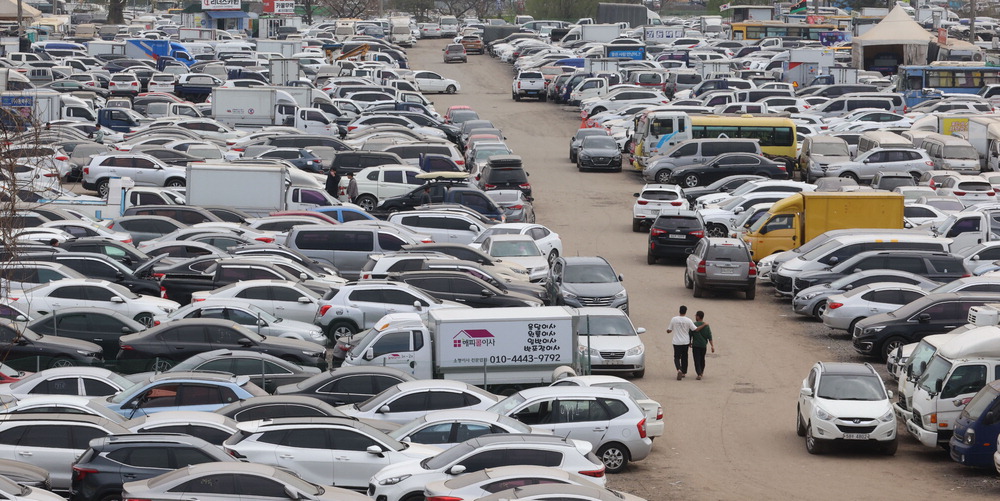 China is no longer seen only as a manufacturing base for new cars. It is also becoming a practical market for used car sourcing china, especially for buyers looking for a mix of mainstream Japanese models, newer Chinese brands, and selected hybrid or EV inventory. For many Middle East importers, the appeal is not hype. It is the possibility of building a more flexible and profitable sourcing model.
A market shift driven by supply, not just price
Dubai dealers often work across several channels at once: local retail, wholesale, fleet supply, and re-export. That means they need different kinds of inventory. Some want clean, low-mileage passenger cars for showroom sales. Others want practical, price-sensitive models for trading volume. Some are testing EVs and hybrids for niche customer groups.
China has become relevant because it can support this variety.
Compared with narrower sourcing channels, China offers:
- a wide pool of mainstream gasoline cars - growing availability of hybrid and electric models - increasing volume of late-model Chinese-brand vehicles - access to cities and suppliers with more traceable maintenance or inspection records
For a Dubai importer, this matters because stock planning is becoming more segmented. Instead of relying on one origin or one auction pipeline, dealers can build inventory based on customer type, target margin, and turnover speed.
Price still matters, of course. But experienced buyers know that low purchase price alone does not create profit. The more useful question is whether a vehicle remains competitive after all real costs are added:
- purchase cost - inspection and refurbishment - export handling - shipping and port charges - arrival condition - resale time in Dubai or onward markets
That is why many buyers are now evaluating china export car opportunities based on total landed strategy rather than headline price.
Why Chinese supply fits Dubai’s current business model
The Dubai used car market rewards flexibility. Dealers often need to react quickly to changing demand from retail customers, fleet operators, or re-export partners across Africa, the GCC, and nearby markets. Chinese supply can help in three practical ways.
1. Broader vehicle mix
Chinese supply is not limited to one category. A buyer may source Toyota, Nissan, or Honda units from China for reliable volume sales, while also testing selected BYD, Geely, or Changan units in segments where customers are becoming more open to newer brands.
This mixed strategy is useful because Dubai buyers are not all looking for the same thing. Some customers still prefer familiar Japanese nameplates. Others are more interested in features, lower running cost, or newer styling. 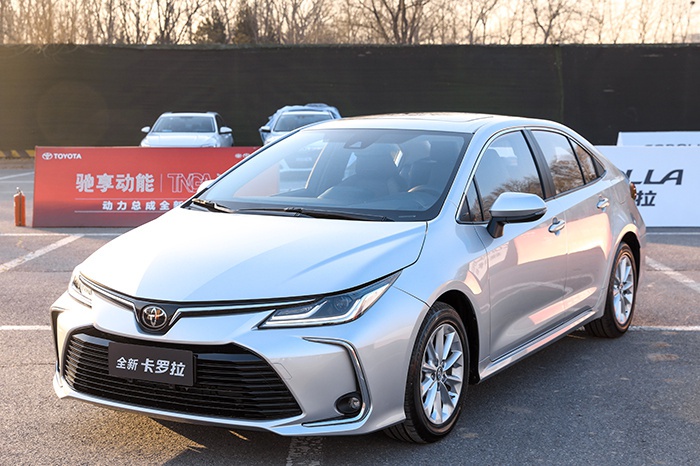
2. Better inventory planning
When dealers can source from a market with large domestic circulation, they may be able to choose more precisely by mileage band, age, trim, and condition. That creates room to match vehicle type with end-market use.
For example:
- low-mileage sedans for retail - practical SUVs for family buyers - MPVs for commercial or fleet demand - selected EVs or hybrids for urban, cost-conscious users
3. Rising acceptance of China car brands
The perception of a china car brand in overseas markets has changed. In the past, many buyers associated Chinese vehicles mainly with low-cost entry models. Today, brands such as BYD, Geely, Chery, Great Wall, and Changan have improved product quality, technology, and international visibility.
That does not mean every Chinese used car is automatically suitable for Dubai. But it does mean the discussion has become more practical. Dealers now ask:
- Is there real local demand? - Are spare parts available? - Is the specification suitable for hot-weather use? - Will the vehicle be easy to explain and sell?
These are healthier questions than simply dismissing the brand category.
Which vehicles make sense for Dubai dealers?
Not all imported used cars perform equally in the Dubai market. Some support fast turnover. Others offer differentiation but require a more patient sales strategy.
Here is a simple way to think about it:
| Sourcing focus | Typical vehicle type | Main buying concern | Best suited for |
|---|---|---|---|
| Safe-volume retail | Toyota, Honda, Nissan gasoline cars | resale confidence, serviceability, demand stability | local retail stock |
| Margin-focused wholesale | mid-age mainstream sedans and SUVs | landed cost control, batch consistency | wholesale and redistribution |
| EV or hybrid pilot | BYD, Geely, other selected electrified models | battery health, market education, aftersales readiness | small-batch niche sales |
| Commercial use | MPVs, 7-seat SUVs, economy sedans | durability, maintenance cost, condition consistency | rental, fleet, company use |
Japanese models remain the base layer
For many Dubai dealers, Japanese cars still form the most dependable inventory base. They are familiar to end users, accepted by service networks, and usually easier to remarket. That is why sourcing from China does not necessarily mean abandoning established brands. In many cases, it means using China as an additional source for the same proven vehicle categories.
Chinese-brand used cars create selective upside
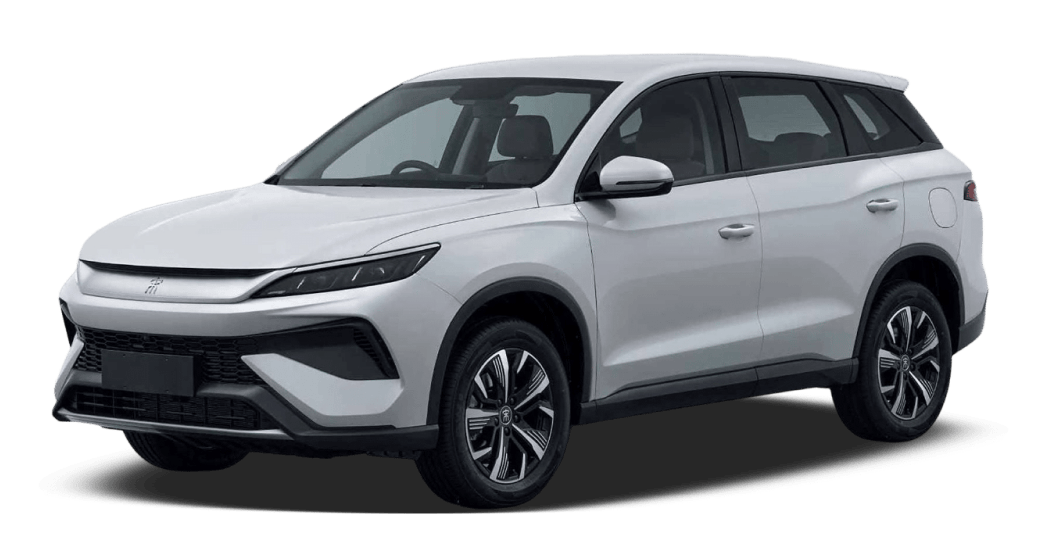 Used Chinese vehicles can make sense where buyers value newer features, stronger cabin specification, or EV capability. In some cases, these vehicles help dealers offer something different from the usual stock mix.
Still, the opportunity is selective. Before buying, a dealer should review:
- local service support - spare parts channel maturity - software and language compatibility - battery condition for EVs or hybrids - likely resale acceptance in the target segment
The profit is real only when the vehicle fits the market.
Profit comes from process discipline
A common mistake in cross-border sourcing is to focus too much on the buying stage and not enough on delivery readiness. In practice, the most profitable dealers are often not the ones chasing the lowest sticker price. They are the ones that control the process from source to resale.
A workable sourcing chain usually includes:
Vehicle screening and record review
Before any serious quotation, buyers should confirm:
- model year and registration year - mileage - trim and equipment - visible body and interior condition - repair or accident history where available - export eligibility
Inspection standards that reflect Middle East use
For Dubai, appearance matters, but functional reliability matters more. Vehicles should be checked with hot-climate use in mind, especially:
- engine and transmission condition - cooling system performance - air-conditioning efficiency - suspension and underbody condition - brake and tire wear - battery health for EVs
This is particularly important because a car that looks acceptable in photos may still need meaningful preparation before it is suitable for Gulf-market buyers.
Documentation and shipping coordination
A car can be competitively priced and still become a poor deal if export handling is weak. Buyers should pay attention to:
- export status and compliance readiness - invoice and packing documentation - bill of lading accuracy - shipping schedule stability - coordination for destination clearance support
If you want a broader overview of the process, this guide is useful: How to import used cars from China.
If your business also looks beyond Dubai into nearby redistribution markets, this article adds regional context: Buying and exporting used cars from China to Central Asia and the Middle East.
Comparing sourcing logic: old habit vs. new strategy
The real shift is not that Dubai dealers suddenly prefer one country over another. It is that they are becoming more strategic in how they source.
| Factor | Traditional single-channel sourcing | Adding China as a sourcing base |
|---|---|---|
| Vehicle selection | often narrower | broader mix of gasoline, hybrid, and EV models |
| Supply flexibility | more exposed to one pipeline | easier to balance by city, brand, and condition |
| Brand profile | mostly traditional brands | traditional brands plus selected Chinese brands |
| Buying method | often relationship-driven | easier to standardize sourcing filters and batch rules |
| Margin driver | low-buy, high-sell mindset | total-cost control and faster turnover |
For importers, this is important. Margin in today’s market is increasingly operational. Dealers that know exactly what they are buying, how they are shipping it, and who they are selling it to usually perform better than those who buy opportunistically.
A practical way for Dubai dealers to start
For businesses new to used car sourcing china, the smartest approach is rarely a large first order. A more practical path is:
1. Start with one or two proven vehicle categories. 2. Separate retail stock from wholesale stock. 3. Use a consistent inspection checklist. 4. Track total landed cost, not just purchase cost. 5. Measure resale speed after arrival. 6. Expand only after real market feedback.
For EVs, this staged approach is even more important. Early profit can disappear quickly if battery evaluation is weak or if local aftersales support is not ready.
FAQ
Is China mainly a source for low-cost cars?
No. For professional buyers, China is increasingly relevant because of supply diversity, newer vehicle mix, and the ability to source both established brands and selected Chinese models. The value is in sourcing flexibility, not only low price.
What kinds of cars are easiest to resell in Dubai?
Mainstream Japanese sedans and SUVs are still the easiest for fast turnover in many cases. However, selected Chinese-brand SUVs, EVs, and well-equipped family vehicles may also perform well in the right customer segments.
Are used Chinese brands worth considering for Middle East importers?
Yes, but selectively. Buyers should evaluate aftersales readiness, spare parts access, market awareness, and hot-weather suitability before building stock around a Chinese brand.
How can a first-time importer reduce sourcing risk?
Start with a small batch, insist on clear inspection standards, verify export documentation, and work with suppliers that can provide transparent vehicle information and practical shipping coordination.
Final thought
Dubai dealers are sourcing more used vehicles from China because the business case is becoming stronger: broader supply, more sourcing flexibility, evolving brand acceptance, and better control over inventory planning. The opportunity is not based on exaggeration. It comes from matching the right vehicles to the right market with a disciplined export process.
If you are evaluating stock for the Middle East, you can Browse inventory or Contact us to discuss your target models, market needs, and sourcing criteria.