
How to Export and Buy Used Cars from China to Central Asia & Middle East
For importers, dealers, and distributors in Central Asia and the Middle East, used cars from China are no longer only a low-cost option. They are becoming a sourcing strategy. The reason is not just price. China offers a broad mix of Japanese brands, Chinese brands, fuel vehicles, hybrids, and EVs, plus a supply chain that is becoming more export-oriented.
If you plan to import Chinese cars or build a used-car sourcing channel from China in 2026, the main question is not whether cars are available. The practical questions are: which models fit your market, what is the right budget range, how do you reduce inspection risk, and how do you avoid problems at shipment and customs stage?
This guide is written for B2B buyers rather than retail consumers. It focuses on realistic buying decisions, not hard selling.
Why buyers in Central Asia and the Middle East are watching China more closely
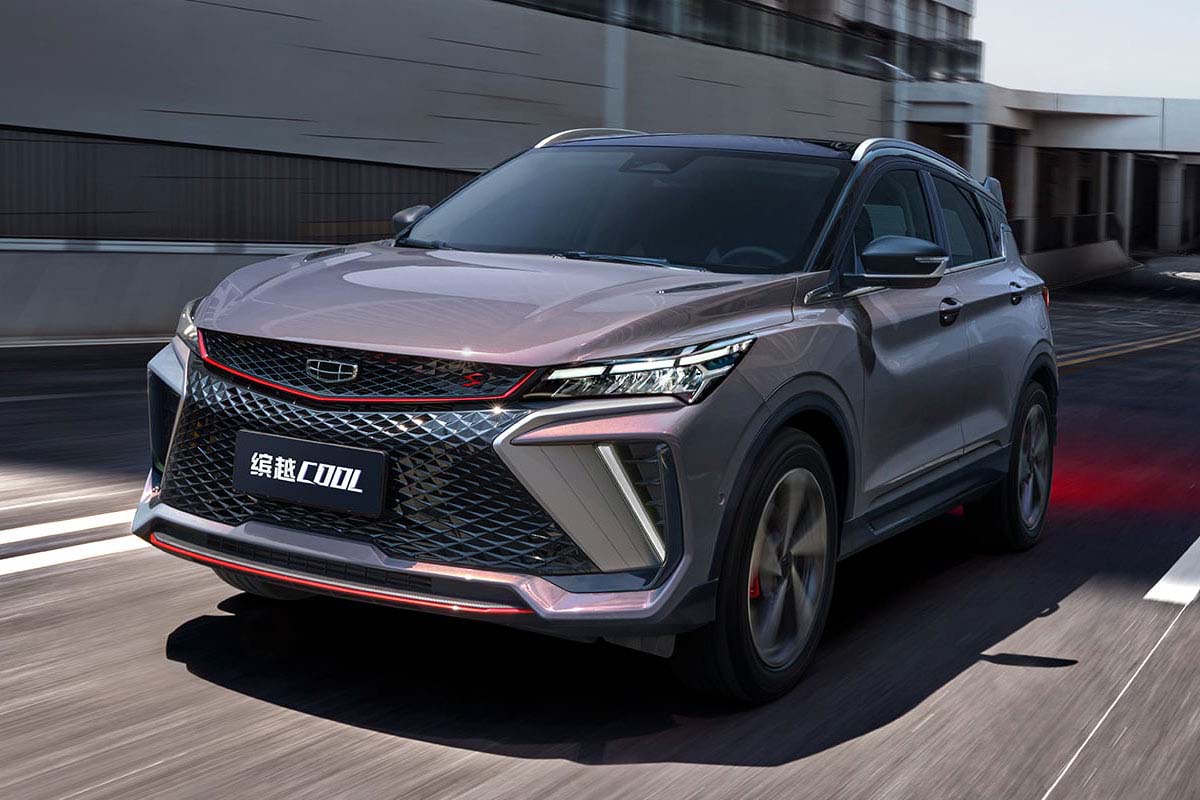
The export mix of used cars from China has expanded quickly in recent years. Buyers are still interested in familiar brands such as Toyota, Honda, and Nissan, but many are also evaluating BYD, Geely, Changan, Chery, and other Chinese makes, especially where buyers want newer model years or stronger feature-to-price value.
From a trade perspective, China offers several practical advantages:
- A wide vehicle pool, from compact sedans to SUVs, MPVs, pickups, and EVs - Flexible budget bands for entry-level, mid-range, and mixed orders - Better availability for batch sourcing compared with smaller local markets - Increasing experience in export inspection, documentation, and shipping coordination
That said, demand is not the same across all destination countries. Many Central Asian buyers prioritize durability, simple maintenance, and road suitability. In several Middle Eastern markets, buyers may focus more on air-conditioning performance, cabin specification, brand reputation, and heat tolerance. So the right purchase is not simply the cheapest car in stock. It is the car that can sell and perform well in your market.
Start with budget logic, not with the lowest unit price
When buyers search for the best budget from China, they often mean the best balance between purchase cost and resale potential, not the cheapest vehicle on paper. For importers, the right calculation includes sourcing cost, inland handling, freight, duties, preparation cost, and expected sales speed after arrival.
A low-priced unit can become expensive if it needs repairs, moves slowly, or creates customer complaints. A better-budget unit is usually one with predictable condition, steady demand, and manageable maintenance expectations. 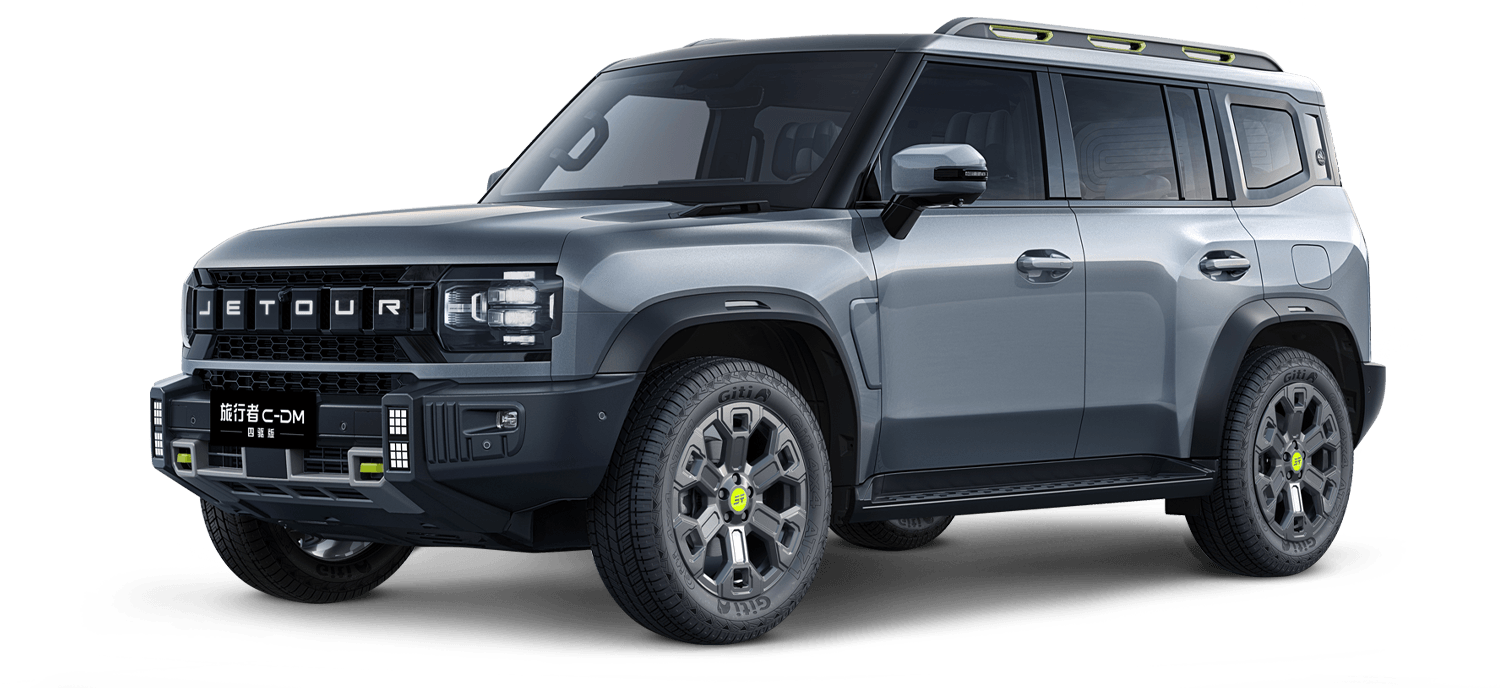 The table below gives a simple framework:
| Sourcing direction | Typical vehicle types | What to check carefully | Suitable business scenario |
|---|---|---|---|
| Entry budget stock | Small and compact sedans | Basic condition, mileage realism, service history | Price-sensitive markets, first orders |
| Mainstream family stock | Compact and mid-size SUVs | Brand acceptance, fuel economy, suspension, AC | Dealer inventory for broad retail demand |
| Passenger/business use | MPVs and 7-seat SUVs | Cabin condition, cooling, drivetrain, seating wear | Airport transfer, family use, business fleets |
| Utility-focused stock | Pickups and body-on-frame SUVs | Chassis, underbody, repairability, tire condition | Tough road conditions, rural demand |
| EV trial orders | Used EVs and PHEVs | Battery health, charging compatibility, software status | Urban markets testing new-energy demand |
For many importers, the safest first step is one of these routes:
1. Well-known fuel models with proven acceptance, especially Japanese brands such as Toyota, Honda, and Nissan. 2. Chinese SUVs with strong value positioning, where newer year, better spec, and competitive pricing matter. 3. Selective EV or plug-in hybrid orders, especially BYD and other popular models, but only if the destination market has basic charging and after-sales readiness.
A common mistake is to buy based only on model year or odometer reading. In export trade, the more important factors are accident transparency, maintenance history, true structural condition, and document completeness.
A practical buying process: where importers usually make mistakes
First-time buyers often spend most of their energy negotiating the price. In reality, the bigger risks usually appear in process control. A more stable sourcing workflow from China should include the following steps.
1. Confirm import rules in the destination country
Before asking for quotations, verify:
- Maximum allowed vehicle age - Left-hand-drive or right-hand-drive requirements - Emission or environmental rules - Restrictions on EV or hybrid imports - Required paperwork for customs clearance and registration
This matters because policy mistakes can cost much more than a small sourcing discount.
2. Build a clear vehicle brief
Instead of saying “send your cheapest cars,” provide a usable sourcing brief:
- Preferred brands and models - Year range - Mileage range - Budget cap per unit or per batch - Acceptable condition limits - Whether EVs are allowed - Quantity target and expected shipping window
A clear brief helps suppliers screen stock faster and recommend units that match local retail demand.
3. Use inspection as a filter, not as a formality
Inspection is one of the most important parts of used-car export from China. Key checkpoints should include: 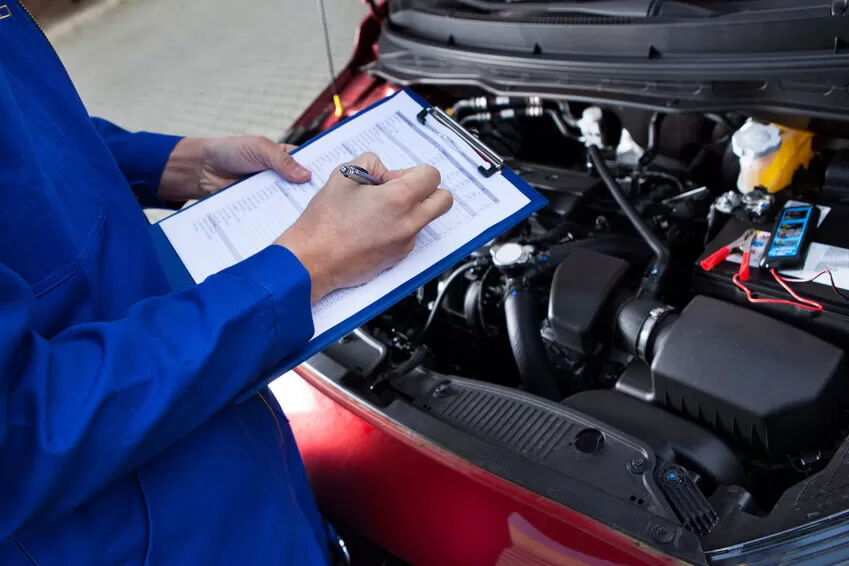 - Paint condition and body consistency - Structural integrity and accident signs - Engine, transmission, suspension, and underbody - Electronics, infotainment, and air-conditioning - Tire wear, brakes, and serviceable parts - Maintenance records and ownership traceability - Battery health for EVs or plug-in hybrids
For batch orders, a consistent inspection standard matters more than individual negotiation. Two cars of the same model can perform very differently in resale if one has hidden repair history or weak AC performance.
4. Match shipping mode to order size and route
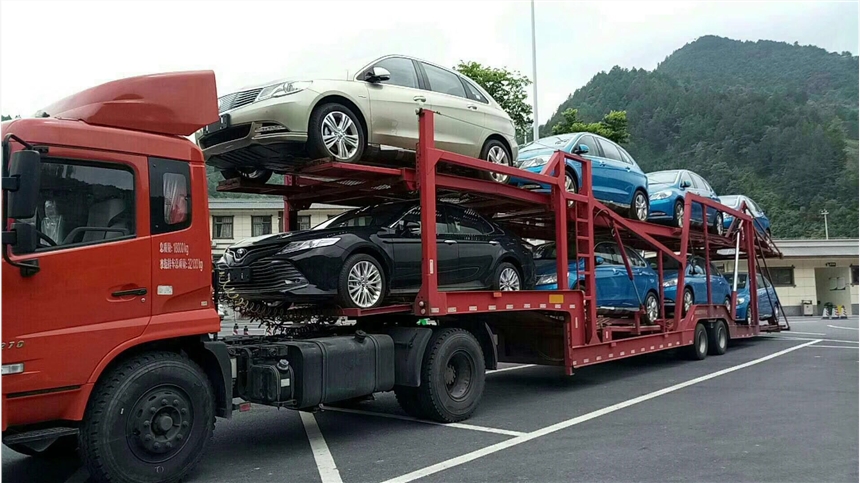 For Central Asia and the Middle East, common shipping options include:
| Shipping mode | Main characteristics | Best for |
|---|---|---|
| Container | Better physical protection, flexible loading | Small to medium batches, mixed orders |
| Ro-Ro | Efficient for large volume movement | Larger programs with suitable port access |
| Multimodal land + sea | Useful on selected inland routes | Destinations beyond major ports |
Do not compare freight by headline ocean rate alone. The better question is total delivered cost, including port handling, inland transfer, customs timing, and the final route to the buyer’s city.
5. Prepare documents carefully
Typical documents may include:
- Commercial invoice - Packing list - Bill of lading or transport documents - Vehicle information documents - Export-related certificates - Extra customs documents required by the destination country
Requirements vary by country, and small document errors can delay customs clearance or registration. For that reason, experienced importers usually review paperwork before loading, not after shipment.
Fuel cars or EVs: what makes sense in 2026?
In 2026, fuel vehicles will still be the mainstream choice in many Central Asian and Middle Eastern markets, especially where long-distance driving, rural roads, and conventional workshops dominate. At the same time, EV demand is likely to keep growing in selected urban markets where charging access and customer awareness are improving.
Fuel vehicles are usually the better first choice when:
- Charging infrastructure is limited - Local service networks are built around conventional repair - Buyers value fast maintenance and parts familiarity - The main use case includes long-distance or mixed road conditions
EVs may be worth testing when:
- The target market is urban and infrastructure is developing - The dealer has basic battery-check capability - Customers already know brands such as BYD - Running-cost savings are part of the sales story
A realistic strategy for many importers is not a full EV shift. It is a mixed plan: keep fuel cars as the cash-flow base, then add controlled EV trial orders to test market response.
Risk control matters more than chasing the lowest offer
If you are importing from China for the first time, or expanding your current volume, the most useful approach is to create a repeatable buying system.
A few practical suggestions:
- Start with one or two stable model lines before expanding your SKU mix - Put inspection criteria into the sourcing process in writing - Calculate landed cost rather than comparing FOB price only - Check parts access and after-sales readiness, especially for Chinese brands and EVs - Keep backup options for models, suppliers, and logistics routes
In other words, successful importers do not win by buying the lowest-priced car once. They win by building a sourcing process that can be repeated with consistent quality.
FAQ
What should I confirm first before importing used cars from China?
Start with destination-country rules: age limits, steering configuration, emissions requirements, EV restrictions, and required customs documents. Once those are clear, model selection becomes much safer.
Which cars are usually best for budget-focused importers?
Compact sedans and mainstream SUVs with strong market recognition are often the most practical starting point. They usually sell faster, are easier to service, and create less after-sales pressure than niche models.
Are used Chinese EVs suitable for Central Asia or the Middle East?
They can be suitable in selected urban markets, especially where charging, battery checks, and customer awareness already exist. But for many importers, small trial batches are safer than a large first EV order.
What matters most during vehicle inspection?
Focus on structure, accident history, powertrain condition, underbody, AC performance, electronics, maintenance records, and battery health for EVs. Transparent condition reporting is more valuable than attractive photos alone.
Final thought
For buyers in Central Asia and the Middle East, sourcing used cars from China is no longer only about finding cheap stock. It is about building the right combination of models, inspection standards, logistics planning, and compliance control.
Whether you are targeting proven fuel vehicles or testing newer Chinese brands such as BYD, a disciplined buying process matters more than aggressive price chasing. If you want to review available stock, you can Browse Cars. If you prefer a more specific discussion based on your destination market, budget, and model targets, Contact Us.