
What Used Cars Can You Buy in China for $10,000?
For many overseas importers, dealers, and wholesalers, a budget of around $10,000 per unit is a practical entry point for sourcing used cars from China. It is high enough to access a wide range of mass-market vehicles, yet still focused on cost control and resale potential. In this price band, buyers may find mainstream gasoline sedans, compact SUVs, and in some cases early-generation used EVs from Chinese brands.
However, the real answer to the question is not just about sticker price. What you can buy in China for $10,000 depends on vehicle age, mileage, condition, brand, export compliance, destination market regulations, and logistics cost. A lower vehicle price does not always mean a better import business case.
This article looks at the topic from a B2B sourcing perspective and explains what types of used cars are commonly available in China around this budget, which markets they may fit, and what importers should check before placing an order. If you want to explore available stock first, you can also browse inventory.
1. What vehicle types are commonly available in China around $10,000?
In China’s used car export market, $10,000 is not a fixed promise for a specific model. Prices change with supply, location, configuration, market demand, and shipping trends. Still, this budget often covers several practical categories for export buyers.
1. Mainstream Japanese and Korean gasoline cars
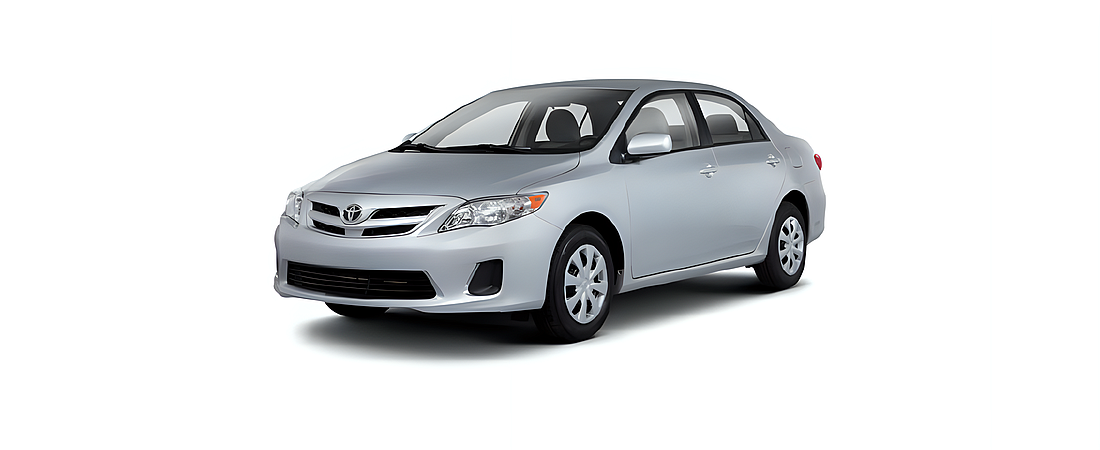
For many importers, this is still the safest category. Japanese and Korean vehicles remain popular in overseas markets because they are generally familiar to end users, supported by established repair networks, and easier to remarket.
Common examples may include: - Toyota Corolla, Vios, Yaris, and some older compact models - Honda City, Fit/Jazz, and certain model-year Civic units - Nissan Sunny, Tiida, and selected Sylphy units - Hyundai Elantra, Verna, and Kia K2/K3 ranges
These vehicles are often suitable for buyers serving markets in Africa, Central Asia, the Middle East, and Southeast Asia, where fuel efficiency, simple maintenance, and parts availability matter more than premium features. Toyota in particular remains attractive in many regions because of its resale reputation and broad service familiarity.
2. Chinese-brand compact sedans and SUVs
If your market is open to newer styling, better equipment, and stronger value per dollar, Chinese brands can be a very practical option in this budget range. Compared with imported-brand vehicles at the same price, Chinese used cars may offer: - Newer production years - More features for the money - More modern cabin and exterior design - Competitive refurbishment potential
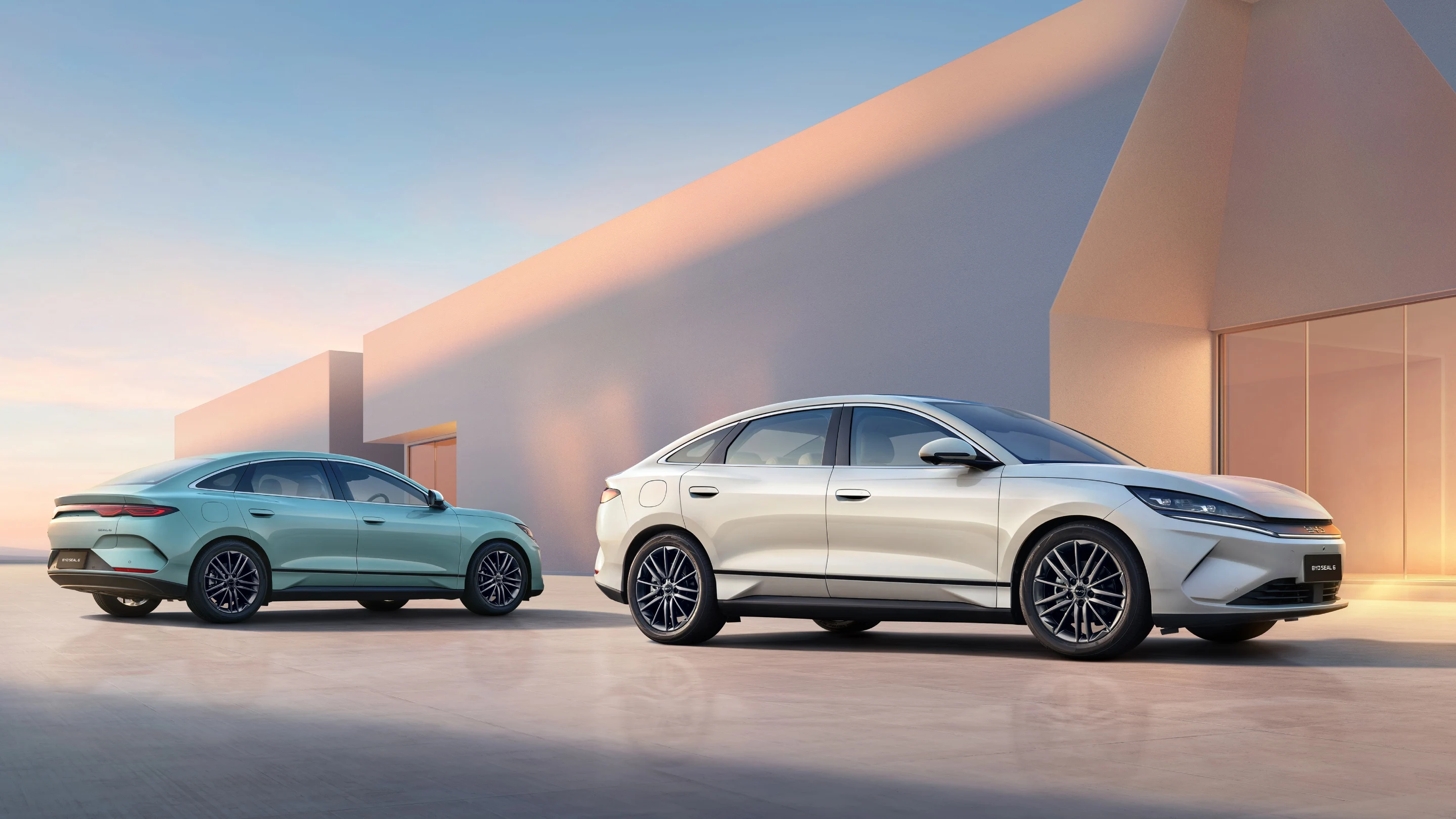
Brands often watched by importers include: - BYD - Geely - Changan - Chery - Haval - Roewe
For dealers building affordable inventory with a fresh appearance, these vehicles can make commercial sense. But buyers should also evaluate local acceptance carefully. Before importing, it is wise to confirm: - Whether the brand is already known in your market - Whether spare parts can be sourced reliably - Whether technicians are familiar with the platform - Whether customers trust the brand enough for retail turnover
3. Entry-level used EVs and plug-in hybrids
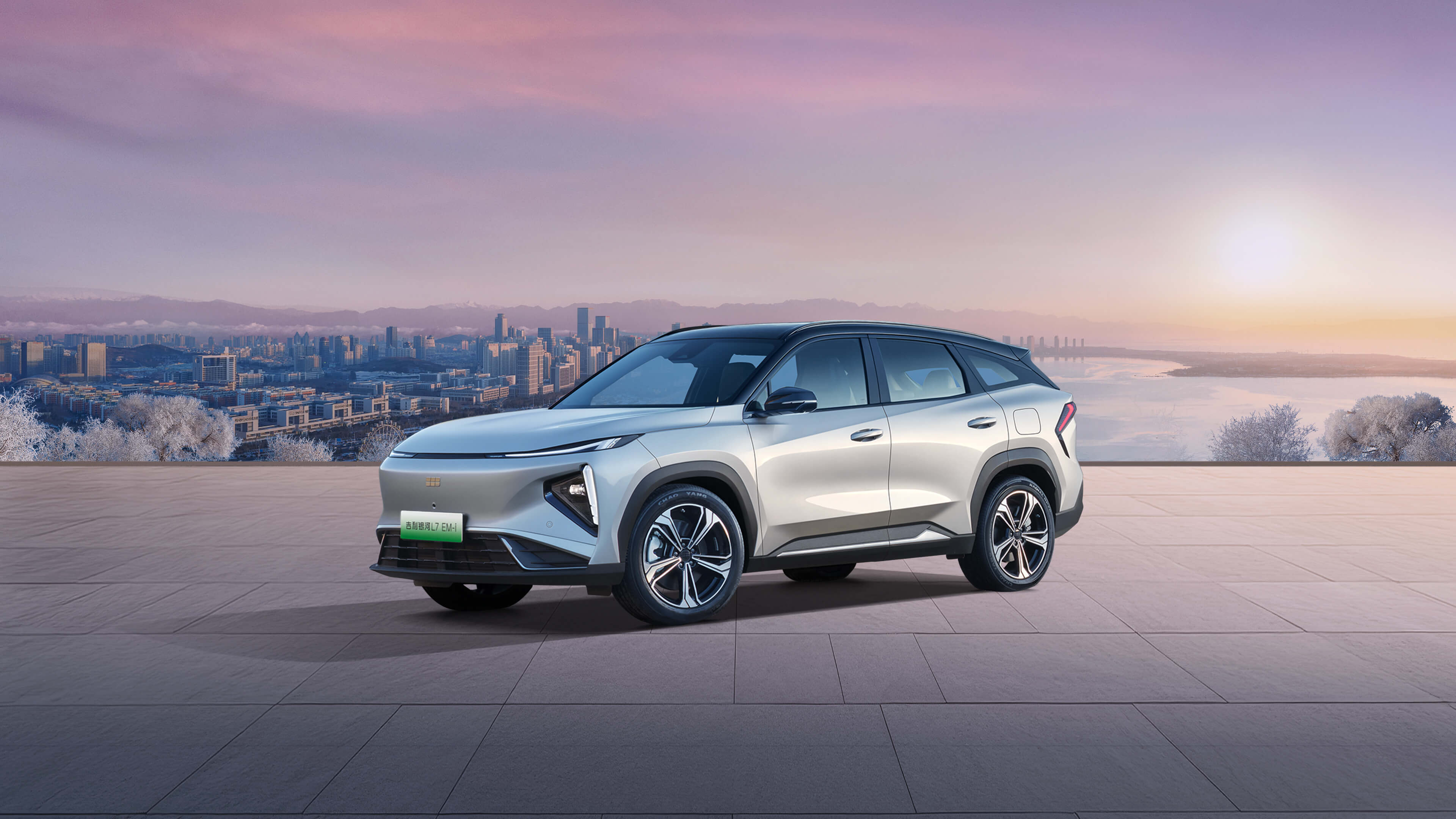
China’s large new energy vehicle market has created a growing supply of used EVs and plug-in hybrids. In some cases, older small EVs or selected early-generation models may fall near the $10,000 range. This can be interesting for importers seeking differentiation.
That said, used EV sourcing requires more caution than conventional fuel vehicles. Buyers need to look beyond price and consider: - Battery health - Real-world remaining range - Charging standard compatibility - Sea freight and hazardous cargo requirements - Import rules for EVs in the destination country
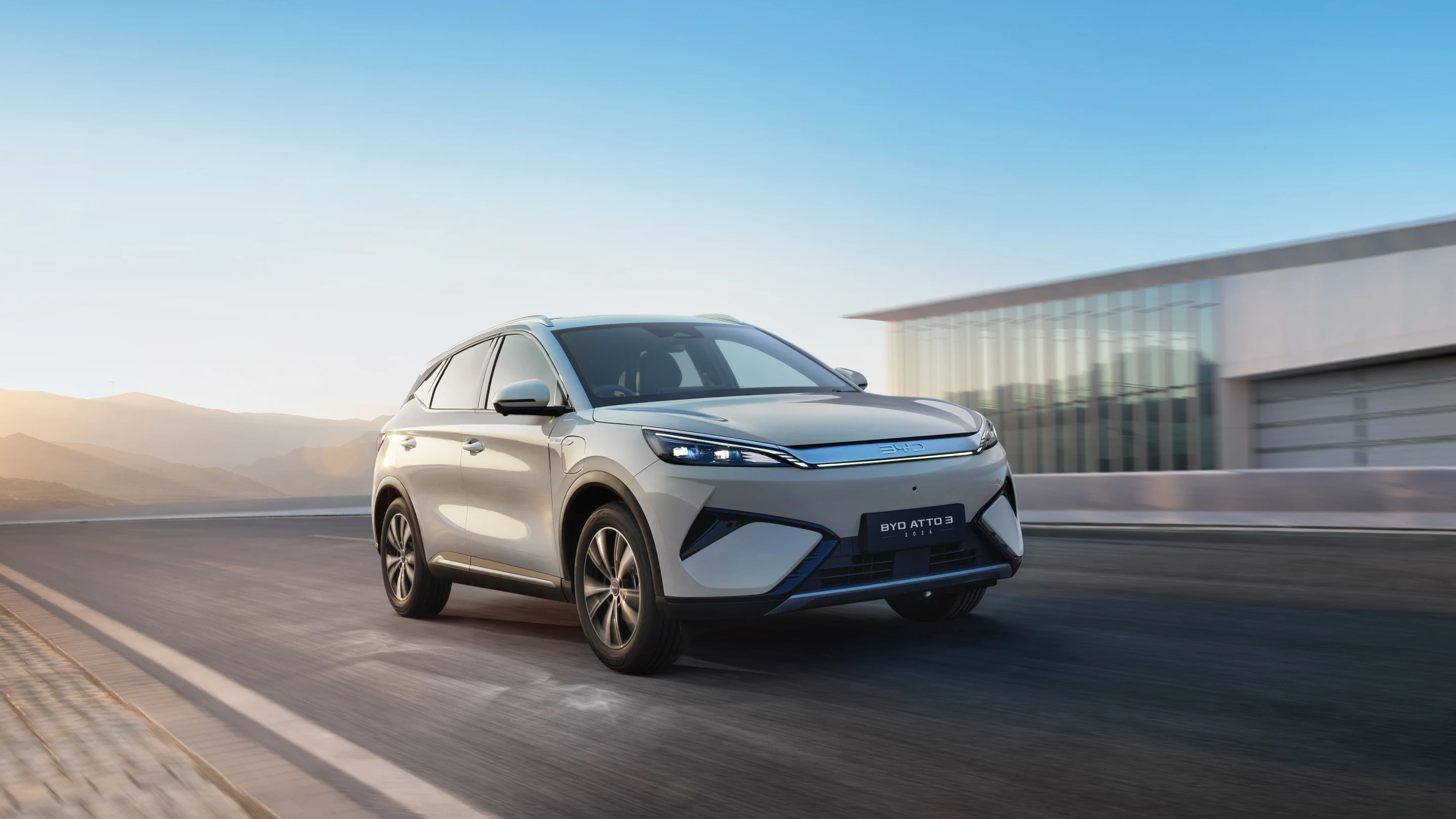
BYD is one of the most watched names in this area, but model suitability varies widely by market. For first-time buyers of Chinese used EVs, it is usually better to start with transparent inspection records, clear battery data, and small-volume trial orders rather than making decisions on advertised price alone.
2. What factors really determine what you can buy for $10,000?
When buyers ask, “What can I get for $10,000?” the better question is: What is the best vehicle mix for my market within a $10,000 sourcing framework? Several variables matter more than the headline budget itself.
1. Model year and mileage
Two cars with the same badge can differ significantly in value depending on production year and odometer reading. In general: - Newer model years usually cost more - Lower mileage tends to support stronger resale - Very cheap units with unusually low mileage should be checked carefully
For B2B buyers, odometer reading should never be the only indicator. It is better to review: - Service history - VIN-based information if available - Paint and structural inspection - Chassis wear - Engine bay or electric system condition
A realistic sourcing strategy balances age, mileage, and market expectations rather than chasing the lowest number on paper.
2. Vehicle condition and accident history
In export trade, actual condition matters more than a low quoted price. A unit with hidden structural damage, flood history, severe corrosion, or major drivetrain issues may cost far more after arrival than a cleaner vehicle with a slightly higher sourcing price.
A professional pre-export check should normally include: - Exterior and interior inspection - Structural body review - Engine, transmission, or e-drive system assessment - Chassis inspection - Road test or dynamic testing when possible - Battery report for EVs - Photo and video documentation before shipment
For repeat buyers, working with a supplier that follows a stable inspection process is often more important than finding the absolute cheapest offer. If you want to discuss sourcing procedures, you can contact us.
3. Destination regulations and total landed cost
A common mistake among first-time importers is focusing only on the vehicle purchase price. What matters in practice is the total landed cost, which may include: - Vehicle cost - Export service fees - Port and customs handling charges - Ocean freight - Insurance - Destination duties and taxes - Local compliance, registration, or modification costs
Some countries have strict rules on: - Vehicle age limits - Left-hand drive or right-hand drive requirements - Emission standards - EV or hybrid import eligibility - Required documents and certifications
Even if a car looks attractive in China, it may not be a smart purchase if it does not fit the legal and commercial reality of your target market.
3. How should buyers choose the right used cars for different markets?
The best use of a $10,000 budget depends on your sales channel, after-sales capability, and customer profile. Instead of asking for a single “best car,” importers usually benefit more from choosing a strategy.
1. Prioritize durability and resale speed
If your business depends on fast turnover and predictable demand, mainstream gasoline cars are often the most practical starting point. Models from Toyota, Honda, and Nissan can be easier to retail in many developing markets because buyers already understand them.
This route may be suitable if you want: - Familiar models - Lower education cost for retail customers - Easier workshop support - Stable parts demand
In many cases, compact sedans outperform more niche vehicles because they are easier to finance, maintain, and resell.
2. Use newer Chinese models to improve value perception
If your customers respond strongly to newer design, touchscreen interiors, or stronger equipment lists, Chinese-brand used cars can help you build a more modern stock profile without moving too far above budget.
This approach may work for dealers that want: - Better showroom appeal - Newer model-year inventory - Competitive pricing versus imported legacy brands - An alternative to high-mileage older Japanese vehicles
The key is to choose models with a realistic parts and service path. A good-looking SUV is only a good business unit if ownership remains manageable after delivery.
3. Test EV demand selectively
Used EVs can create a strong point of difference, especially in urban markets with short daily driving cycles and developing charging infrastructure. But EV imports should usually begin with caution.
A practical EV strategy often means: - Starting with small volumes - Choosing models with documented battery health - Confirming charger compatibility in advance - Understanding shipping constraints before booking - Monitoring real customer feedback after first sales
For many importers, EVs are not yet a full replacement for gasoline inventory, but they can be an interesting complementary category when market conditions support them.
FAQ
1. Can I buy a used Toyota in China for $10,000?
Yes, in many cases you can, but the exact options depend on model, year, mileage, condition, and market demand. Popular Toyota models often hold value well, so inspection results and total export cost should be reviewed together before making a decision.
2. Is $10,000 enough to import a used EV from China?
Sometimes yes, especially for selected entry-level or older EV models. But buyers should pay close attention to battery condition, charging compatibility, shipping requirements, and destination-country rules before proceeding.
3. What is the most important thing to check when buying used cars from China?
The most important points are real vehicle condition, export compliance, and total landed cost. Buyers should not rely only on listing price. Inspection reports, documentation, logistics planning, and import regulations all matter.
Conclusion: Match the car to the market, not just the budget
A budget of around $10,000 can open up many used car sourcing options in China, but the right choice depends on where you sell, how you support the vehicles, and what your customers expect. Gasoline models often offer easier market entry. Chinese brands may provide newer years and more features. Used EVs can be attractive in the right environment, but they require careful technical and logistics review.
If you want a more targeted recommendation based on your destination country, budget range, and purchase volume, start by browsing inventory or contact us. At WinMinCar, we support B2B buyers with vehicle selection, inspection coordination, export process communication, and shipping preparation for used car sourcing from China.