
How to Check Used Car History Before Purchase: Complete Guide
Buying a used car can be an excellent way to save money while still getting reliable transportation. However, without proper due diligence, you could end up with a vehicle that has hidden problems, accident history, or even legal issues. Whether you're considering affordable city driving options or premium pre-owned vehicles, this comprehensive guide will walk you through every step of checking a used car's history to ensure you make an informed and confident purchase decision.
Why Checking Vehicle History is Critical
The Risks of Skipping History Checks
Purchasing a used vehicle without verifying its history can lead to serious consequences:
Financial Risks: - Overpaying for a vehicle with undisclosed damage - Unexpected repair costs from hidden mechanical issues - Difficulty reselling due to poor history - Insurance complications or higher premiums - Total loss if the vehicle is stolen or has title issues
Safety Risks: - Structural damage from previous accidents compromising safety - Recalled components that were never repaired - Flood damage causing electrical and mechanical failures - Airbag deployment history affecting crash protection - Frame damage affecting vehicle handling and stability
Legal Risks: - Purchasing a stolen vehicle (subject to seizure) - Title washing or odometer fraud (criminal activity) - Outstanding liens (creditors can repossess) - Salvage title issues (difficult to insure or register) - Emissions or safety inspection failures
The Benefits of Thorough History Checks

Peace of Mind: - Confidence in your purchase decision - Knowledge of what you're buying - Ability to negotiate fair pricing - Understanding of future maintenance needs - Protection against fraud and deception
Financial Protection: - Avoid vehicles with costly hidden problems - Negotiate lower prices based on history - Make informed decisions about extended warranties - Understand true market value - Prevent future legal and financial complications
Safety Assurance: - Verify proper accident repairs - Confirm recall completion - Identify potential safety issues - Ensure structural integrity - Validate airbag and safety system functionality
Step 1: Obtain the Vehicle Identification Number (VIN)
What is a VIN?
The Vehicle Identification Number (VIN) is a unique 17-character code assigned to every vehicle manufactured since 1981. It serves as the vehicle's fingerprint, containing encoded information about:
- Manufacturer and brand - Model and body style - Engine type and size - Manufacturing plant location - Model year - Serial number
Where to Find the VIN
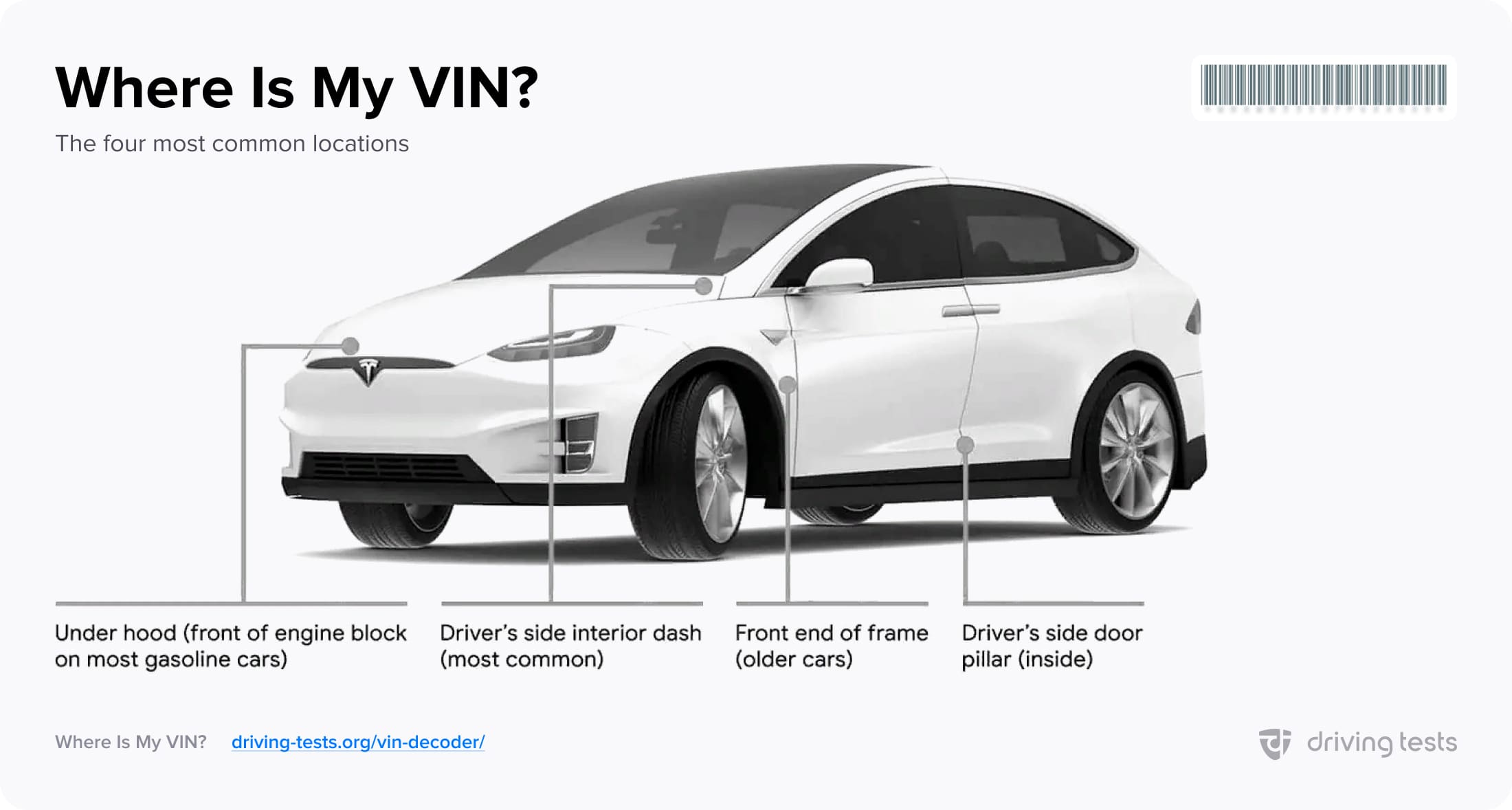
Primary Locations: 1. Dashboard: Visible through the windshield on the driver's side 2. Driver's Door Jamb: Sticker or metal plate on the door frame 3. Engine Block: Stamped on the engine (less accessible) 4. Vehicle Title: Listed on ownership documents 5. Registration: On vehicle registration card 6. Insurance Documents: Listed on insurance papers
Additional Locations: - Under the hood on the firewall - Inside the trunk or spare tire well - On the frame rail (trucks and SUVs) - On the steering column - In the owner's manual
How to Verify VIN Authenticity
Check for Consistency: - VIN should match on all locations - Characters should be clear and uniform - No signs of tampering or alteration - Rivets holding VIN plates should be original - No evidence of re-stamping or grinding
VIN Decoding: - Position 1: Country of manufacture - Positions 2-3: Manufacturer - Positions 4-8: Vehicle attributes (model, body, engine) - Position 9: Check digit (mathematical validation) - Position 10: Model year - Position 11: Assembly plant - Positions 12-17: Serial number
Red Flags: - VIN doesn't match on different locations - Signs of tampering or alteration - VIN plate appears newly installed - Rivets look different from factory originals - Characters are unclear or inconsistent - VIN doesn't decode properly
Step 2: Use Vehicle History Report Services
Major Vehicle History Report Providers
International Services:
1. Carfax - Coverage: North America, Europe (limited) - Data Sources: 100,000+ sources including DMVs, insurance companies, repair shops - Cost: $39.99 single report, $59.99 for 5 reports - Strengths: Comprehensive US/Canada data, user-friendly interface - Limitations: Limited international coverage, may miss some incidents
2. AutoCheck (Experian) - Coverage: Primarily North America - Data Sources: Auctions, dealerships, state DMVs - Cost: $24.99 single report, $49.99 unlimited for 30 days - Strengths: Score-based system, good for comparing vehicles - Limitations: Less detailed than Carfax for some data
3. VINCheck (NICB) - Coverage: United States - Data Sources: Insurance companies, law enforcement - Cost: Free - Strengths: Checks for theft and total loss - Limitations: Limited information, no accident history
Regional Services:
China: - Che300 (车300): Comprehensive Chinese vehicle history - Guazi (瓜子): Used car platform with history reports - Renrenche (人人车): Vehicle inspection and history services
Europe: - HPI Check (UK): Comprehensive UK vehicle history - Dekra (Germany): Vehicle inspection and history - Cartell (Ireland): Irish vehicle history reports
Australia: - PPSR: Personal Property Securities Register - CarHistory: Comprehensive Australian reports - NEVDIS: National Exchange of Vehicle and Driver Information
What Vehicle History Reports Include
Ownership History: - Number of previous owners - Length of ownership periods - Type of ownership (personal, fleet, rental, lease) - State/province registration history - Title transfers and dates
Accident History: - Reported accidents and collisions - Severity of damage - Airbag deployment records - Structural damage indicators - Insurance claims filed
Title Information: - Current title status (clean, salvage, rebuilt, flood, etc.) - Title brands and designations - Lien and loan information - Title washing indicators - Odometer discrepancies
Service and Maintenance: - Reported service records - Maintenance performed - Recall information and completion status - Warranty work - Inspection history
Usage History: - Personal use vs. commercial use - Rental or fleet vehicle history - Taxi or rideshare use - Police or government use - Lease history
Problem Indicators: - Flood damage - Fire damage - Hail damage - Theft recovery - Lemon law buybacks - Manufacturer buybacks
How to Interpret Vehicle History Reports
Green Flags (Positive Indicators): - Single owner with long ownership period - Regular maintenance records - No accidents reported - Clean title with no brands - Consistent odometer readings - All recalls completed - Personal use only
Yellow Flags (Proceed with Caution): - Multiple owners in short periods - Minor accidents with proper repairs - Rental or fleet use - Gaps in service history - Out-of-state title transfers - Cosmetic damage reports
Red Flags (Serious Concerns): - Salvage, rebuilt, or flood title - Major accidents with structural damage - Airbag deployment - Odometer rollback or inconsistencies - Theft recovery - Lemon law buyback - Frame or structural damage - Multiple accidents - Commercial or taxi use
Step 3: Check Government and Official Records
Department of Motor Vehicles (DMV) Records
What DMV Records Reveal: - Official title status and history - Registration history - Odometer readings at registration - Lien information - Title brands and designations - Previous owners (in some states)
How to Access: - Visit local DMV office in person - Request records online (where available) - Provide VIN and proof of legitimate interest - Pay applicable fees ($5-$25 typically) - Some states require seller authorization
What to Look For: - Title matches seller's information - No outstanding liens - Consistent odometer progression - No salvage or flood brands - Registration is current and valid
National Motor Vehicle Title Information System (NMVTIS)
About NMVTIS (United States): - Federal database of vehicle title information - Operated by the Department of Justice - Aggregates data from all states - Includes insurance, junk, and salvage data
What NMVTIS Provides: - Title brand history - Odometer readings - Total loss history - Salvage and junk records - Some theft data
How to Access: - Through approved providers (not directly) - Providers include Carfax, AutoCheck, VINCheck - Cost varies by provider - Instant online reports
Stolen Vehicle Databases
National Insurance Crime Bureau (NICB) - VINCheck: - Free service - Checks for theft and total loss - Limited to 5 searches per day - Covers US and Canada
National Crime Information Center (NCIC): - Law enforcement database - Not directly accessible to public - Police can check during traffic stops - Some services query this database
International Databases: - Interpol Stolen Motor Vehicle Database - European Vehicle Crime Intelligence Service - Regional police databases
Recall Databases
NHTSA Recall Database (United States): - Free online search by VIN - Shows all open and closed recalls - Includes safety and non-safety recalls - Provides remedy information
Manufacturer Recall Portals: - Most manufacturers offer VIN-based recall checks - Often more detailed than NHTSA - May include service campaigns - Can schedule recall repairs
How to Verify Recall Completion: - Check with authorized dealerships - Request service records from seller - Some history reports show recall status - Manufacturer customer service can verify
Step 4: Inspect Physical Documentation
Essential Documents to Review
Title Certificate: - What to Check: - Seller's name matches ID - VIN matches vehicle - No liens or encumbrances - Title is original (not duplicate) - No salvage or flood brands - Odometer reading is consistent - Signatures and dates are complete
- Red Flags: - Duplicate or replacement title - Seller's name doesn't match title - Recent title transfer (title jumping) - Out-of-state title (potential washing) - Handwritten corrections - Missing or incomplete information
Registration Documents: - Current and valid registration - Matches seller's information - Registration fees are paid - No registration holds - Emissions testing current (where required)
Service and Maintenance Records: - What to Look For: - Regular oil changes - Scheduled maintenance completion - Major repairs documented - Receipts from reputable shops - Consistent mileage progression - Warranty work performed
- Valuable Information: - Maintenance intervals followed - Quality of parts used (OEM vs. aftermarket) - Recurring problems - Recent major services - Timing belt/chain replacement - Transmission service
Owner's Manual and Documentation: - Original owner's manual present - Service booklet with stamps - Warranty information - Original purchase documents - Extended warranty papers - Recall notices and completion
Insurance Records: - Current insurance status - Claims history (if seller provides) - No total loss declarations - Consistent coverage - No gaps in coverage
How to Spot Fraudulent Documents
Common Fraud Indicators: - Photocopied or scanned documents only - Inconsistent fonts or formatting - Misaligned text or stamps - Poor print quality - Altered or whited-out information - Missing security features - Incorrect state seals or watermarks
Title Washing Red Flags: - Recent out-of-state title transfer - Title from state with lax regulations - Salvage history not disclosed - Odometer reading inconsistencies - Multiple title transfers in short period
Verification Steps: - Compare documents to known authentic examples - Check security features (watermarks, holograms) - Verify with issuing authority - Cross-reference information across documents - Use UV light to check for alterations - Contact previous owners if possible
Step 5: Conduct Physical Vehicle Inspection
Exterior Inspection
Body Panels and Paint: - What to Check: - Paint consistency and color match - Panel gaps and alignment - Signs of repainting or overspray - Rust or corrosion - Dents, scratches, or damage - Aftermarket modifications
- How to Check: - Use a paint thickness gauge - Look for overspray on trim and glass - Check panel gaps with fingers - Inspect in good lighting - Look for mismatched textures - Check for bondo or filler
Frame and Structure: - Critical Areas: - Frame rails for bends or cracks - Unibody structure for damage - Suspension mounting points - Crumple zones for deformation - Welds for quality and originality
- Inspection Methods: - Get under the vehicle safely - Use a flashlight for dark areas - Look for fresh undercoating (hiding damage) - Check for misaligned components - Inspect for rust or corrosion
Glass and Lights: - All glass intact and original - VIN etching matches - No cracks or chips - All lights functional - Lens condition good - No moisture in housings
Tires and Wheels: - Tread depth adequate (minimum 4/32") - Even wear patterns - No bulges or damage - Matching tires (brand, size, type) - Wheels not bent or damaged - Proper tire pressure
Interior Inspection
Cabin Condition: - Seats and Upholstery: - Wear consistent with mileage - No tears, stains, or damage - Seat adjustments work properly - Seatbelts function correctly - Airbag indicators normal
- Dashboard and Controls: - All gauges and displays work - No warning lights illuminated - Climate control functions - Audio system operational - Power accessories work - Odometer reading visible and clear
Odometer Verification: - Signs of Tampering: - Loose or misaligned cluster - Scratches around screws - Numbers not aligned - Mileage inconsistent with wear - Digital display glitches
- Verification Methods: - Compare to service records - Check door jamb stickers - Look at pedal wear - Inspect seat and steering wheel wear - Review history report mileage
Smell Test: - No musty or moldy odors (flood damage) - No strong air freshener (masking odors) - No smoke smell (if advertised as non-smoker) - No chemical smells (recent detailing to hide issues)
Mechanical Inspection
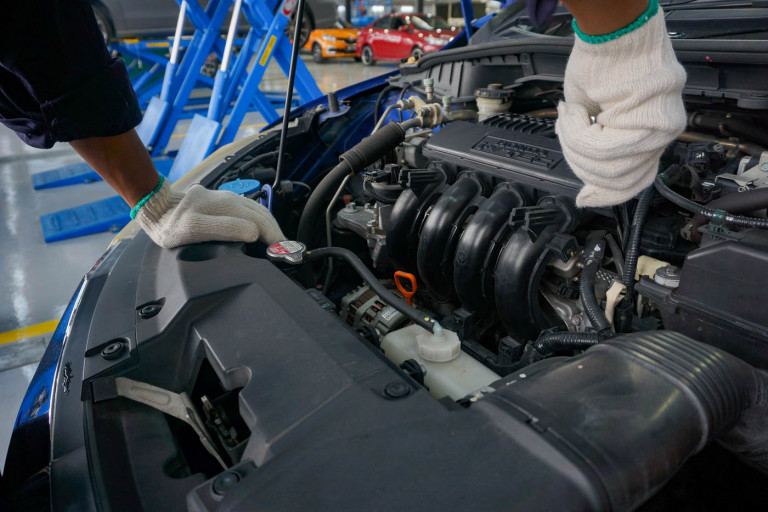
Engine Compartment: - Visual Inspection: - Engine clean but not suspiciously detailed - No oil leaks or seepage - Fluid levels correct and clean - Belts and hoses in good condition - Battery terminals clean - No aftermarket modifications
- Fluid Checks: - Engine oil: Level and condition - Coolant: Level, color, no contamination - Brake fluid: Level and clarity - Power steering fluid: Level and color - Transmission fluid: Level, color, smell - Windshield washer fluid: Level
Test Drive Evaluation: - Before Starting: - Cold start (engine should start easily) - No excessive smoke from exhaust - Engine idles smoothly - No unusual noises
- During Drive: - Smooth acceleration - Transmission shifts properly - Brakes respond well (no pulling or noise) - Steering is responsive and straight - No vibrations or shaking - All gears engage properly - Climate control works - No warning lights appear
- After Drive: - Check for new leaks - Engine temperature normal - No burning smells - Exhaust smoke color normal
Professional Inspection
When to Hire a Mechanic: - Before making final purchase decision - For vehicles over $10,000 - When buying from private sellers - If you lack mechanical knowledge - For older or high-mileage vehicles - When seller seems evasive
What Professional Inspection Includes: - Comprehensive mechanical assessment - Computer diagnostic scan - Lift inspection of undercarriage - Brake system evaluation - Suspension and steering check - Electrical system testing - Compression test - Written report with findings
Cost and Value: - Typical cost: $100-$200 - Can save thousands in repairs - Provides negotiation leverage - Peace of mind - May reveal deal-breakers
Step 6: Verify Ownership and Legal Status
Confirming Seller Identity
Required Verification: - Government-issued photo ID - Name matches title exactly - Address matches registration - Seller has legal authority to sell - No power of attorney concerns
Red Flags: - Seller not listed on title - Vague explanations about ownership - Selling for someone else - Can't produce original documents - Pressures for quick sale
Lien and Loan Verification
How to Check for Liens: - Review title for lienholder information - Contact DMV for lien search - Use online lien check services - Request payoff letter from lender - Verify lien release at sale
Dealing with Liens: - Ensure lien is paid before transfer - Meet at lender to complete transaction - Get lien release documentation - Verify release with DMV - Never pay seller directly if lien exists
Title Transfer Process
Proper Transfer Steps: 1. Verify seller's identity and ownership 2. Complete bill of sale 3. Sign title in designated areas 4. Record odometer reading 5. Get lien release (if applicable) 6. Obtain all necessary documents 7. Submit transfer to DMV promptly 8. Pay applicable fees and taxes 9. Obtain new registration 10. Update insurance
Required Documents: - Signed title - Bill of sale - Odometer disclosure - Lien release (if applicable) - Emissions certificate (where required) - Safety inspection (where required) - Proof of insurance - Payment for fees and taxes
Step 7: Research Market Value and Pricing
Determining Fair Market Value
Pricing Resources:
Kelley Blue Book (KBB): - Most widely used in North America - Provides trade-in, private party, and dealer retail values - Adjusts for condition, mileage, and options - Free online tool
NADA Guides: - Used by many dealers and lenders - Provides wholesale and retail values - Includes classic and specialty vehicles - Subscription-based for detailed reports
Edmunds: - True Market Value (TMV) pricing - Based on actual transaction data - Includes incentives and rebates - Free online tool
Regional Resources: - Local classified ads - Online marketplaces (AutoTrader, Cars.com) - Dealer listings - Auction results - Regional pricing guides
Factors Affecting Value
Positive Factors (Increase Value): - Low mileage for age - Single owner - Complete service history - No accidents - Desirable options - Popular color - Clean title - Recent major service - Warranty remaining
Negative Factors (Decrease Value): - High mileage - Multiple owners - Accident history - Salvage or rebuilt title - Deferred maintenance - Rust or body damage - Mechanical issues - Unpopular color or options - Flood or fire damage
Negotiation Strategies
Using History Information: - Point out undisclosed issues - Reference accident history - Highlight maintenance needs - Compare to similar vehicles - Use inspection findings - Mention title concerns
Fair Negotiation Tactics: - Start below asking price - Be prepared to walk away - Have financing pre-approved - Bring cash for leverage - Be respectful but firm - Focus on facts, not emotions - Get everything in writing
Step 8: Special Considerations by Vehicle Type
Electric Vehicles (EVs)
Battery Health Check: - Request battery health report - Check degradation percentage - Verify charging capability - Review battery warranty - Test charging speed - Check for battery recalls
EV-Specific History: - Charging habits and history - Battery replacement history - Software update history - Charging equipment included - Home charging setup - Public charging access
Luxury and Performance Vehicles
Additional Checks: - Verify authenticity of options - Check for aftermarket modifications - Review performance modifications - Verify maintenance at authorized dealers - Check for track use - Inspect high-wear components
Documentation Importance: - Complete service records critical - Original purchase documents - Warranty transfer information - Modification documentation - Performance testing results
Commercial and Fleet Vehicles
Fleet History Concerns: - Higher wear from multiple drivers - Potentially deferred maintenance - Hard use and abuse - Limited service records - Shorter ownership periods
What to Verify: - Type of fleet use - Maintenance program quality - Driver training programs - Accident history - Mileage accumulation rate
Step 9: Online Research and Reviews
Owner Forums and Communities
Valuable Information Sources: - Model-specific forums - Owner groups on social media - Reddit communities - Enthusiast websites - Owner review sites
What to Research: - Common problems for model/year - Reliability ratings - Maintenance costs - Known issues and recalls - Modification recommendations - Parts availability - Resale value trends
Professional Reviews and Ratings
Reliability Ratings: - Consumer Reports - J.D. Power - TrueDelta - RepairPal - Edmunds Long-Term Tests
Safety Ratings: - NHTSA (US) - IIHS (US) - Euro NCAP (Europe) - ANCAP (Australia) - C-NCAP (China)
Social Media and Online Presence
Seller Verification: - Check seller's social media profiles - Look for other vehicles listed - Verify business legitimacy - Read reviews of dealer - Check Better Business Bureau - Search for complaints
Step 10: Final Pre-Purchase Checklist
Documentation Verification
- [ ] VIN matches on all documents and vehicle - [ ] Title is clean with no brands - [ ] Seller's name matches title - [ ] No outstanding liens - [ ] Registration is current - [ ] Service records reviewed - [ ] Vehicle history report obtained - [ ] Recall status checked - [ ] Insurance quote obtained - [ ] Financing approved (if applicable)
Physical Inspection Completed
- [ ] Exterior condition acceptable - [ ] Interior wear consistent with mileage - [ ] No signs of accident damage - [ ] No flood or fire damage indicators - [ ] Tires in good condition - [ ] All lights and accessories work - [ ] Test drive completed satisfactorily - [ ] Professional inspection performed - [ ] No warning lights or codes - [ ] Fluids checked and acceptable
Legal and Financial
- [ ] Fair market value researched - [ ] Price negotiated satisfactorily - [ ] Bill of sale prepared - [ ] Payment method arranged - [ ] Insurance coverage arranged - [ ] Title transfer process understood - [ ] Registration fees calculated - [ ] Taxes calculated - [ ] Warranty information reviewed - [ ] Return policy understood (if applicable)
Red Flags That Should Stop the Purchase
Immediate Deal-Breakers
Title Issues: - Salvage or rebuilt title (unless disclosed and priced accordingly) - Flood or fire damage title - Stolen vehicle indicator - Title washing evidence - Seller doesn't have title - Lien cannot be cleared
Structural Problems: - Frame damage - Unrepaired accident damage - Rust perforation - Flood damage evidence - Fire damage - Airbag deployment without proper repair
Legal Concerns: - Seller not legal owner - Outstanding liens - Stolen vehicle - Odometer fraud - Forged documents - Seller refuses inspection
Mechanical Issues: - Engine or transmission failure - Major oil leaks - Overheating problems - Brake system failure - Suspension damage - Electrical system failure
Warning Signs to Investigate Further
Seller Behavior: - Evasive answers - Pressure tactics - Refuses inspection - Won't provide documents - Price too good to be true - Inconsistent information
Vehicle Condition: - Excessive wear for mileage - Recent heavy detailing - Strong air freshener - Mismatched paint - Aftermarket modifications - Unusual noises or smells
Conclusion: Making an Informed Decision
Checking a used car's history before purchase is not just recommended—it's essential. By following this comprehensive guide, you can:
Protect Your Investment: - Avoid vehicles with hidden problems - Negotiate fair pricing - Understand future maintenance needs - Make confident purchase decisions
Ensure Safety: - Verify proper accident repairs - Confirm recall completion - Identify potential safety issues - Ensure structural integrity
Prevent Legal Issues: - Avoid stolen vehicles - Verify clear title - Ensure proper ownership transfer - Comply with registration requirements
Save Money: - Avoid costly repairs - Negotiate better prices - Choose reliable vehicles - Prevent fraud and scams
Final Recommendations
1. Never Skip the History Check: The small cost of reports and inspections can save thousands 2. Trust Your Instincts: If something feels wrong, walk away 3. Take Your Time: Don't rush into a purchase 4. Get Everything in Writing: Verbal promises mean nothing 5. Use Multiple Sources: Cross-reference information from various sources 6. Hire Professionals: When in doubt, get expert help 7. Verify Everything: Don't take the seller's word alone 8. Know Your Rights: Understand consumer protection laws 9. Keep Records: Document everything about the purchase 10. Be Prepared to Walk Away: There are always other vehicles
Remember, buying a used car is a significant investment. Taking the time to thoroughly check its history will help ensure you drive away with a reliable vehicle that meets your needs and budget, rather than a money pit that causes endless problems and regret.
---
Last Updated: February 2026 Note: Procedures and services may vary by country and region. Always check local regulations and requirements.