
Where to Find Dealerships for Affordable Electric Cars from Emerging Brands Near You
Introduction
The electric vehicle landscape has transformed dramatically in recent years, with emerging brands offering compelling alternatives to traditional automakers. These innovative companies are not only pushing the boundaries of technology but also making electric mobility more accessible through competitive pricing and innovative business models. If you're looking for affordable electric cars from emerging brands, knowing where to find authorized dealerships and service centers is crucial for making an informed purchase decision.
The rise of brands like BYD, NIO, Xpeng, Lucid Motors, Rivian, and others has created new opportunities for consumers seeking cutting-edge electric vehicles at various price points. However, unlike established automakers with extensive dealer networks, these emerging brands often employ different sales strategies, from direct-to-consumer models to selective dealership partnerships.
This comprehensive guide will help you navigate the process of finding dealerships for affordable electric cars from emerging brands, understand different sales models, and make the most of your electric vehicle shopping experience.
Understanding Emerging Electric Vehicle Brands
What Defines an Emerging EV Brand?
Emerging electric vehicle brands are typically companies that have entered the automotive market within the last decade, focusing primarily or exclusively on electric propulsion. These brands often bring fresh perspectives to vehicle design, technology integration, and customer experience. Unlike traditional automakers transitioning from combustion engines, emerging brands are built from the ground up with electric mobility in mind.
Key characteristics of emerging EV brands include: - Technology-First Approach: Heavy emphasis on software, connectivity, and autonomous driving capabilities - Direct Customer Engagement: Many prefer direct sales models over traditional dealership networks - Innovative Design: Often featuring futuristic aesthetics and unconventional interior layouts - Competitive Pricing: Many offer compelling value propositions to compete with established brands - Rapid Innovation Cycles: Faster development and deployment of new features and models
Major Emerging Electric Vehicle Brands
Chinese Brands Leading the Charge
BYD (Build Your Dreams) BYD has emerged as a global leader in electric vehicles, offering a comprehensive range from affordable compact cars to luxury sedans. Their Blade Battery technology and DM-i hybrid system have set new industry standards for safety and efficiency. 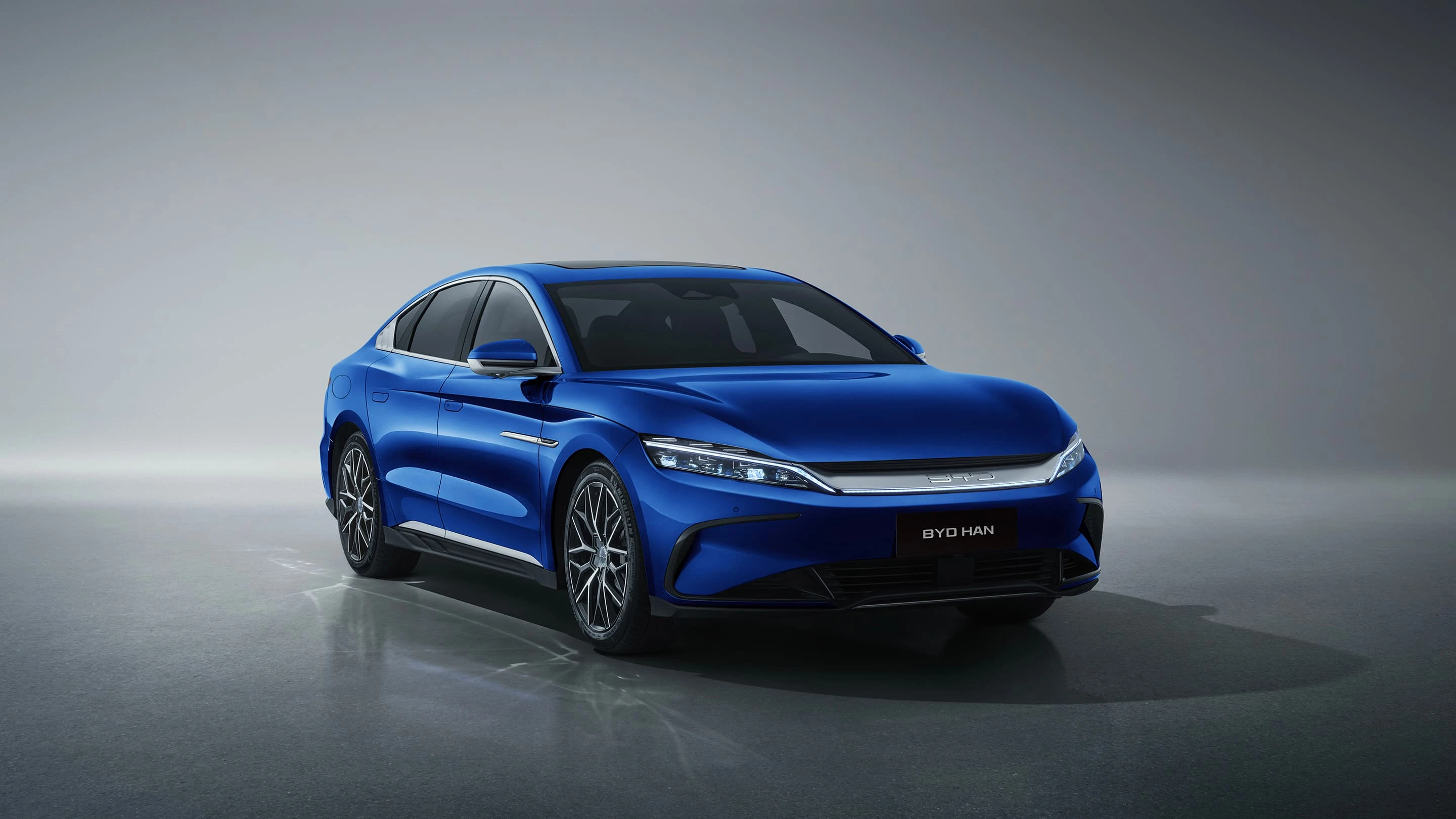
NIO Known for its premium electric vehicles and innovative battery swap technology, NIO has expanded beyond China into European markets, offering a unique ownership experience through its NIO Houses and comprehensive service ecosystem. 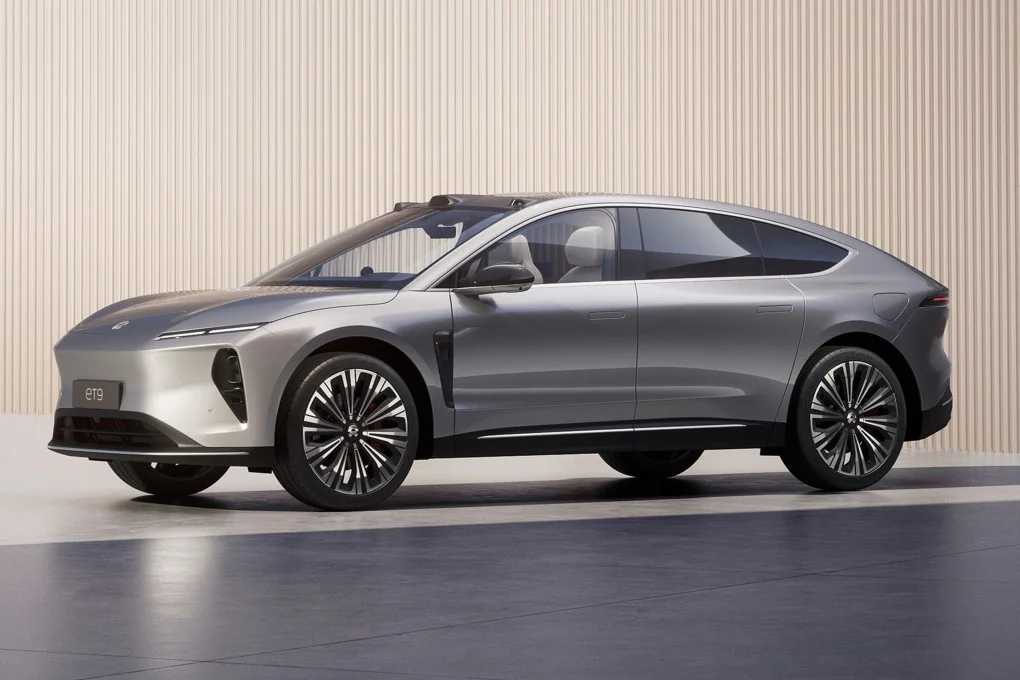
Xpeng Motors Xpeng focuses on smart electric vehicles with advanced autonomous driving capabilities. Their vehicles feature cutting-edge technology at competitive price points, making them attractive to tech-savvy consumers. 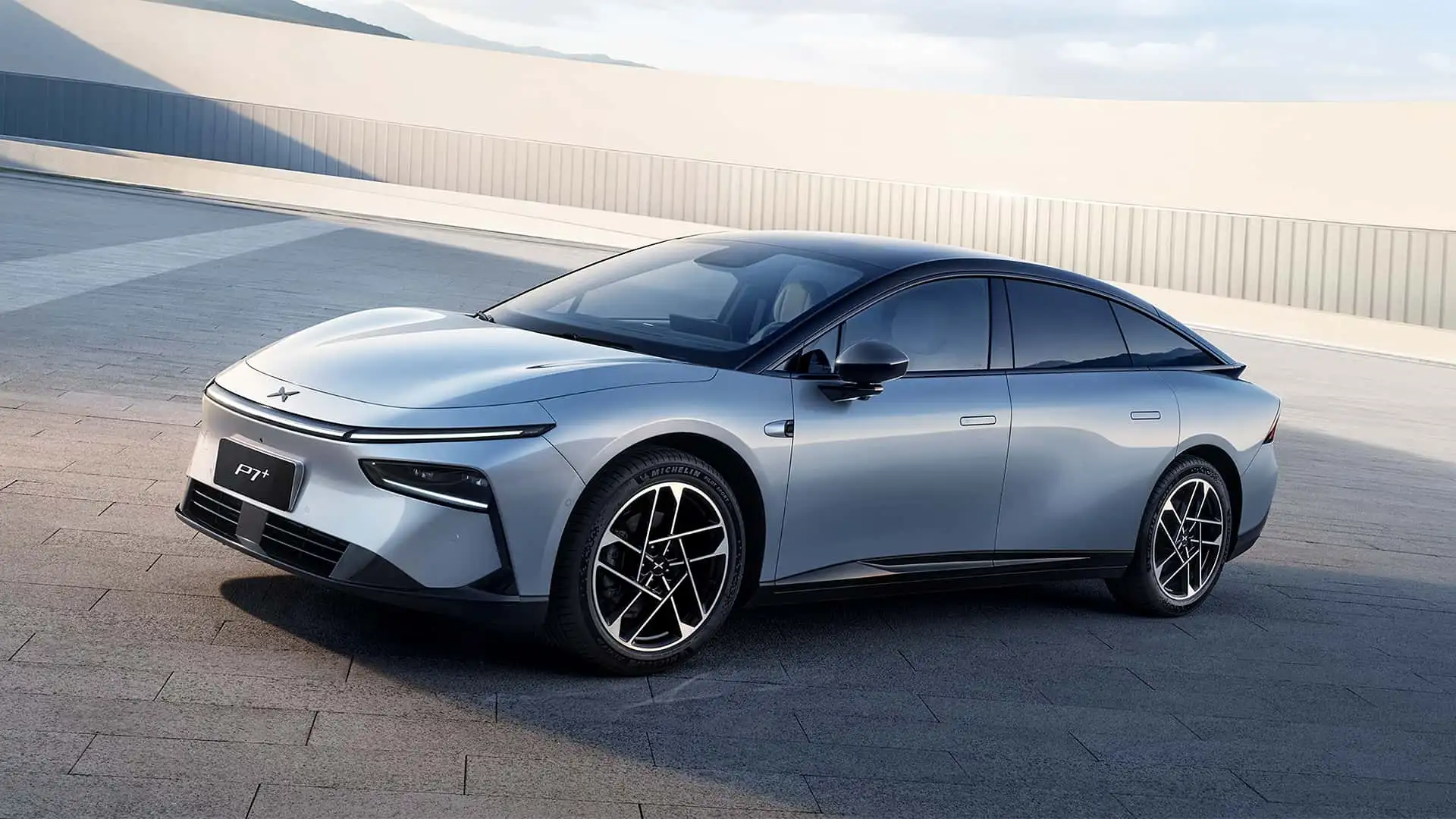
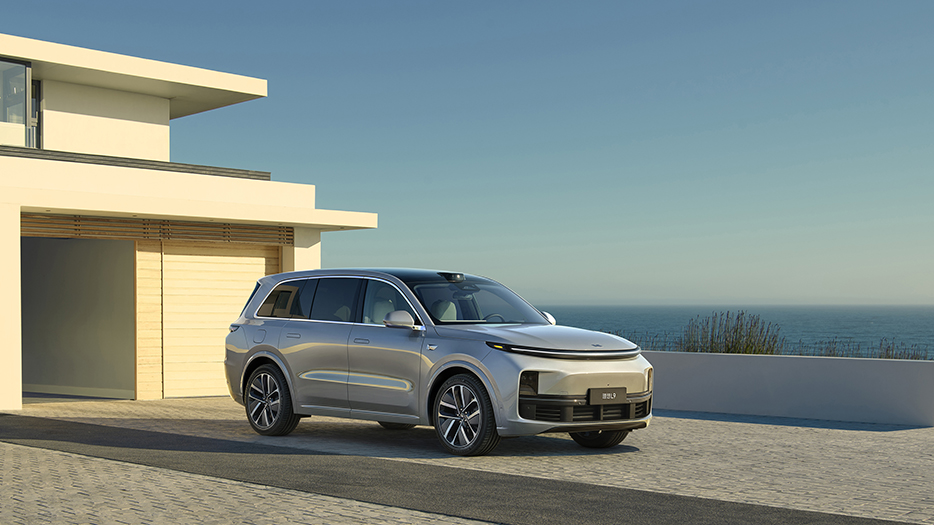
Li Auto (Li Xiang) Specializing in extended-range electric vehicles, Li Auto offers practical solutions for consumers concerned about charging infrastructure limitations.
American Emerging Brands
Rivian Focusing on electric trucks and delivery vehicles, Rivian has gained attention for its rugged, adventure-oriented electric vehicles and Amazon partnership.
Lucid Motors Positioned in the luxury segment, Lucid Motors offers high-performance electric sedans with industry-leading range and efficiency.
Fisker Returning to the market with the Ocean SUV, Fisker emphasizes sustainable materials and innovative design.
European Emerging Brands
Polestar A joint venture between Volvo and Geely, Polestar combines Scandinavian design with advanced electric technology.
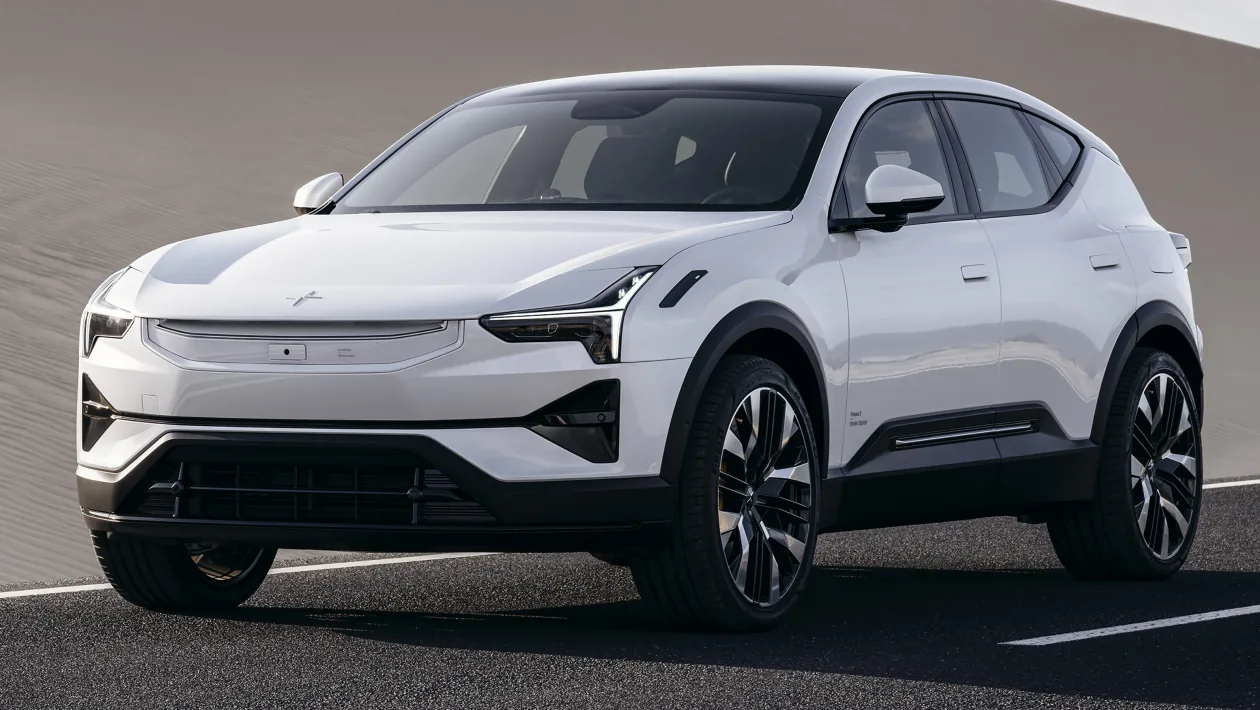
Rimac Croatian hypercar manufacturer known for extreme performance electric vehicles and advanced battery technology.
For those interested in exploring more budget-friendly options, you might want to check out top affordable China used car models for city driving, which includes several electric and hybrid options from emerging Chinese brands.
Types of Sales Models for Emerging EV Brands
Direct-to-Consumer Model
Many emerging electric vehicle brands have adopted direct-to-consumer sales models, bypassing traditional dealerships entirely. This approach offers several advantages:
Benefits of Direct Sales: - Transparent Pricing: No dealer markups or haggling - Consistent Experience: Standardized customer service across all locations - Better Margins: Higher profits allow for competitive pricing - Direct Feedback: Manufacturers receive unfiltered customer input - Control Over Brand Experience: Complete control over how vehicles are presented and sold
How Direct Sales Work: 1. Online Configuration: Customers build and price their vehicles online 2. Showroom Visits: Physical locations for viewing and test driving 3. Home Delivery: Many brands offer vehicle delivery to your location 4. Mobile Service: On-site maintenance and repairs when possible
Popular Direct-Sales Brands: - Tesla (the pioneer of this model) 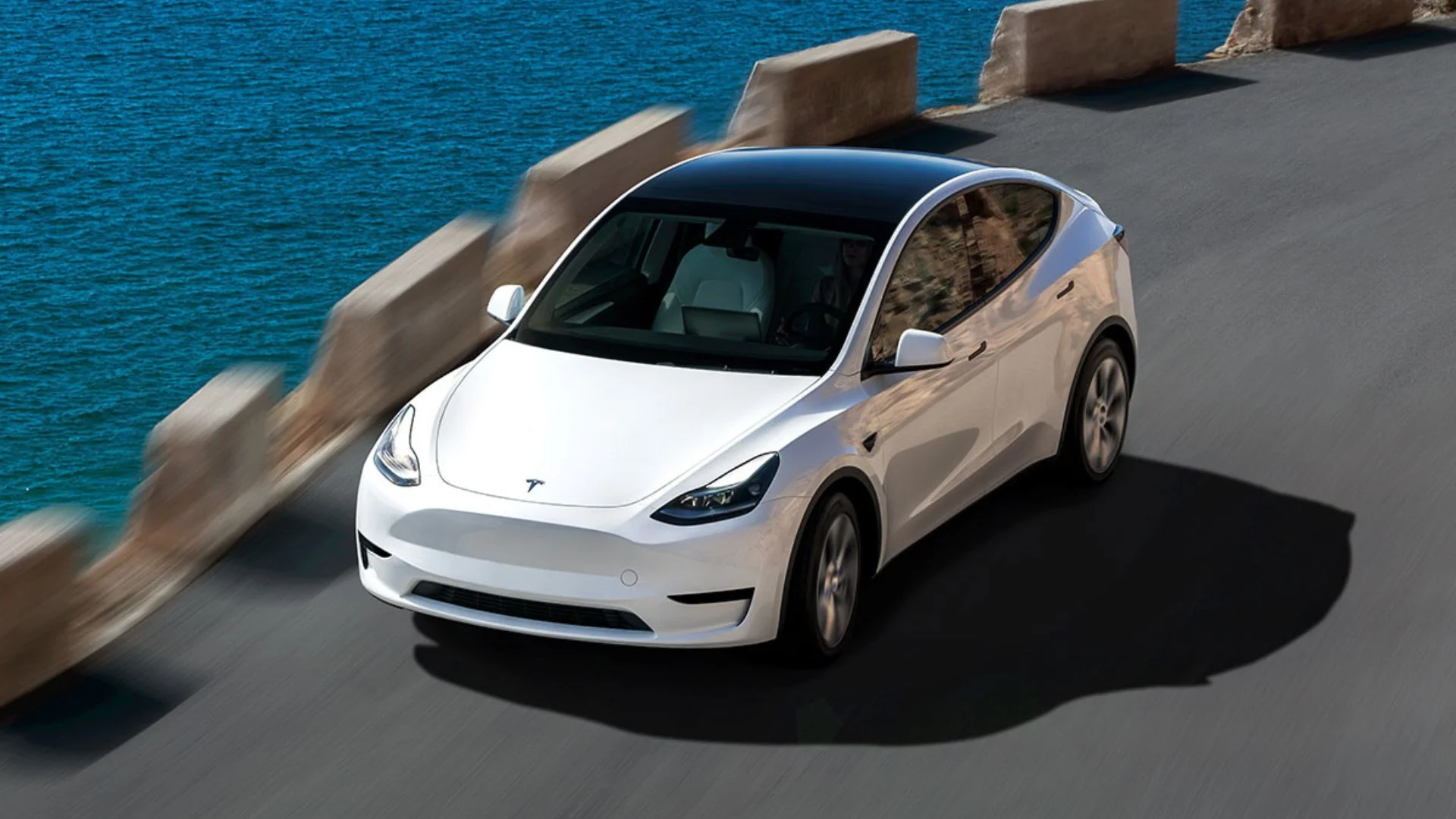
- Rivian - Lucid Motors - NIO (in some markets) - Polestar
Hybrid Dealership Model
Some emerging brands combine direct sales with selective dealership partnerships, offering customers multiple purchasing options.
Characteristics: - Limited Dealer Network: Fewer, carefully selected partners - Standardized Experience: Dealers must meet strict brand standards - Shared Responsibilities: Mix of manufacturer and dealer services - Regional Flexibility: Adapted to local market conditions
Traditional Dealership Model
Some emerging brands, particularly those with backing from established automakers, use traditional dealership networks.
Examples: - Genesis (Hyundai's luxury brand) - Polestar (in some markets) - Some Chinese brands entering international markets
How to Find Dealerships and Sales Centers
Official Brand Websites
The most reliable way to find authorized dealerships is through official brand websites. Most manufacturers provide dealer locator tools that allow you to:
Search by Location: - Enter your zip code or city - Set search radius preferences - Filter by services offered (sales, service, charging)
Get Detailed Information: - Contact details and hours of operation - Available inventory - Service capabilities - Charging infrastructure
Schedule Appointments: - Test drives - Service appointments - Consultations with specialists
Mobile Apps
Many emerging EV brands offer dedicated mobile applications that include dealer locator functionality along with other useful features:
Common App Features: - Store Locator: Find nearby showrooms and service centers - Inventory Search: Check available vehicles at specific locations - Appointment Scheduling: Book test drives and service appointments - Vehicle Configuration: Build and price your ideal vehicle - Account Management: Track orders and service history
Third-Party Platforms
Several online platforms aggregate information about electric vehicle dealerships and sales centers:
EV-Specific Platforms: - PlugInAmerica.org: Comprehensive EV resources including dealer information - EVAdoption.com: Market analysis and dealer network information - ChargeHub: Charging station locator that often includes nearby dealerships
General Automotive Platforms: - Cars.com: Includes emerging brand inventory and dealer information - AutoTrader: Comprehensive vehicle and dealer search capabilities - CarGurus: Price comparison and dealer ratings
Social Media and Online Communities
Emerging EV brands often maintain active social media presence and engage with online communities:
Official Social Media: - Facebook pages with location-specific information - Instagram stories featuring showroom visits - Twitter updates about new locations and events - LinkedIn for business and fleet information
Online Communities: - Reddit communities (r/electricvehicles, brand-specific subreddits) - Facebook groups for specific brands or regions - Tesla Motors Club and similar brand-specific forums - YouTube channels featuring dealership visits and reviews
Regional Availability and Expansion Plans
North American Market
United States: The US market has seen significant expansion of emerging EV brands, though availability varies by state due to different regulations regarding direct sales.
States with Strong EV Presence: - California: Leading in EV adoption with extensive charging infrastructure - Texas: Growing market despite direct sales restrictions for some brands - Florida: Increasing presence of luxury EV brands - New York: Strong urban market for electric vehicles - Washington: High EV adoption rates and supportive policies
Canada: Several emerging brands have established presence in major Canadian cities, with focus on: - Toronto and Greater Toronto Area - Vancouver and British Columbia - Montreal and Quebec (with French language support)
European Market
Key Markets: - Norway: Highest EV adoption rates globally, extensive brand presence - Germany: Major market for premium EV brands - Netherlands: Strong charging infrastructure and EV incentives - United Kingdom: Growing market post-Brexit with local partnerships - France: Increasing presence of Chinese brands
Expansion Strategies: - Partnership with local distributors - Establishment of regional headquarters - Compliance with EU regulations and standards - Investment in local charging infrastructure
Asian Markets
China: Home market for many emerging brands with extensive networks Japan: Selective entry due to strong domestic competition South Korea: Growing presence of international EV brands Southeast Asia: Emerging market with increasing EV adoption
What to Expect at Emerging Brand Dealerships
Showroom Experience
Emerging EV brand showrooms often differ significantly from traditional car dealerships:
Modern Design: - Minimalist Aesthetics: Clean, Apple Store-like environments - Interactive Displays: Touchscreens and digital presentations - Sustainable Materials: Eco-friendly construction and furnishing - Open Layout: Less cluttered than traditional dealerships
Technology Integration: - Virtual Reality: Experience vehicles in different configurations - Augmented Reality: Visualize customization options - Digital Configurators: Build your vehicle on large touchscreens - Charging Demonstrations: Live displays of charging technology
Educational Focus: - EV Education Centers: Learn about electric vehicle technology - Sustainability Exhibits: Information about environmental benefits - Technology Showcases: Demonstrations of autonomous driving and connectivity features
Sales Process
Consultation-Based Approach: Unlike traditional high-pressure sales tactics, emerging brands often emphasize education and consultation:
1. Needs Assessment: Understanding your driving patterns and requirements 2. Technology Explanation: Detailed overview of EV benefits and features 3. Customization Options: Exploring available configurations and upgrades 4. Financing Discussion: Various ownership and leasing options 5. Delivery Planning: Coordinating vehicle delivery and setup
Transparent Pricing: - Fixed Pricing: No haggling or dealer markups - Online Price Matching: Consistent pricing across all channels - Clear Fee Structure: Transparent documentation and delivery fees - Incentive Information: Help with federal, state, and local rebates
Test Drive Experience
Extended Test Drives: Many emerging brands offer longer test drive periods than traditional dealerships: - 24-48 Hour Loans: Take the vehicle home overnight - Weekend Test Drives: Experience the vehicle in various conditions - Different Route Options: City, highway, and parking scenarios - Charging Experience: Practice using different charging methods
Guided Experiences: - Technology Tutorials: Learn about infotainment and driver assistance features - Efficiency Coaching: Tips for maximizing range and performance - Charging Instruction: Hands-on experience with charging equipment - Mobile App Training: Setup and use of companion applications
Financing and Incentive Options
Manufacturer Financing
Many emerging EV brands offer competitive financing options:
Direct Lending: - Competitive Rates: Often better than traditional auto loans - Simplified Process: Streamlined approval and documentation - Flexible Terms: Various loan lengths and payment options - Online Management: Digital account management and payments
Leasing Programs: - Lower Monthly Payments: Attractive lease rates to encourage adoption - Upgrade Options: Easy transition to newer models - Maintenance Inclusion: Comprehensive service packages - Mileage Flexibility: Options for high-mileage drivers
Government Incentives
Federal Incentives: - Tax Credits: Up to $7,500 federal tax credit for eligible vehicles - Income Limits: Recent changes affecting high-income buyers - Manufacturing Requirements: Domestic content and assembly requirements - Battery Sourcing: Restrictions on battery materials from certain countries
State and Local Incentives: - Additional Rebates: State-specific cash rebates and tax credits - HOV Lane Access: Single-occupancy use of carpool lanes - Reduced Registration Fees: Lower annual vehicle registration costs - Charging Infrastructure: Home charging installation rebates
Utility Programs: - Time-of-Use Rates: Reduced electricity costs for EV charging - Demand Response: Payments for participating in grid management - Charging Equipment Rebates: Utility-sponsored home charger programs
Third-Party Financing
Banks and Credit Unions: - Competitive Rates: Shop around for best financing terms - Relationship Benefits: Better rates for existing customers - Local Service: Face-to-face support and service - Flexible Terms: Customized loan structures
Online Lenders: - Quick Approval: Fast online application and approval process - Competitive Rates: Often better than traditional lenders - Digital Management: Online account management and payments - Nationwide Service: Available regardless of location
Service and Maintenance Considerations
Service Network Development
Emerging EV brands face unique challenges in building service networks:
Mobile Service: Many brands offer mobile service for routine maintenance: - Home/Office Service: Technicians come to your location - Convenient Scheduling: Flexible appointment times - Routine Maintenance: Software updates, tire rotations, inspections - Minor Repairs: Many issues can be resolved on-site
Service Center Locations: - Urban Focus: Initial concentration in major metropolitan areas - Expansion Plans: Gradual rollout to secondary markets - Partner Networks: Relationships with independent service providers - Training Programs: Certification for third-party technicians
Warranty and Support
Comprehensive Warranties: Emerging brands often offer extensive warranty coverage: - Vehicle Warranty: Typically 4-8 years or 50,000-100,000 miles - Battery Warranty: Often 8-10 years or 100,000-150,000 miles - Software Updates: Ongoing over-the-air improvements - Roadside Assistance: 24/7 support for emergencies
Customer Support: - 24/7 Hotlines: Round-the-clock technical support - Online Chat: Real-time assistance through websites and apps - Video Support: Remote diagnosis and troubleshooting - Community Forums: Peer-to-peer support and information sharing
Tips for Shopping at Emerging Brand Dealerships
Research Before You Visit
Brand Research: - Company Background: Understanding the manufacturer's history and financial stability - Technology Focus: Key innovations and competitive advantages - Market Position: How the brand compares to competitors - Future Plans: Upcoming models and technology developments
Model Research: - Specifications: Range, performance, and feature comparisons - Reviews: Professional and owner reviews from multiple sources - Reliability Data: Available information on long-term performance - Resale Values: Projected depreciation and market acceptance
Incentive Research: - Current Offers: Manufacturer incentives and promotions - Government Programs: Federal, state, and local rebates - Utility Programs: Local electricity provider incentives - Timing Considerations: Seasonal variations in incentive availability
Questions to Ask
About the Vehicle: - What is the real-world range in various driving conditions? - How long does charging take with different charging methods? - What software updates and new features can I expect? - What are the maintenance requirements and costs? - How does the warranty compare to competitors?
About the Brand: - What are the expansion plans for service locations? - How is parts availability and service training progressing? - What is the company's financial stability and backing? - How does the brand handle recalls and technical issues? - What is the roadmap for future model releases?
About Local Support: - Where is the nearest service center? - What mobile service options are available? - How quickly can service appointments be scheduled? - What loaner vehicle options exist during service? - Are there local charging infrastructure partnerships?
Negotiation Strategies
Fixed Pricing Models: Many emerging brands use fixed pricing, but there may still be room for negotiation: - Trade-In Values: Negotiate the value of your current vehicle - Financing Terms: Compare manufacturer financing with other options - Accessories and Options: Potential discounts on add-on features - Delivery Fees: Some flexibility in delivery and documentation charges
Timing Considerations: - End of Quarter/Year: Manufacturers may offer additional incentives - New Model Introductions: Previous model year discounts - Regional Promotions: Location-specific offers and events - Inventory Management: Deals on specific colors or configurations
Future Trends and Considerations
Expanding Dealer Networks
Growth Projections: As emerging EV brands mature, expect significant expansion of their retail presence: - Secondary Markets: Expansion beyond major metropolitan areas - Rural Coverage: Increased focus on underserved regions - Service Density: More service locations to reduce travel distances - Charging Integration: Co-location with charging infrastructure
Partnership Models: - Existing Dealer Groups: Partnerships with established automotive retailers - Multi-Brand Locations: Shared facilities for multiple EV brands - Retail Integration: Presence in shopping centers and malls - Corporate Partnerships: Integration with fleet and commercial sales
Technology Integration
Enhanced Digital Experience: - Virtual Showrooms: Immersive online vehicle exploration - Augmented Reality: Home-based vehicle visualization - AI-Powered Assistance: Intelligent customer service and support - Blockchain Integration: Transparent vehicle history and ownership records
Autonomous Delivery: - Self-Driving Delivery: Vehicles that deliver themselves to customers - Drone Inspections: Automated vehicle condition assessments - Robotic Service: Automated maintenance and charging systems
Market Consolidation
Industry Evolution: The emerging EV brand landscape will likely see significant changes: - Mergers and Acquisitions: Consolidation among smaller brands - Partnership Alliances: Strategic collaborations for market expansion - Technology Sharing: Cross-brand platform and component sharing - Market Specialization: Brands focusing on specific niches or segments
Conclusion
Finding dealerships for affordable electric cars from emerging brands requires a different approach than traditional car shopping. The landscape is rapidly evolving, with new brands entering the market and existing ones expanding their presence. Success in this market depends on understanding the various sales models, knowing where to look for information, and being prepared for a different kind of automotive retail experience.
The key to success is thorough research, patience, and flexibility. Emerging brands often offer compelling value propositions, cutting-edge technology, and innovative ownership experiences, but they may also come with considerations around service availability and long-term support. By understanding these factors and following the guidance in this article, you can navigate the emerging EV brand landscape effectively and find the right vehicle and dealer for your needs.
As the electric vehicle market continues to mature, we can expect to see continued expansion of dealer networks, improvement in service availability, and evolution of the customer experience. The brands that succeed will be those that can balance innovation with reliability, technology with service, and growth with sustainability.
Whether you're drawn to the cutting-edge technology of Chinese brands, the rugged capability of American startups, or the refined approach of European manufacturers, there are more options than ever for finding affordable electric vehicles from emerging brands. The key is knowing where to look, what to expect, and how to make the most of this exciting and rapidly evolving market.
---