
Best Budget Electric Vehicles to Buy from China Used Car Market in 2026
As more countries accelerate their transition to new energy mobility, used electric vehicles with reasonable cost, transparent condition, and stable supply are becoming a practical sourcing option for global dealers and importers. For buyers who want to control inventory risk, test local demand, or serve ride-hailing fleets, city commuters, and entry-level retail customers, China’s used car export market remains highly relevant in 2026.
China offers several advantages in this segment: a mature EV supply chain, large domestic ownership volume, growing exporter experience, and increasingly standardized processes for inspection, refurbishment, documentation, and shipping. For B2B buyers searching terms like “Best budget EV from China” or “Cheap Chinese electric cars,” the real goal is not simply to find the lowest sticker price. It is to find EVs that make sense in terms of total cost of ownership, resale speed, battery reliability, and import compliance.
A budget EV for international trade should usually meet four practical conditions. First, the acquisition cost should be manageable for the target market. Second, the battery condition and actual use history should be verifiable. Third, service information and replacement parts should be relatively accessible. Fourth, the model should have enough acceptance in the destination market to support retail or wholesale turnover. This is why mainstream brands such as BYD, GAC Aion, MG, Wuling, and Chery often deserve more attention than overly niche models.
In this guide, we look at how overseas buyers can identify value-focused used EVs from China in 2026, what to inspect before exporting, and how to build a safer purchasing strategy for long-term business. If you want to review currently available units first, you can Browse Inventory.
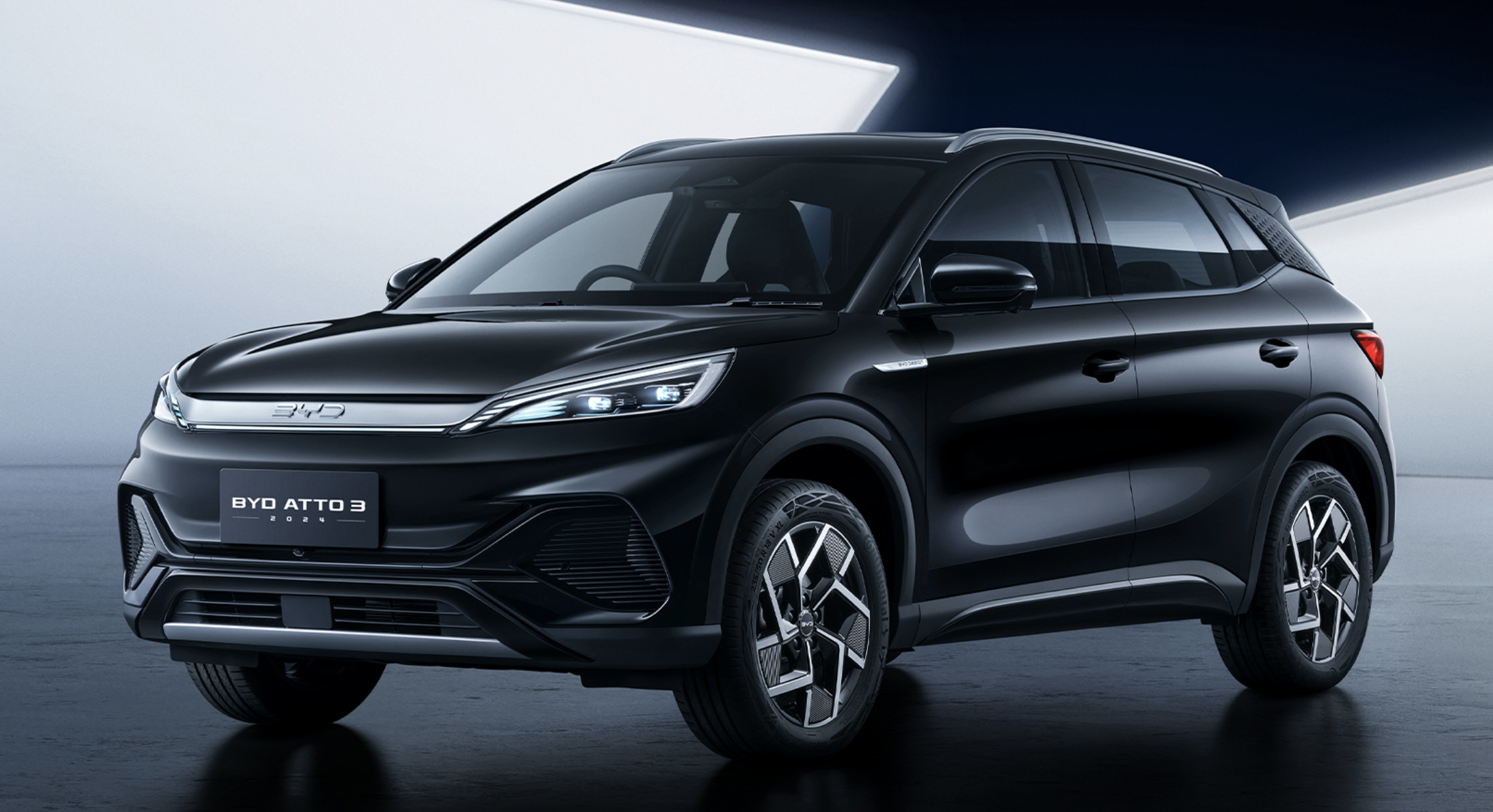
Which Types of Budget EVs from China Make the Most Sense in 2026
When sourcing budget electric vehicles, importers should avoid focusing on one model too early. A better approach is to classify vehicles by end-use scenario, target customer type, and after-sales practicality. In China’s used EV market, three categories are especially worth attention.
1. Small urban EVs for entry-level demand
Compact city EVs are often the first category people think of when discussing cheap Chinese electric cars. These models are small, energy-efficient, and relatively accessible from a procurement perspective. They can work well in dense urban markets, short-distance commuting environments, and dealership networks that want to test EV retail without taking on high-value inventory at the start.
Examples often discussed in this category include the Wuling Hongguang MINI EV, Changan Lumin, and Chery QQ Ice Cream. These vehicles attract attention because they are easy to position as practical mobility products rather than full-size family cars.
However, importers should not assume that a low-cost small EV automatically means low-risk business. In some countries, regulations on safety equipment, seat belts, lighting, speed capability, or crash-related specifications may limit what can be imported or registered. Before purchasing this segment, buyers should always confirm destination-market compliance and customer expectations.
2. Mainstream compact EVs for broader resale potential
If your market values usable range, cabin space, and all-around practicality, mainstream compact EVs often provide a stronger business case than ultra-low-cost microcars. Models such as the BYD Dolphin, BYD Yuan Pro, BYD Yuan Plus, and GAC Aion Y are frequently more attractive for consistent overseas sales because they combine recognizable branding, better utility, and wider customer appeal. 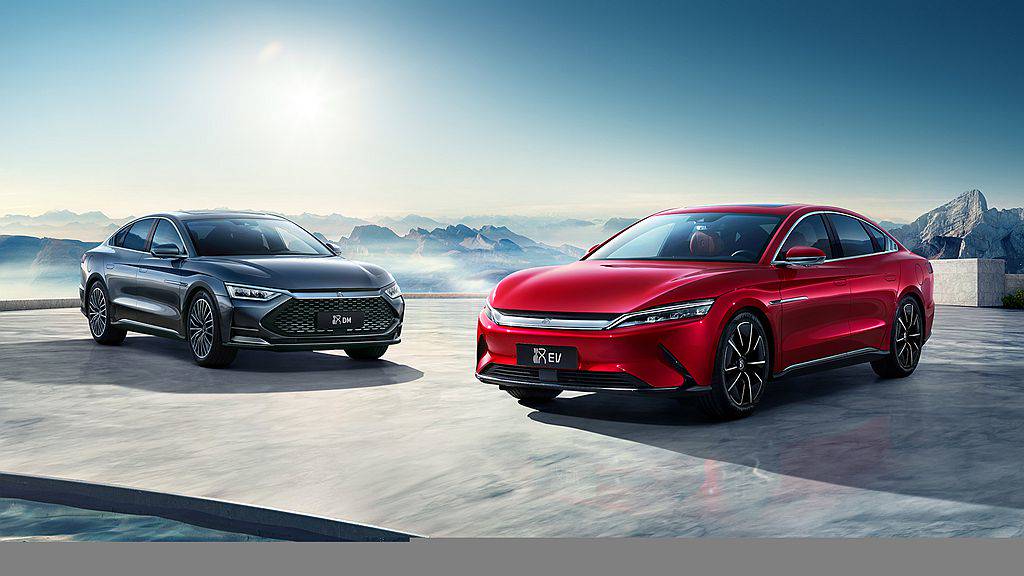 For B2B buyers, these vehicles may support a more sustainable business model. They can appeal to families, first-time EV owners, ride-hailing drivers, small business users, and even some fleet operators. While the upfront purchase cost is usually higher than for mini EVs, the resale audience is often larger and easier to develop.
Another advantage is supply continuity. Since these models generally have stronger ownership volume in China, importers may find it easier to source follow-up units with similar year, trim, and condition. That consistency matters when you want to build a repeatable product line rather than rely on one-off deals.
3. Practical EVs for fleets and operating use
Not every importer serves retail buyers. Some are focused on mobility companies, taxi operators, corporate transport, or urban delivery fleets. In these cases, the purchasing criteria shift toward durability, charging convenience, maintenance cost, and condition consistency across multiple units.
Models such as the BYD Qin EV and GAC Aion S are often considered in this context because they are more practical for daily use and may be easier to standardize in batch procurement. For fleet-oriented business, a slightly higher procurement cost can still make sense if the vehicles are easier to manage, maintain, and remarket later.
If you plan to buy several units of the same model, prioritize sources with similar production year, mileage range, and trim level. Standardization helps with refurbishment planning, spare parts preparation, pricing structure, and customer communication. 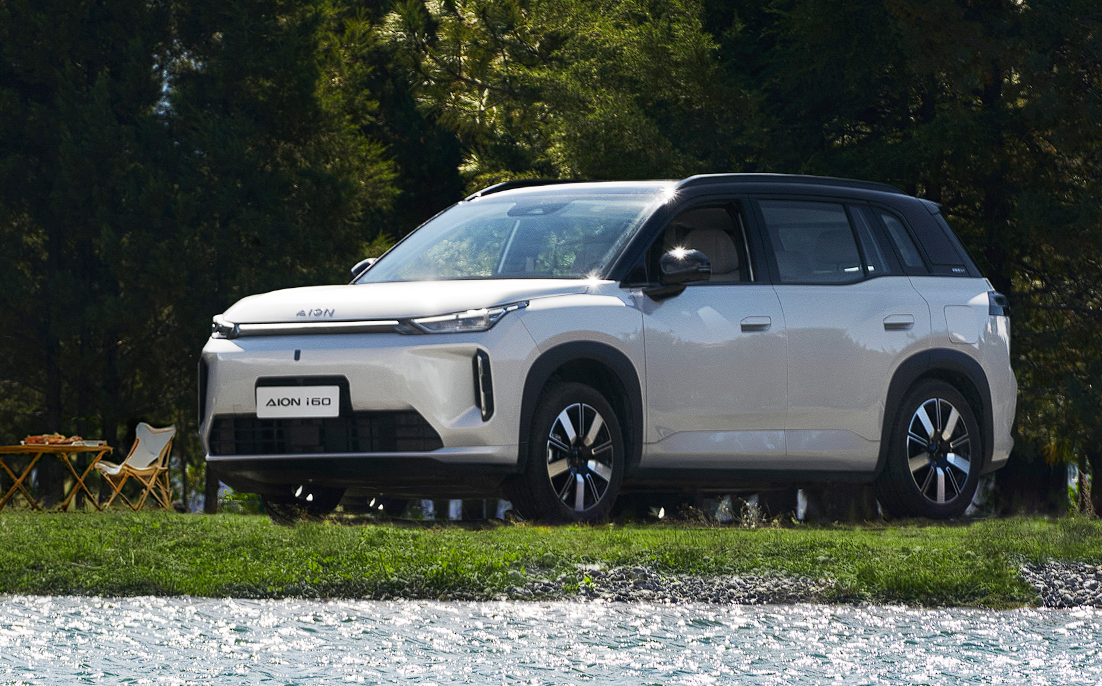
What Overseas Buyers Should Check Before Buying Cheap Chinese Electric Cars
The phrase “cheap Chinese electric cars” can be misleading if buyers focus only on visible price. In reality, successful sourcing depends more on battery transparency, inspection standards, and export execution than on headline affordability. These are the areas that deserve the most attention.
Battery health and real-world usability
The battery is the core value component of a used EV. Overseas buyers should request verifiable battery-related information, including dashboard range behavior, charging performance, diagnostic data when available, and any known history of battery repair or replacement. Different brands and model years present battery information in different ways, so the inspection process should be handled by teams familiar with new energy vehicles.
A vehicle that looks inexpensive on paper may become costly after arrival if it has visible battery degradation, unstable cold-weather performance, or charging compatibility issues in the destination country. That is why “budget” should never mean “unverified.”
Condition inspection and accident screening
In China’s used car export business, standardized inspection is becoming more important every year. For budget EVs, key checks should include body structure, chassis condition, electric drive system, evidence of water damage, charging port status, tire wear, and interior usage condition. This is particularly important for ex-fleet or high-mileage vehicles, which may look attractive from a cost standpoint but carry heavier wear.
Importers should ask for detailed photos, walkaround videos, dashboard images, and inspection reports from the exporter or an independent party where possible. If multiple units are sourced in the same batch, it is wise to apply the same inspection template to all of them. That helps reduce quality variance when the shipment arrives.
Export documents, logistics, and destination compliance
Used EV export is not just about loading cars onto a vessel. Different markets have different rules for vehicle age, steering configuration, charging standards, shipping declarations, battery-related transport handling, and customs documentation. A model that is popular in China is not automatically suitable for every destination market.
Before confirming a purchase, buyers should clarify the following:
- Whether used EV imports from China are allowed in the destination country - Whether there are restrictions related to model year, mileage, or brand - Which export and customs documents are required - Whether the charging interface is workable in the local market - Whether container shipping or Ro-Ro is more suitable for the shipment plan
Working with a supplier that understands used car export procedures can help reduce delays caused by incomplete documents or mismatched regulatory expectations. If you need support on process details, feel free to Contact Us.
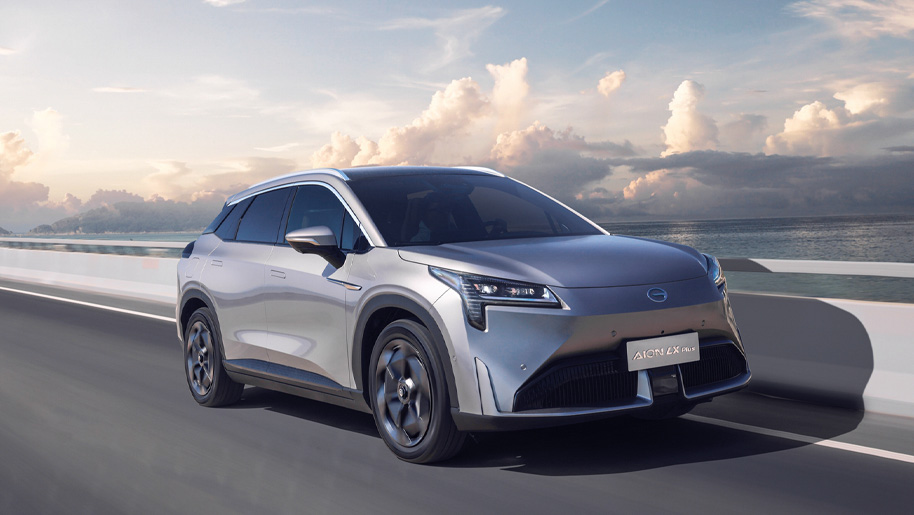
How to Build a More Reliable 2026 Sourcing Strategy
In 2026, buying used EVs from China should be approached as a supply-chain decision, not only as a price negotiation. The strongest importers usually think in terms of inventory mix, customer fit, service capability, and repeatability.
Start with a small trial batch
For dealers importing Chinese EVs for the first time, a small pilot shipment is often the safest way to begin. A batch of a few units can help test local acceptance for vehicle size, expected range, brand perception, charging convenience, and retail price positioning. Based on the sales outcome, you can decide whether to continue with micro EVs, move into mainstream compact models, or diversify the lineup.
This approach also helps your team understand inspection standards, import procedures, and customer questions before scaling up.
Prioritize brands and models with stronger market volume
Well-known brands such as BYD and other established Chinese EV manufacturers usually deserve priority because stronger ownership volume often means better parts access, broader technical familiarity, and more stable supply. This is especially important for importers who want to build continuity rather than chase isolated bargain units.
Depending on your market, it may also be worth evaluating hybrid or plug-in hybrid options alongside battery EVs. In regions where charging infrastructure is still developing, a mixed new energy inventory strategy can sometimes reduce risk.
Standardize inspection, refurbishment, and shipment workflow
A mature B2B purchasing process is not based on chasing the lowest listed offer. It is based on a repeatable standard: sourcing criteria, inspection checklist, photo and video template, refurbishment scope, pre-shipment review, document verification, and logistics milestones.
The clearer the process, the easier it becomes to compare vehicles, manage batches, and communicate with downstream buyers. In the budget EV segment, a stable and traceable workflow often creates more commercial value than a slightly lower unit cost.
If you are evaluating used electric vehicles for export from China, you can start by visiting Browse Inventory to review available options by brand, budget, and application.
FAQ
1. Which overseas markets are suitable for used EVs from China?
They are often suitable for markets with growing urban commuting demand, rising fuel costs, and increasing acceptance of entry-level EVs. However, suitability depends on local import policy, charging infrastructure, after-sales capability, and customer trust in Chinese brands.
2. What is the biggest risk when buying cheap Chinese electric cars?
In many cases, the biggest risk is not cosmetic condition but lack of transparency around battery health, accident history, water damage, or import compliance. That is why inspection quality and export process control matter so much.
3. Which brands are worth watching for budget EV sourcing in 2026?
BYD, Wuling, GAC Aion, and Chery are among the brands often considered because of their domestic market presence and stronger discussion in export channels. The best choice still depends on your target market, budget range, and compliance requirements.
Conclusion
China’s used car market is expected to remain an important sourcing base for value-focused EV procurement in 2026. But the best budget EV is not simply the cheapest one available. It is the one with verifiable condition, manageable logistics, workable compliance, and a realistic fit for your local market.
If you are looking for practical used EV options for export, visit Browse Inventory to explore available stock, or Contact Us to discuss your sourcing plan with the WinMinCar team. We can help you evaluate models, inspection priorities, logistics considerations, and export readiness for your market.