
800V High-Voltage Platforms vs. 400V: It's More Than Just Charging Speed—It's a Generational Gap
When shopping for a Chinese electric vehicle in the international used car market, you'll frequently encounter terms like "800V platform" and "400V architecture." Most buyers assume this is simply about faster charging—plug in an 800V vehicle, charge quicker, and get back on the road. While that's partially true, the reality is far more complex and consequential for your purchasing decision.
The voltage architecture of an EV represents a fundamental technological divide that affects everything from charging infrastructure compatibility to long-term maintenance costs, resale value, and even insurance premiums. Understanding this distinction is crucial whether you're sourcing affordable Chinese used cars or investing in premium models for export.
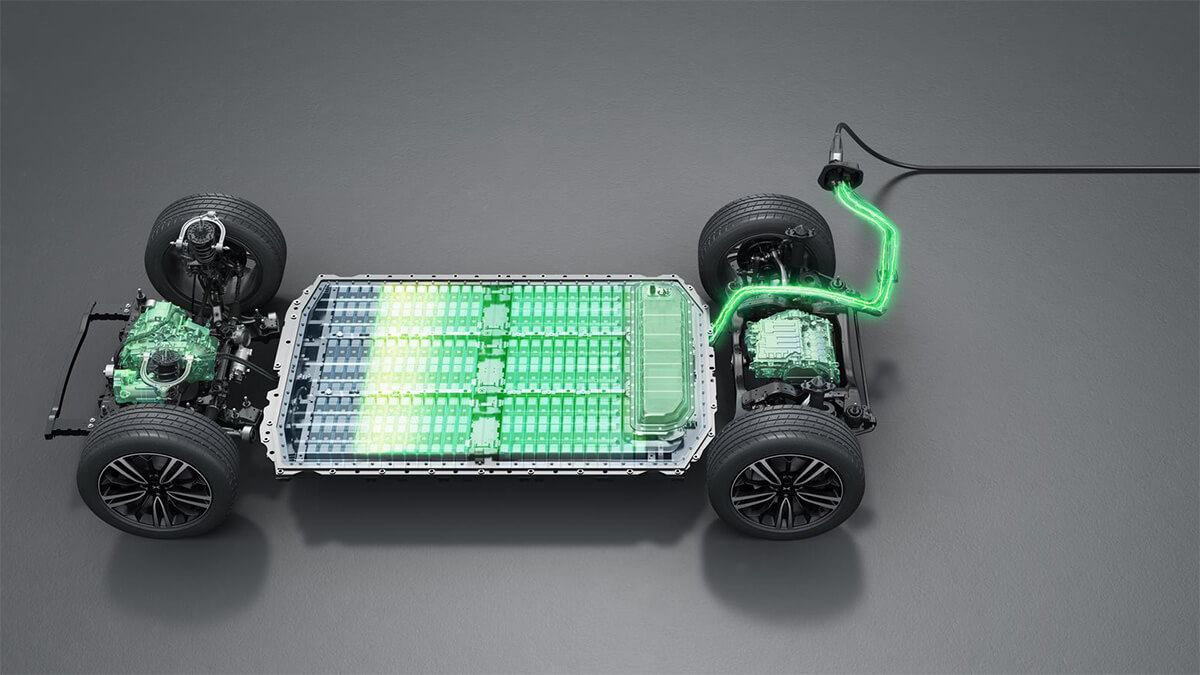
The Technical Foundation: What Voltage Really Means
400V Platform Basics
The 400V architecture has been the industry standard since the early days of modern EVs. Pioneered by Tesla and adopted by virtually every major manufacturer, it operates at a nominal voltage of 400V (typically ranging from 350V to 450V depending on battery state of charge).
Key Characteristics: - Battery pack: 96-108 cells in series (for typical lithium-ion chemistry) - Maximum charging power: 150-250kW (with advanced cooling) - Cable thickness: Substantial copper required for high-current delivery - Component costs: Mature supply chain, lower prices - Heat generation: Significant thermal management challenges at high power
800V Platform Revolution
The 800V platform, championed by BYD, Porsche, Hyundai, and Kia, represents a paradigm shift. Operating at nominal 800V (700V-900V range), it fundamentally changes the electrical architecture.
Key Characteristics: - Battery pack: 192-216 cells in series - Maximum charging power: 250-350kW (some reaching 480kW) - Cable thickness: Significantly reduced due to lower current - Component costs: Currently premium, rapidly declining - Heat generation: Substantially reduced at equivalent power levels
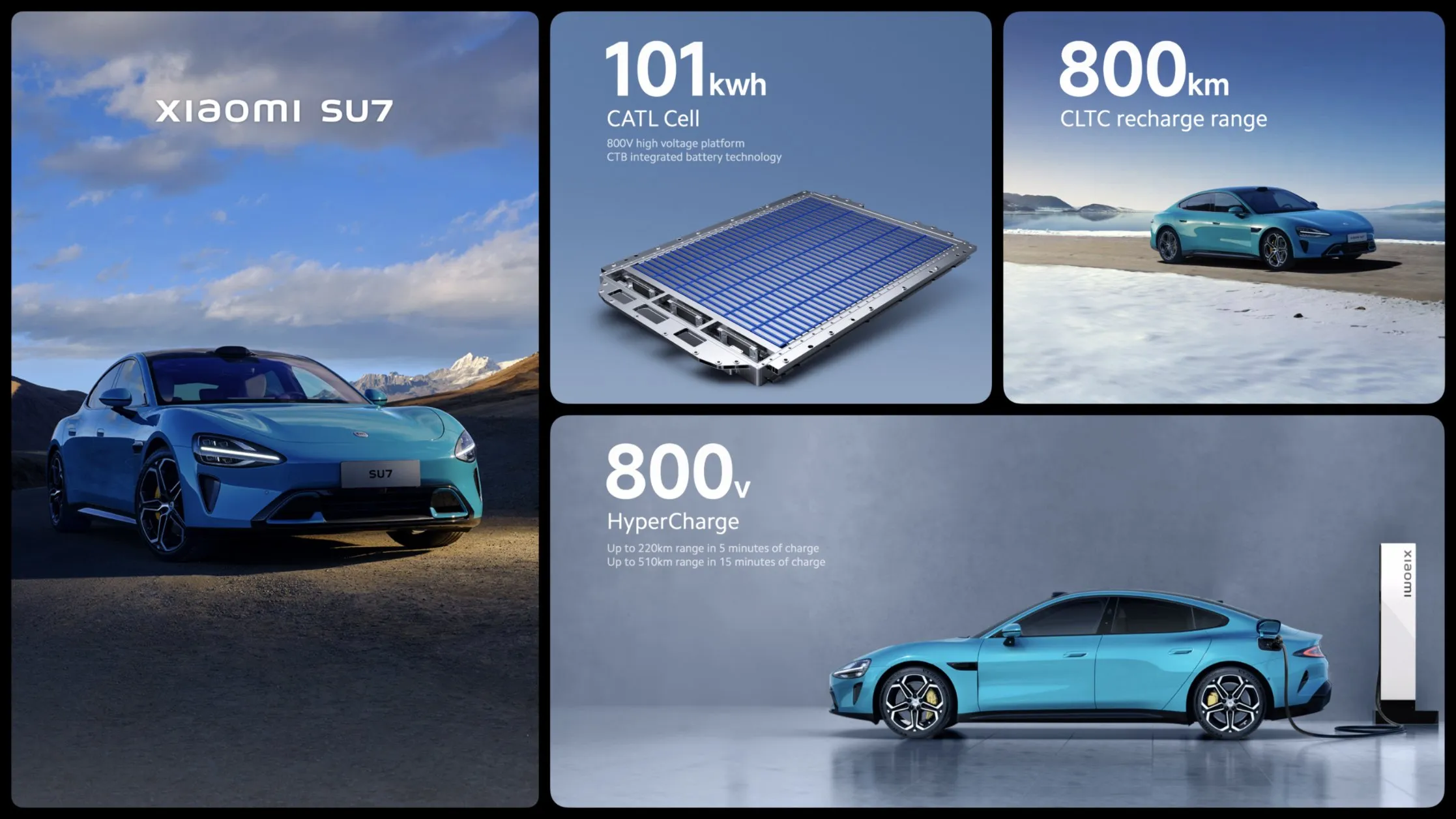
Beyond Charging Speed: The Real Advantages
1. Electrical Efficiency Gains
The most misunderstood benefit of 800V systems isn't charging speed—it's efficiency during normal driving.
Physics Explanation: Power loss in electrical systems follows the formula: P_loss = I²R (current squared times resistance)
At the same power output: - 400V system at 100kW: 250A current → significant heat loss - 800V system at 100kW: 125A current → 75% less heat loss
Real-World Impact: - 2-4% better energy efficiency in city driving - 5-7% better efficiency at highway speeds - Reduced cooling system load (smaller radiators, less fan usage) - Extended component lifespan due to lower thermal stress
2. Weight and Space Optimization
Lower current requirements enable dramatic weight savings:
Cable Weight Reduction: - 400V system: ~45kg of copper cabling - 800V system: ~25kg of copper cabling - Savings: 20kg (equivalent to a passenger)
Component Miniaturization: - Inverter size: 30-40% smaller - DC-DC converter: 25% lighter - Onboard charger: More compact design - Thermal management: Smaller heat exchangers
For a mid-size sedan, total weight savings can reach 50-70kg, directly improving efficiency and handling.
3. Motor Performance Enhancement
800V architecture enables more sophisticated motor designs:
Higher RPM Capability: - 400V motors: typically limited to 16,000-18,000 RPM - 800V motors: can reach 20,000-23,000 RPM - Result: Smaller, lighter motors with equivalent power
Torque Delivery: - Faster magnetic field switching - More precise torque vectoring - Better low-speed response - Improved high-speed efficiency
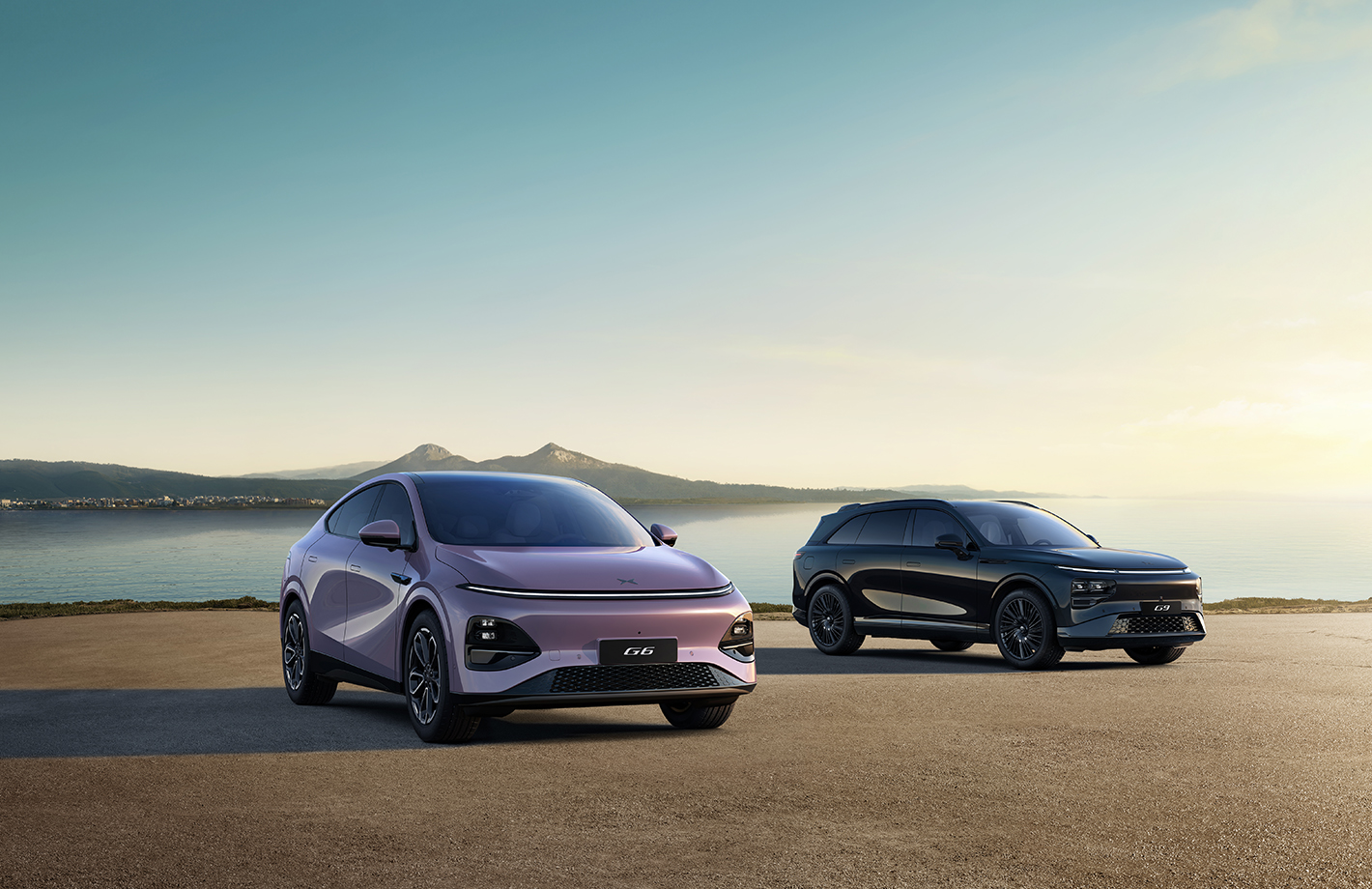
Example: XPeng G9 with 800V platform achieves 0-100km/h in 3.9 seconds with a smaller motor than equivalent 400V competitors.
The Charging Infrastructure Reality Check
Current Global Charging Landscape
400V Dominance (2026): - 95% of public chargers globally - Universal compatibility - Mature technology - Predictable performance
800V Infrastructure (2026): - 15% of new installations in China - 8% in Europe - 3% in North America - Concentrated in urban corridors
Backward Compatibility Challenges
Here's where it gets complicated for buyers:
800V Vehicle on 400V Charger: - Requires onboard voltage converter - Charging speed limited to 400V maximum (typically 150kW) - Adds cost (~$800-1,200) and weight (~15kg) - Not all 800V vehicles include this converter
400V Vehicle on 800V Charger: - Charger must step down voltage - Most modern 800V chargers support this - Charging speed limited by vehicle's 400V architecture - No issues, but you're not utilizing the infrastructure
Regional Infrastructure Development
China (Leading): - 800V chargers: 50,000+ units (2026) - Concentrated in: Beijing, Shanghai, Guangzhou, Shenzhen - Highway coverage: 60% of major routes - Target: 200,000 units by 2028
Europe (Growing): - 800V chargers: 12,000+ units - Concentrated in: Germany, Netherlands, Norway - Highway coverage: 25% of major routes - Target: 80,000 units by 2028
North America (Emerging): - 800V chargers: 3,500+ units - Concentrated in: California, Texas, Florida - Highway coverage: 10% of major routes - Target: 40,000 units by 2028
Brand-Specific Implementation Analysis
BYD's Approach
BYD has taken a pragmatic dual-platform strategy:
800V Models: - Yangwang U8, U9 (luxury segment) - Han EV (2024+ models) - Tang EV (premium variants)
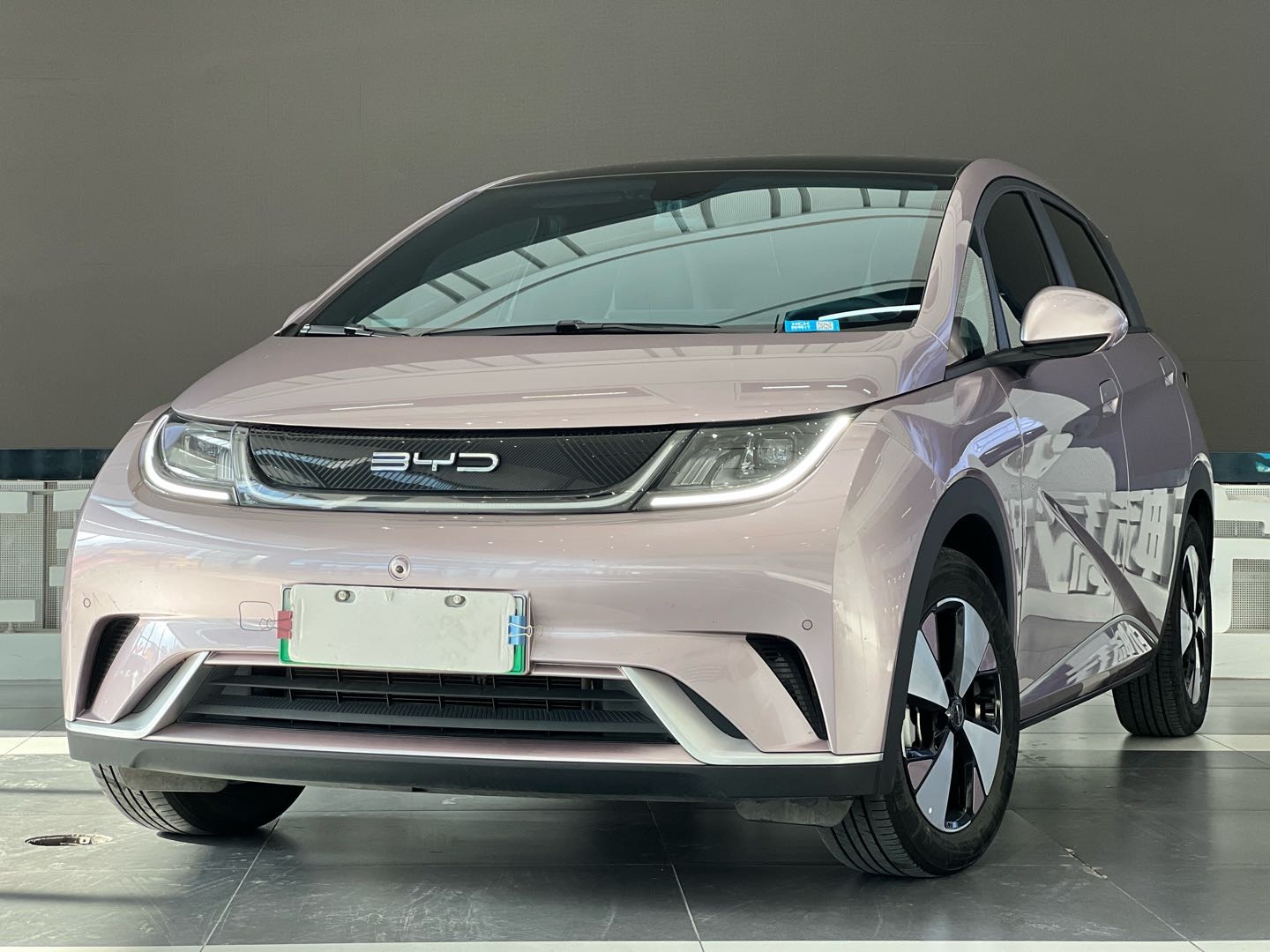
400V Models: - Dolphin, Seal (mass market) - Atto 3 (global markets) - Song Plus EV
Strategy Rationale: - 800V for premium/performance positioning - 400V for cost-sensitive markets - Blade Battery compatible with both architectures
XPeng's Commitment
XPeng has aggressively adopted 800V across its lineup:
Full 800V Range: - G9 (flagship SUV) - G6 (mid-size SUV) - P7i (updated sedan)
Advantages: - Consistent brand experience - Simplified manufacturing - Future-proof positioning
Challenges: - Higher entry costs - Infrastructure dependency in export markets
NIO's Hybrid Solution
NIO uses battery swapping to sidestep voltage limitations:
Flexible Architecture: - Vehicles accept both 400V and 800V battery packs - Swap stations provide optimal pack for route - Charging infrastructure less critical
Innovation: - 500kW ultra-fast charging (800V packs) - 180kW fast charging (400V packs) - Seamless user experience regardless of infrastructure
Li Auto's Pragmatic Choice
Li Auto has stuck with 400V for its EREV (Extended Range Electric) vehicles:
Reasoning: - Smaller battery packs (40-50kWh) - Charging speed less critical (range extender backup) - Cost optimization priority - Wider infrastructure compatibility
Cost Analysis: Total Ownership Perspective
Purchase Price Premium
New Vehicle (2026 China Market): - 400V mid-size sedan: ¥200,000-280,000 - 800V equivalent: ¥230,000-320,000 - Premium: 15-20%
Used Vehicle (1-2 years old): - 400V depreciation: 25-30% - 800V depreciation: 20-25% - Better value retention for 800V
Charging Cost Comparison
Annual Charging Costs (20,000km/year):
400V Vehicle: - Public fast charging: ¥3,200 - Home charging: ¥1,800 - Time cost (waiting): ¥800 equivalent - Total: ¥5,800
800V Vehicle: - Public ultra-fast charging: ¥3,600 - Home charging: ¥1,800 - Time cost (waiting): ¥300 equivalent - Total: ¥5,700
Note: 800V premium charging rates offset by time savings
Maintenance Implications
400V Systems: - More frequent cooling system service - Higher thermal stress on components - Battery degradation: 8-10% over 5 years - Inverter replacement: 0.5% annual failure rate
800V Systems: - Less cooling system maintenance - Lower component stress - Battery degradation: 6-8% over 5 years - Inverter replacement: 0.3% annual failure rate
5-Year Maintenance Cost Difference: ~¥4,000-6,000 savings for 800V
Export Market Considerations
Destination Infrastructure Assessment
Before Purchasing for Export, Verify:
1. Target Market Charging Network: - What percentage of chargers support 800V? - Are major highways covered? - Urban vs. rural availability?
2. Voltage Converter Availability: - Does the specific model include 400V compatibility? - Can it be retrofitted? - Cost and availability of parts?
3. Regulatory Compliance: - Are 800V systems certified in destination country? - Any voltage-specific safety requirements? - Insurance implications?
Best Markets for 800V Vehicles (2026)
Tier 1 (Ready Now): - South Korea - Singapore - UAE - Germany - Netherlands
Tier 2 (Developing): - Australia (major cities) - UK - France - Japan (limited) - California, USA
Tier 3 (Challenging): - Southeast Asia (except Singapore) - Eastern Europe - South America - Africa - Rural North America
Future-Proofing Your Investment
2026-2030 Outlook
Infrastructure Expansion: - 800V chargers will grow from 15% to 45% globally - China will reach 60% coverage by 2028 - Europe will hit 40% by 2029 - North America will reach 25% by 2030
Vehicle Production: - 800V will become standard for premium segments (>$40,000) - 400V will remain dominant in budget segment (<$25,000) - Mid-range ($25,000-40,000) will transition to 800V by 2028
Technology Evolution: - 1000V systems emerging (Lotus, Lucid) - Solid-state batteries may require higher voltages - Wireless charging favors higher voltage - Vehicle-to-grid (V2G) more efficient at 800V
Resale Value Projections
3-Year Resale (2026 Purchase → 2029 Sale):
400V Vehicle: - Depreciation: 40-45% - Market demand: Moderate - Infrastructure: Universal - Residual value: 55-60%
800V Vehicle: - Depreciation: 35-40% - Market demand: Growing - Infrastructure: Widespread by 2029 - Residual value: 60-65%
Recommendation: 800V vehicles will likely retain value better as infrastructure matures.
Practical Buying Recommendations
Choose 400V If:
1. Budget-Conscious: Every dollar counts 2. Rural/Remote Usage: Limited fast charging access 3. Short-Term Ownership: Planning to sell within 2 years 4. Conservative Approach: Proven technology preference 5. Specific Markets: Exporting to Tier 3 infrastructure regions
Best 400V Options: - BYD Dolphin (value leader) - BYD Atto 3 (global compatibility) - Li Auto L7/L8 (EREV advantage) - Geely Geometry C (affordable)
Choose 800V If:
1. Long-Term Investment: Keeping vehicle 5+ years 2. Urban/Highway Usage: Access to fast charging 3. Performance Priority: Want best acceleration/efficiency 4. Future-Proofing: Betting on infrastructure growth 5. Premium Markets: Exporting to Tier 1/2 regions
Best 800V Options: - XPeng G9 (best overall package) - BYD Han EV (luxury value) - NIO ET5/ET7 (battery swap advantage) - Zeekr 001 (performance focus)
Hybrid Strategy for Dealers
Smart export dealers are diversifying:
Portfolio Approach: - 60% 400V vehicles (immediate market) - 30% 800V vehicles (growing demand) - 10% experimental (1000V, solid-state)
Regional Specialization: - Tier 1 markets: 70% 800V - Tier 2 markets: 50/50 split - Tier 3 markets: 80% 400V
Technical Due Diligence Checklist
When evaluating a used Chinese EV:
For 800V Vehicles:
- [ ] Verify onboard 400V converter presence - [ ] Check charging port compatibility (CCS2, GB/T, NACS) - [ ] Test charging speed on both 400V and 800V chargers - [ ] Inspect high-voltage cable condition - [ ] Verify battery management system software version - [ ] Check for any voltage-related fault codes - [ ] Confirm destination market certification
For 400V Vehicles:
- [ ] Assess battery thermal management system - [ ] Check cooling system service history - [ ] Verify maximum charging speed capability - [ ] Inspect inverter and motor condition - [ ] Test charging curve consistency - [ ] Review any overheating incidents - [ ] Confirm cable and connector wear
Conclusion: Making the Right Choice
The 800V vs. 400V decision isn't simply about charging speed—it's about choosing the right technology for your specific use case, market, and timeline.
Key Takeaways:
1. 800V offers real advantages beyond charging: efficiency, weight, performance, and longevity 2. Infrastructure availability is the critical limiting factor in 2026 3. Cost premium for 800V is decreasing and may be offset by better resale value 4. Regional infrastructure varies dramatically—research your target market 5. Future-proofing favors 800V for long-term ownership
For international buyers sourcing from China's used EV market, the voltage architecture should be a primary consideration alongside brand, model, and condition. As the market matures and infrastructure expands, 800V vehicles will increasingly represent the better long-term investment—but only if your target market can support them.
The generational gap between 400V and 800V is real, but it's not insurmountable. With proper research and strategic planning, buyers can navigate this transition successfully and position themselves for the electric future.
---
About WinMinCar: We provide detailed technical specifications and infrastructure compatibility analysis for all Chinese EVs in our inventory. Visit winmincar.com to explore both 400V and 800V options with expert guidance on the best choice for your market.