
How Long Does Used Car Export from China Take End to End?
For overseas importers, one of the most practical questions is not only what condition the vehicle is in, but also how long the full export process will take. If you are buying used vehicles from China for dealership stock, wholesale distribution, or project-based procurement, timeline planning matters just as much as sourcing and pricing.
In most cases, used car export from China takes around 3 to 8 weeks end to end. Some deals move faster, especially when vehicles are already in export-ready condition and the shipping route is straightforward. Others take longer because of inspection, paperwork, vessel schedules, destination-country compliance, or customs clearance delays.
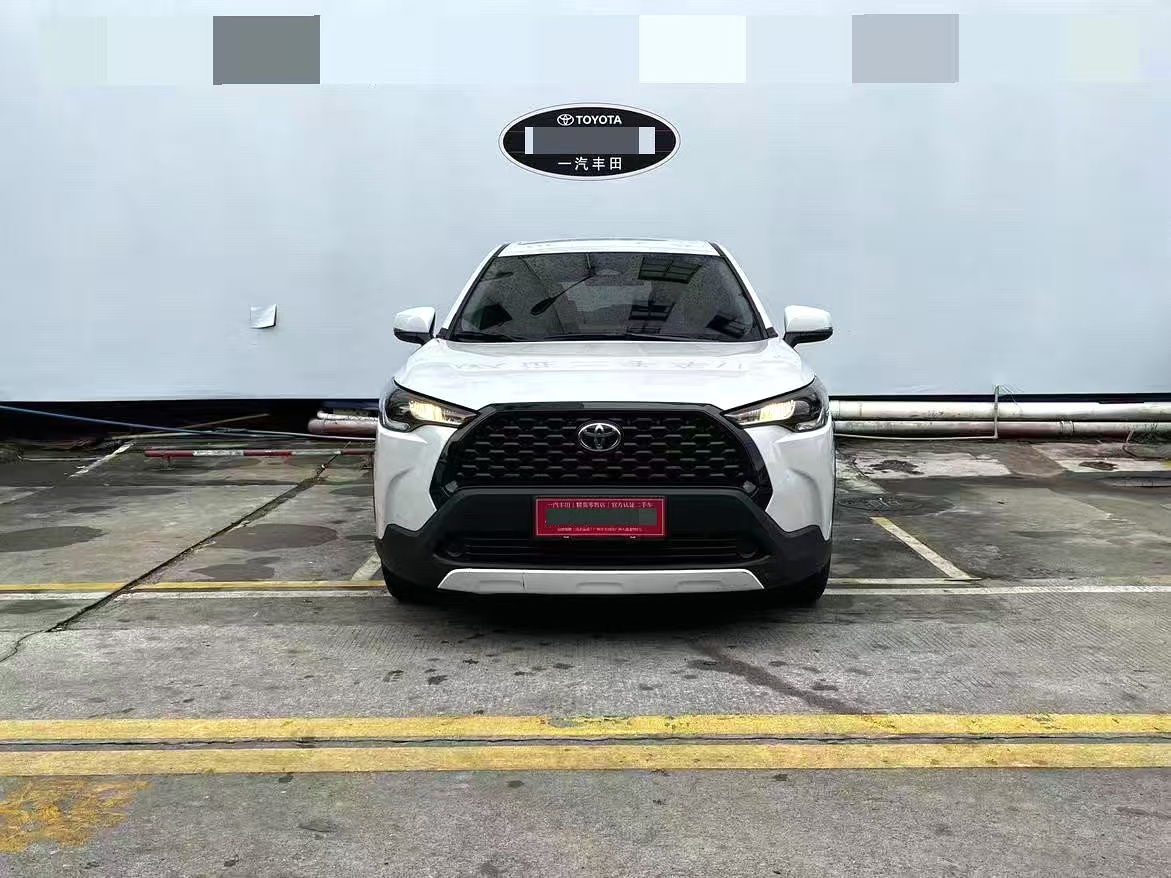
This guide breaks the process into realistic stages, explains where delays usually happen, and helps buyers estimate the delivery window more accurately.
A realistic end-to-end timeline at a glance
Before going into each step, here is the simplified view:
| Stage | Typical Time | What affects it |
|---|---|---|
| Vehicle sourcing and confirmation | 1–7 days | Model availability, quantity, condition standards |
| Inspection and light reconditioning | 2–7 days | Repairs, cleaning, tire replacement, battery checks |
| Export paperwork | 3–10 days | Document complexity, destination requirements |
| Booking and port delivery | 3–10 days | Vessel frequency, container/ro-ro space |
| Ocean shipping | 7–35 days | Destination region, transshipment, congestion |
| Import customs and pickup | 5–14 days | Customs process, taxes, inspection, local agent speed |
| **Total** | **21–56 days** | Complex orders may take longer |
For many regular transactions, 4 to 6 weeks is a useful planning benchmark.
1. Pre-shipment stage: sourcing, inspection, and documents
The first part of the process often determines whether the shipment starts smoothly. Even when a supplier says vehicles are available, export readiness still depends on verification, document matching, and logistics coordination.
Vehicle sourcing and confirmation: 1–7 days
For high-volume models commonly traded from China—such as Toyota Corolla, Toyota RAV4, Honda CR-V, or some BYD units—vehicle confirmation can be quick if supply is already available. In straightforward cases, this may take only 1 to 3 days.
It usually takes longer when the buyer requests: - specific model years - exact trims or color combinations - narrow mileage limits - larger batch quantities with consistent condition standards - EVs or newer energy models with stricter battery concerns - left-hand-drive or right-hand-drive matching for a specific market
For bulk purchasing, it helps to define your acceptable range early instead of setting an overly narrow specification. If you are also considering larger-volume procurement, this article on how MOQ and batch export arrangements usually work gives useful context.
Inspection and light reconditioning: 2–7 days
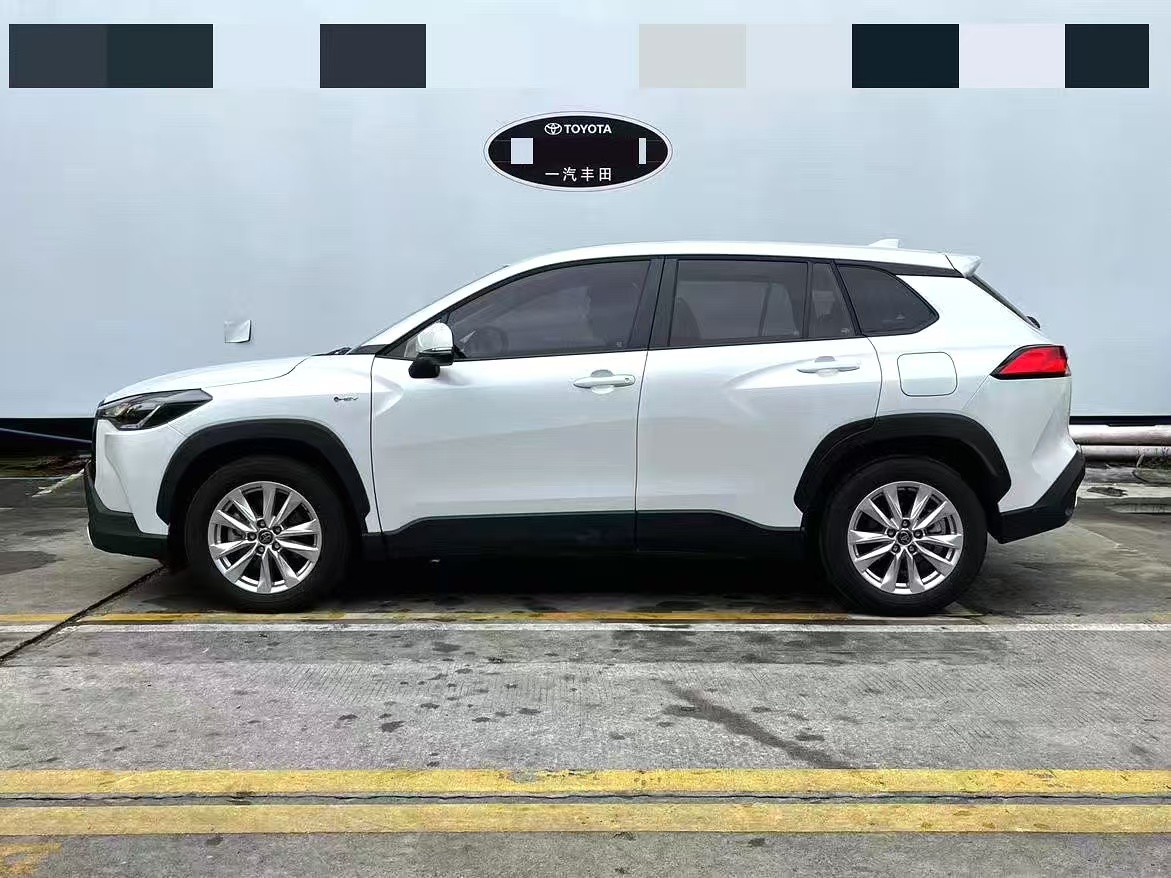
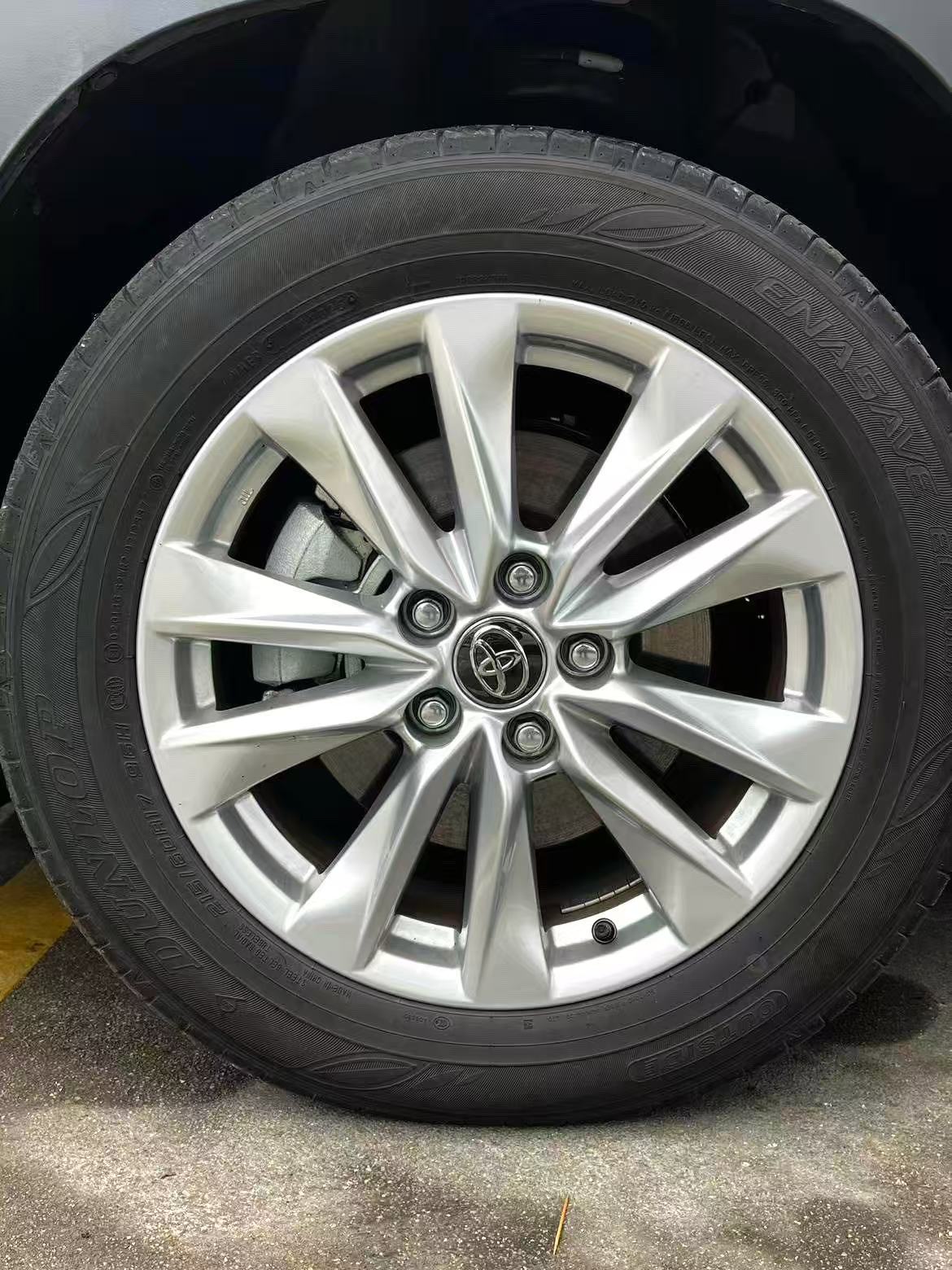
Used vehicles exported from China are typically checked before shipment. Depending on the supplier and the vehicle type, the review may include: - body and paint condition - engine bay and fluid signs - underbody and suspension condition - tire wear - interior wear level - EV battery condition where relevant - VIN and document consistency
If the unit is already in saleable condition, inspection plus basic cleaning may take 2 to 3 days. If minor work is required—such as touch-up paint, tire replacement, detailing, or technical checks—the process is more often 4 to 7 days.
Export paperwork: 3–10 days
This stage is often underestimated by first-time buyers. The export process is not only about the car itself but also about preparing consistent commercial and shipping documents. Typical documentation may include: - commercial invoice - packing list - sales contract - registration or deregistration-related records - export declaration documents - bill of lading details - certificate of origin, if required by destination customs
Simple deals with one model or a small quantity may be completed in 3 to 5 days. More complex shipments—especially mixed batches or destinations with stricter paperwork rules—can take 7 to 10 days.
2. Shipping stage: where timeline differences become larger
Once vehicles are prepared for export, the next major variable is shipping. This is often the longest part of the process and the hardest one to compress.
Booking and port delivery: 3–10 days
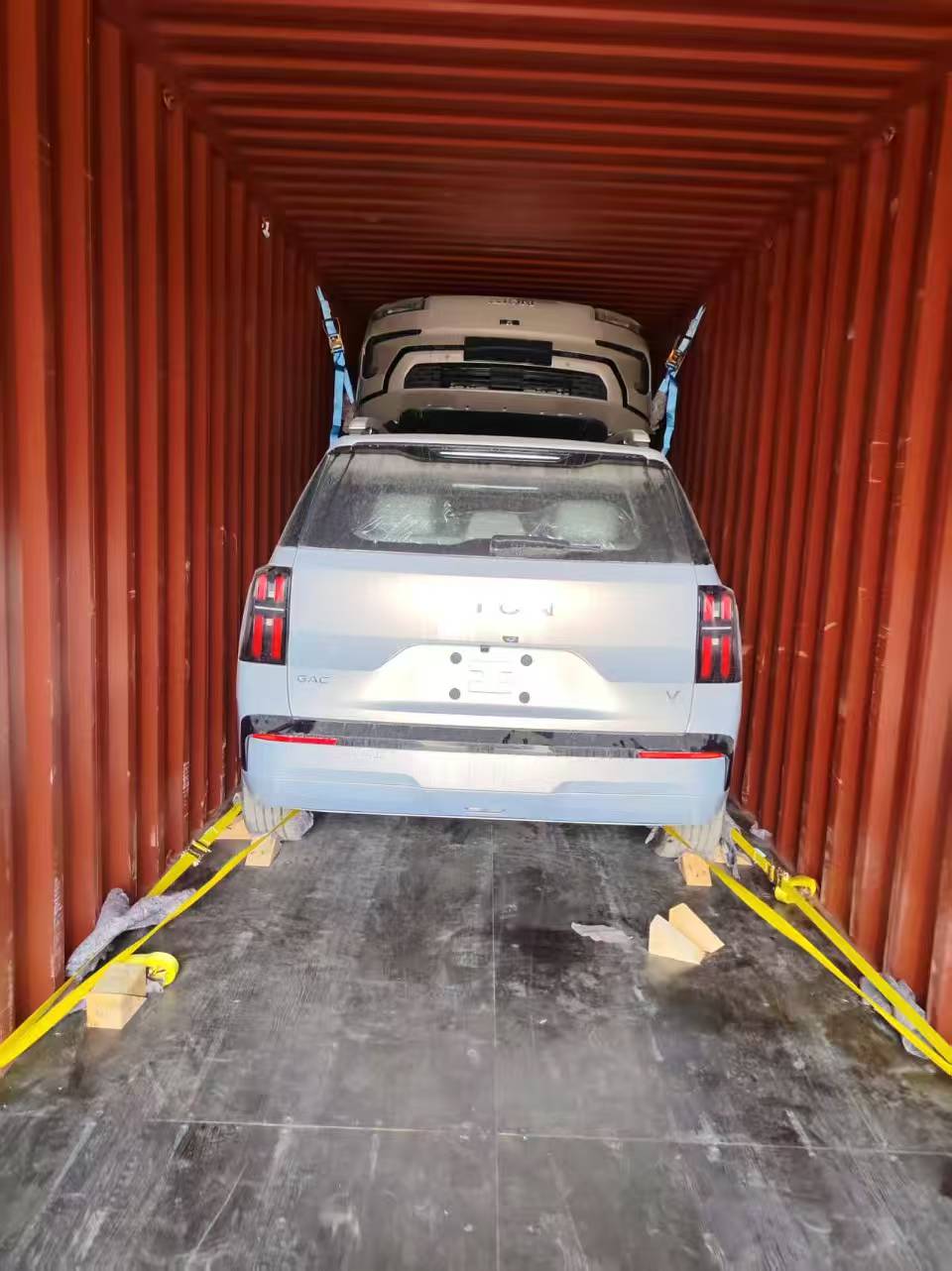
Whether the vehicles move by container or ro-ro, booking depends on: - departure port - vessel schedule frequency - peak or off-peak season - number of vehicles - destination route density
Under normal conditions, booking and delivering the cargo to port may take 3 to 5 days. In busier periods, or on less frequent routes, it may stretch to 7 to 10 days.
Ocean transit: 7–35 days
Transit time varies significantly by destination region.
| Destination region | Typical sea transit | Notes |
|---|---|---|
| Southeast Asia | 7–15 days | Usually frequent routes |
| Middle East | 15–25 days | Often relatively stable schedules |
| East Africa | 20–35 days | Depends on transshipment and congestion |
| West Africa | 25–35 days | Some routes require relay ports |
| Inland-linked markets | Varies | Sea plus land transport can change timing |
For African markets, vehicle durability and route planning often need to be considered together. If that is relevant to your market, you may also find this reference on durable used diesel SUVs for Tanzania-oriented demand helpful.
3. Arrival stage: customs clearance and final release
Many buyers focus on shipment departure, but the final delivery timeline depends heavily on what happens at destination.
Import customs and pickup: 5–14 days
Once the vehicle arrives, customs clearance and release still need to be completed. Typical variables include: - whether all documents match exactly - local import policy clarity - tax and duty assessment speed - customs inspection probability - efficiency of the local clearance agent
If the file is complete and the vehicle fits local import rules, the process may be finished in 5 to 7 days. If customs requests additional checks, valuation review, or document correction, 10 to 14 days is more realistic.
In some markets, customs delay can become more significant than the vessel transit itself.
What usually causes delays?
Not every delay is caused by shipping lines. In practice, these are the most common reasons why used car export from China takes longer than expected.
1. Specifications that are too narrow
The more precise the order, the longer sourcing can take. If the buyer needs one exact year, one exact trim, low mileage, one color, and matching interior condition across a batch, lead time naturally increases.
2. Import rules were not confirmed early
Different countries have different rules on vehicle age, emissions, steering position, valuation, and supporting documents. If these are not checked before the purchase is locked in, delays can appear at the worst possible stage—after arrival.
3. Document inconsistency
Mismatch in VIN, model name, year, consignee details, or shipping marks can slow down customs clearance. Even a small discrepancy between invoice, packing list, and bill of lading can create avoidable hold-ups.
4. Over-optimistic shipping assumptions
A supplier may prepare the vehicle quickly, but if vessel space is limited or the route needs transshipment, the overall delivery window still expands. Experienced buyers usually track both vehicle readiness time and shipping cycle time.
How buyers can shorten the overall cycle
While some parts of the process are fixed, there are still ways to reduce delay risk.
1. Confirm destination import policy first. Check age limits, emissions rules, steering requirements, and necessary documents before sourcing begins. 2. Prioritize high-circulation models. Mainstream models are easier to source in batches and move faster through inspection. 3. Keep batch standards practical. Standardized conditions help speed up selection, inspection, and loading. 4. Prepare consignee details early. Last-minute amendments on shipping documents can waste several days. 5. Use an experienced local customs broker. Destination-side execution matters more than many first-time importers expect.
If you are comparing available stock and model options, you can Browse inventory. If you want to discuss timing for your target market and preferred models, you can also Contact us.
FAQ
How fast can one used car be exported from China in the best case?
In a smooth case—ready stock, no repair work, complete documents, available vessel space, and efficient customs clearance—the full process may be completed in about 3 weeks. That is possible, but it should not be treated as the default for every order.
Do bulk orders always take longer than single-unit orders?
Not always. Bulk orders require more coordination during sourcing, inspection, and paperwork, but once the process is standardized, logistics can become more efficient than handling separate small orders. The timeline depends more on order structure than on quantity alone.
Do EVs or new energy used cars usually need more time?
Sometimes yes. Battery condition review, transport handling, and destination compliance may require more careful preparation than traditional fuel vehicles. That can add time during inspection or logistics planning.
Which takes longer: sea transit or customs clearance?
In most normal routes, ocean shipping is still the longest stage. However, in markets with more complex import rules, customs clearance can become the most uncertain part of the total timeline.
Final takeaway
There is no single fixed answer to how long used car export from China takes, because each order depends on vehicle readiness, documentation, vessel scheduling, and destination import procedures. Still, for planning purposes, 21 to 56 days is a practical working range, with 4 to 6 weeks being common for many standard orders.
The best way to avoid surprises is to evaluate the process in stages: sourcing, inspection, paperwork, booking, sea transit, and destination clearance. That gives importers a clearer picture of cash flow timing, stock planning, and expected market arrival.
To review available models first, Browse inventory. For a more specific timeline based on your destination country and purchase volume, Contact us.