
BYD Unveils Linghui Auto: A New Sub-Brand Targeting Global Markets
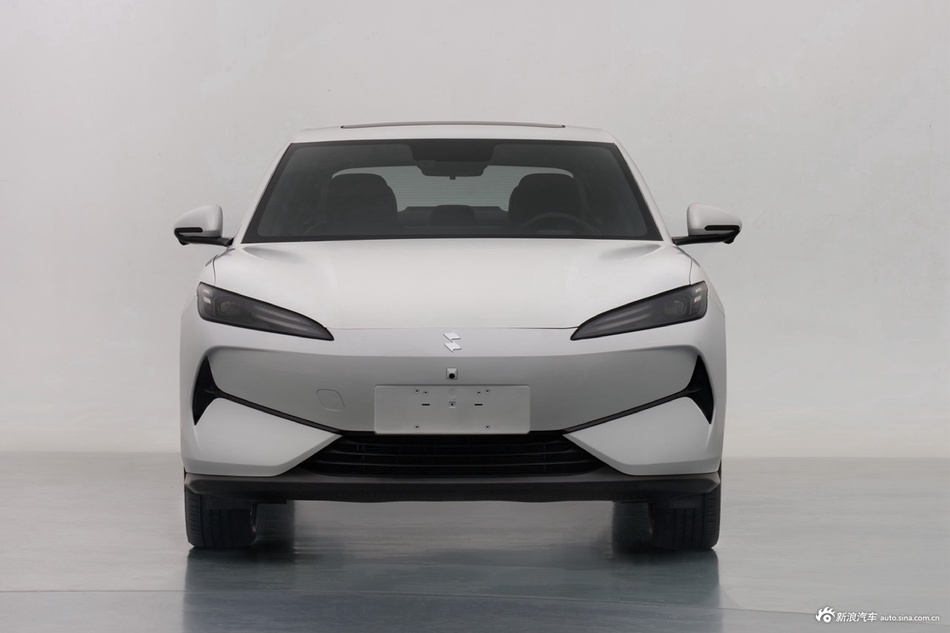
In a strategic move that further solidifies its position as the world's leading electric vehicle manufacturer, BYD has officially announced the launch of Linghui Auto (领汇汽车), a brand-new sub-brand designed to expand the company's market reach and product portfolio. This announcement marks another significant milestone in BYD's aggressive expansion strategy and signals the company's ambition to dominate multiple market segments simultaneously.
The Birth of Linghui Auto: Strategic Positioning
What is Linghui Auto?
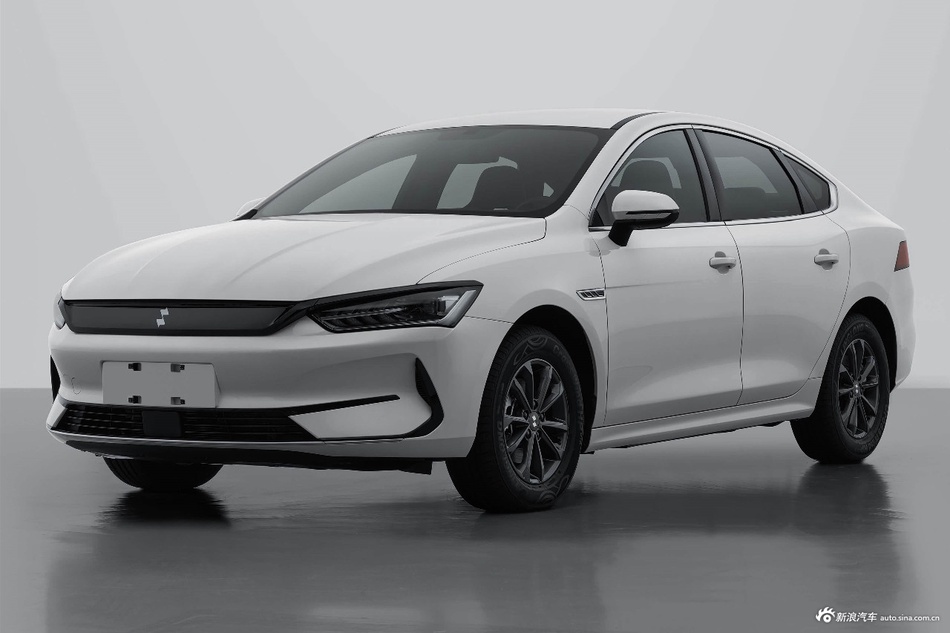
Linghui Auto (领汇汽车), which translates to "Leading Convergence Auto" or "Link & Gather Auto," represents BYD's latest effort to create a distinct brand identity targeting specific market segments. The name itself carries significant meaning:
- 领 (Ling): Leading, pioneering - 汇 (Hui): Convergence, gathering, integration
Together, the name suggests a brand that brings together leading technologies and converges innovation to create exceptional vehicles. 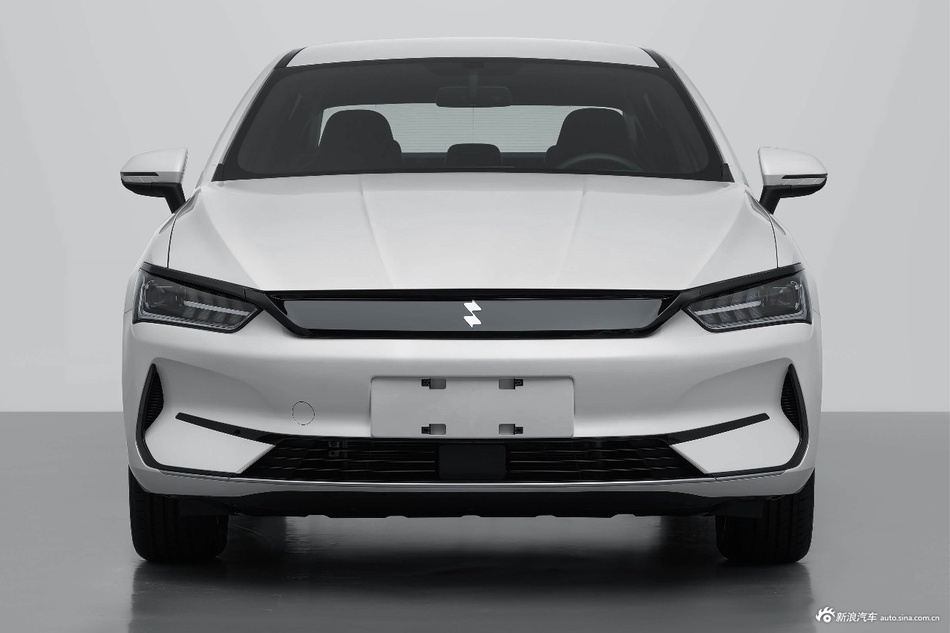
BYD's Multi-Brand Strategy
With the addition of Linghui Auto, BYD now operates multiple distinct brands, each targeting different market segments:
1. BYD (Main Brand) - Market position: Mass market to premium - Price range: ¥70,000-¥500,000+ - Key models: Seagull, Dolphin, Seal, Han, Tang - Target: Mainstream consumers seeking value and technology
2. Denza (腾势) - Market position: Premium/luxury - Price range: ¥300,000-¥700,000 - Key models: D9, N7, N8, N9 - Target: Affluent consumers seeking luxury EVs - Partnership: Originally joint venture with Mercedes-Benz (now fully BYD-owned)
3. Yangwang (仰望) - Market position: Ultra-luxury/performance - Price range: ¥800,000-¥1,500,000+ - Key models: U8, U9 - Target: Ultra-wealthy seeking cutting-edge technology and performance
4. Fangchengbao (方程豹) - Market position: Off-road/adventure - Price range: ¥250,000-¥400,000 - Key models: Bao 5, Bao 8 - Target: Adventure enthusiasts and off-road lovers
5. Linghui Auto (领汇汽车) - NEW - Market position: [To be detailed below] - Price range: Expected ¥150,000-¥300,000 - Key models: To be announced - Target: Young professionals and international markets
Why Another Sub-Brand?
BYD's decision to launch Linghui Auto stems from several strategic considerations:
Market Segmentation: - Allows precise targeting of specific consumer demographics - Avoids brand dilution across too-wide price ranges - Creates distinct brand identities and emotional connections - Enables focused marketing and positioning strategies
International Expansion: - Provides a fresh brand identity for overseas markets - Avoids potential negative perceptions of "Chinese brands" - Allows localized branding and marketing approaches - Creates flexibility in pricing and positioning by market
Competitive Positioning: - Competes directly with emerging Chinese EV brands (NIO, XPeng, Li Auto, Xiaomi) - Targets younger, tech-savvy consumers - Differentiates from parent BYD brand's mass-market image - Creates premium positioning without ultra-luxury pricing
Technology Showcase: - Platform for introducing cutting-edge technologies - Testing ground for new features and innovations - Demonstrates BYD's technological capabilities - Attracts early adopters and technology enthusiasts
Expected Product Lineup and Specifications
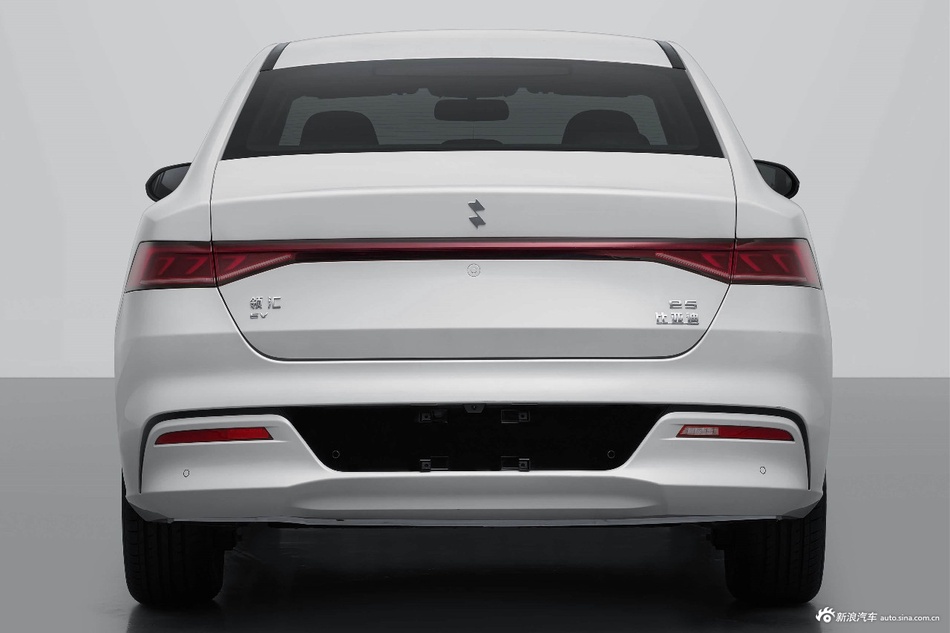
While BYD has not yet revealed specific models, industry analysts and leaked information suggest the following product strategy:
First Model: Compact Electric Sedan (Expected Q2 2026)
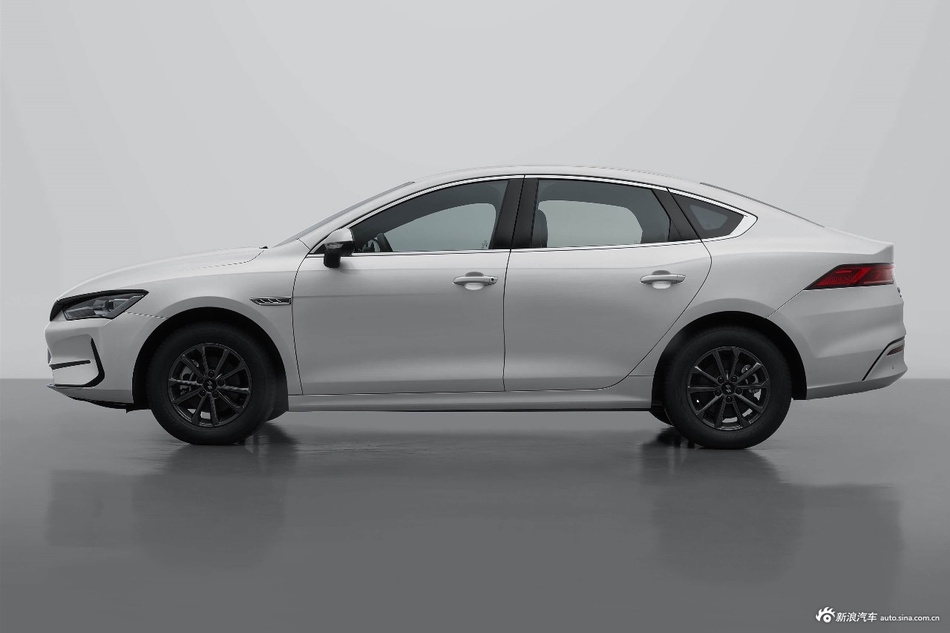
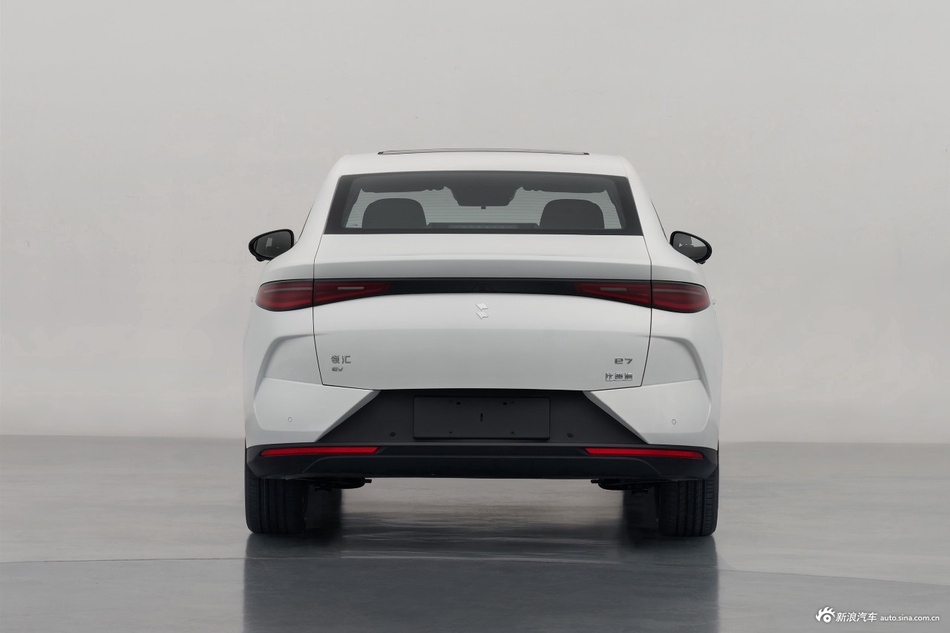
Projected Specifications: - Platform: BYD e-Platform 3.0 (enhanced version) - Body Style: Compact sedan (similar size to Tesla Model 3) - Dimensions: - Length: ~4,700mm - Width: ~1,850mm - Height: ~1,450mm - Wheelbase: ~2,800mm - Battery Options: - Standard: 60 kWh LFP (Blade Battery) - Long Range: 80 kWh LFP - Performance: 85 kWh NCM - Range: - Standard: 520 km CLTC (~420 km WLTP) - Long Range: 700 km CLTC (~560 km WLTP) - Performance: 650 km CLTC (~520 km WLTP) - Performance: - Standard: Single motor, 200 kW (268 hp) - Long Range: Single motor, 230 kW (308 hp) - Performance: Dual motor AWD, 390 kW (523 hp) - 0-100 km/h: - Standard: 6.5 seconds - Long Range: 5.8 seconds - Performance: 3.9 seconds - Charging: - 800V architecture - 10-80% in 18 minutes (350 kW charging) - Vehicle-to-Load (V2L) capability - Price Range: ¥189,900-¥269,900 ($26,000-$37,000)
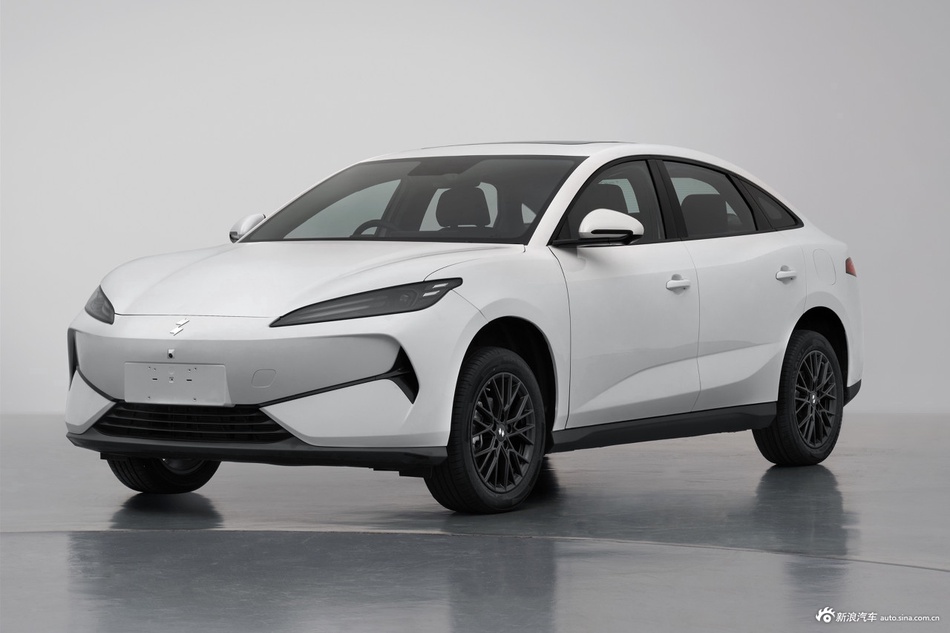
Second Model: Compact SUV (Expected Q4 2026)
Projected Specifications: - Platform: BYD e-Platform 3.0 - Body Style: Compact crossover SUV - Dimensions: - Length: ~4,600mm - Width: ~1,870mm - Height: ~1,650mm - Wheelbase: ~2,750mm - Battery Options: Similar to sedan - Range: 480-680 km CLTC - Performance: Single motor or dual motor options - Price Range: ¥199,900-¥289,900 ($27,500-$40,000)
Third Model: Mid-Size Sedan (Expected 2027)
Projected Specifications: - Platform: Next-generation BYD platform - Body Style: Mid-size executive sedan - Target: Business professionals and executives - Price Range: ¥249,900-¥349,900 ($34,500-$48,000)
Technology and Innovation Focus
Advanced Driver Assistance Systems (ADAS)
Linghui Auto is expected to feature BYD's most advanced autonomous driving technology:
Hardware: - 12+ high-definition cameras - 5+ millimeter-wave radars - 2-3 LiDAR sensors (on higher trims) - High-precision GPS and IMU - Powerful computing platform (NVIDIA or Horizon Robotics chips)
Software Capabilities: - Highway autonomous driving (Level 2+) - Urban autonomous driving in major cities - Automatic parking (parallel, perpendicular, angled) - Traffic jam assist - Automatic lane change - Predictive cruise control - Over-the-air updates for continuous improvement
Connectivity and Infotainment
In-Vehicle Technology: - 15.6-inch rotating central touchscreen - 12.3-inch digital instrument cluster - AR-HUD (augmented reality heads-up display) - 5G connectivity standard - WiFi 6 and Bluetooth 5.3 - Wireless smartphone integration - Voice assistant with natural language processing
Smart Features: - Remote vehicle control via smartphone app - Digital key with smartphone and smartwatch support - Biometric authentication (facial recognition, fingerprint) - Personalized user profiles with cloud sync - Integration with smart home systems - Vehicle-to-everything (V2X) communication ready
Battery Technology
Linghui Auto will leverage BYD's industry-leading battery technology:
Blade Battery Advantages: - Enhanced safety (passes nail penetration test) - Longer lifespan (3,000+ charge cycles) - Better thermal management - Higher space utilization - Lower cost per kWh - Cobalt-free chemistry (LFP)
Next-Generation Developments: - Improved energy density (160+ Wh/kg for LFP) - Faster charging capability (4C charging rate) - Extended warranty (8 years/200,000 km with 80% capacity retention) - Second-life battery applications - Advanced battery management system (BMS)
Market Strategy and Target Audience
Primary Target Demographics
Age: 25-40 years old Income: Middle to upper-middle class (annual household income ¥200,000-¥500,000) Education: College-educated professionals Occupation: Tech workers, entrepreneurs, young executives, creative professionals Values: Technology-forward, environmentally conscious, design-appreciative Lifestyle: Urban, connected, active social media users
Geographic Focus
Phase 1 (2026): China Domestic Market - Tier 1 cities: Beijing, Shanghai, Guangzhou, Shenzhen - Tier 2 cities: Hangzhou, Chengdu, Wuhan, Xi'an, Nanjing - Focus on coastal and economically developed regions - Target: 100,000+ annual sales by end of 2026
Phase 2 (2027): Asia-Pacific Expansion - Southeast Asia: Thailand, Singapore, Malaysia, Indonesia - Australia and New Zealand - Japan and South Korea (if market conditions favorable) - Target: 50,000+ annual sales in APAC
Phase 3 (2028): European Market Entry - Western Europe: Germany, France, UK, Netherlands, Norway - Southern Europe: Spain, Italy - Eastern Europe: Poland, Czech Republic - Target: 80,000+ annual sales in Europe
Phase 4 (2029+): Americas and Middle East - Latin America: Brazil, Mexico, Chile - Middle East: UAE, Saudi Arabia - North America: Pending regulatory and market conditions - Target: Global presence with 300,000+ annual sales
Competitive Landscape Analysis
Direct Competitors
Chinese EV Brands:
1. Xiaomi SU7 - Price: ¥215,900-¥299,900 - Strength: Ecosystem integration, technology - Weakness: New brand, limited service network
2. XPeng P7/P7i - Price: ¥209,900-¥339,900 - Strength: Autonomous driving, design - Weakness: Profitability challenges, brand perception
3. NIO ET5 - Price: ¥298,000-¥386,000 - Strength: Battery swap, premium positioning - Weakness: Higher pricing, limited scale
4. Zeekr 007 - Price: ¥209,900-¥299,900 - Strength: Geely backing, technology - Weakness: Newer brand, building awareness
5. Leap Motor C01 - Price: ¥145,800-¥206,800 - Strength: Value pricing, vertical integration - Weakness: Brand perception, limited features
International Competitors:
1. Tesla Model 3 - Price: ¥231,900-¥335,900 - Strength: Brand prestige, Supercharger network - Weakness: Aging design, quality concerns
2. Volkswagen ID.3/ID.4 - Price: ¥125,900-¥279,900 - Strength: Brand heritage, build quality - Weakness: Software issues, slower charging
Linghui Auto's Competitive Advantages
1. BYD's Manufacturing Scale - Vertical integration from batteries to semiconductors - Massive production capacity (3+ million vehicles annually) - Cost advantages through economies of scale - Proven quality and reliability
2. Technology Leadership - Industry-leading battery technology - Advanced manufacturing processes - Extensive R&D investment - Proven track record of innovation
3. Pricing Power - Ability to offer premium features at competitive prices - Flexible pricing strategy across markets - Cost control through vertical integration - Volume-based profitability model
4. Brand Differentiation - Fresh brand identity separate from BYD mass market - Targeted positioning for younger consumers - Modern design language - Technology-forward image
5. Global Infrastructure - Expanding international manufacturing footprint - Growing service and charging networks - Established export channels - Strong supply chain relationships
Implications for the Global EV Market
Market Consolidation
The launch of Linghui Auto accelerates several industry trends:
Increased Competition: - More brands competing for consumer attention - Pressure on margins across the industry - Innovation acceleration to differentiate - Marketing and brand-building costs rising
Brand Proliferation: - Major manufacturers launching multiple sub-brands - Risk of consumer confusion - Need for clear brand positioning - Importance of distinct brand identities
Market Segmentation: - Increasingly granular market targeting - Specialized products for niche segments - Premium features trickling down to lower price points - Blurring of traditional segment boundaries
Technology Democratization
Linghui Auto's expected pricing and features continue the trend of making advanced technology accessible:
Features Becoming Standard: - Advanced driver assistance systems - Large touchscreens and digital displays - Over-the-air updates - Smartphone integration - Voice control and AI assistants
Performance Expectations Rising: - 0-100 km/h under 6 seconds becoming common - 500+ km range as baseline - Fast charging (10-80% in under 30 minutes) - Dual motor AWD options widely available
Impact on Traditional Automakers
BYD's multi-brand strategy puts pressure on traditional manufacturers:
Challenges: - Competing across multiple price points simultaneously - Faster product development cycles - Need for dedicated EV platforms - Software and connectivity capabilities - Battery supply and cost management
Response Strategies: - Accelerated EV transition timelines - Partnerships and joint ventures - Increased R&D investment - Brand repositioning and marketing - Focus on differentiation (luxury, performance, heritage)
Comparing Market Segments: New vs. Used Vehicles
The launch of Linghui Auto highlights the diverse options available to consumers in different market segments. While new EVs like Linghui Auto offer cutting-edge technology and the latest features, the used car market provides accessible alternatives for budget-conscious buyers.
For consumers seeking affordable city driving solutions, the used car market offers compelling value, especially for those who prioritize practicality over the latest technology. However, for buyers interested in new vehicles with warranty coverage and modern features, brands like Linghui Auto represent the future of accessible electric mobility.
International buyers considering used vehicles should also review essential tips for buying second-hand cars in foreign countries to ensure they make informed decisions, whether purchasing new or pre-owned vehicles.
Manufacturing and Production Strategy
Production Facilities
Phase 1: Existing BYD Facilities - Initial production at BYD's Shenzhen or Xi'an plants - Shared production lines with other BYD brands - Capacity: 100,000-150,000 units annually - Investment: Minimal (utilizing existing infrastructure)
Phase 2: Dedicated Linghui Factory - New facility construction (location TBD) - Dedicated production lines - Capacity: 300,000+ units annually - Investment: ¥5-8 billion ($700 million-$1.1 billion) - Timeline: Groundbreaking 2026, production start 2028
Phase 3: International Manufacturing - Overseas production facilities (Thailand, Europe, Brazil) - Local assembly to avoid tariffs and reduce costs - Capacity: 200,000+ units annually (combined) - Investment: ¥10+ billion ($1.4+ billion) - Timeline: 2028-2030
Supply Chain Strategy
Vertical Integration: - Batteries: BYD's own Blade Battery production - Motors: In-house electric motor manufacturing - Power electronics: BYD semiconductor division - Body panels: BYD's stamping and welding facilities - Interior components: Mix of in-house and suppliers
Strategic Partnerships: - Semiconductors: Collaboration with NVIDIA, Horizon Robotics - Software: Potential partnerships with tech companies - Charging infrastructure: Cooperation with charging networks - Autonomous driving: Technology licensing or partnerships - Materials: Long-term contracts with raw material suppliers
Marketing and Brand Building Strategy
Brand Identity
Visual Identity: - Modern, minimalist logo design - Distinct color palette (likely featuring blue/silver tones) - Futuristic design language - Technology-forward imagery - International appeal
Brand Values: - Innovation and technology leadership - Sustainability and environmental responsibility - Quality and reliability - Accessibility and value - Global perspective
Brand Personality: - Young and energetic - Sophisticated yet approachable - Tech-savvy and forward-thinking - Confident and ambitious - Inclusive and diverse
Marketing Channels
Digital-First Approach: - Strong social media presence (WeChat, Weibo, Douyin, Instagram, TikTok) - Influencer partnerships and collaborations - Online configurator and virtual showrooms - Digital advertising campaigns - Content marketing and storytelling
Experiential Marketing: - Pop-up stores in major cities - Test drive events and experiences - Technology demonstrations - Partnership with lifestyle brands - Sponsorship of tech and innovation events
Traditional Channels: - Dedicated showrooms in premium locations - Automotive media partnerships - Outdoor advertising in key markets - Television and streaming platform advertising - Print advertising in select publications
Retail Strategy
Direct-to-Consumer Model (Hybrid Approach): - Company-owned flagship stores in major cities - Authorized dealer network in smaller markets - Online ordering with home delivery option - Transparent pricing (no negotiation) - Centralized inventory management
Customer Experience: - Apple Store-inspired showroom design - Product specialists (not traditional salespeople) - Interactive technology displays - Comfortable lounge areas - Integrated service centers
Digital Integration: - Online vehicle configuration and ordering - Virtual reality showroom experiences - Mobile app for entire ownership journey - Digital payment options - Paperless transaction process
Financial Projections and Business Model
Investment Requirements
Initial Investment (2026-2027): - Brand development and marketing: ¥2 billion ($275 million) - Product development: ¥5 billion ($690 million) - Manufacturing setup: ¥3 billion ($415 million) - Retail network: ¥1.5 billion ($207 million) - Working capital: ¥2.5 billion ($345 million) - Total: ¥14 billion (~$1.93 billion)
Ongoing Investment (2028-2030): - New model development: ¥3 billion annually - International expansion: ¥5 billion annually - Technology R&D: ¥2 billion annually - Marketing and brand building: ¥1.5 billion annually - Total: ¥11.5 billion annually (~$1.59 billion)
Revenue Projections
2026 (Partial Year): - Units sold: 50,000 - Average selling price: ¥230,000 - Revenue: ¥11.5 billion ($1.59 billion) - Gross margin: 8% - Operating margin: -5% (investment phase)
2027 (First Full Year): - Units sold: 150,000 - Average selling price: ¥235,000 - Revenue: ¥35.25 billion ($4.87 billion) - Gross margin: 12% - Operating margin: 2%
2028: - Units sold: 280,000 - Average selling price: ¥240,000 - Revenue: ¥67.2 billion ($9.28 billion) - Gross margin: 15% - Operating margin: 6%
2030 (Target): - Units sold: 500,000+ - Average selling price: ¥245,000 - Revenue: ¥122.5+ billion ($16.9+ billion) - Gross margin: 18% - Operating margin: 10%
Profitability Path
Break-Even Timeline: - Operating break-even: Q4 2027 - Net profitability: 2028 - Return on investment: 2029-2030
Key Success Factors: - Achieving production scale rapidly - Maintaining cost discipline - Strong initial market reception - Successful international expansion - Technology differentiation - Brand building effectiveness
Challenges and Risks
Market Risks
Intense Competition: - Crowded EV market with numerous competitors - Price wars eroding margins - Rapid technology evolution - Consumer preference shifts - Brand loyalty challenges
Economic Factors: - Economic slowdown affecting consumer spending - Currency fluctuations in international markets - Raw material price volatility - Interest rate changes affecting financing - Subsidy reduction or elimination
Operational Risks
Production Challenges: - Scaling production while maintaining quality - Supply chain disruptions - Component shortages (especially semiconductors) - Manufacturing defects and recalls - Quality control at high volumes
Technology Risks: - Software bugs and cybersecurity threats - Autonomous driving liability concerns - Battery safety incidents - Technology obsolescence - Intellectual property disputes
Brand Risks
Brand Differentiation: - Difficulty establishing distinct identity from BYD - Consumer confusion with multiple BYD sub-brands - Cannibalization of other BYD brand sales - Brand dilution concerns - Maintaining consistent brand message
Reputation Management: - Negative publicity or product issues - Social media crises - Customer service challenges - Recall management - International perception of Chinese brands
Regulatory Risks
Compliance Challenges: - Varying regulations across markets - Autonomous driving approval processes - Safety and emission standards - Data privacy and localization requirements - Trade barriers and tariffs
Strategic Implications for BYD
Portfolio Management
Brand Architecture Complexity: - Managing five distinct brands simultaneously - Resource allocation across brands - Avoiding internal competition - Maintaining brand differentiation - Coordinating marketing and messaging
Synergies and Efficiencies: - Shared platforms and components - Centralized R&D and technology development - Common supply chain and manufacturing - Unified service and charging infrastructure - Cross-brand technology transfer
Global Expansion Acceleration
Market Entry Strategy: - Using Linghui as international expansion vehicle - Avoiding BYD brand perception issues in some markets - Tailored positioning for different regions - Flexible pricing and product strategies - Building global brand portfolio
Technology Leadership
Innovation Showcase: - Platform for latest technologies - Attracting top engineering talent - Demonstrating BYD's capabilities - Competing with premium brands - Setting industry standards
Consumer Perspective: Who Will Buy Linghui Auto?
Ideal Customer Profile
Primary Buyer Persona: - Name: "Tech-Forward Professional" - Age: 28-35 - Occupation: Software engineer, product manager, entrepreneur - Income: ¥300,000-¥600,000 annually - Location: Tier 1 or 2 city - Current Vehicle: Compact sedan or small SUV (ICE or hybrid) - Motivation: Wants latest technology, environmental consciousness, modern design - Concerns: Brand perception, resale value, service network
Secondary Buyer Persona: - Name: "Young Family Upgrader" - Age: 32-42 - Occupation: Corporate professional, small business owner - Income: ¥400,000-¥800,000 annually - Location: Suburban areas of major cities - Current Vehicle: Mid-size sedan or SUV - Motivation: Practical, safe, cost-effective, good value - Concerns: Space, reliability, charging convenience
Purchase Decision Factors
Top Priorities: 1. Price-value ratio (40%) 2. Technology and features (25%) 3. Range and charging (15%) 4. Design and aesthetics (10%) 5. Brand reputation (10%)
Key Considerations: - Total cost of ownership vs. ICE vehicles - Charging infrastructure availability - Warranty and service coverage - Resale value expectations - Brand prestige and social perception
Conclusion: A Bold Move in a Competitive Market
The launch of Linghui Auto represents BYD's confidence in its ability to compete across multiple market segments simultaneously. By creating a distinct brand identity targeting younger, tech-savvy consumers, BYD aims to capture market share from both traditional automakers and emerging EV startups.
Key Takeaways
Strategic Positioning: - Fills gap between mass-market BYD and premium Denza - Targets international markets with fresh brand identity - Leverages BYD's technological and manufacturing advantages - Competes directly with Xiaomi, XPeng, and Tesla Model 3
Market Opportunity: - Large and growing mid-range EV segment - Younger consumers seeking technology and value - International expansion potential - Brand differentiation from parent company
Success Factors: - Product competitiveness (features, performance, price) - Effective brand building and differentiation - Rapid production scaling - Strong initial market reception - Successful international expansion
Challenges Ahead: - Intense competition in crowded market - Brand awareness and differentiation - Managing multiple brands effectively - Maintaining profitability while scaling - Navigating international regulations and perceptions
Looking Forward
The success of Linghui Auto will depend on several factors:
1. Product Excellence: Delivering vehicles that meet or exceed consumer expectations 2. Brand Building: Creating a distinct and appealing brand identity 3. Execution: Scaling production and distribution effectively 4. Market Timing: Launching at the right time with the right products 5. Differentiation: Offering compelling reasons to choose Linghui over competitors
As the global EV market continues to evolve rapidly, Linghui Auto's launch demonstrates that even the world's largest EV manufacturer sees opportunities for growth through brand diversification. The coming months will reveal whether this strategy pays off, but one thing is certain: the competition in the EV market is only getting more intense, and consumers will be the ultimate beneficiaries.
---
Last Updated: February 2026 Note: Linghui Auto specifications and details are based on official BYD announcements, industry reports, and analyst projections. Final production specifications may vary.