
Used Car Grading Systems in China Explained for Buyers
For overseas importers, one of the biggest challenges in sourcing from China is not only pricing or logistics. It is understanding what a used car “grade” actually means.

You may see labels such as “Grade A,” “premium condition,” “original paint,” or “no major accident” on a Chinese used car platform. The issue is that these labels are not always defined in exactly the same way across platforms, dealers, auctions, or inspection providers. In practice, a grading label can help you shortlist vehicles, but it should never replace a full condition review.
This guide explains how used car grading systems are commonly applied in China, what overseas buyers should verify behind each label, and how to use grading information more effectively when buying for export.
Why a single grade is not enough
China’s used car market does not operate under one universal grading standard that every seller follows in the same way. Instead, buyers usually encounter several parallel systems:

- internal platform grades - third-party inspection ratings - dealer-defined condition tags - auction-level classifications - pre-export reinspection results
That means a “Grade A” unit from one seller may not be directly comparable to a “Grade A” unit elsewhere. Some systems focus more on cosmetic appearance. Others place greater weight on structural integrity, flood damage, fire history, or major repair records. Some even include mileage, age, ownership history, or service frequency in the score.
For importers, the practical takeaway is simple: use grading as a filter, not as the final decision point.
The factors that usually matter most in export buying are:
1. Whether there is structural accident damage 2. Whether the car shows flood, fire, or major repair history 3. Whether the engine, transmission, or EV systems are stable 4. Whether mileage is consistent with age and wear 5. Whether maintenance, insurance, and inspection records support the seller’s description 6. Whether the vehicle fits the regulations and use case in your target market
If you are also planning shipment timing, this article on how the used car export process from China usually unfolds can help you align sourcing, inspection, booking, and delivery expectations.
Common grading terms in China and how buyers should read them
The wording may vary, but many Chinese used car platform listings use a few recurring labels. The table below shows how buyers can interpret them more carefully.
| Common label or grade | What it usually suggests | What buyers should verify | Practical note |
|---|---|---|---|
| Premium condition | Good cosmetic and general operating condition | Whether it is based on real inspection or just reconditioning | Often a marketing-style label rather than a strict standard |
| Grade A / B / C | A platform or inspector’s internal ranking | Whether structural, cosmetic, and mechanical items are all included | Grades are not directly comparable across sources |
| Original paint | Usually means no repaint on major panels or very limited touch-up | Paint meter readings, panel consistency, and repair traces | Ask for close-up photos and measurement details |
| No major accident | No severe structural collision found | Chassis rails, pillars, strut towers, floor, firewall | Request underbody and structural photos |
| No flood damage | No clear signs of water intrusion | Wiring, seat frames, carpet area, rust traces, odor | Extra caution with vehicles from flood-prone regions |
| Good running condition | Broad statement about usability | Engine, gearbox, suspension, electronics | Too vague to rely on by itself |
| Exportable vehicle | Usually means paperwork may support export | Import regulation, steering side, emissions, local registration rules | Exportable from China does not always mean easy to register abroad |
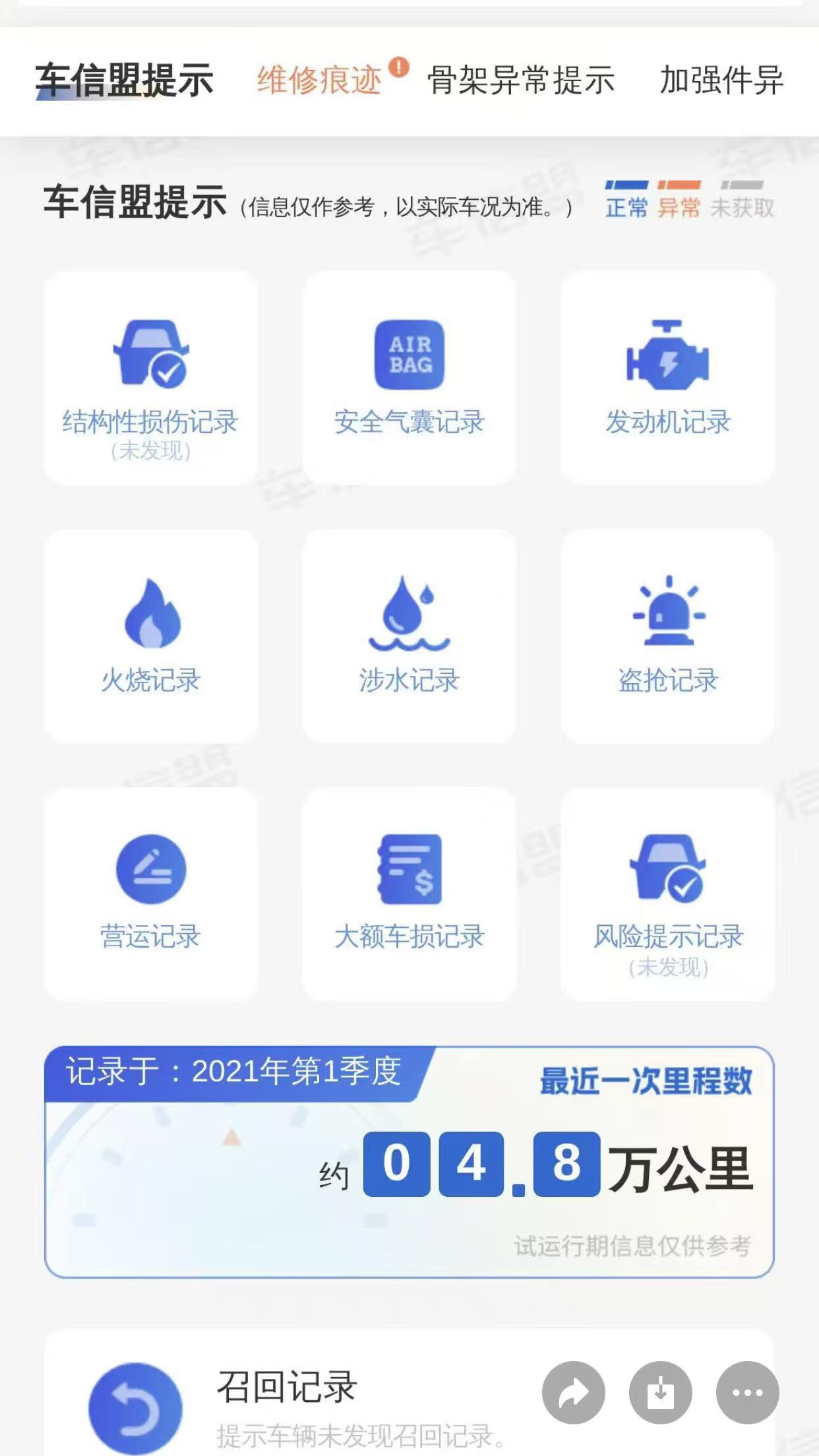
For a professional buyer, the right method is to convert every label into supporting evidence.
For example:
- “No major accident” should be supported by structural inspection notes and images. - “Low mileage” should match service history and interior wear. - “Good EV condition” should be backed by battery health data, charging status, and diagnostic scans. - “Suitable for bulk purchase” should mean batch consistency, not just one attractive sample car.
If you are considering larger-volume procurement, you may also want to read what MOQ 10 units really means in bulk used car export, especially for consistency and planning across a shipment batch.
What to check on a Chinese used car platform
Whether you source through a marketplace, auction channel, or exporter-managed inventory system, it helps to follow a simple rule: screen for risk first, compare price second.
1. Start with structural safety items
Before looking at trim level or price, check if the listing or report includes comments on key structural areas:
- front and rear chassis rails - strut towers - firewall - A/B/C pillars - roof rails and side structure - trunk floor - weld marks or major repair traces underneath
If these areas show cutting, pulling, welding, or heavy deformation, the resale risk may remain high even if the car looks well restored cosmetically.
2. Compare mileage with age and wear
Mileage should make sense when compared with the car’s age, steering wheel wear, seat bolsters, pedals, switches, and door handles. A young SUV with unusually low mileage but clear interior wear deserves more scrutiny. Mileage is useful, but consistency matters more than the number alone.
3. Review maintenance and insurance history where available
Not every Chinese used car will come with a complete service trail, but when records exist, they add valuable context. Buyers should pay attention to:
- regular service intervals - replacement of major assemblies - repeated high-value repairs - airbag, cooling system, or electrical repairs
4. Evaluate EVs separately from ICE vehicles
For BYD, Tesla, GAC Aion, and other EV models, the traditional “look at paint and mileage” approach is not enough. You should also ask for:
- battery health or capacity condition - fast and slow charging status - fault code history - motor and control system condition - real-world range performance where possible
5. Make sure photos and videos support the written grade
A reliable listing should offer more than polished exterior shots. Ideally, a remote buyer should be able to review:
- exterior 45-degree views - full interior photos - startup and dashboard display - engine bay - underbody or lift photos - tire wear - paint meter screenshots or inspection pages - cold start, idle, and function test videos
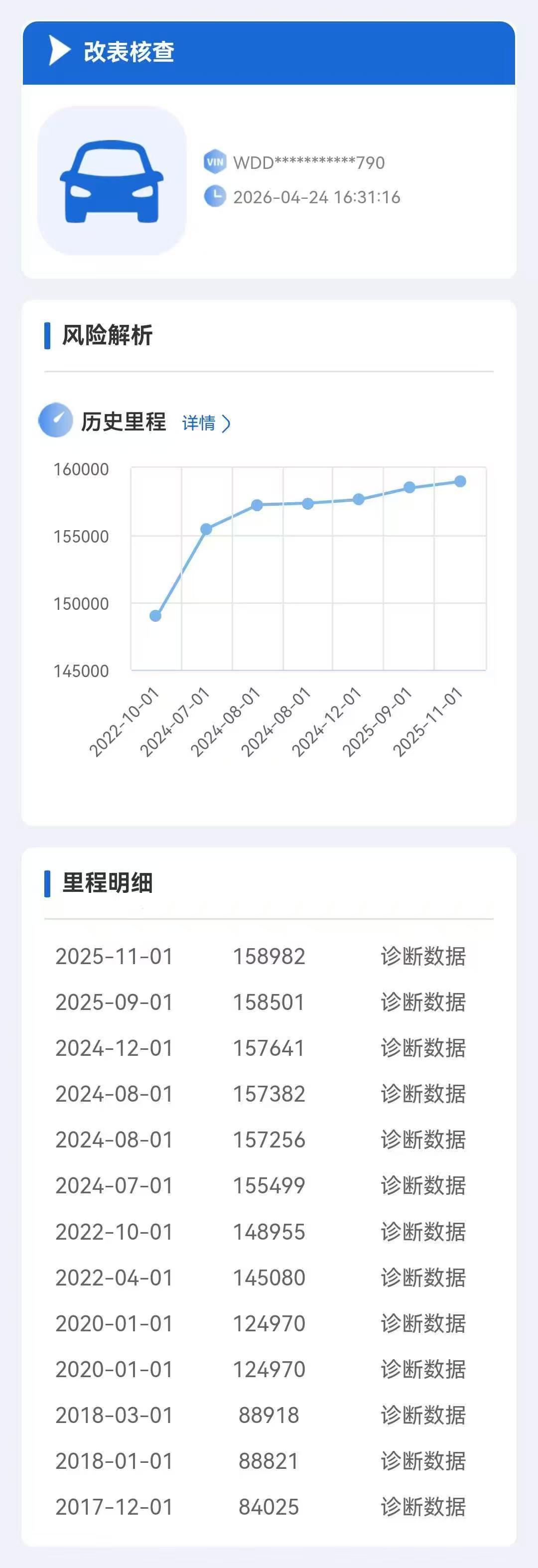
If the listing only says “good grade” or “best price,” it is not giving enough for an international buyer to assess risk properly. Structured data always helps more than generic sales language.
Turning grades into actual buying decisions
The best importers do not chase one ideal label. They define their own acceptance threshold based on business model, market, and turnaround expectations.
| Buying scenario | Main priority | Typical acceptable range | Risk control suggestion |
|---|---|---|---|
| Retail-focused imports | Appearance, interior, stable condition | Minor repaint may be acceptable | Require consistency between report, photos, and reinspection |
| Dealer wholesale | Margin and batch consistency | Light cosmetic variation may be acceptable | Use one inspection standard across all units |
| EV trial shipment | Battery and electronic reliability | Small cosmetic flaws may matter less | Require battery and diagnostic verification |
| RHD market sourcing | Market fit and compliance | Steering side and spec must match destination | Confirm registration feasibility before purchase |
If your destination market is sensitive to steering configuration, this comparison of RHD vs LHD used cars from China is worth reviewing before finalizing a batch.
Another common mistake is focusing only on the lowest price bracket. In reality, lower-priced stock is more likely to include heavily reconditioned vehicles, incomplete records, or greater dispute risk after arrival. A better approach is to evaluate total landed opportunity: age, mileage, structure, maintenance, likely prep cost, and resale fit.
For budget-driven sourcing, you may also find it useful to review which used cars under $8,000 are drawing export interest from China, not as a price promise, but as a way to think about category and buyer demand.
Practical advice for overseas buyers
Here are a few working rules that help reduce surprises:
1. Define your own rejection points in advance. Structural damage, flood traces, or major system faults should be decided before sourcing begins. 2. Ask for structured inspection details, not just a condition label. 3. Use a pre-export reinspection, especially for EVs or mixed batches. 4. Compare VIN, grade, photos, videos, and records in one sheet for internal review. 5. Separate cosmetic issues from resale-critical issues. A scratched bumper is not the same as repaired structural metal.
In short, a used car grading system is useful only when it helps you ask better questions.
FAQ
1. Is there one official national grading standard for used cars in China?
Not in the way many overseas buyers expect. In real transactions, different platforms, inspection providers, and sellers may use different grading logic. That is why the written grade should always be checked against detailed inspection evidence.
2. If a vehicle is listed as Grade A, is it safe to buy?
Not automatically. Grade A often suggests better overall condition, but it does not guarantee zero repaint, zero repairs, or zero future maintenance. You still need to review structure, records, underbody images, and reinspection results.
3. Are EV grading standards the same as fuel vehicle grading?
Only partly. Standard body and accident checks still matter, but EV sourcing requires additional focus on battery condition, charging performance, diagnostic status, and actual range behavior.
4. Can I rely on a Chinese used car platform listing as the final basis for contract terms?
It is better not to rely on listing text alone. Important condition points, inspection conclusions, acceptable defects, and delivery expectations should be confirmed in transaction documents or purchase terms.
Final thought
Understanding used car grading systems in China is less about memorizing labels and more about learning how to connect labels with evidence. The best buying decisions come from reading the full picture: grade, inspection items, images, videos, service history, and pre-export verification.
If you want to continue evaluating available stock by brand, budget, or market fit, you can Browse inventory. For sourcing discussion or export questions, feel free to Contact us.