
Electric Vehicle Options from Major Chinese Automakers: Complete 2026 Guide
Introduction
The Chinese automotive industry has undergone a remarkable transformation over the past decade, evolving from a manufacturing hub for international brands to a global leader in electric vehicle innovation. Chinese automakers have not only mastered the art of producing high-quality electric vehicles but have also pioneered groundbreaking technologies that are reshaping the entire automotive landscape.
Today, Chinese electric vehicle manufacturers offer an impressive array of options spanning every segment of the market, from affordable city cars to luxury sedans and high-performance SUVs. These vehicles combine cutting-edge technology, competitive pricing, and innovative features that often surpass their international counterparts. The rapid advancement of Chinese EV technology has been driven by substantial government support, massive domestic market demand, and fierce competition among manufacturers.
This comprehensive guide explores the electric vehicle offerings from major Chinese automakers, providing detailed insights into their model lineups, technological innovations, pricing strategies, and global expansion plans. Whether you're considering your first electric vehicle or looking to upgrade from a traditional combustion engine car, understanding the options available from Chinese manufacturers is essential in today's automotive market.
The Rise of Chinese Electric Vehicle Manufacturers
Historical Context and Government Support
The success of Chinese electric vehicle manufacturers didn't happen overnight. It's the result of strategic government planning, substantial investment in research and development, and a commitment to becoming a global leader in clean transportation technology. The Chinese government's "New Energy Vehicle" (NEV) policy, implemented in the early 2010s, provided crucial support through subsidies, tax incentives, and infrastructure development.
This policy framework created an environment where Chinese manufacturers could invest heavily in electric vehicle technology without the burden of supporting legacy combustion engine operations. Unlike traditional automakers who had to manage the transition from internal combustion engines to electric powertrains, Chinese companies could focus entirely on electric vehicle development from the ground up.
Technological Innovation and Competitive Advantages
Chinese electric vehicle manufacturers have developed several key competitive advantages:
Battery Technology Leadership: Companies like BYD have become global leaders in battery technology, developing safer, more efficient, and longer-lasting battery systems. The famous "Blade Battery" technology from BYD has set new safety standards for the industry.
Vertical Integration: Many Chinese manufacturers control their entire supply chain, from battery cells to final assembly. This integration allows for better quality control, faster innovation cycles, and more competitive pricing.
Software and Connectivity: Chinese EVs often feature advanced infotainment systems, over-the-air updates, and connectivity features that rival or exceed those found in vehicles from traditional luxury brands.
Manufacturing Efficiency: Leveraging China's manufacturing expertise, these companies can produce high-quality vehicles at scale while maintaining competitive costs.
BYD: The Global Electric Vehicle Leader
Company Overview
Build Your Dreams (BYD), founded in 1995, has emerged as the world's largest electric vehicle manufacturer by sales volume. Originally a battery manufacturer, BYD's deep understanding of energy storage technology has been instrumental in its automotive success. The company's vertical integration strategy encompasses everything from battery cells and electric motors to semiconductors and automotive glass.
BYD's approach to electric vehicles is comprehensive, offering solutions for personal transportation, commercial vehicles, and public transit. The company's commitment to sustainable transportation extends beyond just manufacturing electric cars; they also produce electric buses, trucks, and even monorail systems.
Current Model Lineup
Sedan Models
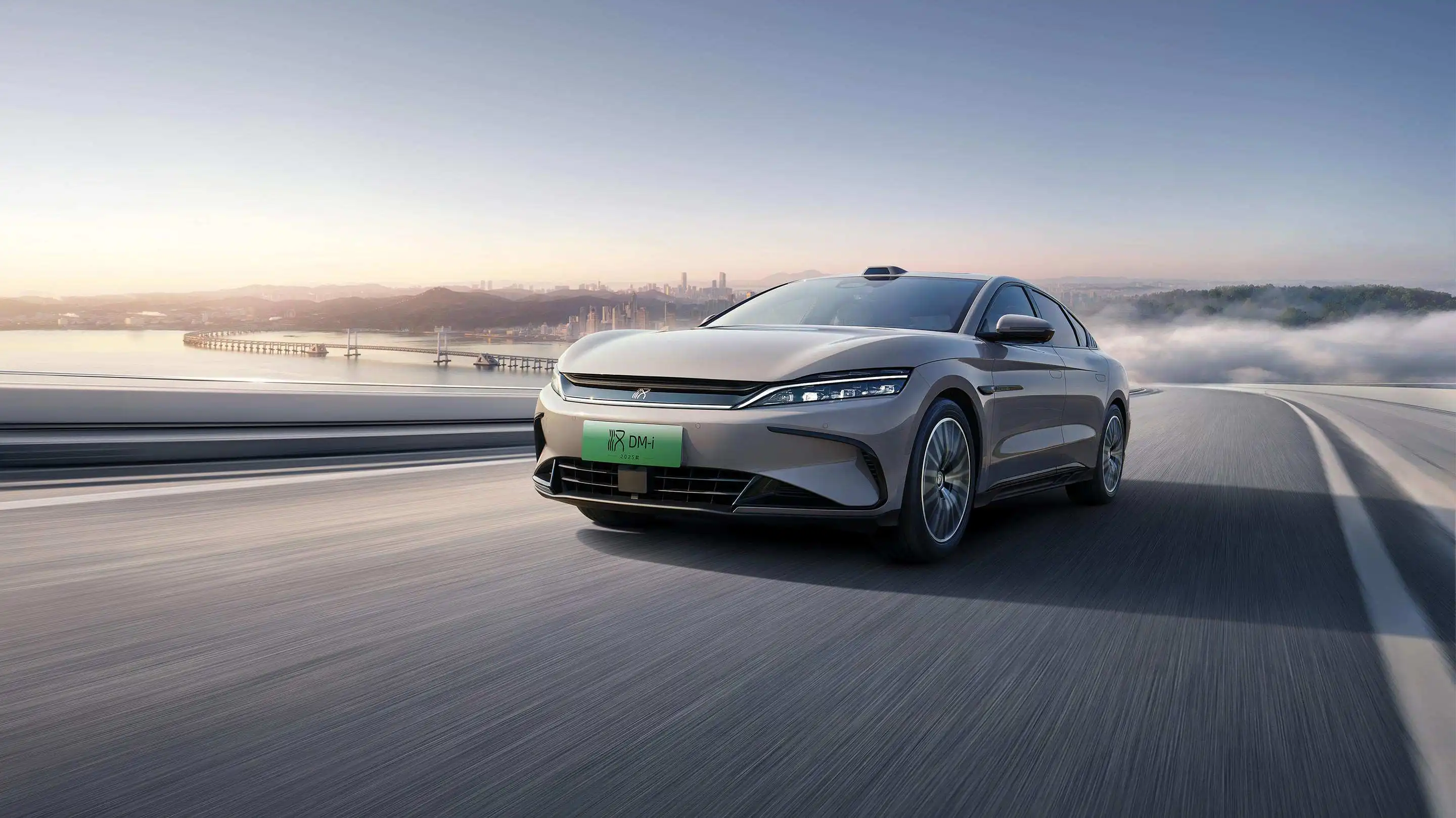
BYD Han Series The Han series represents BYD's flagship sedan lineup, available in both pure electric (EV) and plug-in hybrid (DM) variants.
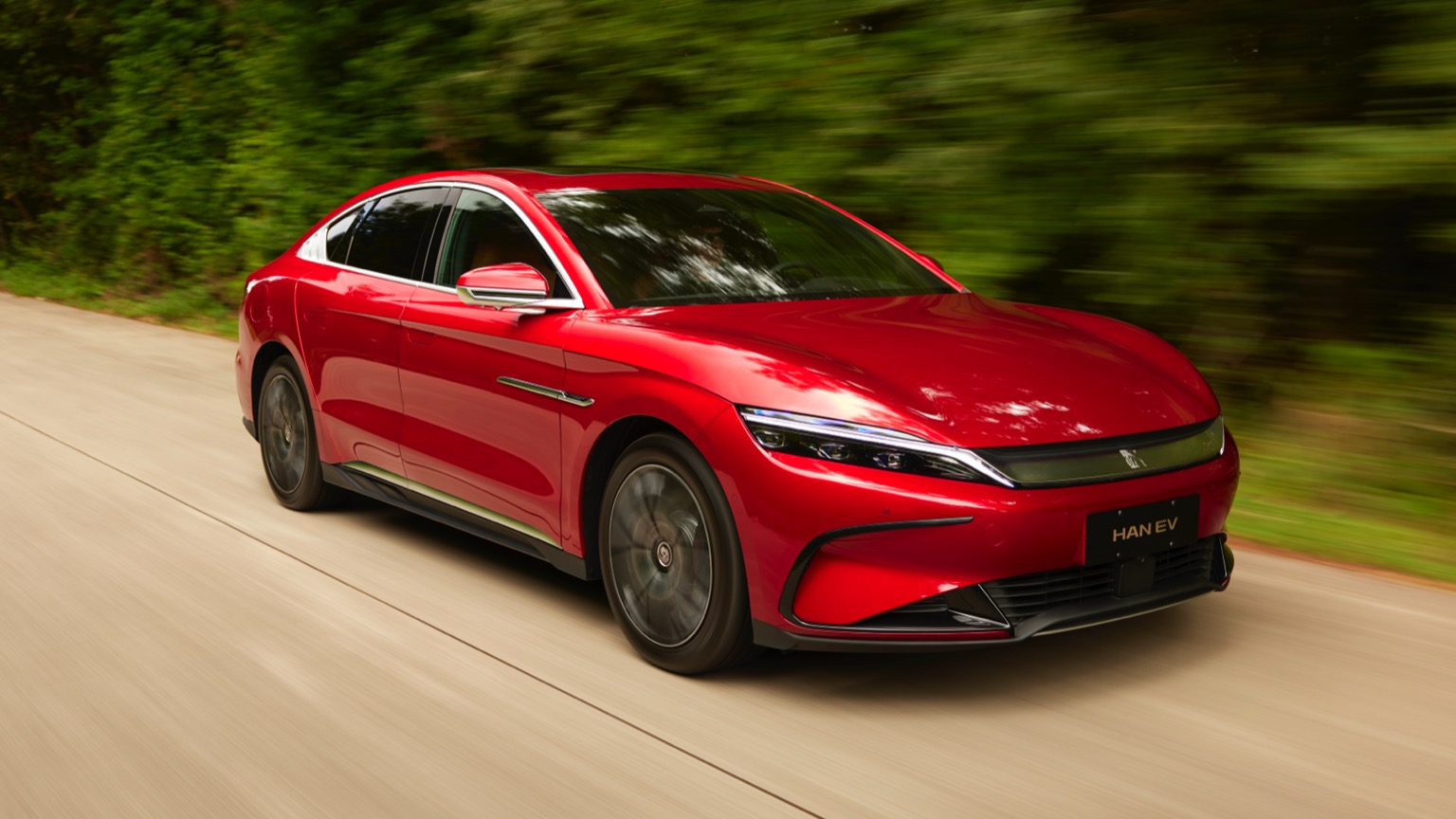
Han EV: - Range: Up to 605 km (NEDC) - Power: 380 kW (dual motor AWD) - Acceleration: 0-100 km/h in 3.9 seconds - Key Features: Blade Battery technology, advanced driver assistance systems, luxury interior appointments - Price Range: $35,000 - $45,000 (estimated international pricing)
Han DM: - Combined Range: Over 1,300 km with fuel and electric - Electric Range: 121 km (NEDC) - Fuel Consumption: 1.4L/100km - Power: 321 kW combined system power
BYD Qin Series The Qin series targets the compact sedan segment with both EV and DM variants.
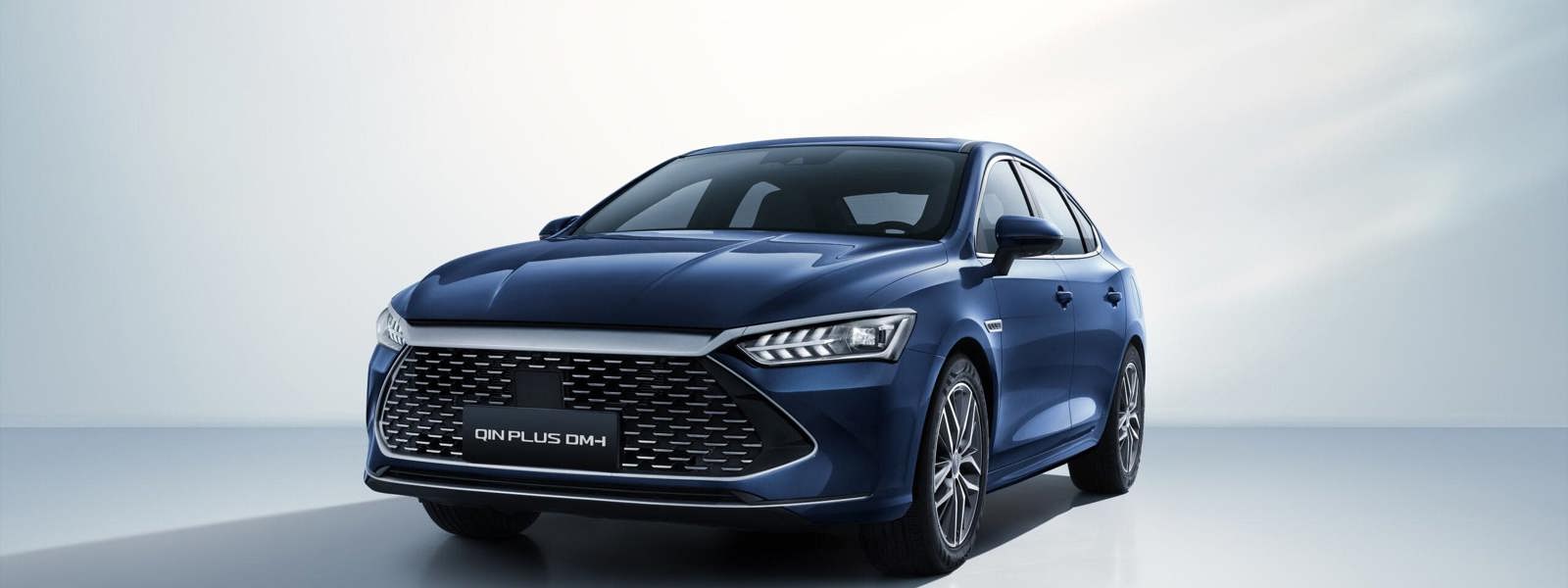
Qin PLUS EV: - Range: Up to 600 km (CLTC) - Power: 135 kW front motor - Features: Rotating touchscreen, advanced safety systems - Price: Starting from $18,000 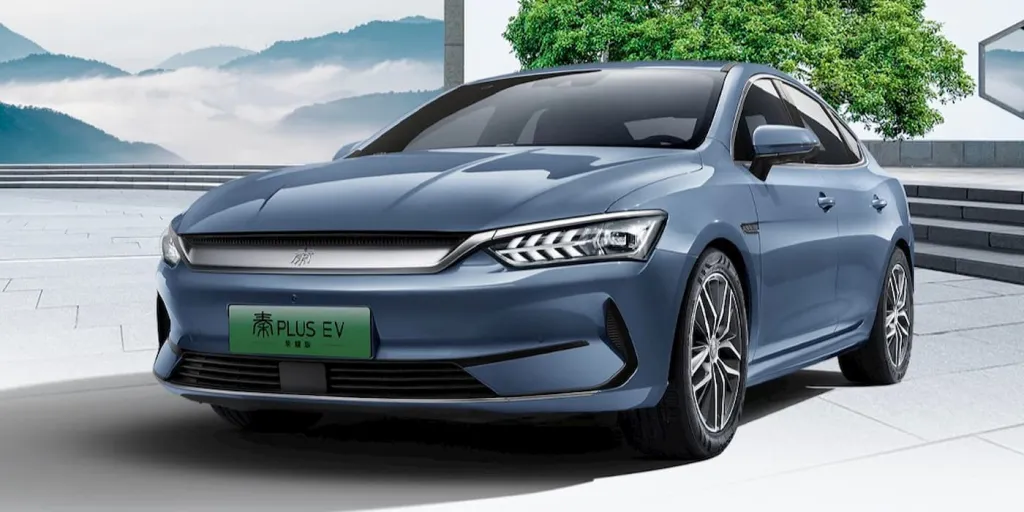 Qin PLUS DM-i: - Fuel Consumption: As low as 3.8L/100km - Electric Range: 120 km - Total Range: Over 1,200 km
SUV Models
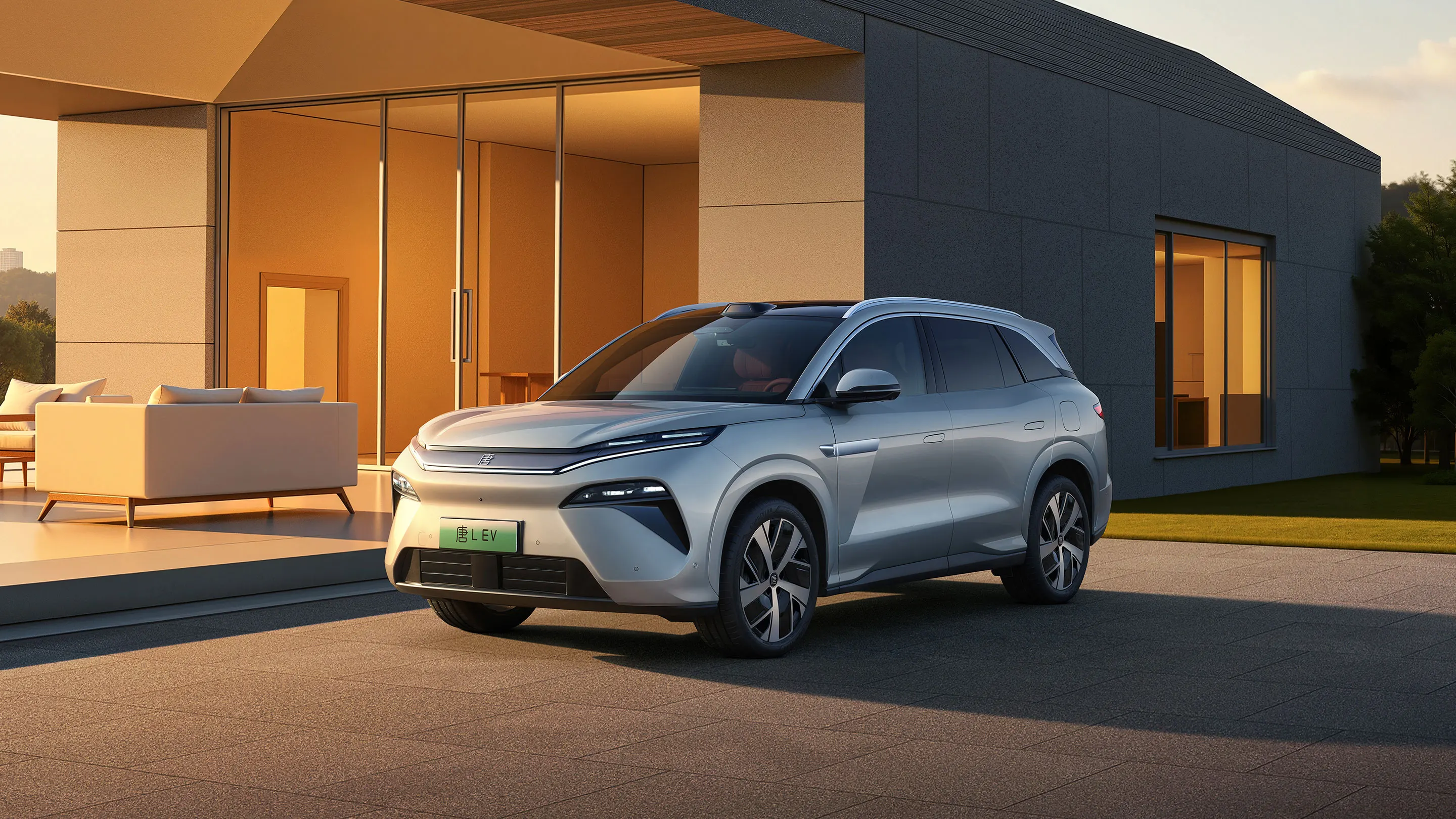
BYD Tang Series The Tang series offers full-size SUV capability with seven-seat configurations.
Tang EV: - Range: Up to 635 km (NEDC) - Power: 380 kW (dual motor) - Seating: 7 seats - Towing Capacity: 1,500 kg
Tang DM: - Combined Power: 321 kW - Electric Range: 100 km - Fuel Consumption: 1.8L/100km
BYD Song Series Compact SUV options for families and urban drivers.
Song PLUS EV: - Range: Up to 605 km (CLTC) - Power: 150 kW - Features: Panoramic sunroof, advanced infotainment
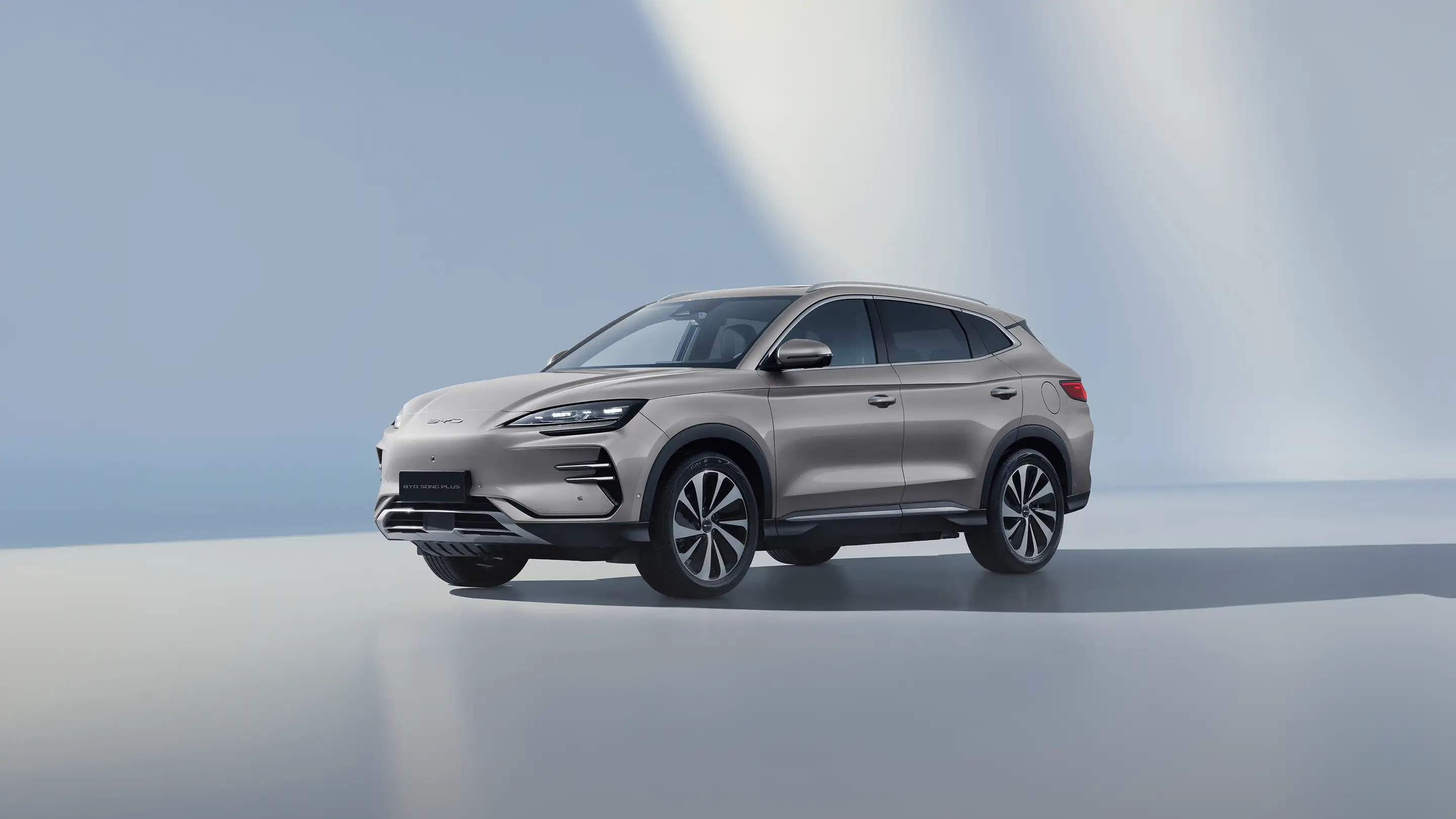
Song PLUS DM-i: - Fuel Consumption: 4.4L/100km - Electric Range: 110 km
Commercial and Specialty Vehicles
BYD e6: Electric MPV designed for taxi and ride-sharing services BYD T3: Electric delivery van for urban logistics BYD K-Series: Electric buses for public transportation
Technological Innovations
Blade Battery Technology BYD's Blade Battery represents a breakthrough in lithium iron phosphate (LFP) battery technology. Key advantages include: - Enhanced safety with no thermal runaway risk - Longer lifespan (over 1 million kilometers) - Faster charging capabilities - Lower cost compared to traditional battery packs
DM-i Super Hybrid System BYD's DM-i (Dual Mode intelligent) technology combines electric and gasoline power for optimal efficiency: - Electric-priority operation - Extremely low fuel consumption - Seamless power delivery - Extended range capability
NIO: Premium Electric Mobility
Company Philosophy and Approach
NIO, founded in 2014, has positioned itself as a premium electric vehicle brand focused on providing exceptional user experiences. The company's approach goes beyond just manufacturing cars; they've created an entire ecosystem of services, technology, and community engagement that sets them apart in the luxury EV segment.
NIO's business model emphasizes service innovation, with features like battery swapping, mobile charging, and comprehensive user support through their NIO Houses. This service-centric approach has helped establish strong customer loyalty and brand differentiation in the competitive premium EV market. 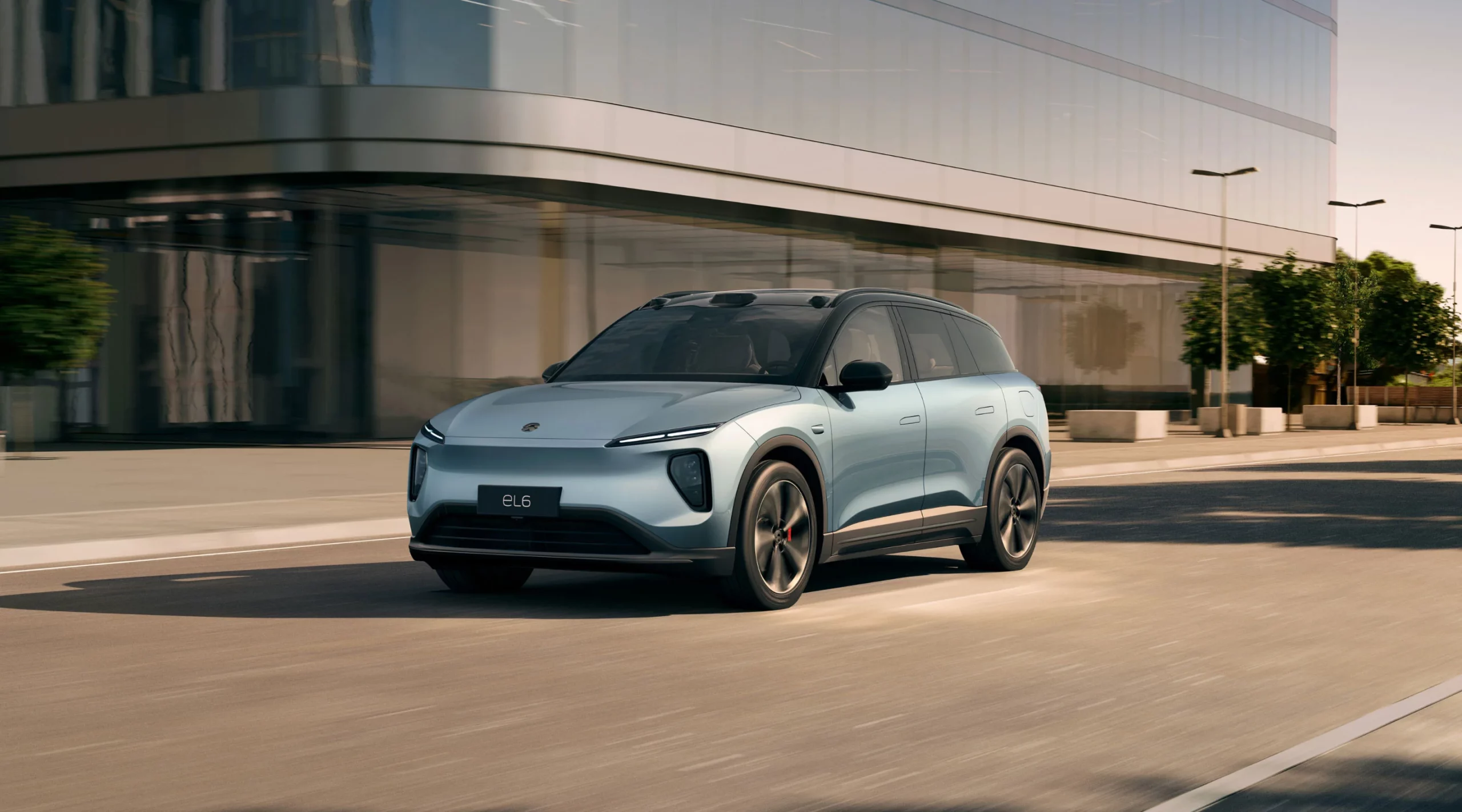
Current Model Portfolio
Sedan Models
NIO ET7 NIO's flagship executive sedan combines luxury, performance, and advanced technology.
Specifications: - Range: Up to 1,000+ km (with 150kWh battery) - Power: Up to 480 kW (dual motor) - Acceleration: 0-100 km/h in 3.8 seconds - Features: Advanced autonomous driving capabilities, premium interior materials, air suspension - Price: Starting from $69,000
NIO ET5 A sporty sedan targeting younger luxury car buyers.
Specifications: - Range: Up to 1,000+ km (with 150kWh battery) - Power: 360 kW (dual motor) - Acceleration: 0-100 km/h in 4.3 seconds - Features: Sport-tuned suspension, performance-oriented interior design
SUV Models
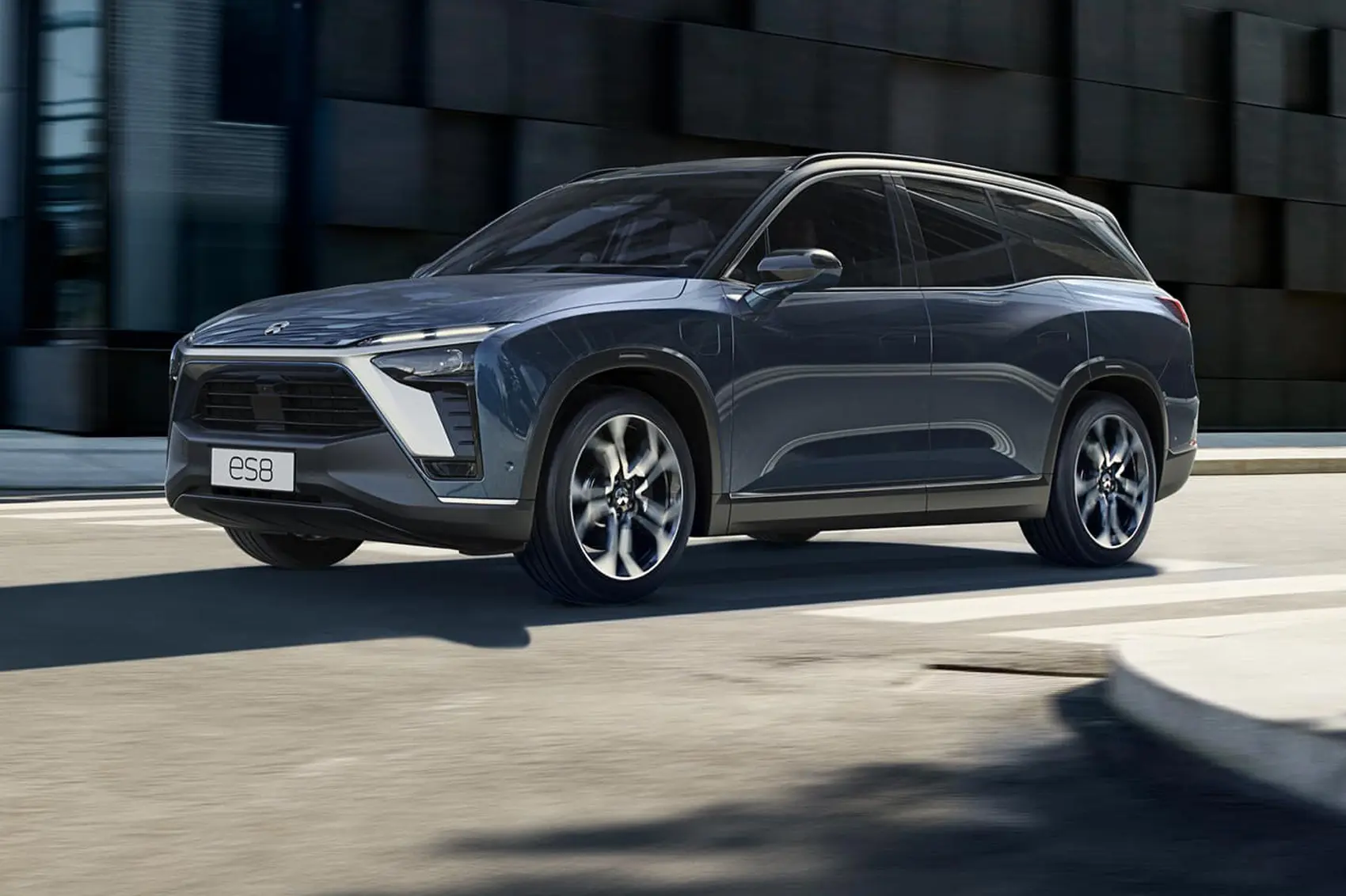
NIO ES8 A full-size luxury SUV with three-row seating.
Specifications: - Range: Up to 900+ km (with 150kWh battery) - Power: 400 kW (dual motor) - Seating: 6 or 7 seats - Features: Queen co-pilot seat, NOMI AI assistant, premium audio system - Price: Starting from $74,000
NIO ES7 Mid-size luxury SUV balancing performance and practicality.
Specifications: - Range: Up to 930 km (CLTC) - Power: 360 kW (dual motor) - Features: Advanced driver assistance, luxury appointments
NIO ES6 Compact luxury SUV for urban and suburban driving.
Specifications: - Range: Up to 900+ km (with 150kWh battery) - Power: 320 kW (dual motor) - Features: Sport-tuned chassis, premium interior
Coupe SUV Models
NIO EC7 Luxury coupe SUV combining style and performance.
NIO EC6 Sporty coupe SUV with distinctive design.
Innovative Technologies and Services
Battery as a Service (BaaS) NIO's BaaS model allows customers to purchase vehicles without batteries and lease battery packs separately. Benefits include: - Lower initial purchase price - Battery upgrade flexibility - Worry-free battery maintenance - Guaranteed battery performance
Power Swap Technology NIO's battery swapping stations enable 3-minute battery replacement: - Over 2,000 swap stations globally - Automated swapping process - Multiple battery options available - Reduces charging time concerns
NOMI AI Assistant World's first in-car AI assistant with emotional intelligence: - Natural language processing - Personalized responses - Continuous learning capabilities - Integration with vehicle systems
Xpeng Motors: Smart Electric Vehicles
Company Focus and Innovation
Xpeng Motors, established in 2014, has built its reputation on developing "smart" electric vehicles that integrate advanced autonomous driving technology with competitive pricing. The company's focus on software development and artificial intelligence has resulted in vehicles that offer sophisticated driver assistance features typically found only in much more expensive luxury cars.
Xpeng's approach emphasizes the integration of hardware and software, with significant investment in autonomous driving research and development. The company operates its own autonomous driving testing facilities and has developed proprietary software platforms that enable over-the-air updates and continuous improvement of vehicle capabilities.
Model Range
Sedan Models
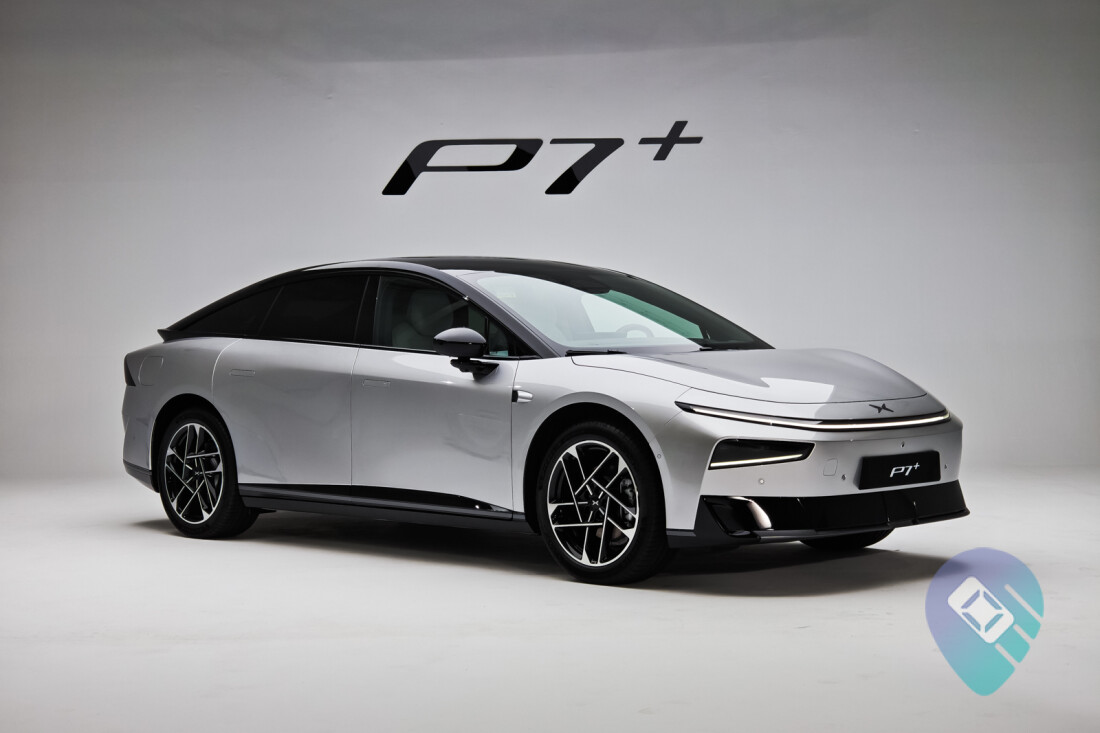
Xpeng P7 Xpeng's flagship sedan focuses on performance and autonomous driving capabilities.
Specifications: - Range: Up to 706 km (NEDC) - Power: Up to 316 kW (dual motor) - Acceleration: 0-100 km/h in 4.3 seconds - Features: Advanced autopilot system, minimalist interior design, large touchscreen interface - Price: Starting from $33,000
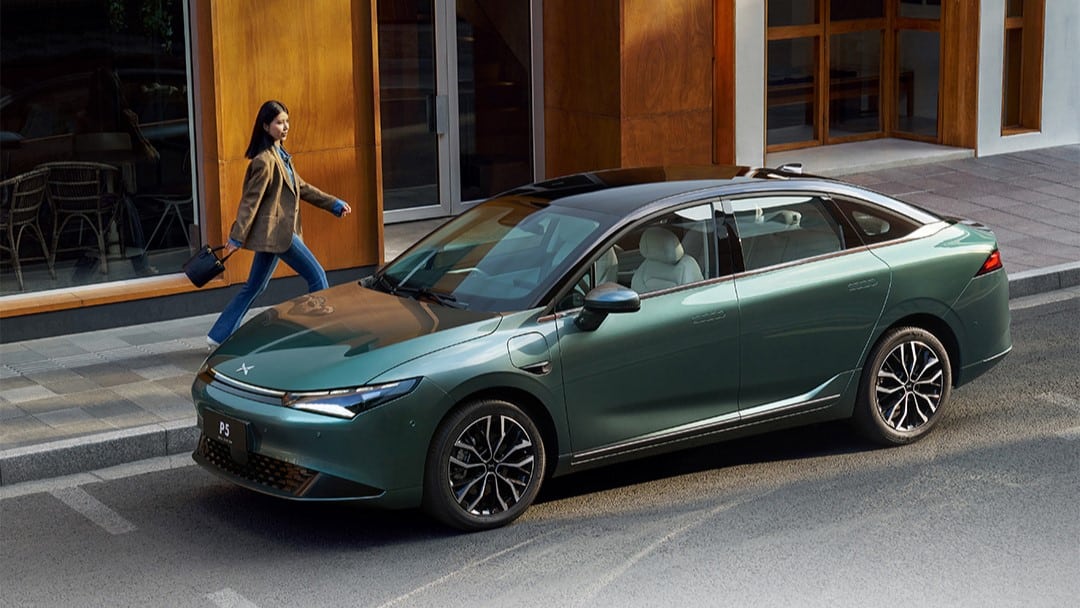
Xpeng P5 Compact sedan with advanced smart features at an accessible price point.
Specifications: - Range: Up to 600 km (CLTC) - Power: 155 kW - Features: LiDAR-equipped autonomous driving, spacious interior, smart cabin features - Price: Starting from $24,000
SUV Models
Xpeng G9 Full-size luxury SUV with advanced technology and performance.
Specifications: - Range: Up to 702 km (CLTC) - Power: Up to 405 kW (dual motor) - Features: 800V high-voltage platform, ultra-fast charging, advanced driver assistance - Price: Starting from $42,000
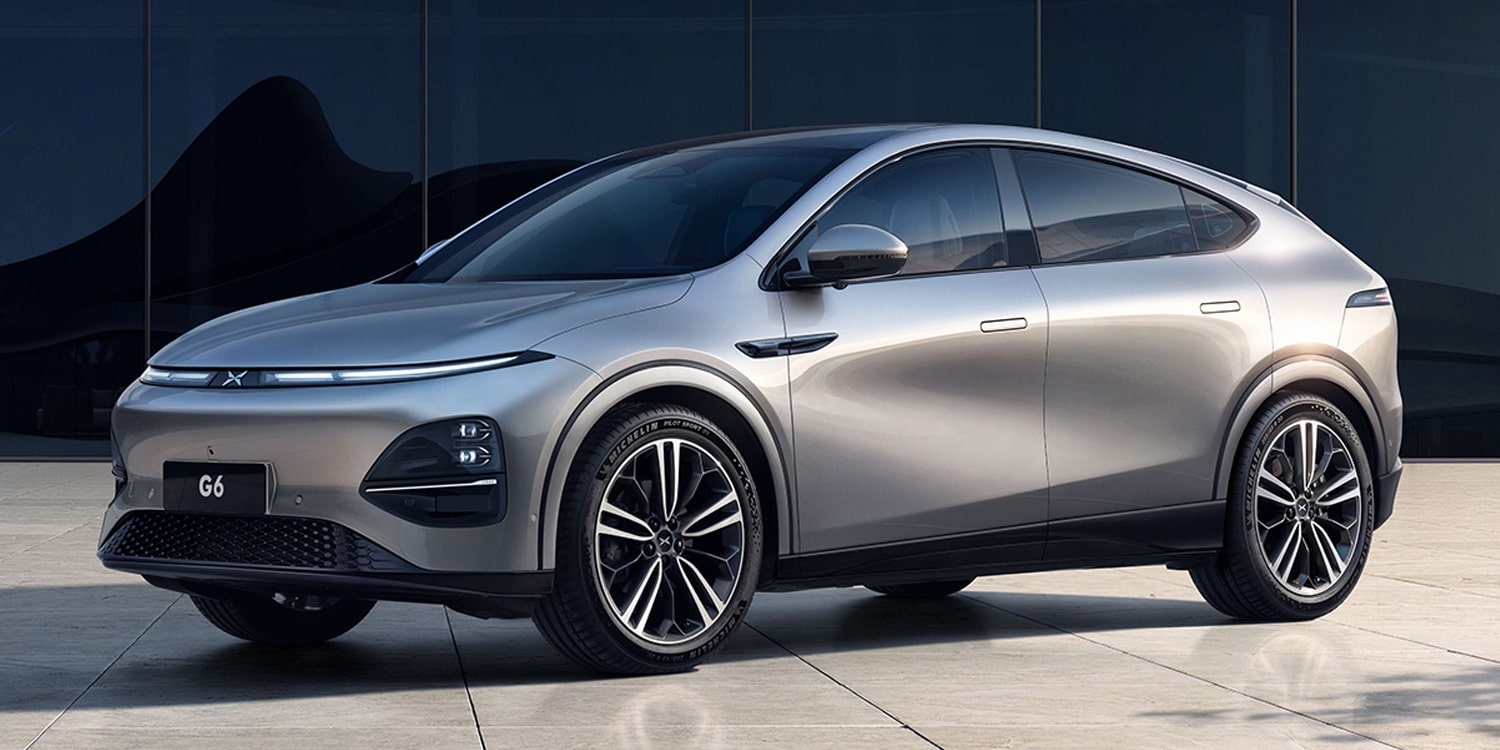
Xpeng G6 Mid-size SUV balancing technology and practicality.
Specifications: - Range: Up to 755 km (CLTC) - Power: Up to 358 kW - Features: Coupe-like design, advanced infotainment system
Compact Models
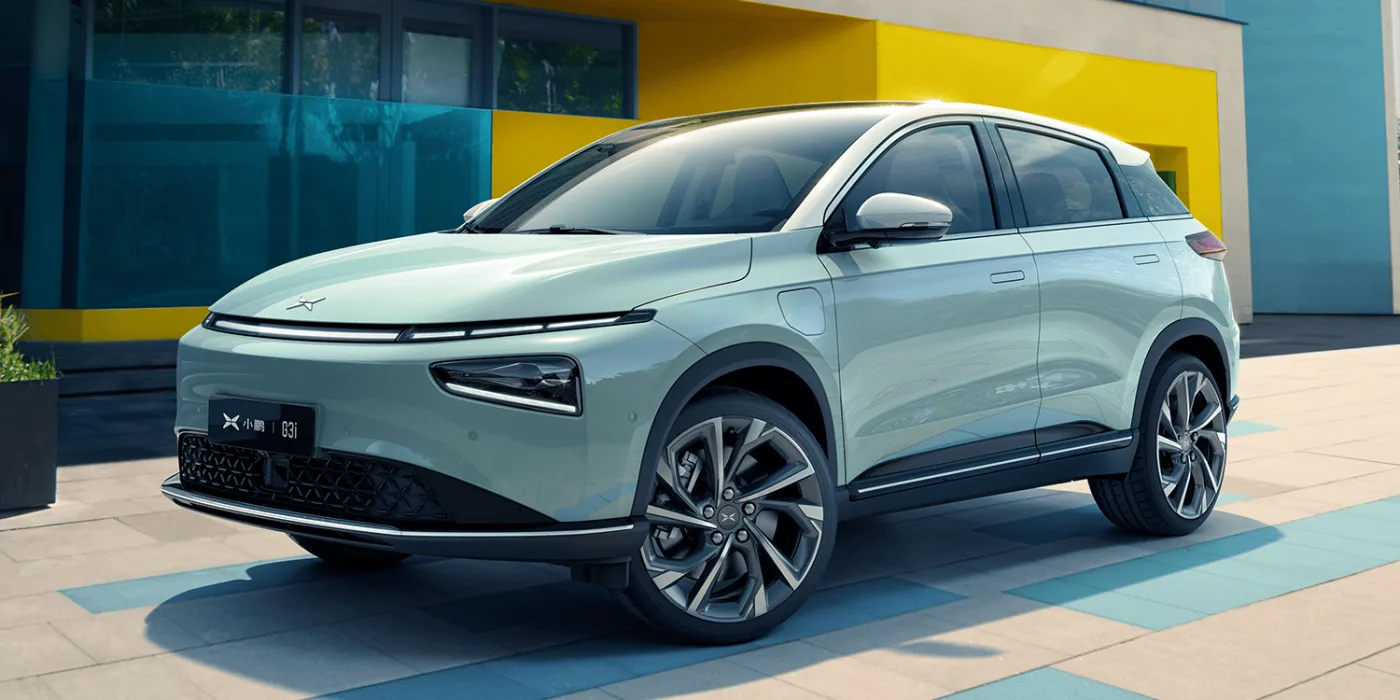
Xpeng G3 Compact SUV designed for urban mobility.
Specifications: - Range: Up to 520 km (NEDC) - Power: 145 kW - Features: Affordable pricing, smart connectivity features - Price: Starting from $19,000
Autonomous Driving Technology
XPILOT System Xpeng's proprietary autonomous driving system offers multiple levels of automation: - XPILOT 2.5: Basic driver assistance features - XPILOT 3.0: Advanced highway autopilot - XPILOT 3.5: City-level autonomous driving capabilities - XPILOT 4.0: Full autonomous driving (in development)
Hardware Platform - Multiple cameras and sensors - LiDAR integration (on select models) - High-performance computing platform - Continuous over-the-air updates
Li Auto: Extended-Range Electric Vehicles
Unique Approach to Electric Mobility
Li Auto (formerly Li Xiang) has carved out a unique niche in the Chinese EV market by focusing exclusively on extended-range electric vehicles (EREVs). This approach addresses one of the primary concerns of potential EV buyers: range anxiety. By combining electric drive systems with small gasoline engines that act as generators, Li Auto vehicles can travel long distances without requiring frequent charging stops.
The company's strategy has proven successful, particularly among families and users who frequently travel long distances. Li Auto's vehicles offer the environmental benefits and smooth operation of electric drive while providing the convenience and range of traditional vehicles.
Current Model Lineup
SUV Models
Li L9 Full-size luxury SUV designed for large families.
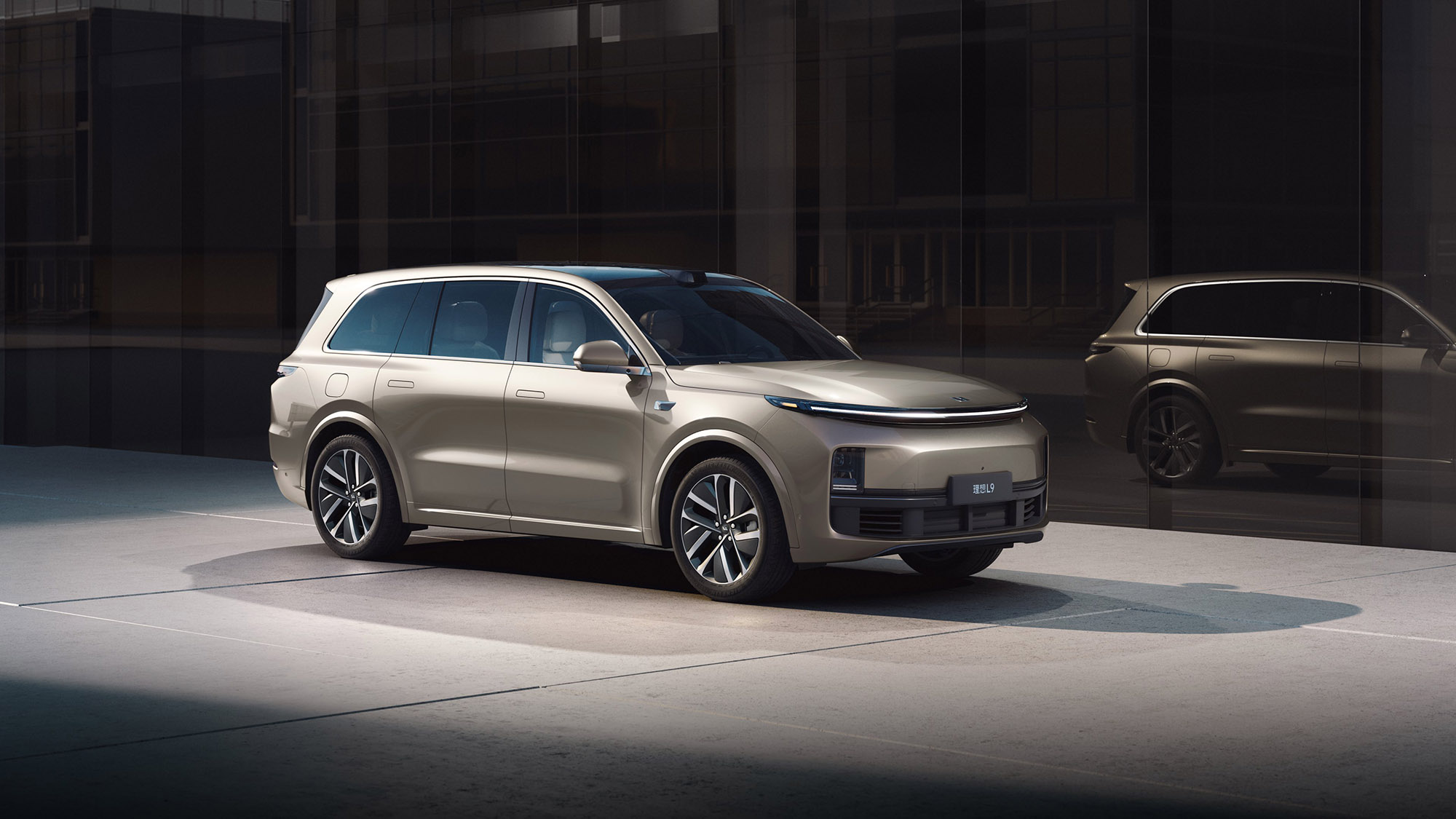
Specifications: - Range: 1,315 km total (215 km electric-only) - Power: 330 kW combined system - Seating: 6 seats (2+2+2 configuration) - Features: Refrigerator, massage seats, advanced entertainment system - Price: Starting from $65,000
Li L8 Mid-size luxury SUV with extended-range capability.
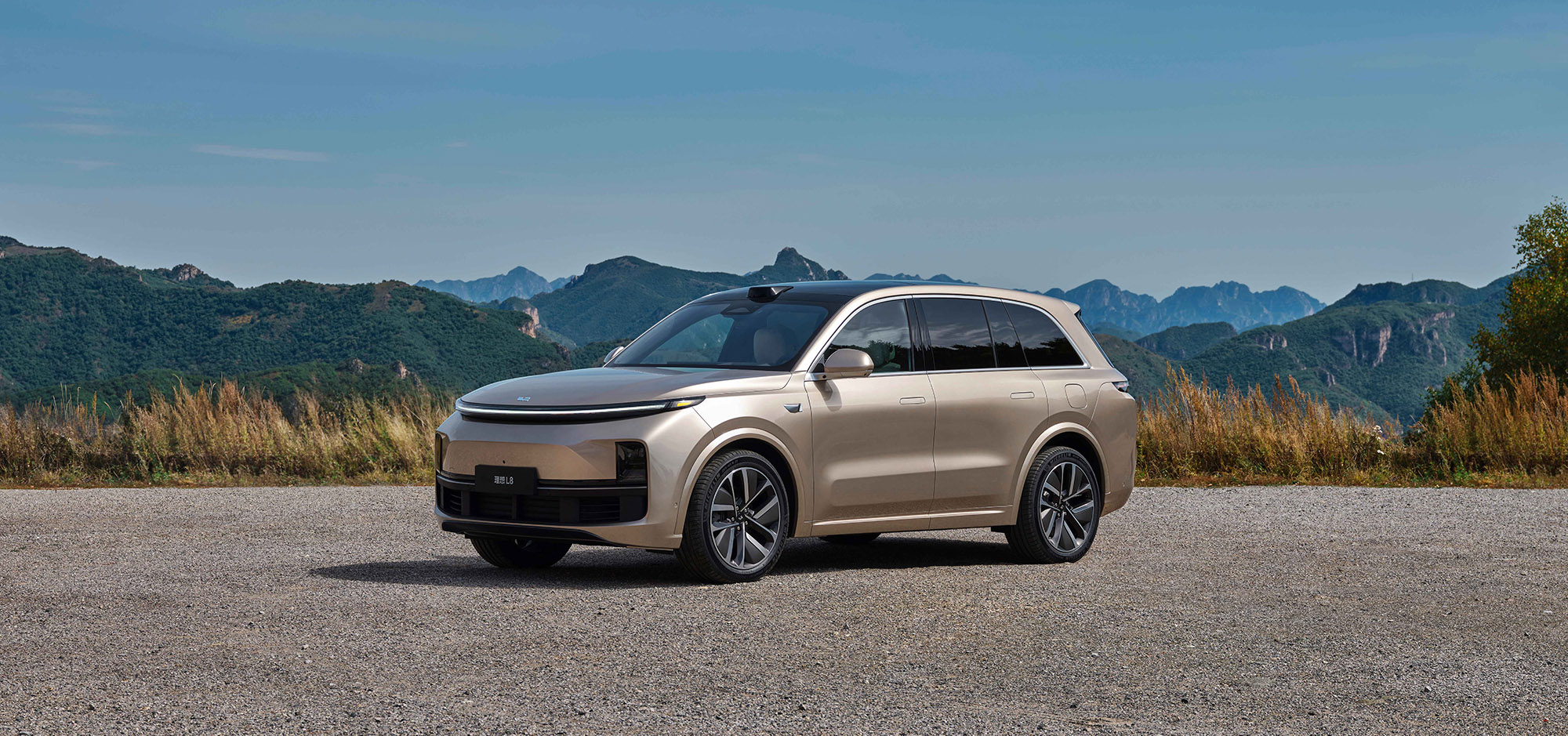
Specifications: - Range: 1,315 km total (210 km electric-only) - Power: 330 kW combined system - Seating: 6 seats - Features: Premium interior, advanced driver assistance
Li L7 Five-seat luxury SUV with sporty design.
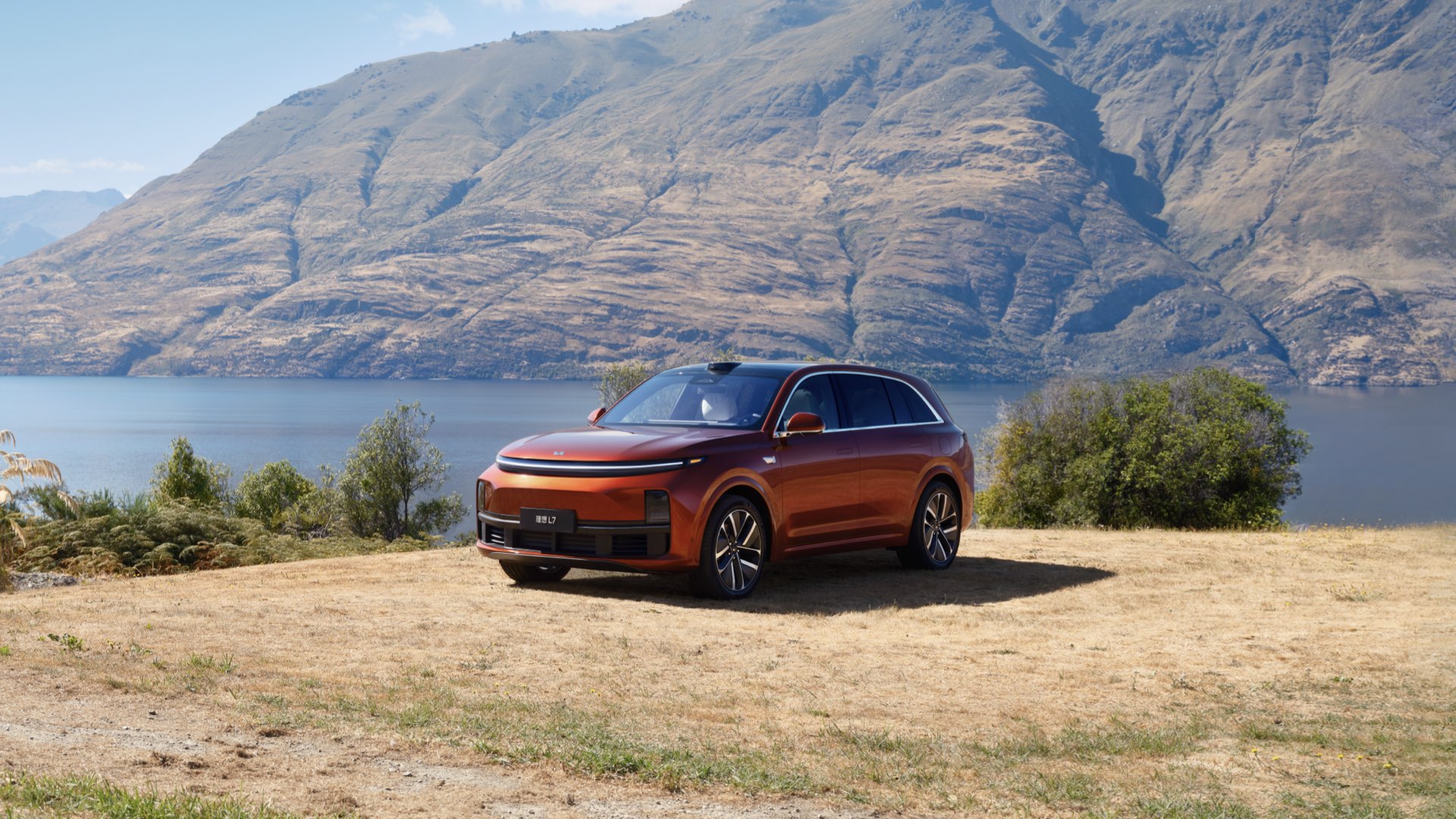
Specifications: - Range: 1,315 km total (210 km electric-only) - Power: 330 kW combined system - Features: Sport-tuned suspension, performance-oriented design
Li ONE (Legacy Model) The original Li Auto model that established the brand.
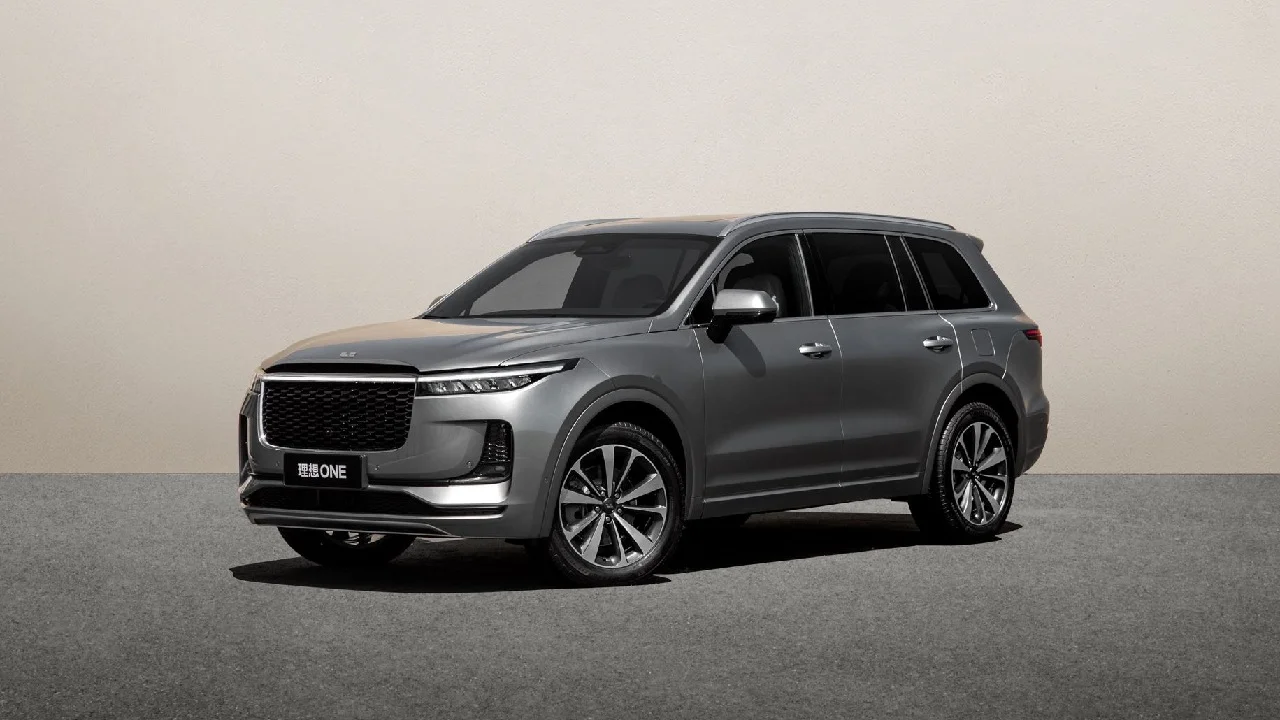
Specifications: - Range: Over 800 km total - Power: 245 kW combined system - Features: Family-focused design, practical interior layout
Extended-Range Technology
How EREV Works Li Auto's extended-range system operates primarily as an electric vehicle: - Electric motors provide all propulsion - Small gasoline engine generates electricity when battery is low - No direct mechanical connection between engine and wheels - Optimal efficiency through electric-first operation
Advantages of EREV - Eliminates range anxiety - Reduced charging infrastructure dependence - Lower emissions than traditional vehicles - Electric driving experience for daily use
Other Major Chinese EV Manufacturers
Geely and Zeekr
Geely Automobile Traditional automaker with expanding EV portfolio: - Geometry series (pure electric sedans and SUVs) - Emgrand EV (affordable electric sedan) - Partnership with Volvo for advanced technology
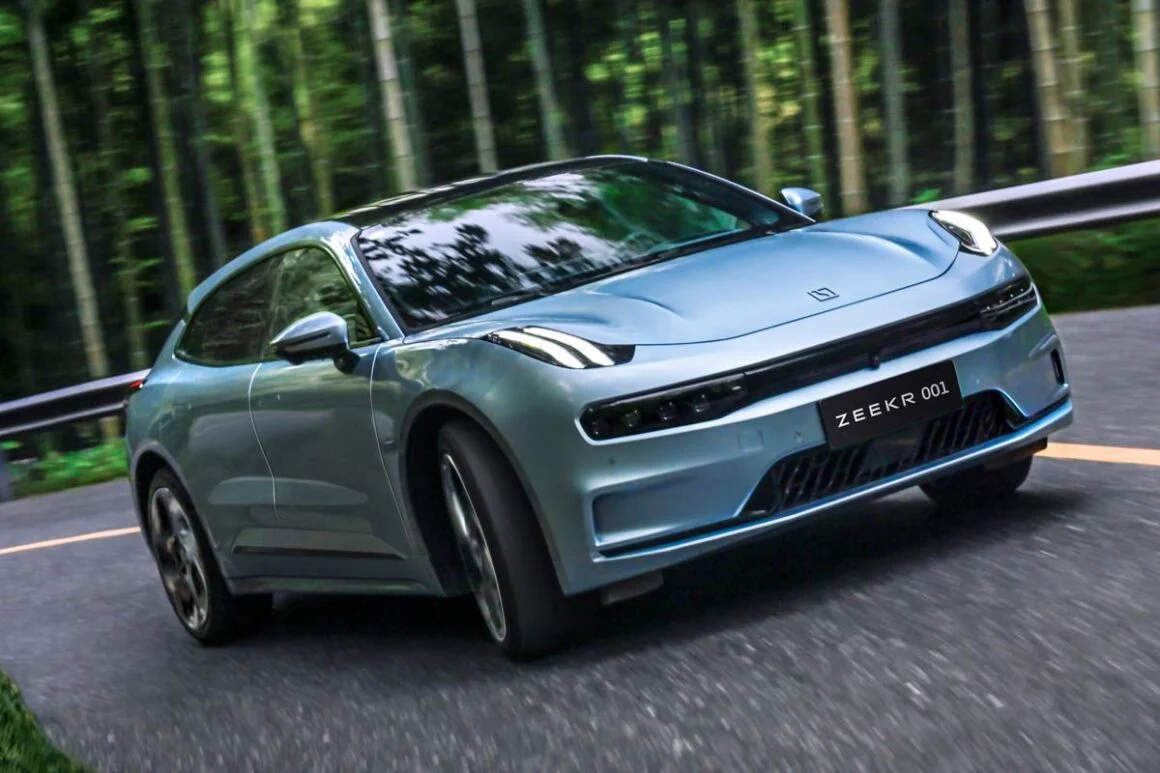
Zeekr Geely's premium electric brand: - Zeekr 001: High-performance shooting brake - Zeekr 009: Luxury electric MPV - Advanced 800V charging technology
Great Wall Motors and ORA
Great Wall Motors Diversified manufacturer with multiple EV brands: - WEY brand: Premium hybrid and electric SUVs - Tank brand: Electric off-road vehicles
ORA Great Wall's dedicated EV brand focusing on design and lifestyle: - ORA Good Cat: Retro-styled compact EV - ORA Black Cat: Affordable city car - ORA Lightning Cat: Performance-oriented sedan
SAIC and MG
SAIC Motor China's largest automaker with comprehensive EV strategy: - Roewe brand: Mid-range electric vehicles - IM Motors: Premium electric brand - Rising Auto: Technology-focused EVs
MG (Morris Garages) British brand owned by SAIC with global EV ambitions: - MG4 EV: Compact electric hatchback - MG ZS EV: Electric compact SUV - MG5 EV: Electric wagon/estate
Changan and Avatr
Changan Automobile Traditional manufacturer with aggressive EV expansion: - Changan Uni-V: Sporty electric sedan - Changan CS55 E-Rock: Electric SUV
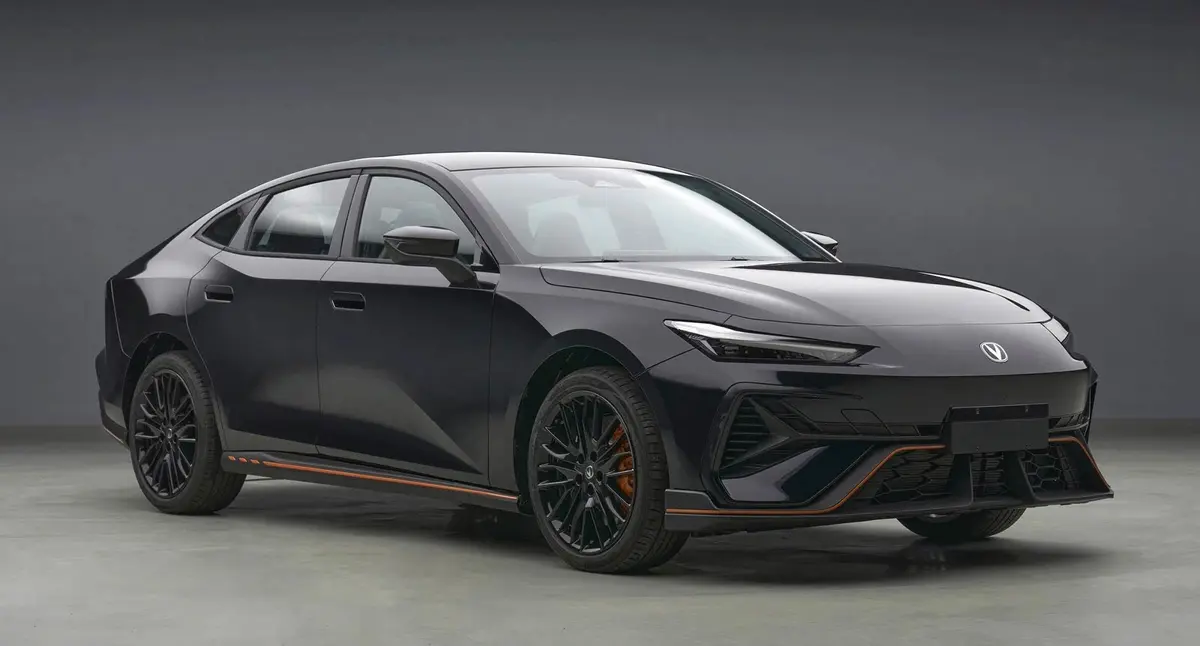
Avatr Joint venture between Changan, CATL, and Huawei: - Avatr 11: Luxury electric SUV with advanced technology - Avatr 12: Premium electric sedan
GAC and Aion
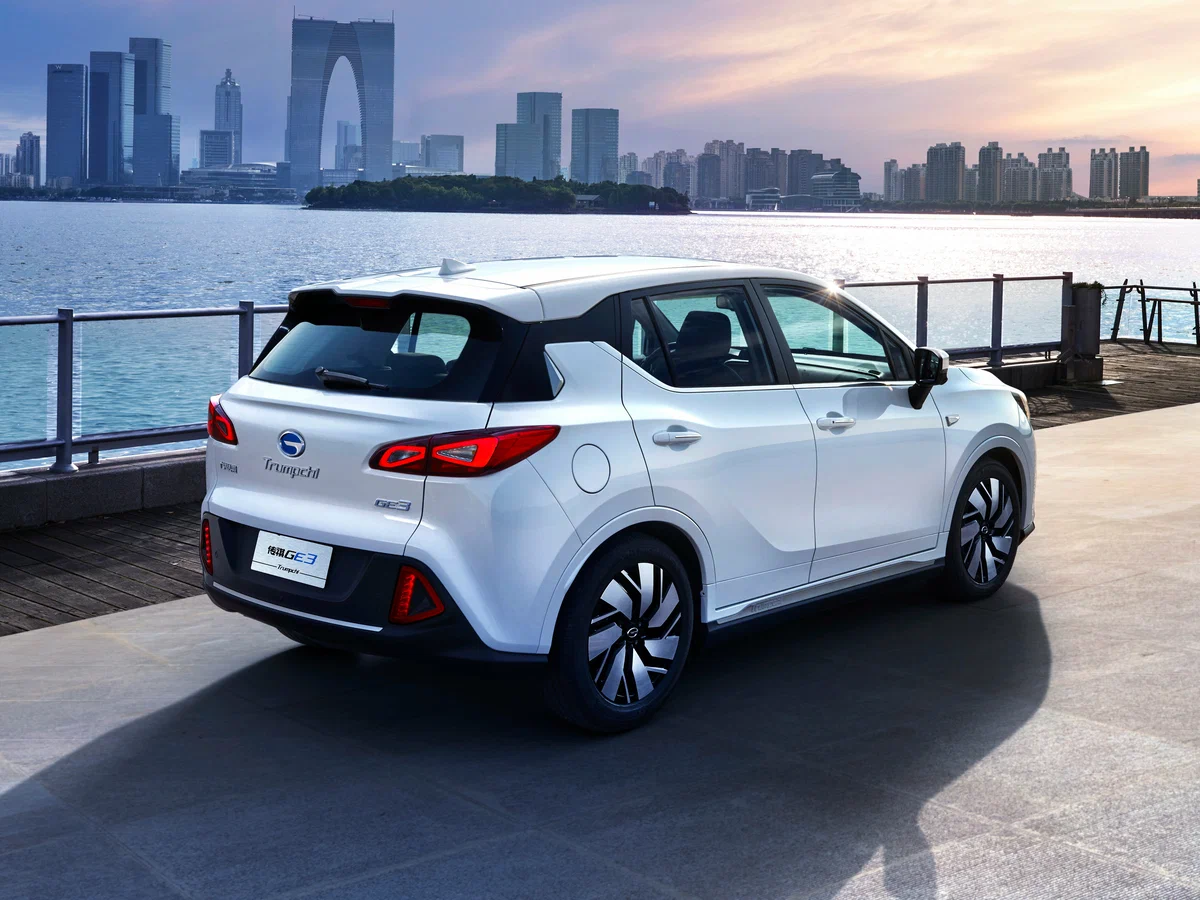
GAC Group Guangzhou-based manufacturer with strong EV focus: - GAC Aion: Dedicated EV sub-brand - Trumpchi GE3: Compact electric SUV
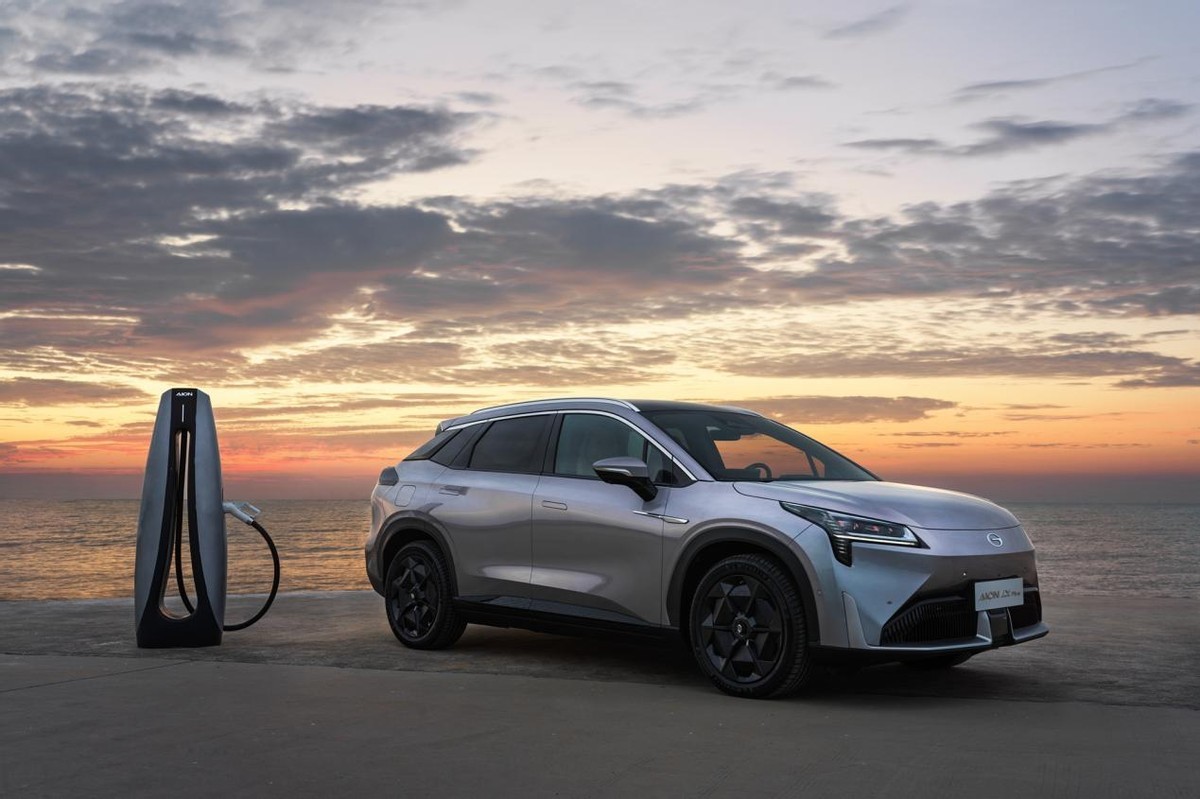
Aion GAC's premium EV brand: - Aion S: Mid-size electric sedan - Aion V: Electric SUV with advanced features - Aion LX: Luxury electric SUV
Technology and Innovation Highlights
Battery Technology Advancements
Lithium Iron Phosphate (LFP) Batteries Chinese manufacturers have led the development of safer, more cost-effective LFP batteries: - Enhanced safety characteristics - Longer lifespan - Lower cost - Improved cold weather performance
Blade Battery Innovation BYD's Blade Battery technology has influenced the entire industry: - Structural battery pack design - Improved space utilization - Enhanced safety features - Cost reduction benefits
Solid-State Battery Development Several Chinese manufacturers are investing in next-generation solid-state batteries: - Higher energy density - Faster charging capabilities - Improved safety - Longer lifespan
Charging Technology
Ultra-Fast Charging Chinese EVs increasingly support high-speed charging: - 800V architecture for faster charging - 350kW+ charging capabilities - 10-80% charging in under 20 minutes - Advanced thermal management
Wireless Charging Some manufacturers are developing wireless charging solutions: - Inductive charging pads - Automatic positioning systems - Integration with parking infrastructure
Autonomous Driving Development
LiDAR Integration Chinese manufacturers have been early adopters of LiDAR technology: - More accurate environmental sensing - Enhanced safety in autonomous mode - Improved performance in challenging conditions
AI and Machine Learning Advanced software platforms enable continuous improvement: - Over-the-air updates - Learning from fleet data - Personalized driving experiences - Predictive maintenance
Global Expansion and Availability
European Market Entry
Established Presence Several Chinese brands have successfully entered European markets: - BYD: Available in Norway, Netherlands, Germany, and expanding - NIO: Operating in Norway with plans for broader European expansion - Xpeng: Launched in Norway and Netherlands - MG: Strong presence across Europe through SAIC ownership
Market Strategy Chinese manufacturers employ various strategies for European expansion: - Direct sales in some markets - Partnership with local distributors - Establishment of local service networks - Compliance with European safety and emissions standards
North American Prospects
Current Status Chinese EV manufacturers face challenges entering the North American market: - Trade tensions and tariffs - Regulatory requirements - Established competition - Infrastructure considerations
Future Possibilities Some manufacturers are exploring North American entry: - Local manufacturing partnerships - Technology licensing agreements - Commercial vehicle focus initially - Gradual market entry strategies
Southeast Asian Expansion
Growing Presence Southeast Asia represents a key growth market: - Thailand: BYD and other brands establishing manufacturing - Indonesia: Government support for EV adoption - Singapore: Premium market for luxury EVs - Malaysia: Growing interest in affordable EVs
Other Global Markets
Australia and New Zealand - MG leading Chinese brand presence - BYD expanding commercial vehicle offerings - Growing consumer acceptance
South America - BYD establishing presence in Brazil and Chile - Focus on commercial and public transportation - Gradual expansion to passenger vehicles
Middle East and Africa - Commercial vehicle focus initially - Growing interest in passenger EVs - Infrastructure development challenges
Pricing and Value Proposition
Competitive Pricing Strategy
Chinese EV manufacturers have disrupted traditional automotive pricing through:
Cost Advantages - Vertical integration reducing component costs - Efficient manufacturing processes - Government support and incentives - Scale economies from large domestic market
Value Engineering - Focus on features that matter to consumers - Elimination of unnecessary complexity - Standardization across model ranges - Continuous cost reduction initiatives
Price Ranges by Segment
Entry-Level EVs ($15,000 - $25,000) - Compact cars and small SUVs - Basic but adequate feature sets - Suitable for urban commuting - Examples: Wuling Mini EV, ORA Black Cat, BYD Dolphin
Mid-Range EVs ($25,000 - $45,000) - Family sedans and SUVs - Advanced technology features - Competitive with international brands - Examples: BYD Qin PLUS, Xpeng P5, NIO ET5
Premium EVs ($45,000 - $80,000) - Luxury sedans and large SUVs - Advanced autonomous driving features - Premium materials and appointments - Examples: NIO ES8, BYD Han, Li L9
Ultra-Luxury EVs ($80,000+) - Flagship models with cutting-edge technology - Exclusive features and materials - Limited production or special editions - Examples: NIO ET7 with premium packages
Challenges and Considerations
Quality and Reliability Concerns
Historical Perceptions Chinese automotive brands have historically faced skepticism regarding quality: - Legacy of lower-quality products - Concerns about long-term reliability - Service and support availability - Resale value uncertainty
Current Reality Modern Chinese EVs demonstrate significantly improved quality: - International quality standards compliance - Advanced manufacturing processes - Comprehensive testing and validation - Improving customer satisfaction ratings
Service and Support Infrastructure
Domestic Market Chinese manufacturers have extensive service networks domestically: - Comprehensive dealer networks - Mobile service capabilities - Parts availability - Warranty support
International Markets Service infrastructure varies by market: - Limited service networks in some regions - Partnership with local service providers - Mobile service solutions - Remote diagnostics capabilities
Technology Transfer and IP Concerns
Innovation vs. Adaptation Chinese manufacturers balance innovation with technology adaptation: - Significant investment in R&D - Original technology development - Strategic partnerships with global suppliers - Respect for intellectual property rights
Future Outlook and Trends
Technology Development Roadmap
Next-Generation Batteries - Solid-state battery commercialization - Higher energy density achievements - Faster charging capabilities - Improved cold weather performance
Autonomous Driving Evolution - Level 4 autonomous driving deployment - City-level autonomous navigation - Vehicle-to-everything (V2X) communication - AI-powered predictive systems
Connectivity and Software - Advanced infotainment systems - Seamless smartphone integration - Cloud-based services - Continuous over-the-air updates
Market Expansion Plans
Global Presence Growth Chinese manufacturers plan significant international expansion: - European market penetration - Exploration of North American opportunities - Southeast Asian market development - Emerging market entry strategies
Local Manufacturing - Overseas production facilities - Partnership with local manufacturers - Technology transfer agreements - Supply chain localization
Sustainability Initiatives
Environmental Responsibility Chinese EV manufacturers are emphasizing sustainability: - Carbon-neutral manufacturing goals - Renewable energy usage - Battery recycling programs - Sustainable material sourcing
Circular Economy - Vehicle lifecycle management - Component reuse and recycling - Sustainable supply chain practices - Environmental impact reduction
Buying Considerations and Recommendations
Factors to Consider
Intended Use - Daily commuting vs. long-distance travel - Urban vs. suburban/rural driving - Family size and space requirements - Performance vs. efficiency priorities
Technology Preferences - Autonomous driving feature importance - Connectivity and infotainment needs - Charging preferences and infrastructure access - Software update expectations
Budget and Financing - Total cost of ownership calculations - Available incentives and rebates - Financing options and terms - Insurance and maintenance costs
Model Selection Guide
For Urban Commuters - Compact EVs with good efficiency - Advanced connectivity features - Easy parking and maneuverability - Recommended: BYD Dolphin, Xpeng G3, ORA Good Cat
For Families - Spacious SUVs or MPVs - Safety features and reliability - Practical interior layouts - Recommended: BYD Tang, NIO ES8, Li L9
For Technology Enthusiasts - Advanced autonomous driving features - Cutting-edge infotainment systems - Regular software updates - Recommended: Xpeng P7, NIO ET7, Avatr 11
For Budget-Conscious Buyers - Affordable pricing with good value - Low operating costs - Reliable basic transportation - Recommended: BYD Qin PLUS, Geely Geometry A
Where to Find and Purchase
For those interested in exploring these Chinese EV options, it's important to know where to find authorized dealers and service centers. You can learn more about finding affordable electric car dealerships from emerging brands to help locate the right purchasing options in your area.
The electric vehicle offerings from major Chinese automakers represent a compelling combination of advanced technology, competitive pricing, and innovative features. From BYD's industry-leading battery technology to NIO's premium service ecosystem, from Xpeng's autonomous driving capabilities to Li Auto's practical extended-range solutions, Chinese manufacturers have established themselves as serious competitors in the global EV market.
These vehicles offer consumers unprecedented choice and value in the electric vehicle segment. Whether you're looking for an affordable city car, a family SUV, or a luxury sedan with cutting-edge technology, Chinese automakers have developed compelling options that often exceed the capabilities of vehicles from traditional manufacturers at similar price points.
The rapid pace of innovation among Chinese EV manufacturers shows no signs of slowing down. With continued investment in research and development, expanding global presence, and improving quality and service standards, these brands are well-positioned to play an increasingly important role in the global transition to electric mobility.
As the electric vehicle market continues to evolve, Chinese manufacturers are likely to remain at the forefront of innovation, offering consumers around the world access to advanced, affordable, and reliable electric transportation solutions. The question is no longer whether Chinese EVs can compete with established brands, but rather how quickly they will reshape the entire automotive industry.
For consumers considering an electric vehicle purchase, exploring the options from Chinese manufacturers is not just advisable—it's essential. These vehicles represent some of the most advanced, feature-rich, and competitively priced options available in today's market, making them worthy of serious consideration for anyone looking to embrace the future of automotive transportation.
---