
Best Used SUVs in China Under $15,000 for Export
For many overseas dealers and importers, the real question is not simply how to buy a cheap SUV. It is how to buy a used SUV that can still make commercial sense after inspection, inland transport, export handling, ocean freight, customs clearance, and local resale preparation.
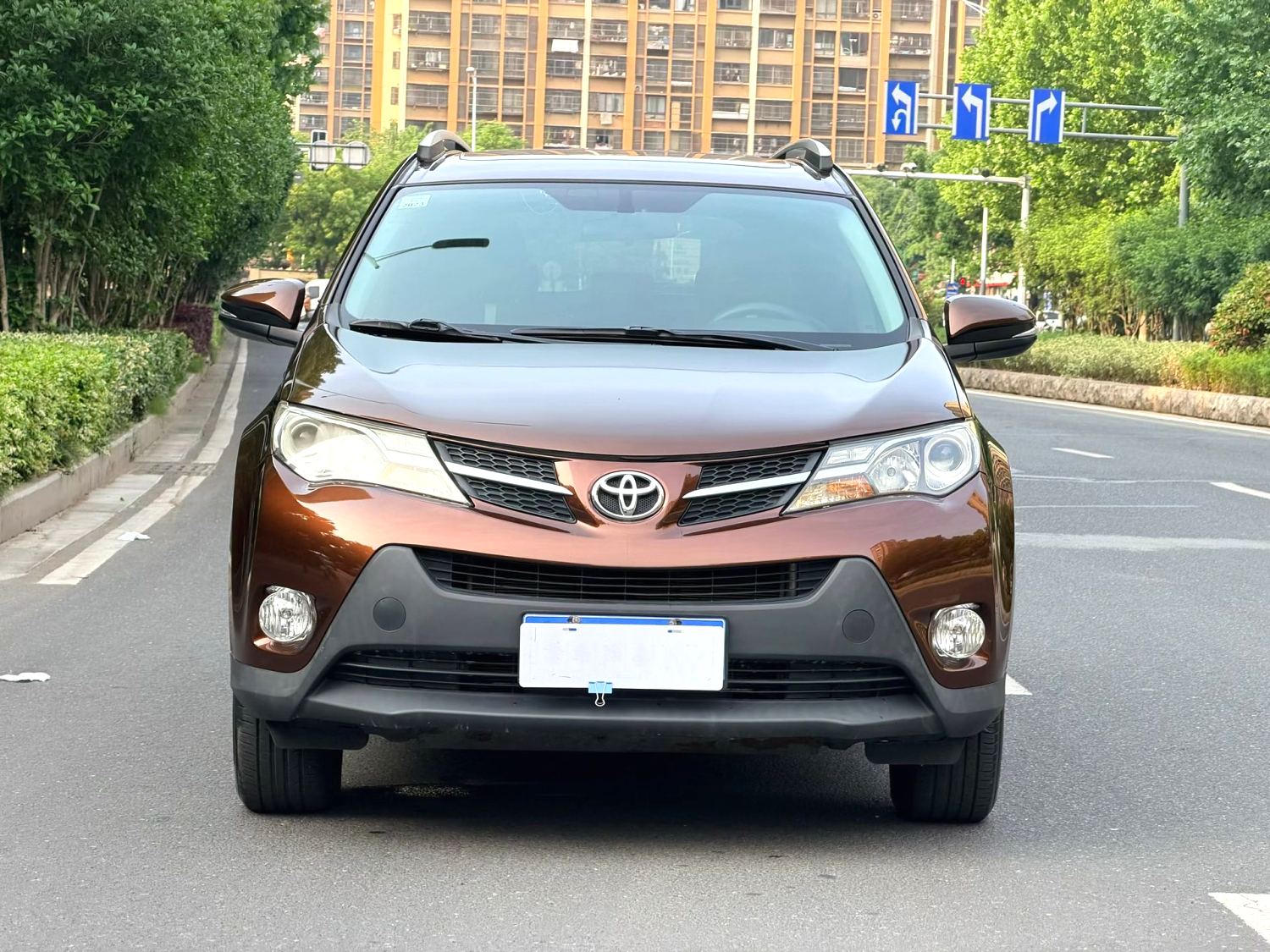
That is why the $15,000 used car range is worth a closer look. In this budget, China offers a broad mix of exportable SUVs: older but globally recognized Japanese models, newer Chinese-brand vehicles with stronger equipment levels, and in some cases selected hybrid or EV SUVs for markets that can support them.
This article is not meant to be a sales pitch. Instead, it is a practical sourcing guide for importers evaluating a Chinese used car for sale in the SUV category. We will look at which models are commonly considered, what matters more than headline price, and how to reduce sourcing risk before shipment.
SUV Options Importers Commonly Review in This Budget
At or below $15,000, buyers usually balance three priorities:
- brand recognition in the destination market - predictable maintenance costs - resale speed after arrival
In many regions, SUVs remain easier to place than sedans because they match local road conditions, family use, and consumer preference for higher ground clearance. The right choice depends on your country, customer profile, and after-sales capability.
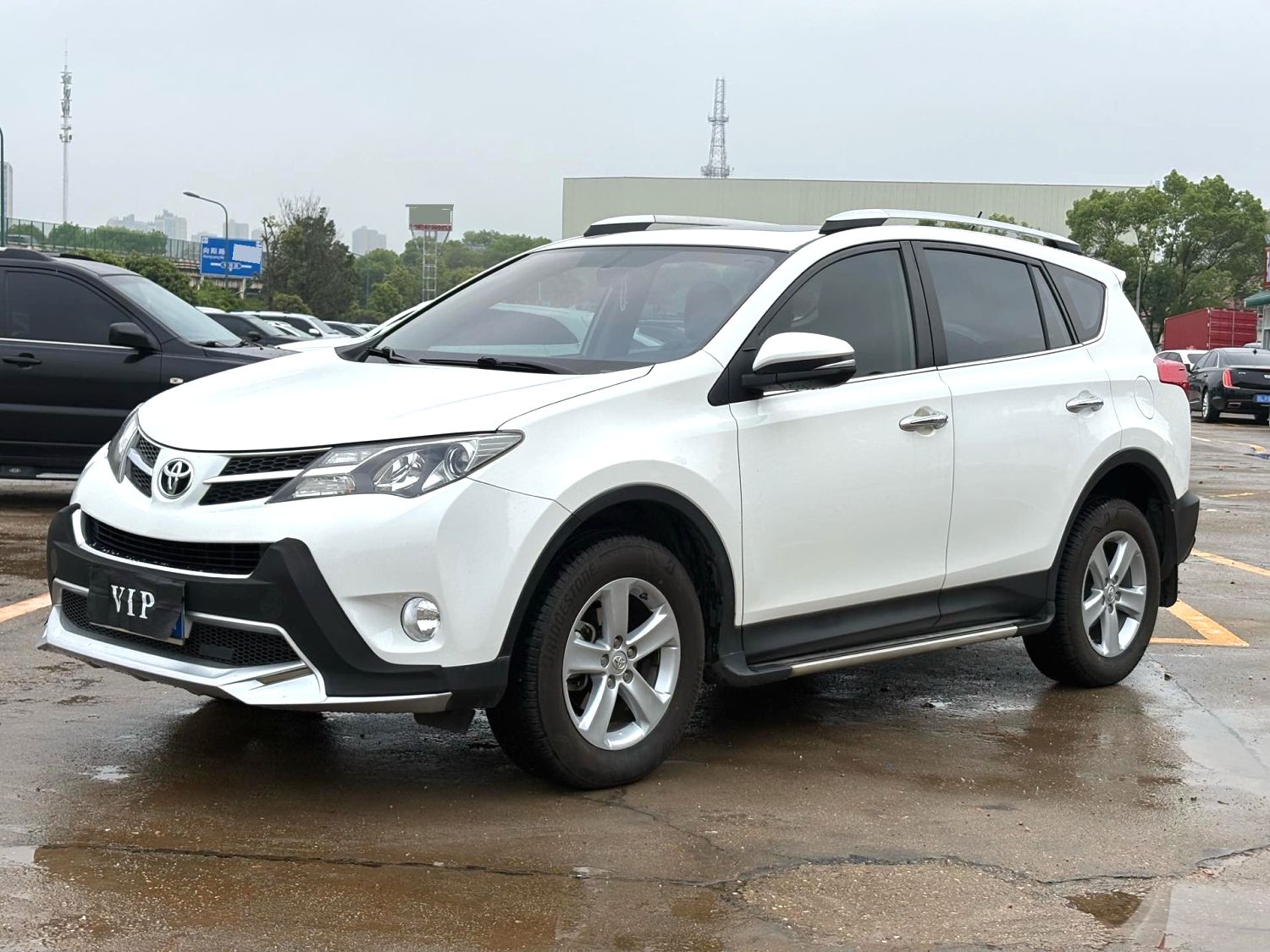
Here is a practical comparison table for commonly discussed options in China’s used export market:
| Model | Typical Strengths | Key Buying Concerns | Best Fit |
|---|---|---|---|
| Toyota RAV4 | Strong global recognition, easier resale in many markets | Condition varies widely by year and usage | Dealers focused on liquidity and familiar brands |
| Honda CR-V | Balanced space, comfort, and reputation | Price spread between clean units can be significant | Family-oriented retail markets |
| Nissan X-Trail | Comfortable ride, accepted in many import markets | Transmission history should be checked carefully | Buyers wanting mainstream Japanese SUVs |
| Haval H6 | Newer model years and richer features at the same budget | Parts support and market acceptance must be verified locally | Importers testing Chinese-brand demand |
| Geely Boyue | Competitive interior and equipment | Electronics and trim condition need closer review | Dealers building a differentiated lineup |
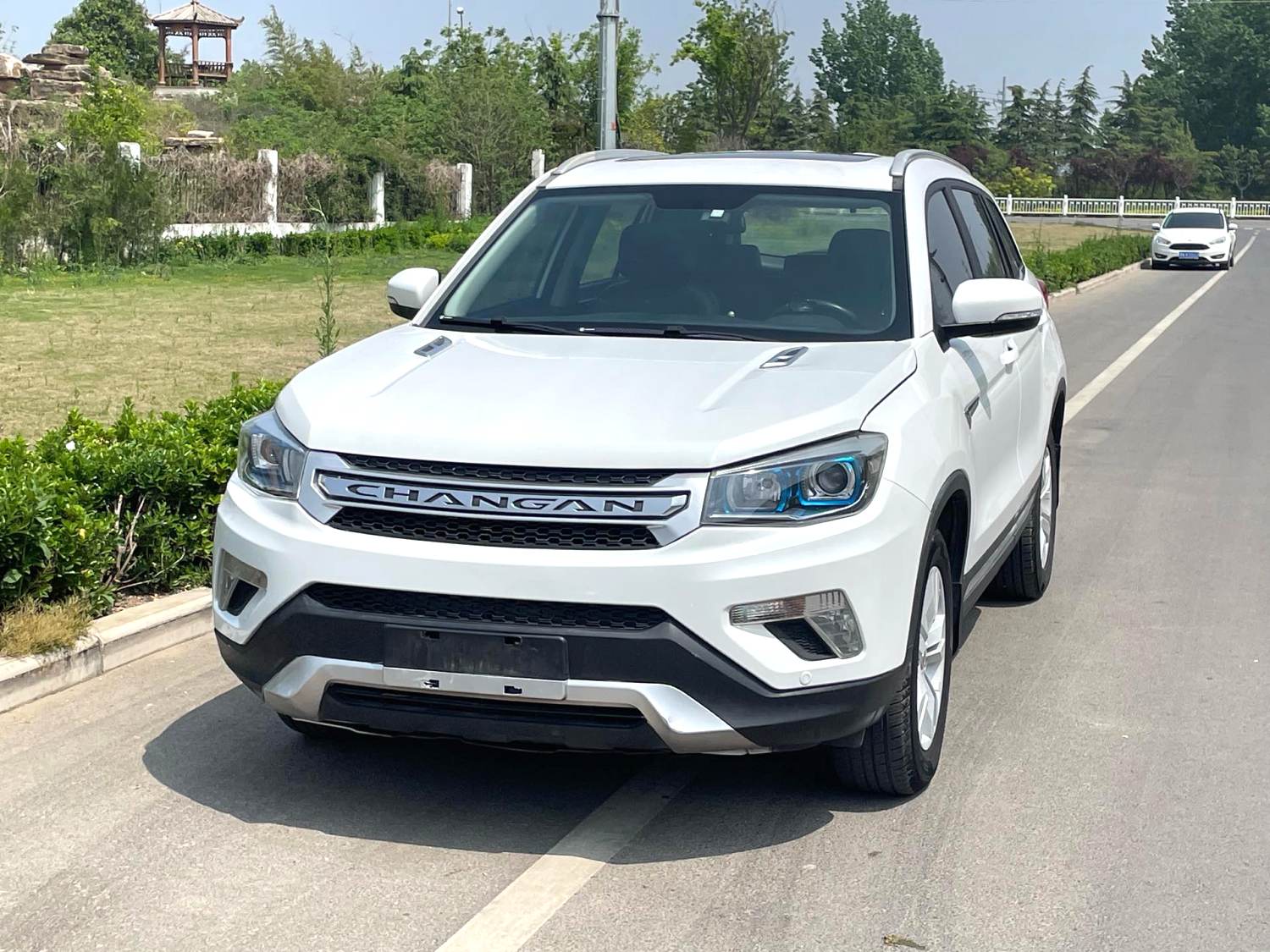
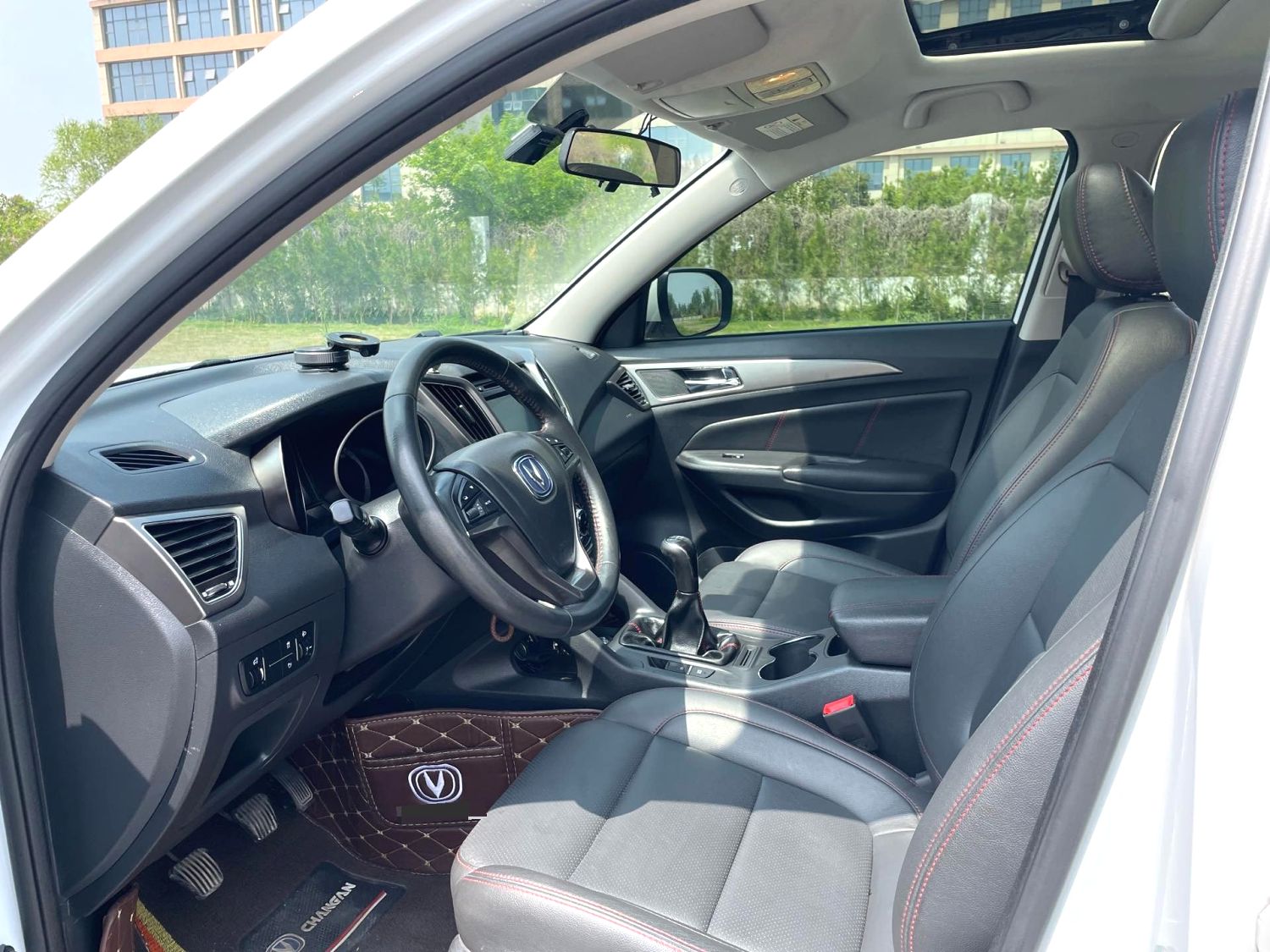
| Changan CS75 | Good space-to-price ratio | Version differences can affect resale | Budget-sensitive distributors |
A useful rule: do not compare these models only by year or mileage. Compare them by marketability after landing. A slightly older RAV4 may move faster in one market than a newer but less familiar SUV. In another market, a newer Chinese model with better features may attract more buyers at the same retail price band.
If you are still mapping the broader procurement schedule, this guide on how the used car export timeline from China usually works can help you estimate the path from vehicle selection to shipment.
Why the Lowest Price Is Rarely the Best Deal
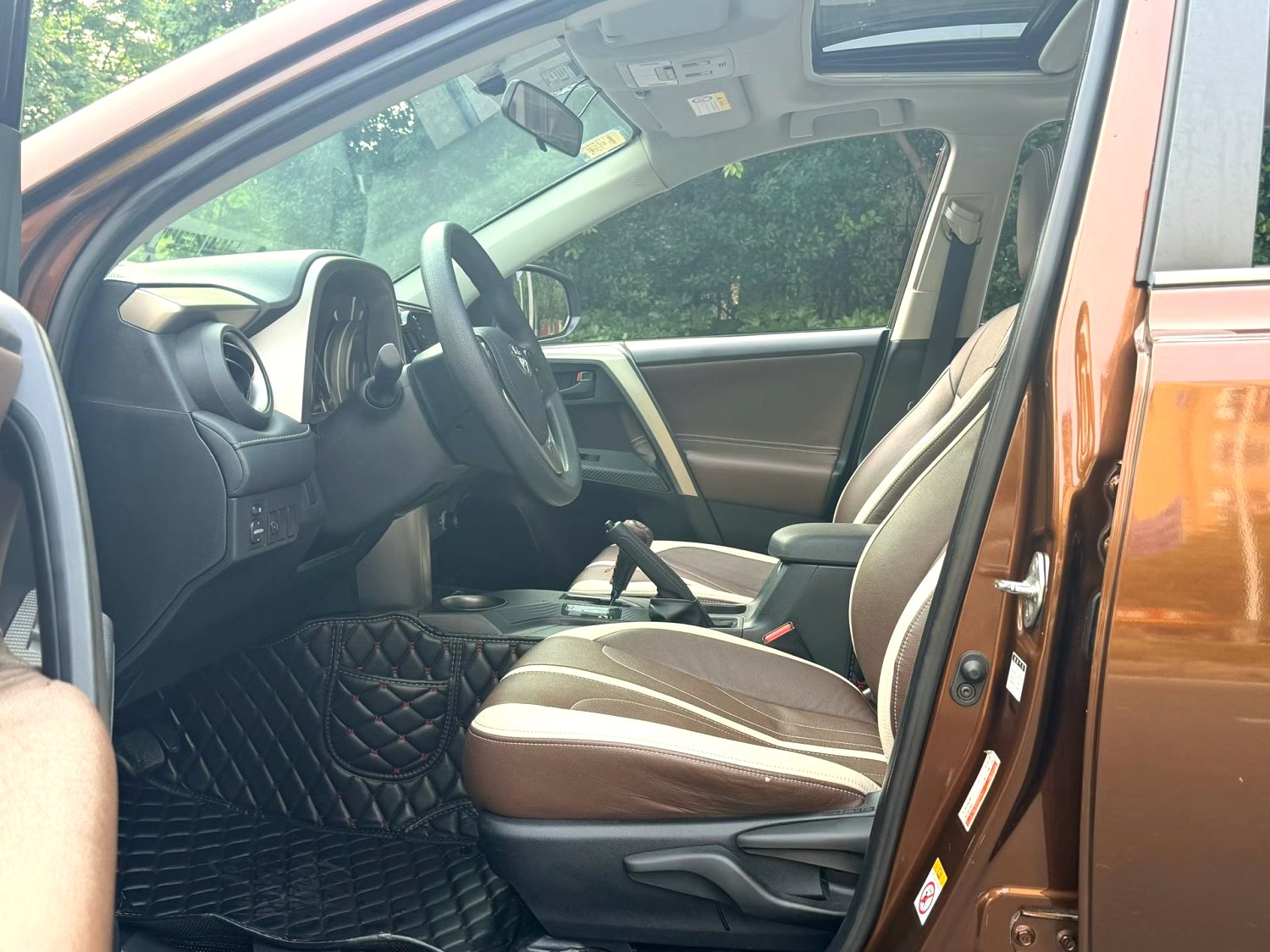
When buyers search for a $15,000 used car, the first filter is often FOB or ex-yard price. That is understandable, but in practice, the purchase price is only one part of the decision.
A good export deal should be evaluated through total landed logic.
1. Check export suitability before negotiating hard on price
A vehicle can look attractive on paper and still be a poor fit for your destination country. Before you move too far, confirm:
- age restrictions in the importing country - LHD or RHD requirements - emission or fuel-type rules - whether hybrid or EV registration is allowed - whether the model has basic service support locally - whether brand perception is strong enough for resale
This step is especially important for Chinese-brand SUVs. They may offer more features per dollar, but their real value depends on your local retail environment. In some markets, that works well. In others, mainstream Japanese models still turn faster.
2. Build the deal around total cost, not unit price
In lower-budget used vehicle projects, margins can disappear quickly if non-vehicle costs are underestimated. Importers should model at least the following:
- inspection or third-party condition report - reconditioning and basic maintenance - inland transport to port - port handling and documentation fees - sea freight - destination duties and taxes - local workshop corrections after arrival
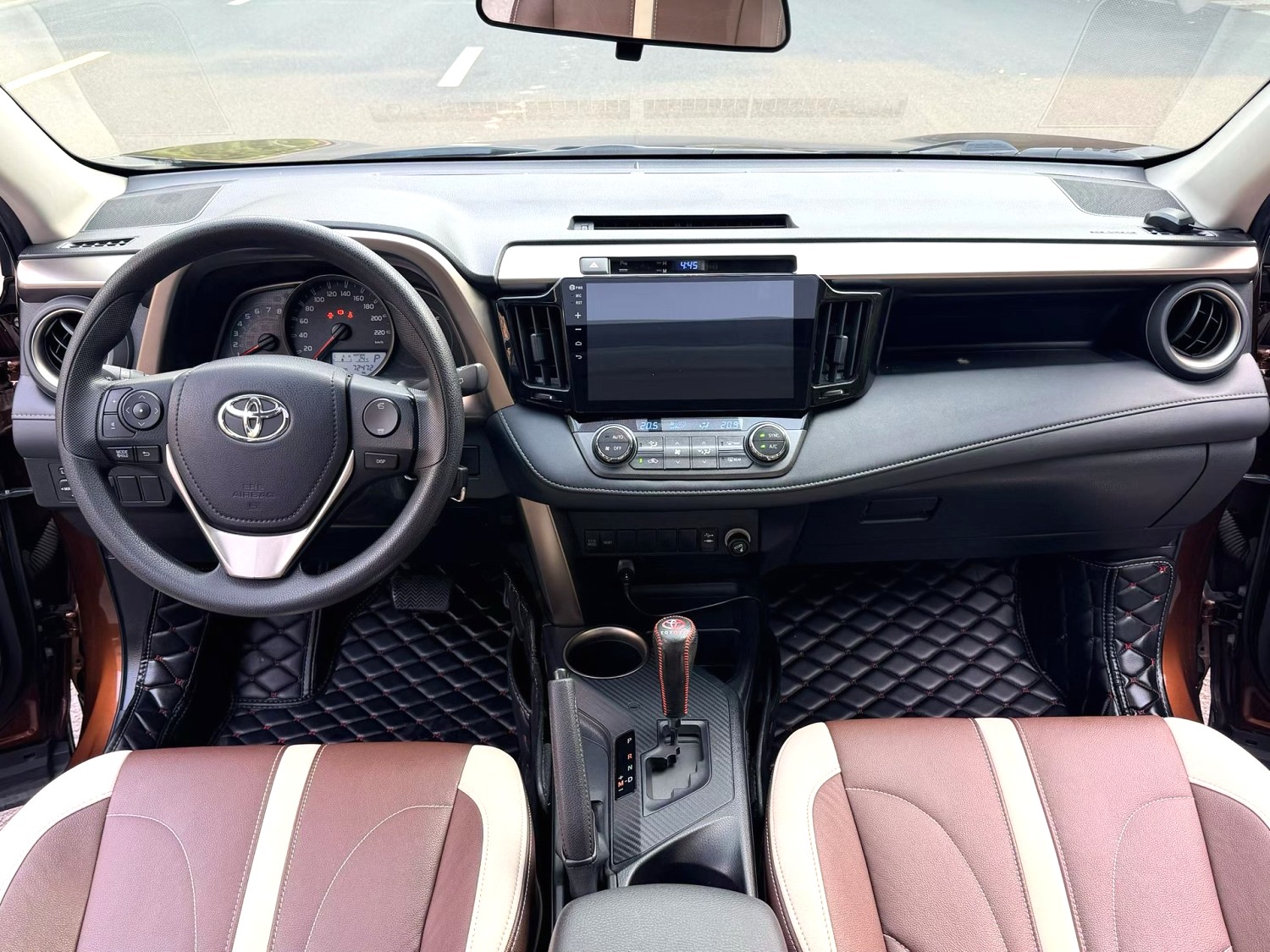
That means a cheaper unit is not always cheaper in business terms. A vehicle with better service history and fewer repairs may produce a cleaner margin than one purchased at a lower headline price.
For buyers considering trial lots or container-based purchasing, this article on bulk used car orders and MOQ thinking for exporters offers a useful view of how quantity changes sourcing strategy.
3. Condition discipline matters more than odometer marketing
Used SUVs often see mixed usage: family transport, intercity driving, rough roads, and sometimes ride-hailing or commercial duty. Mileage alone is not enough.
Try to verify:
- structural repair history - engine and transmission behavior - underbody rust or leakage - suspension and braking condition - tire wear and replacement needs - electronics, AC, cameras, and safety systems
For hybrid and electric SUVs, add another layer:
- battery state of health - charging system performance - high-voltage repair history - transport compliance requirements
Importers who treat inspection as a formality usually end up paying later in local workshop costs.
A Smarter Buying Strategy for Different Import Stages
Not every buyer should use the same sourcing model. The right method depends on whether you are entering the China supply channel for the first time or restocking a proven retail category.
Single-unit testing: best for new market validation
If you have not sourced from China before, starting with one or two units can be sensible. Focus on vehicles with clear market familiarity in your country and measure:
- how smoothly export documents move - whether your customers trust China-sourced inventory - local maintenance response - final resale time and retail positioning
This approach is slower, but it reduces exposure while you learn the process.
Mixed-model buying: useful for showroom learning
Many importers do better with a mixed basket than with one model only. For example:
- one Toyota RAV4 to anchor trust - one Honda CR-V for mainstream family demand - one or two Haval H6 or Geely Boyue units to test feature-led sales
This gives you real market feedback. Are your buyers paying for badge value? Or are they more responsive to newer year, larger screen, or better trim?
Repeat replenishment: best once the sales pattern is proven
Once a certain SUV has shown stable turnover, repeat buying often becomes more efficient than constantly hunting for the cheapest random unit. It helps with:
- parts stocking - workshop familiarity - pricing consistency - faster appraisal decisions
At this stage, supply stability usually matters more than chasing a one-time low price.
A Basic Screening Table Before You Commit
The table below can help structure conversations with a supplier before deposit or shipment:
| Checkpoint | Why It Matters | What to Request |
|---|---|---|
| VIN and document match | Critical for export paperwork and customs | VIN photo, registration data, and matching vehicle images |
| Structural condition | Affects safety and resale confidence | Chassis, frame, weld points, and underbody photos or report |
| Service history | Helps estimate true usage intensity | Maintenance records, repair records, or insurance-related evidence |
| Wear items | Influences reconditioning budget | Tire, brake, suspension, and battery check |
| Version and emission details | Impacts import legality and retail acceptance | Exact trim, engine spec, and compliance details |
| Battery health for EV/PHEV | Key risk area for electrified SUVs | Battery report, charge behavior, and range notes |
FAQ
1. Should importers choose Japanese SUVs or Chinese-brand SUVs under $15,000?
It depends on your end market. If your customers care more about known brands, easier resale, and established service familiarity, Japanese SUVs are often the safer path. If your market responds well to newer year models and richer features, Chinese-brand SUVs can offer better value in the same budget.
2. What cost is most often overlooked when buying export SUVs from China?
Usually not the vehicle price itself. The most underestimated items are reconditioning, inland logistics, port charges, destination repairs, and compliance-related modifications. On lower-budget deals, these costs can change profitability quickly.
3. Are all exportable used SUVs in China suitable for bulk purchasing?
No. Bulk buying works best when model demand is already validated, condition standards are easier to control, and specification consistency supports faster resale. If you are still testing a market, smaller trial orders are often more practical.
4. Are EV or hybrid SUVs worth considering in this price range?
They can be, but only if your destination market is ready for them. You need to confirm import policy, shipping rules, battery health, charging support, and repair capability. If those factors are uncertain, conventional fuel SUVs may still be the simpler business decision.
Final Thoughts
The opportunity in China’s used SUV export market is not just about finding a cheap unit. It is about finding a vehicle that fits your market, survives the export process cleanly, and still leaves room for profit after landing.
For many importers, the best result comes from disciplined screening rather than aggressive bargaining alone. A well-chosen used SUV with clear documents, acceptable condition, and realistic after-sales potential will usually outperform a lower-priced vehicle with hidden costs.
If you want to review available models, you can Browse inventory. If you would like to discuss target markets, vehicle types, or shipping plans, feel free to Contact us.