
How to Bulk Import Left-Hand Drive Used Cars from China: A Guide for African Dealerships
For many African dealerships, importing left-hand drive used cars from China is no longer just about finding lower purchase prices. It has become a practical way to diversify inventory, secure stable supply, and respond faster to local market demand. China’s used vehicle market offers a broad mix of sedans, SUVs, MPVs, pickups, and an increasing number of electric and hybrid models from brands such as Toyota, Nissan, Honda, Volkswagen, Hyundai, and BYD.
That said, bulk import is not simply a matter of selecting vehicles, paying, and shipping. In real transactions, the key issues are usually compliance, vehicle condition consistency, documentation accuracy, port handling, and suitability for the destination market. For African importers and dealers, a repeatable procurement process matters more than chasing the lowest unit price.
If you are still evaluating the basic process, this article gives a helpful overview of how to import used cars from China. If your business also serves nearby regions, you may also find this guide useful: buying and exporting used cars from China to Central Asia and the Middle East.
Why left-hand drive used cars from China attract African dealerships
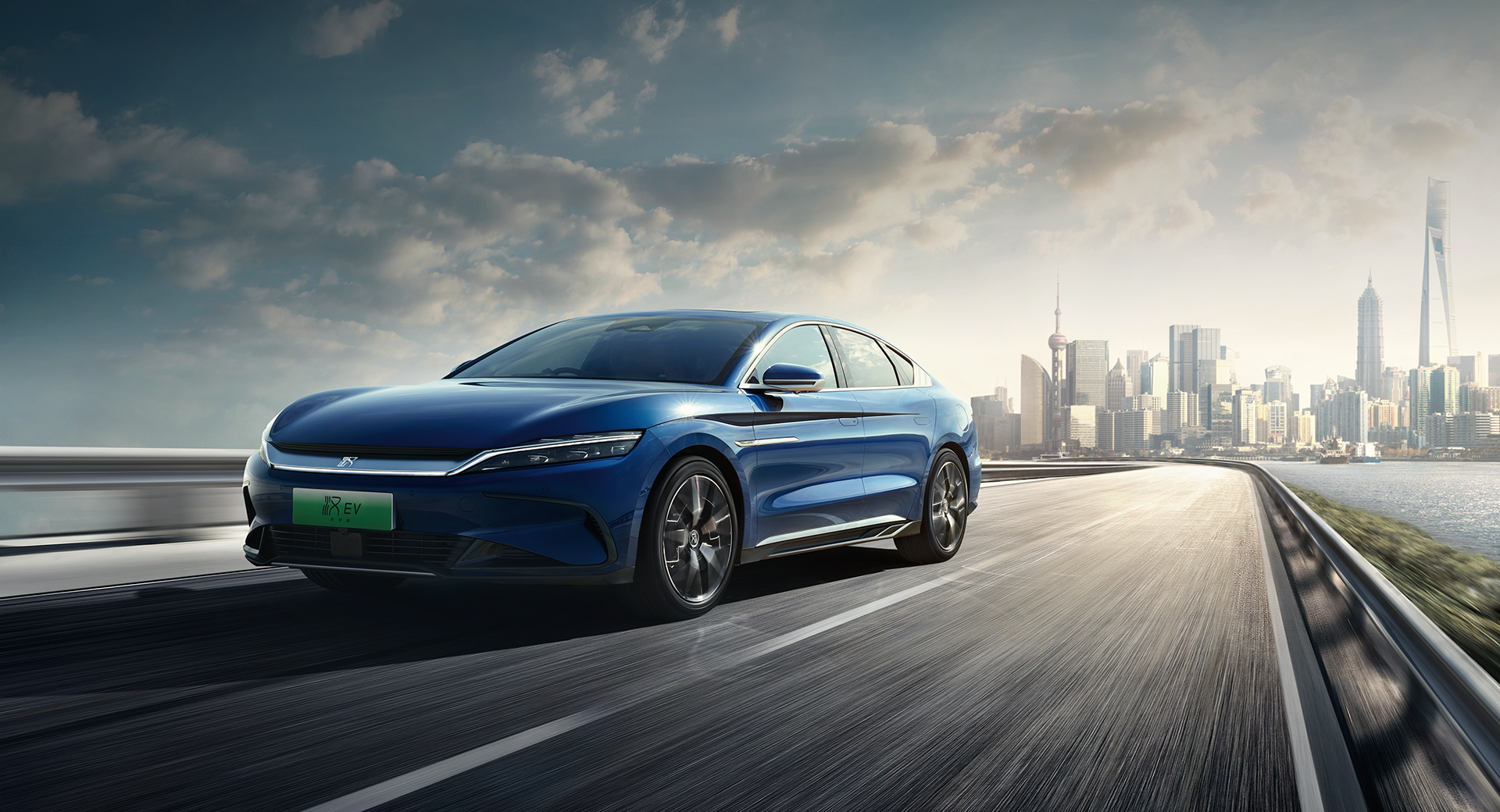 The appeal of Chinese supply is not only about cost. For many importers, the more important advantages are availability, variety, and operational flexibility.
First, left-hand drive stock is easier to match with the requirements of many African markets. That reduces adaptation issues and improves resale potential.
Second, the range of vehicles is broad. Dealers can source economical sedans for entry-level retail, SUVs for family and mixed-road use, MPVs for fleet or commercial purposes, and selected new energy vehicles for urban delivery or ride-hailing applications.
Third, China can be a practical sourcing base for mixed bulk orders. Instead of buying only one model, importers can combine fast-moving units with higher-margin vehicles and a small number of test vehicles for new segments.
Finally, the sourcing process can be made more transparent through VIN checks, condition reports, walk-around videos, inspection records, and shipping documentation. This does not remove all risk, but it makes remote procurement more manageable when the workflow is clear.
Still, whether bulk import makes business sense depends on your destination market. Some countries value durability and easy spare parts access above everything else. Others are becoming more open to newer vehicles, hybrids, or EVs. Before requesting quotations, it is better to define your sales market than to start with random vehicle lists.
Five things to confirm before placing a bulk order
A common mistake in cross-border used car trade is focusing too much on vehicle price and too little on importability. Before you negotiate seriously, confirm the following five areas.
1. Check import regulations in your target country
This is the first filter. Rules vary widely across African markets, so confirm:
- Whether used vehicle imports are permitted - Whether left-hand drive is required or preferred - Maximum vehicle age allowed - Emission or technical standards - Pre-shipment inspection or conformity requirements - Special rules for hybrid or electric vehicles
A vehicle that looks attractive on paper may still be unsuitable if it cannot be cleared, registered, or sold without delay.
2. Define what your end customers actually buy
Do not source based only on what is popular in China. Build your buying plan around local demand:
- Budget sedans for daily commuting - Compact SUVs for family and mixed-road use - 7-seat MPVs or SUVs for larger households or shuttle use - Pickups and light commercial vehicles - Hybrid or electric models for fleet or urban applications 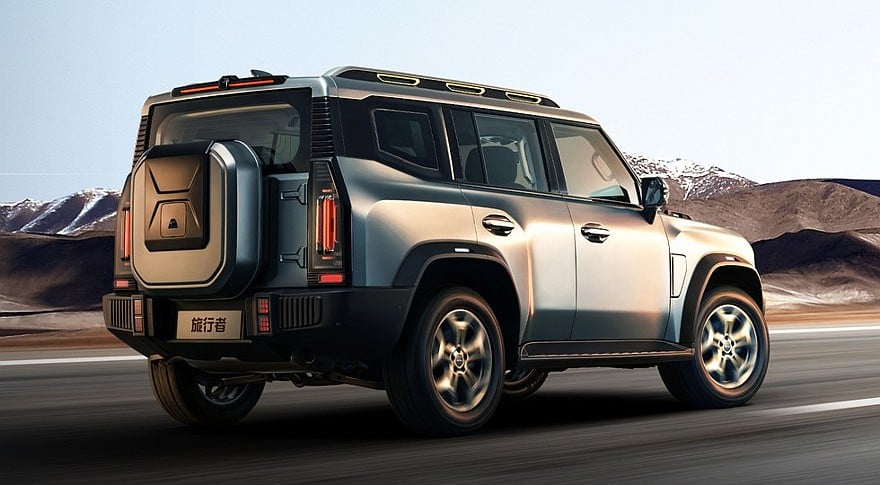 A good bulk order usually reflects market segmentation, not supplier convenience.
3. Set a consistent condition standard
In bulk buying, the problem is often not one bad car but too much variation across the shipment. Define your acceptance standards in advance:
- Preferred model years - Mileage range - Whether repainting is acceptable - Whether minor body repair is acceptable - Whether replaced cosmetic parts are acceptable - Whether service history or third-party inspection is required
Clear condition standards reduce disputes and improve resale consistency after arrival.
4. Match shipping method to volume and timeline
The right logistics method depends on order size, destination port, and budget.
- Container shipping is flexible for small to medium bulk orders and mixed models. - Ro-Ro shipping can be efficient for larger volume if routes and destination ports are suitable. - Special cargo solutions may be needed for project shipments or oversized vehicles.
There is no universal best option. The most suitable one is the method that fits your route, cost structure, and delivery schedule.
5. Clarify documentation and payment workflow
In bulk exports, document errors can cause more damage than price fluctuations. At minimum, confirm:
- Proforma invoice and commercial invoice - Packing list - Bill of lading - Export customs documents - Vehicle identification details - Inspection or compliance certificates where required
A disciplined document process helps reduce delays at the destination port.
A practical workflow for bulk importing from China
For dealerships planning repeat purchases, it is better to build a structured process than to treat each order as a one-off deal.
Step 1: Build a demand-based sourcing mix
Instead of ordering one category only, many dealers benefit from dividing procurement into three layers:
| Procurement type | Typical models | Best use case | Main risk point |
|---|---|---|---|
| Fast-moving basics | Toyota Corolla, Nissan Sunny, Hyundai Elantra | Retail, taxi, commuting | Price sensitivity, consistency |
| Higher-margin SUVs/MPVs | Toyota RAV4, Honda CR-V, 7-seat models | Family use, business use, long-distance driving | Underbody condition, accident history |
| Test units for new segments | BYD EVs, plug-in hybrids, selected premium models | Urban fleets, ride-hailing, market trial | Battery health, after-sales readiness |
This structure helps balance cash flow and margin. It also allows the dealer to test new categories without committing the entire budget to uncertain demand.
Step 2: Evaluate vehicles beyond listing photos
Remote buying always carries information gaps. A stronger sourcing process typically includes:
- VIN verification - Exterior and interior videos - Cold-start video - Dashboard and mileage display - Engine bay, tire, and underbody inspection - Paint and structural checks - Battery condition data for EVs and hybrids
When purchasing in bulk, inspection discipline matters more than bargaining skill. If possible, request a basic inspection file for each unit and define acceptable defects in writing.
Step 3: Start with sample units before scaling up
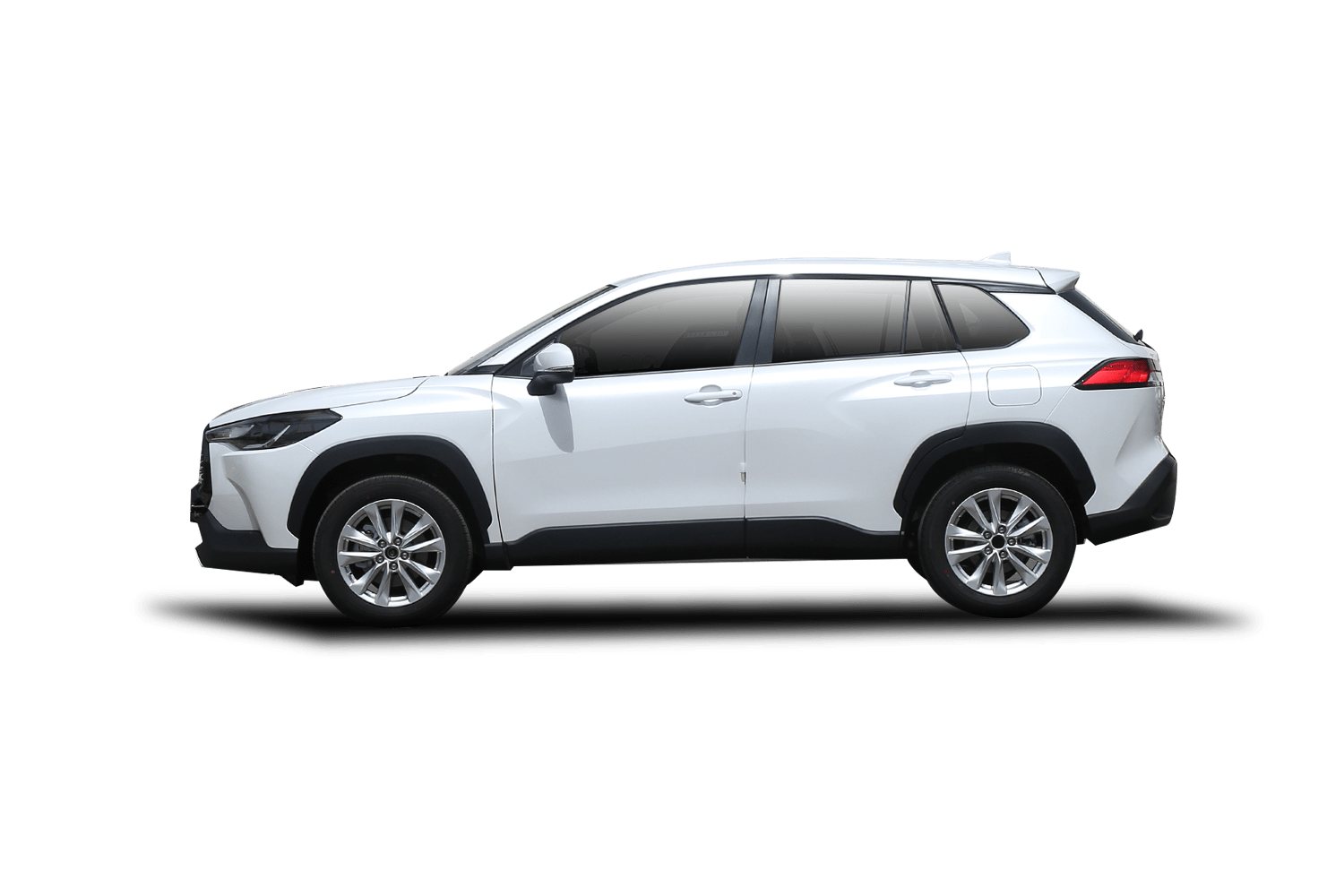 For first-time cooperation or for a new vehicle category, a phased approach is often safer:
1. Import 2 to 5 sample vehicles 2. Test customs clearance and local registration process 3. Measure customer response and turnover speed 4. Review repair needs, spare parts issues, and resale feedback 5. Expand to larger volume only after the trial performs well
This is especially important for electric vehicles. In some African markets, EV demand is growing, but charging access, repair capability, and user expectations may still be developing.
Risks that are often underestimated in bulk imports
Some deals look successful at the purchasing stage but become difficult later because of execution issues. The following risks deserve more attention.
Inconsistent condition across the shipment
If the vehicles come from different cities or channels, quality variation can be significant. One inspection template, one grading method, and one release standard can reduce that risk.
Mismatch between documents and actual vehicles
Errors in VIN, model year, engine number, or trim details may lead to customs delays or registration problems. Every unit should be cross-checked before shipment.
Underestimating landed cost
The purchase price is only one part of the total cost. Dealers should also calculate:
- Ocean freight - Port charges - Customs clearance fees - Duties and taxes - Inspection or certification costs - Inland transport - Inventory holding cost
Without landed cost control, a low procurement price may not translate into a profitable retail result.
Overestimating EV suitability
Electric vehicles can create good opportunities, but not in every market. Before scaling up EV imports, confirm:
- Charging accessibility - Local technical support - Battery health expectations - Import policy clarity - Whether your buyers are individual users or fleet customers
In some cases, a small pilot batch is a better commercial decision than immediate high-volume import.
Quick checklist before committing to a bulk purchase
The following table can be used as a basic discussion framework between the buyer and supplier.
| Checkpoint | What to confirm | Why it matters |
|---|---|---|
| Market access | Age limit, emissions, left-hand drive rules | Prevent import or registration problems |
| Product mix | Fast-moving units, margin units, test units | Balance sales speed and profit |
| Condition standard | Mileage, accident history, repainting, service records | Improve shipment consistency |
| Inspection method | Videos, reports, third-party checks | Reduce remote buying risk |
| Logistics plan | Container or Ro-Ro, loading port, route | Affects cost and lead time |
| Documentation | Invoice, B/L, inspection or compliance papers | Avoid port delays |
| Payment terms | Deposit, balance, shipment milestones | Improve fund control |
FAQ
1. What should African dealerships confirm first before importing used cars from China in bulk?
The first priority is not the unit price. It is your country’s import policy. You need to confirm used car eligibility, vehicle age limits, left-hand drive requirements, EV rules, and any pre-shipment inspection obligations before moving forward.
2. How can dealers reduce the risk of receiving vehicles that do not match the description?
Use a unified inspection standard for every vehicle in the order. Request VIN verification, detailed videos, basic inspection records, and written confirmation of acceptable defects. For new suppliers or new model categories, starting with sample units is usually a safer approach.
3. Which used cars from China are often suitable for African markets?
That depends on local demand. In many markets, durable Japanese brands such as Toyota, Nissan, and Honda remain popular because of reliability and spare parts availability. In urban fleet or delivery use, selected BYD and other EV models may also be worth testing if charging and service support are realistic.
4. Is container shipping or Ro-Ro better for bulk imports?
Container shipping is usually more flexible for mixed-model and small-to-medium bulk orders. Ro-Ro can be efficient for larger volumes if there is a suitable route and the destination port handles it well. The best option depends on route access, timeline, and total landed cost.
Final thoughts
Bulk importing left-hand drive used cars from China can be a practical sourcing strategy for African dealerships, but the real value comes from process control. The dealers who perform best are usually the ones that define their market clearly, standardize condition requirements, verify documents carefully, and build a logistics plan around actual landed cost rather than headline pricing.
If you are reviewing supply options for your market, you can start by browsing available vehicles or contacting our team to discuss your destination country, preferred models, and target purchase volume.