
Hidden Fees When Importing Budget Used Cars from China
When buyers source budget used cars from China, the first number they compare is usually the vehicle price. That is understandable—but it is rarely the full story.
In real cross-border used car trading, profit is often shaped less by the advertised price and more by the hidden fees around inspection, documents, port handling, shipping, and destination clearance. For lower-priced units, these extra costs matter even more because they take up a larger share of the total landed cost.
This article is not a sales pitch. It is a practical cost-awareness guide for overseas dealers, importers, and wholesalers who want to evaluate Used Cars from China more accurately and avoid margin surprises.

If you are new to the process, it may also help to review how the used car export timeline from China typically works. And if you are considering mixed batches or container planning, this guide to MOQ and bulk export arrangements provides useful context.
Why hidden fees hit budget used cars harder
A low vehicle price can create a false sense of safety. Buyers may think, “Even if something small comes up, the deal still works.” In practice, budget units are often more sensitive to non-vehicle costs.
For example, shipping documentation, inland trucking, customs handling, bank charges, and destination port fees may not differ dramatically between a cheaper sedan and a more expensive SUV. But when those costs are allocated per vehicle, the lower-priced car usually sees a much bigger percentage increase.
That is why a “cheap” unit can become less competitive than expected once all costs are included.
Common buyer mistakes include:
- Comparing suppliers only by FOB vehicle price - Assuming inspection is optional for low-value units - Ignoring pre-export repairs or preparation - Underestimating destination port and customs charges - Forgetting exchange-rate risk and payment fees - Not budgeting for delays, document amendments, or storage
In short, the lower the base price, the more carefully you should test the total landed cost.
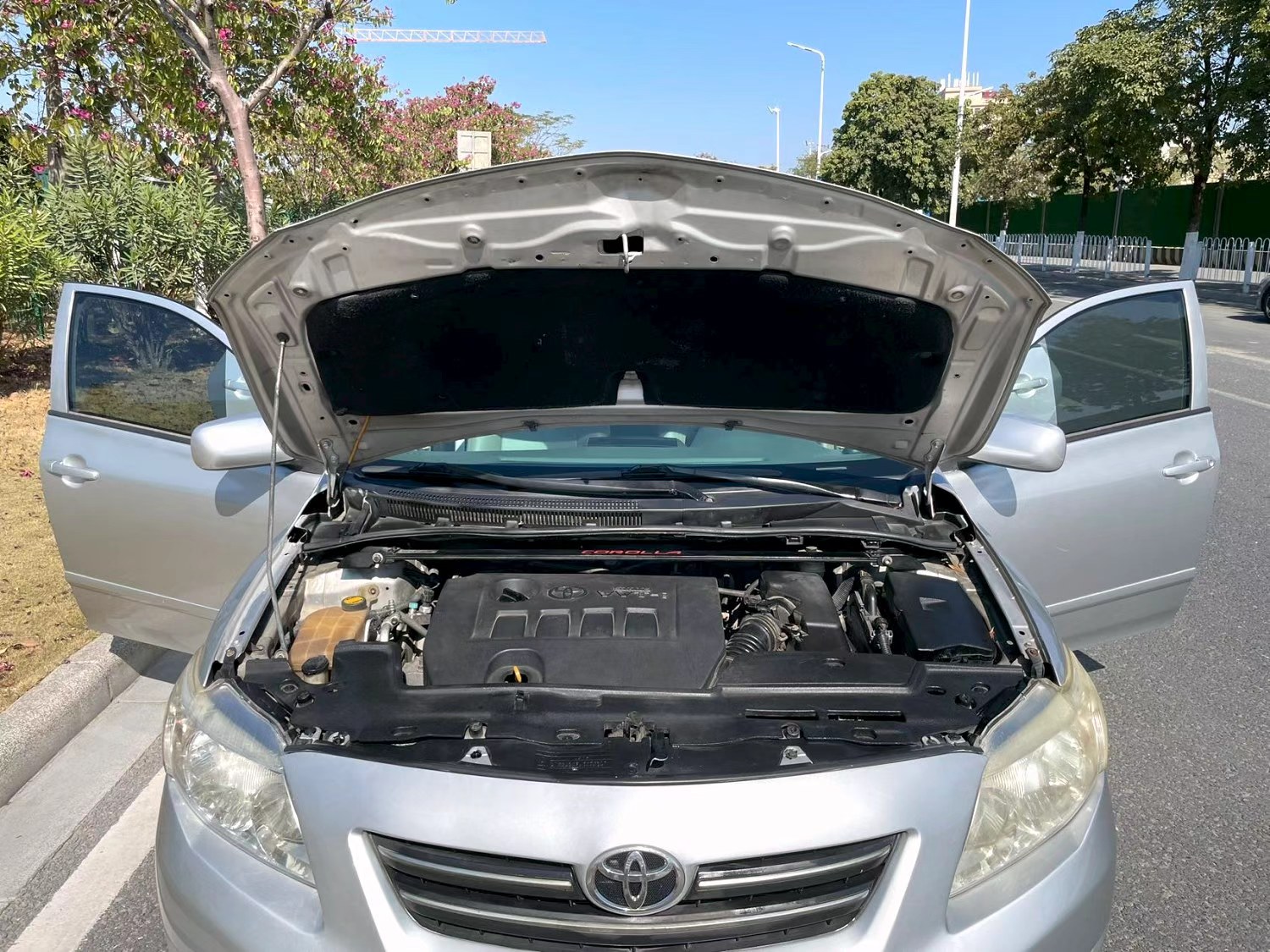
A practical checklist of hidden fees
Below is a simple overview of the most common hidden fees in budget used car imports from China.
| Cost area | Typical items | Why buyers overlook it | Business impact |
|---|---|---|---|
| Inspection and assessment | Condition report, underbody check, battery test, third-party inspection | Some buyers focus only on engine start and appearance | Higher dispute risk and resale uncertainty |
| Pre-export preparation | Cleaning, light repairs, consumables replacement, fault-code handling | Not always itemized in early quotes | Affects delivery quality and customer acceptance |
| Documentation | Export paperwork, translation, notarization, certification, bill of lading amendment | Often appears late in the process | Can delay customs release |
| China-side local charges | Trucking, yard handling, container loading, customs declaration, terminal fees | Sometimes bundled vaguely as “local charges” | Adds up quickly on multi-unit orders |
| Ocean freight surcharges | Peak season surcharge, fuel adjustment, route-specific fees | Freight rates change frequently | Can move landed cost sharply |
| Banking and FX costs | Wire transfer fee, intermediary bank deduction, exchange-rate loss | Each item seems small | Material over multiple payments |
| Destination charges | Customs broker fee, terminal handling, storage, inspection, inland delivery | Often outside supplier control | Direct effect on final profit |
| Compliance costs | Country-specific inspection, emissions or safety documentation | Depends on destination regulation | Non-compliance may cause delays or rejection |
| Delay-related costs | Storage, demurrage, detention, amendment fees | Often ignored at quotation stage | Can erode margin very fast |
Where hidden fees usually appear in real transactions
1. Inspection is not just a “nice to have”
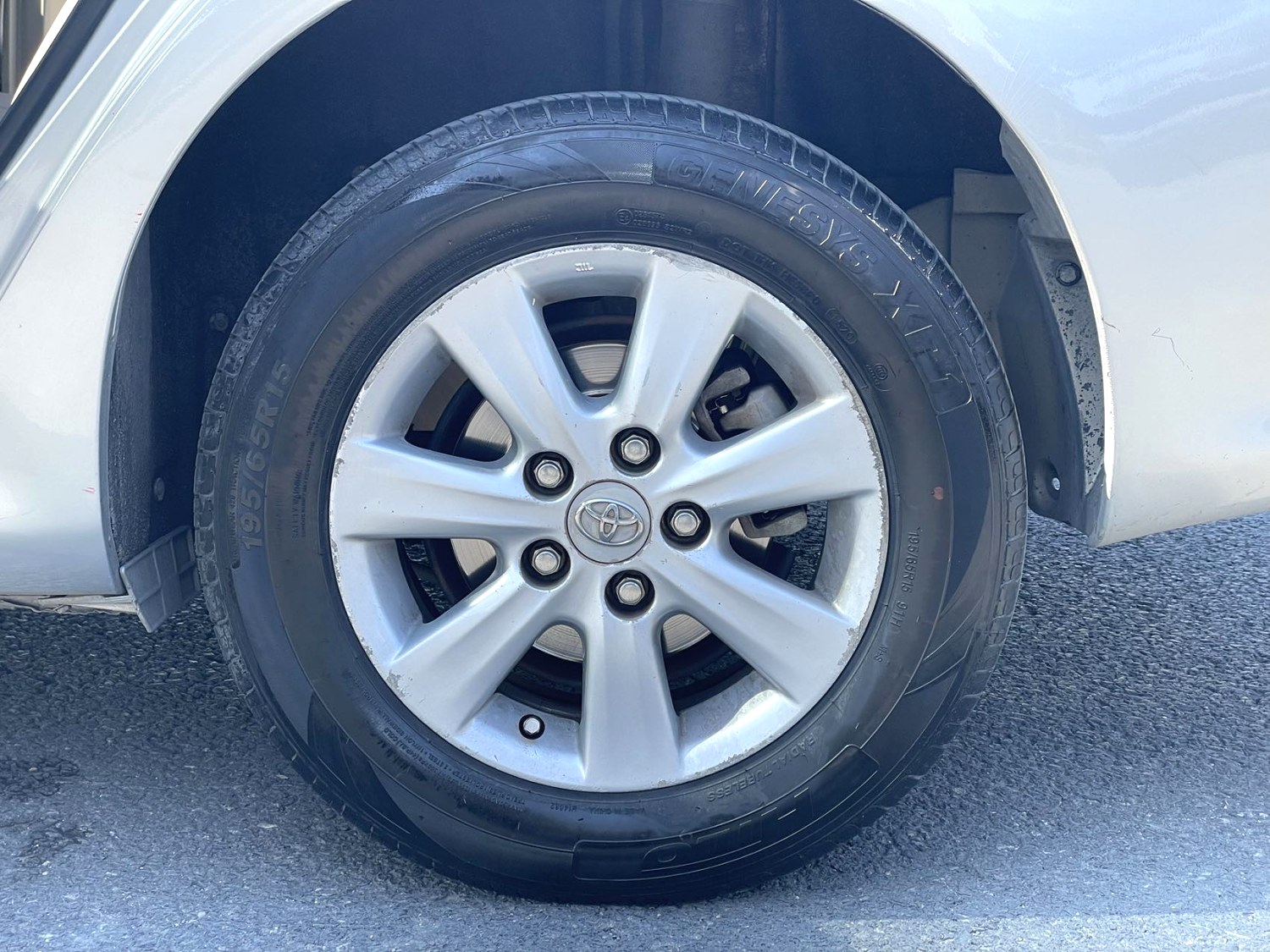
With Hidden Fees used car transactions, inspection is one of the most misunderstood cost items. Some buyers try to save money by skipping it on lower-value vehicles. That can backfire.
A basic inspection may reveal issues that affect resale value, reliability, or import eligibility, such as:
- Structural repair history - Undercarriage damage - Engine or transmission leaks - Odometer inconsistency - EV battery health concerns - Fault codes that do not show up in photos
This matters for both internal combustion models and EVs. Popular units such as Toyota Corolla, Toyota RAV4, and BYD models may have strong demand, but they still need case-by-case assessment.
Paying for inspection upfront is often cheaper than dealing with claims, workshop surprises, or customer complaints after arrival.
2. Pre-export preparation can be larger than expected
Used cars are not always shipped exactly as they are found. A supplier may need to do basic preparation before export, depending on the unit condition, buyer requirement, and loading standard.
Typical pre-export costs include:
- Washing and detailing - Battery replacement - Brake or tire replacement - Minor paint or body touch-up - Light repair of electrical items - Diagnostic reset after maintenance
None of these costs is unusual by itself. The problem is that buyers do not always ask whether they are included in the quote. A vehicle that looks attractively priced may later require several small interventions before it is export-ready.
3. Document work often creates last-minute cost
Many importers focus heavily on the car and freight, then discover additional charges at the paperwork stage.
Examples include:
- Consignee details changed after booking - Invoice or packing information revised - VIN or model description corrected - Extra legalization or certification requested by the destination country - Bill of lading amendment after issuance
These are not necessarily major costs on paper, but they can trigger timing problems. A small document issue can lead to customs delay, storage, or missed collection windows.
4. Destination costs are often underestimated
This is one of the most common gaps in import budgeting. A supplier in China may provide a clear FOB or even CIF quote, but the importer still needs to account for local charges after arrival.
Depending on country and port, these may include:
- Customs clearance service - Port handling and terminal fees - Government inspection - Storage if cargo is not cleared quickly - Inland trucking to yard or showroom - Registration-related processing
For budget units, these costs can significantly change whether a deal still makes sense.
How to estimate total cost more realistically before ordering
A better question than “What is your lowest price?” is: “What is my likely total landed cost, and which parts are fixed versus variable?”
That approach gives you a more useful picture when comparing suppliers.
Ask these questions before confirming an order
1. What exactly is included in the quoted price? Is it ex-yard, vehicle-only, prepared FOB, or CIF?
2. Is inspection included or separate? If separate, who performs it and what is covered?
3. Are China-side charges itemized? Trucking, customs declaration, terminal handling, and loading should ideally be shown clearly.
4. How long is the freight rate valid? Ocean rates and surcharges can move quickly.
5. What destination costs should I expect? Even if the supplier cannot guarantee final local charges, an experienced estimate is useful.
6. Who is responsible if documents need correction? This should be clarified before shipment.
7. What changes if I buy in a larger batch? Per-unit logistics and paperwork cost may improve with scale.
A simple comparison framework for importers
Instead of ranking offers only by vehicle price, compare them in four layers:
| Layer | What to compare | Why it matters |
|---|---|---|
| Vehicle value | Year, mileage, grade, condition, brand reputation | Prevents false comparison between unlike units |
| Export readiness | Inspection, repairs, cleaning, battery status, documents | Shows how close the unit is to shipment |
| Logistics exposure | Port charges, freight validity, loading method, route stability | Helps avoid transport surprises |
| Destination reality | Clearance, taxes, handling, inland delivery, compliance | Determines whether the resale margin is still workable |
This framework is especially useful when evaluating multiple suppliers of Used Cars from China. A lower quote with vague local charges may be riskier than a slightly higher quote with transparent cost breakdown.
If you are currently reviewing available models, you can Browse inventory to compare age, mileage, fuel type, and vehicle categories. If you want to discuss sourcing plans around your destination market, you can also Contact us.
FAQ
What hidden fees are most common when importing budget used cars from China?
The most common ones are inspection fees, pre-export preparation, China-side local charges, document costs, freight surcharges, bank fees, and destination port expenses. Usually, the issue is not one large charge, but several smaller items accumulating.
Is a very low supplier quote always a good sign?
Not necessarily. A low quote may exclude inspection, repairs, local handling, or documentation. The better comparison is total landed cost plus cost transparency.
Can batch purchasing reduce hidden fees?
Often yes. Larger orders can spread trucking, customs handling, container loading, and some paperwork costs across more units. But batch buying only works well if model mix, shipping plan, and documentation are controlled properly.
Are EVs more likely to involve extra hidden fees?
In some cases, yes. Battery testing, transport requirements, and destination compliance checks may add costs or complexity. These should be confirmed before payment, not after booking.
Final thought
When importing budget used cars from China, the real advantage is not simply finding the cheapest advertised unit. It is understanding the full cost chain early enough to protect your margin.
For importers and dealers, transparent cost structure usually matters more than a headline-low price. The buyers who plan for inspection, paperwork, logistics, and destination charges upfront are the ones more likely to build repeatable, lower-risk business.