
Best Used Cars Under $8,000 in China for Export 2026
For importers and dealers, the $8,000 used car segment is still highly relevant in 2026. It sits in a practical middle ground: low enough to support fast turnover in price-sensitive markets, but high enough to source vehicles with acceptable mechanical condition, export-ready paperwork, and proven resale demand.
In China, this budget does not usually buy the newest stock. What it can buy, however, is something more useful for B2B buyers: mainstream models with established spare-parts support, simple maintenance needs, and broad acceptance in overseas retail markets. That is why many buyers searching for a china export car in this range are not looking for “cheap cars” in the narrow sense—they are looking for units that can survive inspection, clear import procedures, and move again quickly after arrival.
Before planning purchase timing, it may also help to review this guide to the used car export timeline from China, especially if you are coordinating vehicle sourcing, booking, and customs documents across multiple units.
Why the under-$8,000 bracket still works for export
There is a common assumption that China’s export market is mainly attractive for newer EVs or late-model passenger cars. That is only partly true. In many regions across Africa, Central Asia, the Middle East, and some Latin American markets, lower-budget used vehicles continue to perform well for one simple reason: they match local purchasing power and service conditions.
Buyers in these markets often prioritize:
- affordable retail pricing - easy access to replacement parts - fuel efficiency or proven durability - simple mechanical systems - familiar brands with established resale value
That makes older but mainstream Toyota, Nissan, Hyundai, Kia, Honda, and similar models more exportable than some newer but less recognized alternatives.
The key point is this: the best used car in China for export is not necessarily the lowest-priced unit on a stock list. It is the one that fits your destination market’s rules, road conditions, and customer expectations.
What categories deserve attention in 2026
Rather than chasing one “perfect” model, importers should evaluate categories that typically perform better under this budget. The table below is a practical starting point.
| Vehicle category | Typical model direction | Best fit market conditions | Main strengths | Main inspection focus |
|---|---|---|---|---|
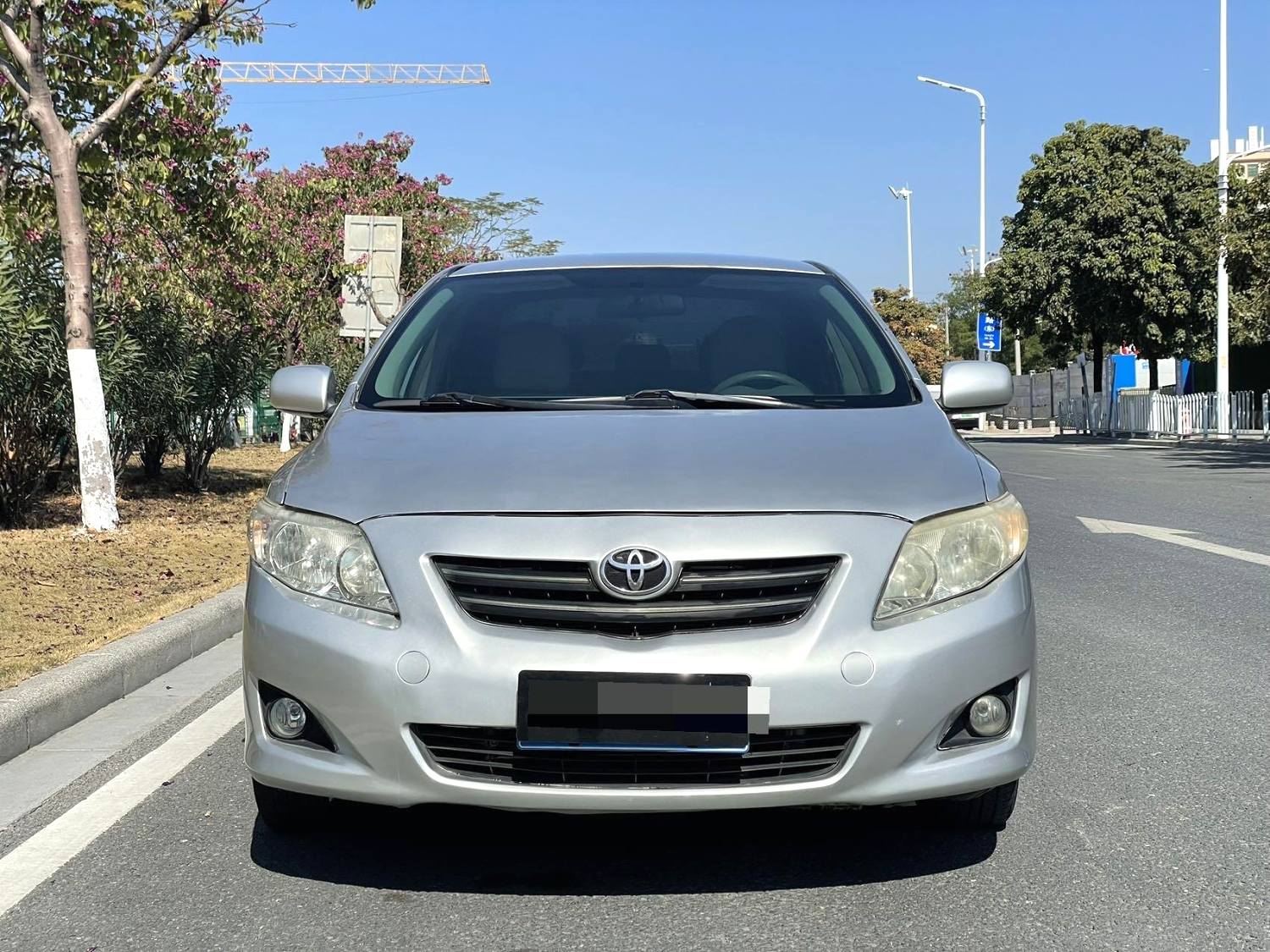
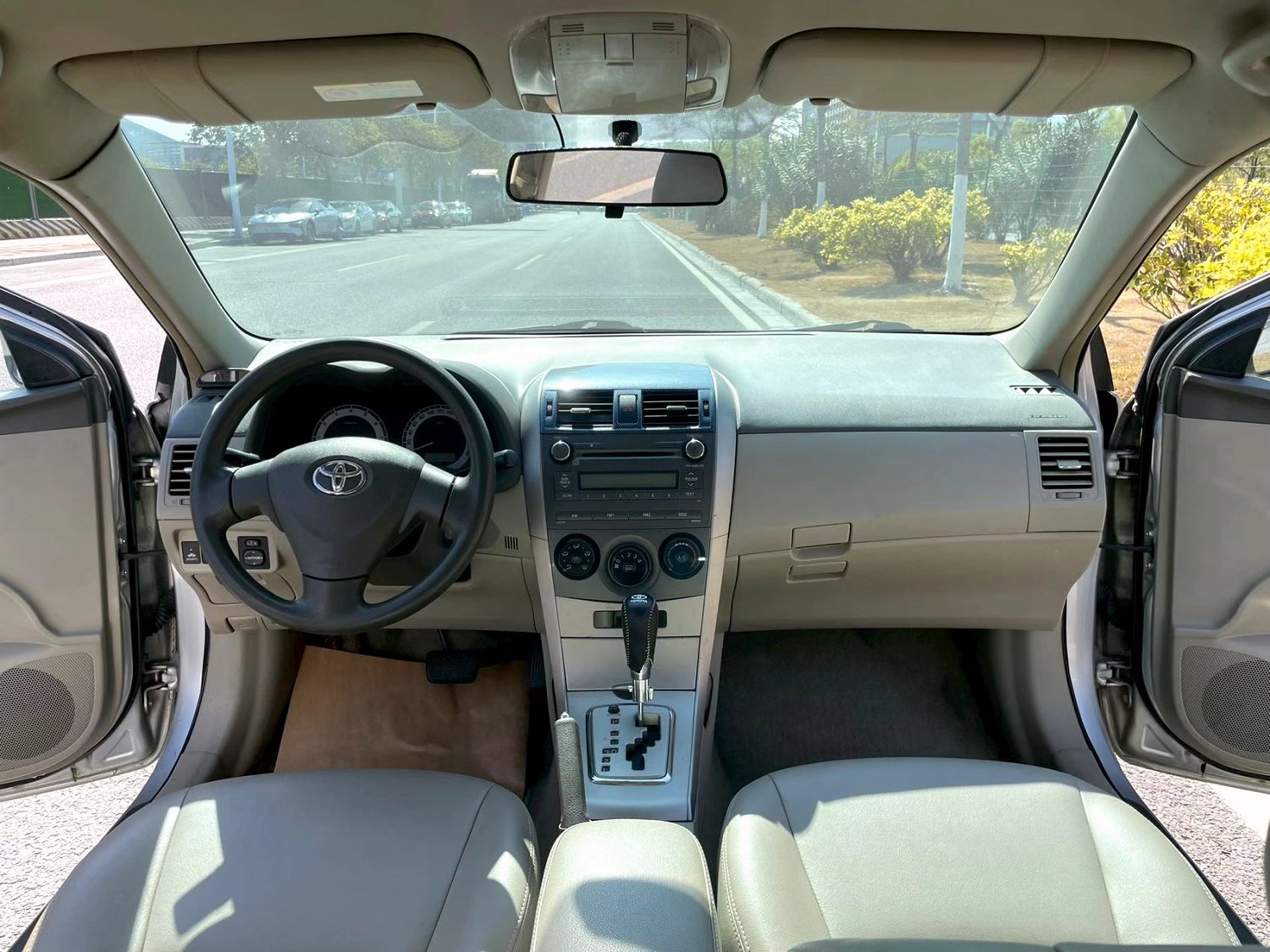
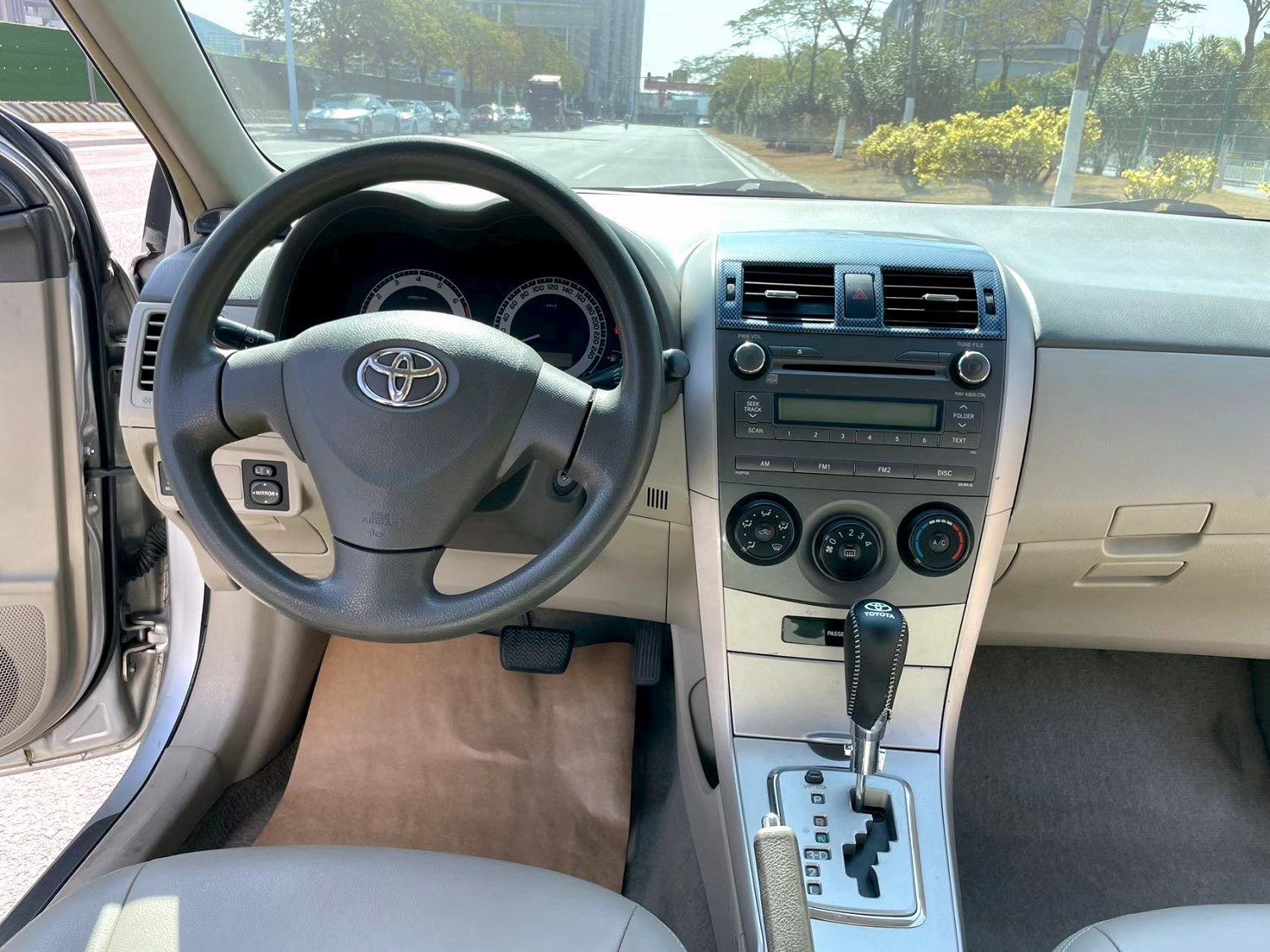
| Compact sedans | Toyota Corolla, Nissan Sylphy, Hyundai Elantra | Urban retail, taxi replacement, family use | Stable demand, lower fuel cost, easy servicing | Transmission, accident repair signs, underbody condition |
| Small sedans | Toyota Vios, Honda City, Kia Rio | Budget-sensitive markets | Lower entry cost, simple maintenance | AC performance, engine leaks, tires |
| Compact SUVs | Honda CR-V, Toyota RAV4, Hyundai ix35 | Mixed road quality, family + commercial use | Better ground clearance, stronger retail appeal | Suspension, drivetrain, structural integrity |
| Entry MPVs | Nissan Livina, similar practical MPVs | Multi-passenger and light transport demand | Utility and flexibility | Rear suspension, brake system, cabin wear |
| Diesel SUVs/pickups | Source-dependent | Durability-focused markets | Torque, rough-road capability, work use | Fuel system, turbo, chassis, emissions compatibility |
If your customers prefer rugged units for long-distance use or poor road environments, you may also find this article useful on how buyers evaluate durable used diesel SUVs for export markets.
Smarter selection logic within the budget
At this price level, buyers should think less about finding a “perfect-condition bargain” and more about building a workable margin after inspection, logistics, and local reconditioning.
1. Prioritize high-circulation models
Models with large ownership bases in China and abroad usually give importers several advantages:
- more consistent sourcing availability - easier parts matching - more predictable repair costs - better resale confidence
That is why Corolla, Vios, Sylphy, Elantra, RAV4, and CR-V remain popular references when buyers ask for a $8,000 used car from China.
2. Watch total landed logic, not just buying price
Two vehicles may look similar on paper, yet produce very different outcomes after export. Hidden cost differences often come from:
- tire replacement - battery condition - brake wear - paint or bodywork corrections - paperwork inconsistencies - domestic transport to port - loading method and shipping efficiency
A low purchase price is only one part of the equation. Importers should compare units based on purchase cost, estimated refurbishment, documentation, freight, and destination-country taxes or processing costs.
3. Match car age to import regulations
Many vehicles under $8,000 will naturally be older stock. That makes regulation checks more important than ever. Confirm in advance:
- maximum allowable vehicle age - left-hand-drive or right-hand-drive requirements - emissions rules - mandatory inspection standards - restrictions on accident-repaired or modified vehicles - whether older NEVs are accepted at all
Some countries permit used vehicle imports but apply tighter enforcement on structural repair history, odometer irregularities, or flood damage records.
Practical inspection priorities for overseas buyers
Inspection discipline matters more in the lower-budget segment because one overlooked mechanical issue can erase your margin. A simple checklist can help standardize buying decisions.
| Inspection item | Why it matters | What to verify |
|---|---|---|
| Chassis and structure | Major accident risk directly affects resale and compliance | Rails, strut towers, weld points, bolt removal traces |
| Engine and transmission | Core repair cost driver | Cold start, idle stability, leaks, shift quality |
| Suspension and underbody | Important for road suitability and safety | Bushings, shocks, control arms, rust, exhaust |
| Electrical system and AC | Critical in hot-climate markets | Warning lights, compressor, cooling performance |
| Tires and brakes | Common post-arrival reconditioning cost | Tread depth, uneven wear, brake disc condition |
| Document consistency | Essential for customs and registration | VIN, year, trim, registration data, export docs |
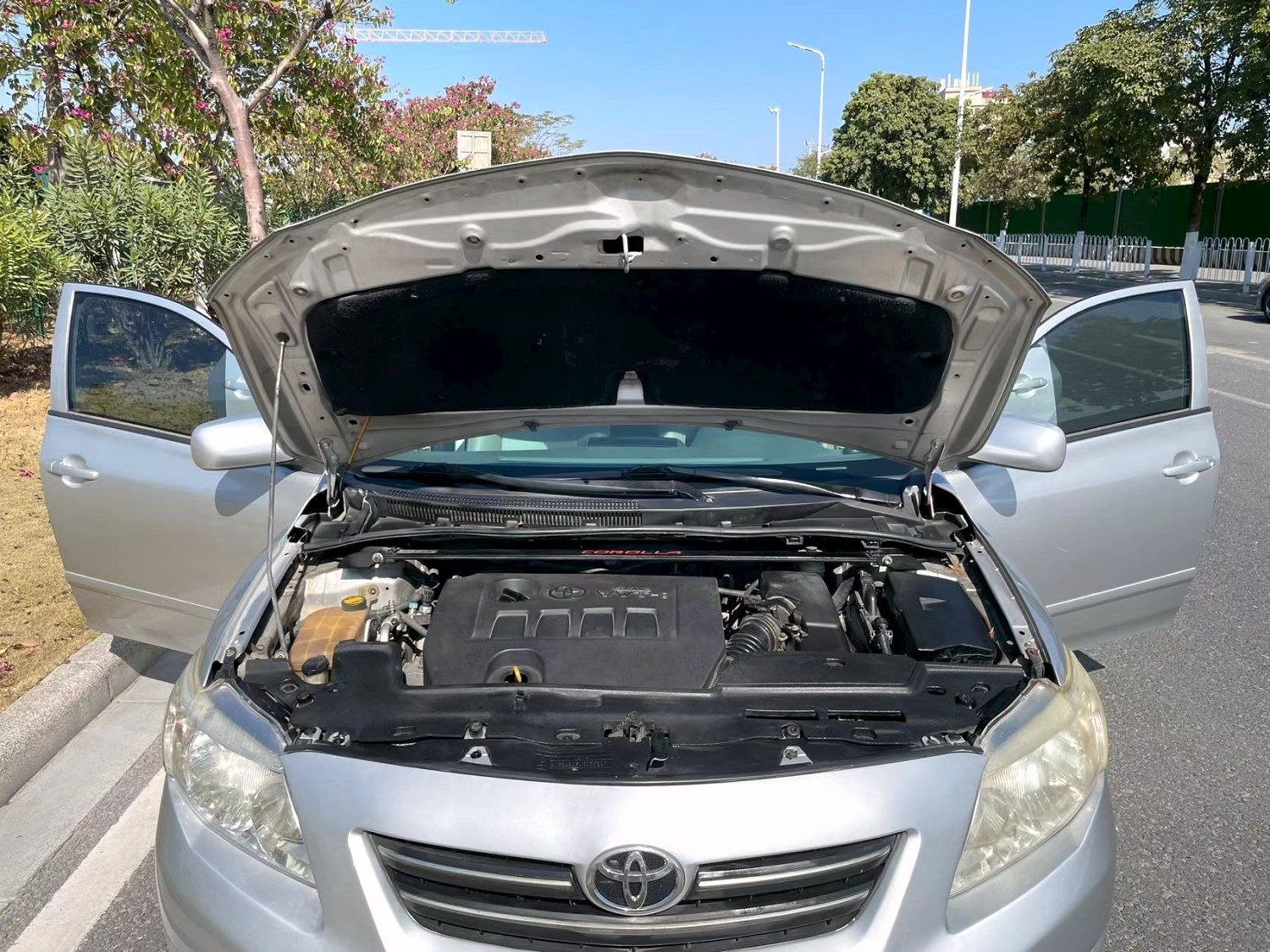
For buyers planning multi-unit orders, it is often more efficient to standardize around a narrower model mix. That simplifies spare-parts planning, technician training, and resale positioning. If you are evaluating larger volume sourcing, this article on bulk used car export planning from 10 units upward gives a useful operational perspective.
Which vehicles need extra caution in this price range
Not every cheap-looking unit is a good export candidate. In practice, buyers should be more careful with the following:
1. Low-recognition or low-volume models: parts support and resale demand may be weak. 2. Older premium vehicles: acquisition cost can look attractive, but electronics and repair costs may be disproportionate. 3. Heavily modified cars: suspension, wheels, lights, or exhaust changes can complicate import approval or registration. 4. Units with unclear prior use: intensive commercial use, severe accident history, or flood exposure should trigger deeper checks. 5. Older EVs without destination-market support: battery health, charging compatibility, and service capacity may limit resale.
A better strategy for dealers: mix, don’t overconcentrate
For dealers and importers, one of the safer approaches is not to fill a container with a single speculative model. A mixed sourcing plan is often more resilient:
- 2–3 mainstream sedans for faster retail turnover - 1–2 compact SUVs for higher perceived value - selected MPV or diesel units depending on local demand
This strategy spreads inventory risk and helps you test what your market responds to best. It also allows more flexible pricing at the retail level.
If you want to explore available stock categories, you can Browse inventory. For market-specific sourcing discussions, document requirements, or vehicle matching by budget, you can also Contact us.
FAQ
1. Can I really source exportable used cars from China under $8,000?
Yes, but expectations should be realistic. In most cases, the best opportunities are older mainstream models with stable mechanical condition, complete documents, and broad parts support—not unusually new vehicles at bargain prices.
2. Are sedans or SUVs better in this budget?
It depends on your market. Sedans often move faster in urban and fuel-sensitive markets, while compact SUVs may perform better where customers value ground clearance, utility, or road presence.
3. What is the most overlooked cost in this segment?
Usually reconditioning and small corrective work. Tires, AC repairs, battery replacement, brake service, and cosmetic improvements can add up quickly even when the initial purchase price looks competitive.
4. Is it better to buy one test unit or a small batch?
If you are entering a new sourcing channel, a small test batch is often more informative than one unit alone. It helps you compare consistency in inspection standards, paperwork handling, and logistics execution.
Final thoughts
The market for an under-$8,000 used car from China remains practical in 2026, especially for importers serving value-driven markets. The opportunity is real, but success depends less on chasing the cheapest unit and more on balancing condition, compliance, logistics, and local resale potential.
The strongest china export car choices in this range are usually the simplest ones: mainstream models, clear paperwork, manageable refurbishment, and known customer demand. If you are reviewing options for your next shipment, you can start by visiting Browse inventory or Contact us to discuss your destination market and target budget.