
Xiaomi EV Delivers Over 39,000 Vehicles in January 2026: A New Force in China's Auto Market
In a stunning display of market momentum, Xiaomi's automotive division has announced that it delivered over 39,000 electric vehicles in January 2026, marking a remarkable achievement for the tech giant's relatively new venture into the automotive industry. This milestone not only validates Xiaomi's ambitious entry into the EV market but also signals a significant shift in China's rapidly evolving automotive landscape.
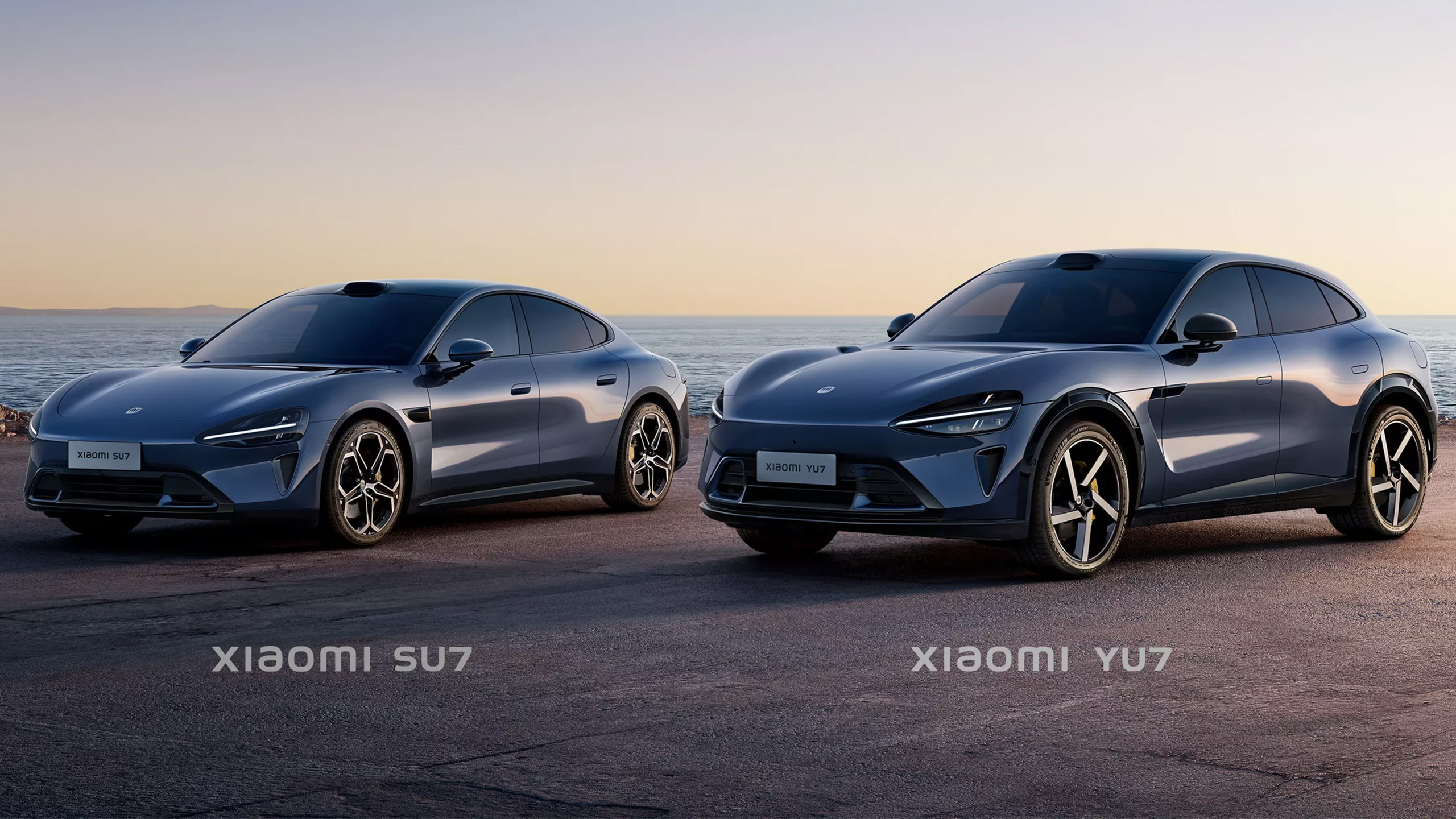
Breaking Records: Xiaomi's January Performance
The Numbers That Matter
Xiaomi's January 2026 delivery figures represent more than just impressive sales numbers—they demonstrate the company's ability to scale production and meet surging consumer demand:
Key Metrics: - Total deliveries: 39,000+ units - Month-over-month growth: Approximately 45% increase from December 2025 - Year-over-year comparison: First full January of deliveries (launched March 2024) - Production capacity utilization: Over 85% - Order backlog: Estimated 120,000+ units
Model Breakdown: - Xiaomi SU7 (Standard): ~18,000 units (46%) - Xiaomi SU7 Pro: ~15,000 units (38%) - Xiaomi SU7 Max: ~6,000 units (16%)
Context: Why This Matters
To understand the significance of these numbers, consider that:
1. Rapid Ramp-Up: Xiaomi achieved this volume less than two years after launching its first vehicle 2. Competitive Landscape: This places Xiaomi among the top 10 EV manufacturers in China for monthly deliveries 3. Tech Company Success: Validates the tech-to-auto transition model pioneered by companies like Tesla 4. Market Confidence: Demonstrates strong consumer acceptance of new automotive brands
The Xiaomi SU7: What's Driving Demand?
Product Overview
The Xiaomi SU7 (Super Ultra 7) is a mid-to-large-sized electric sedan that combines Xiaomi's technology expertise with competitive pricing and impressive specifications.
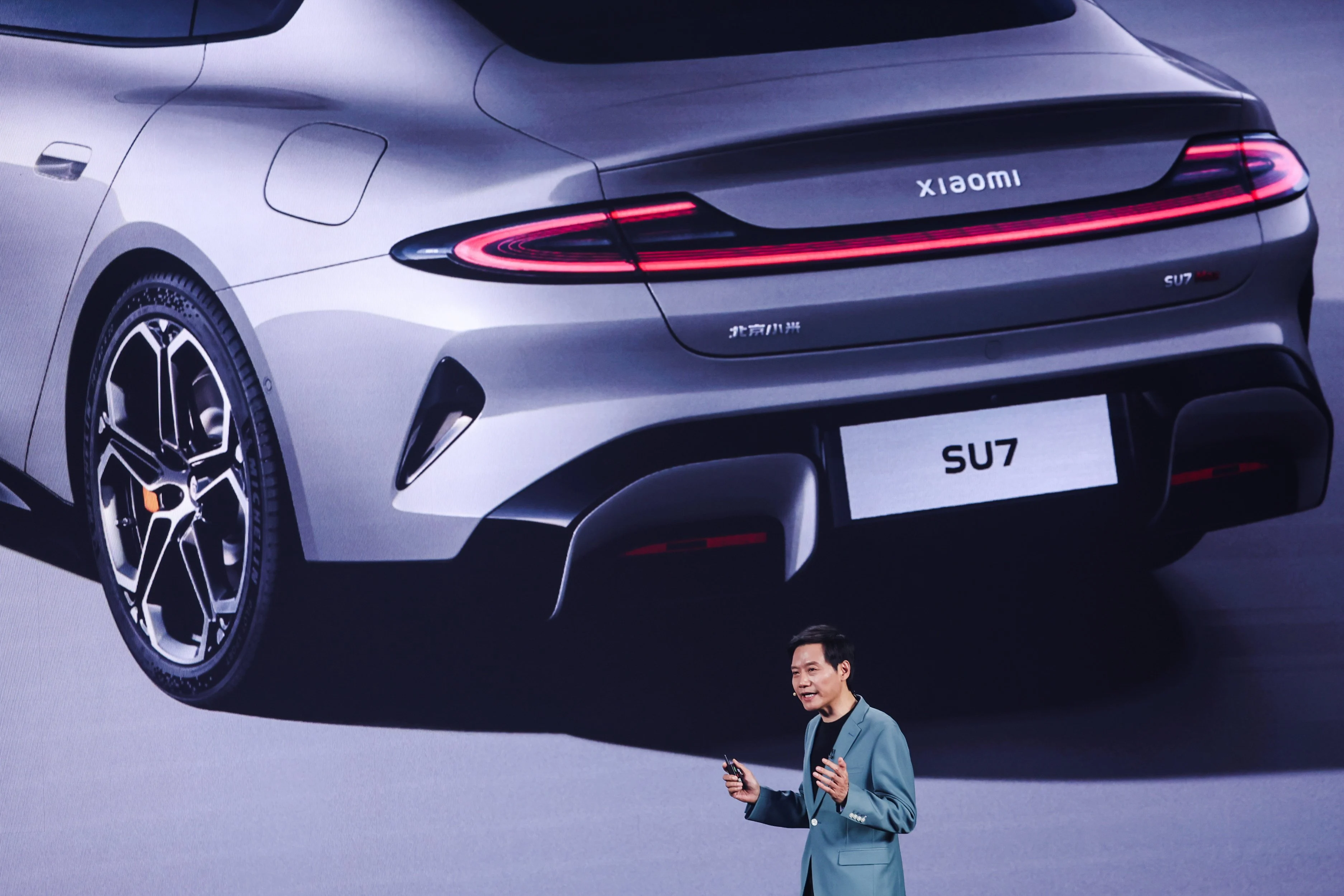
Design Philosophy: - Sleek, aerodynamic sedan profile - Coefficient of drag: 0.195 (among the lowest in production vehicles) - Premium materials and build quality - Distinctive LED lighting signature - Minimalist interior with technology focus
Three Trim Levels:
1. Xiaomi SU7 Standard - Price: ¥215,900 ($29,800 USD) - Battery: 73.6 kWh LFP (Lithium Iron Phosphate) - Range: 700 km CLTC (approximately 560 km WLTP) - Motor: Single rear motor, 299 hp - 0-100 km/h: 5.28 seconds - Top speed: 210 km/h
2. Xiaomi SU7 Pro - Price: ¥245,900 ($34,000 USD) - Battery: 94.3 kWh NCM (Nickel Cobalt Manganese) - Range: 830 km CLTC (approximately 665 km WLTP) - Motor: Single rear motor, 299 hp - 0-100 km/h: 5.7 seconds - Top speed: 210 km/h
3. Xiaomi SU7 Max - Price: ¥299,900 ($41,500 USD) - Battery: 101 kWh NCM - Range: 800 km CLTC (approximately 640 km WLTP) - Motors: Dual motor AWD, 673 hp - 0-100 km/h: 2.78 seconds - Top speed: 265 km/h
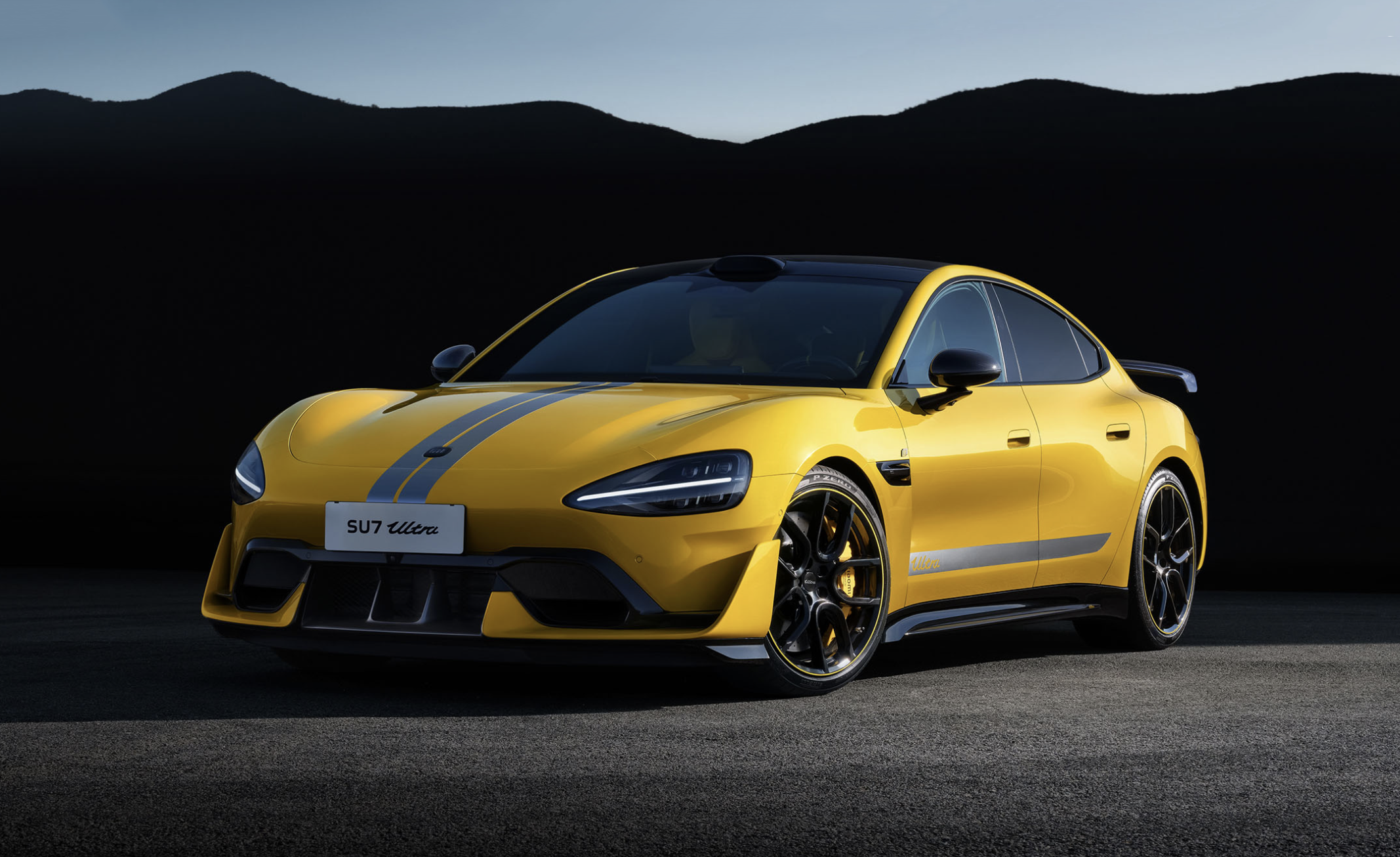
Technology Integration: Xiaomi's Competitive Edge
Xiaomi's strength lies in its ecosystem integration and software capabilities:
HyperOS Automotive: - Seamless integration with Xiaomi smartphones, tablets, and smart home devices - Voice control powered by Xiaomi's AI assistant "Xiao AI" - Over-the-air updates for continuous improvement - App ecosystem with thousands of compatible applications - Cloud-based user profiles and preferences
Advanced Driver Assistance: - Xiaomi Pilot autonomous driving system - 11 high-definition cameras - 3 LiDAR sensors (Max version) - 5 millimeter-wave radars - 12 ultrasonic sensors - Highway and urban autonomous driving capabilities (pending regulatory approval)
Connectivity Features: - 5G connectivity standard - WiFi 6 and Bluetooth 5.3 - Wireless Apple CarPlay and Android Auto - Integrated Xiaomi smart home control - Remote vehicle control via smartphone app
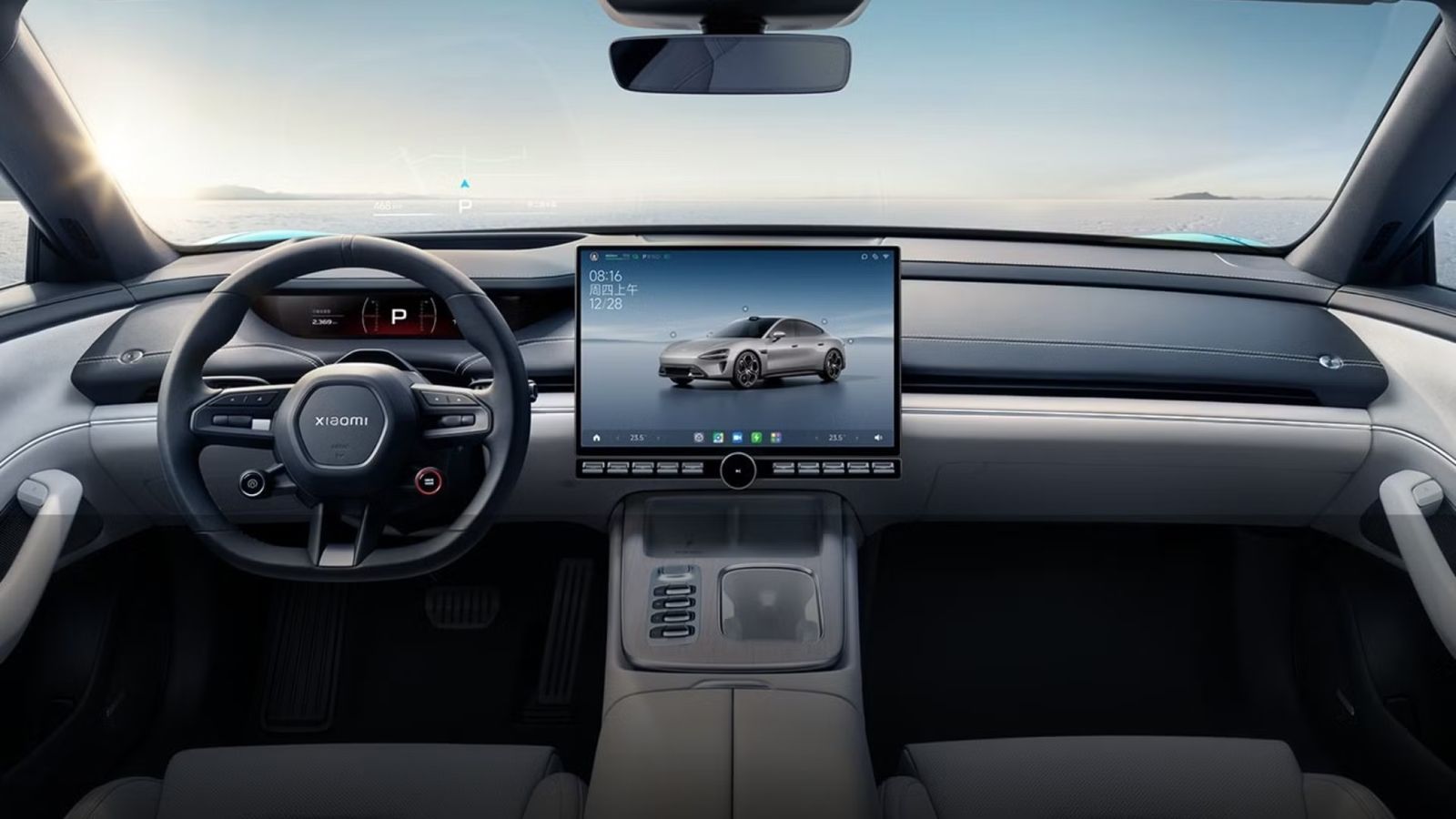
Infotainment: - 16.1-inch central touchscreen (3K resolution) - 7.1-inch driver display - 56-inch AR-HUD (augmented reality heads-up display) on Max - Dolby Atmos sound system (Max version) - Wireless phone charging (up to 50W)
Manufacturing Excellence
Xiaomi has invested heavily in production capabilities:
Beijing Factory: - Annual capacity: 300,000 units (Phase 1) - Expansion planned: 600,000 units by 2027 - Automation level: 90%+ - Quality control: Six Sigma standards - Production time: 76 seconds per vehicle (body assembly)
Supply Chain: - Battery partnership: CATL and BYD - Motor technology: In-house development with Huawei collaboration - Chassis: Modular platform supporting multiple future models - Vertical integration: Increasing in-house component production
Market Analysis: Xiaomi vs. Competitors
Competitive Positioning
Xiaomi's January performance places it in direct competition with established players:
Monthly Delivery Comparison (January 2026): 1. BYD: ~350,000 units (all models) 2. Tesla China: ~85,000 units 3. Li Auto: ~52,000 units 4. NIO: ~21,000 units 5. XPeng: ~19,000 units 6. Xiaomi: ~39,000 units 7. Zeekr: ~18,000 units 8. Avatr: ~12,000 units
Price Segment Analysis
Xiaomi's pricing strategy targets the sweet spot of China's EV market:
¥200,000-¥300,000 Segment (approximately $28,000-$42,000): - Highest volume segment in Chinese EV market - Strong competition from BYD, Tesla Model 3, and domestic brands - Xiaomi's technology integration provides differentiation - Ecosystem lock-in creates customer loyalty
Competitive Advantages: 1. Brand Recognition: Xiaomi's established consumer electronics reputation 2. Ecosystem Integration: Seamless connectivity with existing Xiaomi products 3. Technology Focus: Advanced features at competitive prices 4. Retail Network: Leveraging existing Xiaomi stores for experience centers 5. Customer Base: 500+ million Xiaomi smartphone users in China
Challenges: 1. Brand Perception: Overcoming "tech company making cars" skepticism 2. Service Network: Building comprehensive after-sales infrastructure 3. Production Scaling: Meeting demand while maintaining quality 4. Competition: Intense rivalry from established EV manufacturers 5. Profitability: Achieving sustainable margins in price-competitive market
The Broader Context: China's EV Market Dynamics
Market Size and Growth
China remains the world's largest EV market:
2025 Full Year Statistics: - Total NEV (New Energy Vehicle) sales: 11.8 million units - Market penetration: 42% of all passenger vehicle sales - Year-over-year growth: 35% - Export volume: 1.2 million units
2026 Projections: - Expected NEV sales: 14-15 million units - Market penetration target: 50%+ - Continued consolidation among smaller manufacturers - Increased international expansion
Government Policy Support
Chinese government policies continue to drive EV adoption:
Incentives: - Purchase tax exemption extended through 2027 - Local subsidies in major cities - Preferential license plate allocation - Free parking and toll discounts in many cities - Charging infrastructure investment
Regulations: - Dual-credit system favoring NEVs - Increasingly stringent emission standards for ICE vehicles - Smart driving technology development support - Battery recycling requirements
Consumer Preferences
Chinese EV buyers prioritize:
1. Technology: Advanced features and connectivity 2. Range: Minimum 500 km real-world range preferred 3. Charging Speed: Fast charging capability essential 4. Interior Space: Practical family-friendly designs 5. Brand Reputation: Established brands or tech companies with credibility 6. Price-Value Ratio: Competitive pricing with premium features
Xiaomi's Strategy: From Smartphones to Smart Cars
The Tech-to-Auto Playbook
Xiaomi's automotive venture follows a strategic approach:
Phase 1 (2021-2024): Foundation - $10 billion investment commitment - Team building and talent acquisition - Technology development and partnerships - Factory construction and supply chain establishment - First vehicle launch (March 2024)
Phase 2 (2024-2026): Market Entry - Single model focus (SU7 sedan) - Production ramp-up - Service network expansion - Brand building and customer acquisition - Ecosystem integration refinement
Phase 3 (2026-2028): Portfolio Expansion - Second model launch (SUV expected Q4 2026) - Third model (compact sedan, 2027) - International market entry (Europe, Southeast Asia) - Autonomous driving technology advancement - Profitability achievement target
Phase 4 (2028+): Market Leadership - Multiple model lineup - Annual production: 1 million+ units - Global presence in key markets - Advanced autonomous driving deployment - Sustainable profitability and growth
Ecosystem Advantage
Xiaomi's existing ecosystem provides unique advantages:
Hardware Integration: - Xiaomi smartphones as digital car keys - Wearables for health monitoring and driver alerts - Smart home integration (garage door, climate control) - IoT device connectivity
Software Synergy: - Unified account and cloud services - Consistent user interface across devices - Shared AI assistant and voice control - Cross-device content streaming
Retail and Service: - 10,000+ Xiaomi retail stores in China - Established customer service infrastructure - Loyal customer base for cross-selling - Brand trust and recognition
Comparing Market Segments: Luxury vs. Affordable EVs
The Chinese EV market spans from ultra-affordable to ultra-luxury segments, creating diverse opportunities for manufacturers.
Premium Segment (¥300,000+): - NIO, Li Auto, Tesla - Focus on luxury, performance, and advanced technology - Lower volume, higher margins - Brand prestige and exclusivity
Mid-Range Segment (¥150,000-¥300,000): - Xiaomi, BYD, XPeng, Zeekr - Balance of features, performance, and value - Highest volume segment - Technology and practicality focus
Affordable Segment (¥50,000-¥150,000): - BYD, Wuling, Chery, Geely - Emphasis on practicality and cost-effectiveness - Mass market appeal - City driving and daily commute focus
Xiaomi's positioning in the mid-range segment allows it to capture volume while maintaining reasonable margins and offering compelling technology features that differentiate it from budget alternatives.
Production and Supply Chain Insights
Manufacturing Capabilities
Xiaomi's Beijing factory represents state-of-the-art automotive manufacturing:
Key Features: - Highly automated assembly lines - AI-powered quality control systems - Flexible production for multiple variants - Integrated battery pack assembly - Real-time production monitoring and optimization
Quality Standards: - ISO 9001 certification - IATF 16949 automotive quality management - Six Sigma methodology - Rigorous testing protocols (crash, durability, environmental) - Customer feedback integration loop
Supply Chain Strategy
Xiaomi has developed a robust supply chain:
Battery Supply: - Primary: CATL (Contemporary Amperex Technology Co. Limited) - Secondary: BYD (for LFP batteries) - Future: Potential in-house battery development - Capacity secured: 500,000+ units annually
Motor and Drivetrain: - In-house motor development - Collaboration with Huawei on motor control systems - Inverter technology from multiple suppliers - Continuous improvement and cost reduction focus
Semiconductors and Electronics: - Leveraging existing Xiaomi supplier relationships - Qualcomm for computing platforms - NVIDIA for autonomous driving chips (Max version) - In-house development of certain control units
Other Components: - Diversified supplier base to mitigate risks - Increasing localization to reduce costs - Strategic partnerships with tier-1 suppliers - Vertical integration where advantageous
Customer Reception and Reviews
Owner Satisfaction
Early Xiaomi SU7 owners report high satisfaction levels:
Positive Feedback: - Excellent value for money - Impressive technology integration - Strong performance (especially Max version) - Comfortable and spacious interior - Seamless ecosystem connectivity - Regular software updates and improvements
Areas for Improvement: - Service network still expanding - Some software bugs in early production units - Charging network coverage in smaller cities - Delivery wait times due to high demand - Limited color and customization options
Media Reviews
Automotive journalists have generally praised the SU7:
Strengths Highlighted: - Competitive pricing for features offered - Advanced driver assistance capabilities - Build quality exceeding expectations - Impressive range and efficiency - User-friendly infotainment system
Criticisms Noted: - Brand perception challenges - Long-term reliability unknown - Resale value uncertainty - Service network maturity - Some features still in beta testing
Financial Implications
Investment and Costs
Xiaomi's automotive venture requires substantial investment:
Capital Expenditure: - Total commitment: $10 billion over 10 years - Factory construction: ~$1.5 billion - R&D investment: ~$1 billion annually - Marketing and brand building: ~$500 million annually - Service network expansion: ~$300 million annually
Operating Costs: - Manufacturing cost per vehicle: ~¥180,000-¥250,000 (depending on variant) - Marketing and sales: ~¥8,000 per vehicle - R&D amortization: ~¥5,000 per vehicle - Service and warranty: ~¥3,000 per vehicle
Revenue and Profitability
January 2026 Revenue Estimate: - 39,000 units × average selling price ¥245,000 = ¥9.56 billion (~$1.32 billion) - Gross margin: Estimated 5-8% (improving as scale increases) - Operating margin: Currently negative (investment phase) - Path to profitability: Expected 2027-2028
Long-term Financial Targets: - Annual sales target (2028): 1 million units - Revenue target (2028): ¥250+ billion (~$35 billion) - Gross margin target: 20%+ - Operating margin target: 10%+
Stock Market Impact
Xiaomi's automotive success has positively impacted its stock:
Market Response: - Stock price increase: +15% following January delivery announcement - Analyst upgrades: Several firms raised price targets - Investor confidence: Growing belief in automotive strategy - Valuation impact: Automotive division valued at $15-20 billion
Challenges and Risks
Market Competition
The Chinese EV market is intensely competitive:
Competitive Pressures: - Price wars eroding margins - Established brands with loyal customers - New entrants continuing to emerge - Technology advancement race - Marketing and brand building costs
Operational Challenges
Scaling production presents difficulties:
Production Risks: - Supply chain disruptions - Quality control at high volumes - Component shortages (especially semiconductors) - Labor and talent retention - Factory expansion execution
Regulatory Environment
Government policies can shift:
Policy Risks: - Subsidy reduction or elimination - Autonomous driving regulation changes - Data privacy and security requirements - Export restrictions and trade tensions - Environmental regulations
Technology Evolution
Rapid technological change creates challenges:
Technology Risks: - Battery technology advancements making current products obsolete - Autonomous driving development pace - Cybersecurity threats - Software complexity and bugs - Intellectual property disputes
Future Outlook: What's Next for Xiaomi Auto?
Product Roadmap
Xiaomi has ambitious plans for model expansion:
2026: - SU7 continued production ramp-up - SU7 facelift with minor improvements (Q3) - Second model launch: Mid-size SUV (Q4) - Charging network expansion - International market preparation
2027: - Compact sedan launch (competing with Tesla Model 3) - SUV production ramp-up - Entry into European market (select countries) - Southeast Asian market entry - Advanced autonomous driving features rollout
2028: - Fourth model: Larger SUV or MPV - Annual production target: 500,000+ units - Profitability achievement - Expanded international presence - Next-generation platform introduction
Technology Development
Xiaomi continues investing in key technologies:
Autonomous Driving: - Xiaomi Pilot Pro with enhanced capabilities - Urban autonomous driving in major cities - Highway autonomous driving nationwide - Parking automation improvements - V2X (vehicle-to-everything) communication
Battery Technology: - Solid-state battery research - Faster charging technology (800V architecture) - Improved energy density - Battery swapping exploration - Second-life battery applications
Software and AI: - Enhanced voice assistant capabilities - Predictive maintenance algorithms - Personalized driving experiences - Improved energy management - Advanced safety features
International Expansion
Xiaomi plans to go global:
Target Markets: - Europe: Germany, France, UK, Nordic countries - Southeast Asia: Thailand, Indonesia, Malaysia, Singapore - Middle East: UAE, Saudi Arabia - Latin America: Brazil, Mexico (longer term)
Challenges: - Regulatory compliance in different markets - Brand building in new regions - Service network establishment - Local partnerships and manufacturing - Cultural adaptation and localization
Industry Impact: Xiaomi's Ripple Effect
Validation of Tech-to-Auto Transition
Xiaomi's success validates the tech company to automaker transition:
Implications: - Other tech companies may follow (Huawei, Oppo, Vivo) - Traditional automakers must accelerate digital transformation - Software and connectivity become key differentiators - Ecosystem integration creates competitive moats - Consumer electronics expertise translates to automotive
Market Consolidation
Xiaomi's rapid growth may accelerate industry consolidation:
Trends: - Smaller EV startups facing pressure - Mergers and acquisitions increasing - Capital requirements favoring large players - Technology partnerships becoming essential - Survival of the fittest in competitive market
Consumer Expectations
Xiaomi raises the bar for EV features and pricing:
Shifting Standards: - Advanced technology expected at lower price points - Seamless connectivity becoming standard - Regular software updates assumed - Ecosystem integration valued - Traditional automotive brands must adapt
Conclusion: A New Chapter in Automotive History
Xiaomi's delivery of over 39,000 vehicles in January 2026 represents more than just impressive sales numbers—it marks a significant milestone in the evolution of the automotive industry. The company has successfully leveraged its technology expertise, ecosystem advantages, and understanding of consumer preferences to establish itself as a formidable player in China's competitive EV market.
Key Takeaways
1. Rapid Success: Xiaomi achieved significant scale in less than two years 2. Technology Matters: Advanced features and connectivity drive consumer interest 3. Ecosystem Advantage: Integration with existing products creates value 4. Competitive Pricing: Offering premium features at mid-range prices resonates with consumers 5. Market Validation: Tech companies can successfully enter automotive industry
Looking Ahead
The coming months will be crucial for Xiaomi Auto:
- Production Scaling: Can they maintain quality while increasing volume? - Service Network: Will infrastructure keep pace with sales growth? - Profitability: When will the automotive division become profitable? - Model Expansion: Will new models replicate the SU7's success? - International Markets: Can they succeed beyond China?
Broader Implications
Xiaomi's automotive success has implications beyond the company itself:
- Industry Transformation: Traditional boundaries between tech and auto blurring - Chinese Innovation: Demonstrating China's capabilities in advanced manufacturing - Consumer Benefits: Increased competition drives better products and prices - Global Competition: Chinese EV makers becoming formidable international competitors - Future Mobility: Technology-driven approach shaping transportation's future
As Xiaomi continues its automotive journey, the industry will be watching closely. Success could inspire more tech companies to enter the market, while challenges could provide valuable lessons about the complexities of automotive manufacturing and sales.
One thing is certain: Xiaomi has proven that with the right strategy, technology expertise, and execution, newcomers can disrupt even the most established industries. The automotive world will never be quite the same.
---
Last Updated: February 2026 Note: Delivery figures and specifications based on official Xiaomi announcements and industry reports.