
Top 5 Chinese Used Electric Sedans for Global Export in 2026
For overseas car dealers, importers, and distributors, the Chinese used EV export business in 2026 is no longer just about access to supply. The real question is which models can move efficiently across borders, fit local regulations, and still make commercial sense after inspection, shipping, and resale.
Electric sedans deserve special attention. Compared with large SUVs, they often offer a more familiar body style for urban buyers, better efficiency, and broader appeal in markets where parking space, energy cost, and daily commuting matter. At the same time, China now has a deeper pool of used EV inventory than in previous years, giving B2B buyers more room to choose by mileage, trim, battery condition, and budget.
This is where Electric Sedan Arbitrage becomes a practical sourcing idea rather than a buzzword. In simple terms, buyers are trying to identify models that are relatively competitive in China’s used market and still attractive in overseas retail or fleet channels. But arbitrage only works when the vehicle is right for the target market. Styling, after-sales support, battery health, software compatibility, and import compliance all affect whether a car sells quickly or sits in stock.
In this article, we look at five Chinese used electric sedans worth watching for export in 2026, with a focus on real buyer considerations rather than hype.
If you are still reviewing the full sourcing process, start with this guide: How to Import Used Cars from China. If your business also covers SUVs, you may also like: Best-Selling Chinese Used Electric SUVs in 2026.
Quick Comparison Table
| Model | Best for | Main strengths | What buyers should verify |
|---|---|---|---|
| BYD Seal | Mid-to-high retail, image-building inventory, urban EV buyers | Modern design, strong brand momentum, efficient body shape | Battery condition, trim differences, software/language compatibility |
| BYD Qin Plus EV | Volume retail, entry EV segments, mixed fleet/private demand | Large supply pool, practical positioning, easy-to-explain value | Prior ride-hailing use, mileage authenticity, chassis wear |
| GAC AION S | Fleet resale, commuting markets, practical dealers | Good space, broad supply, straightforward usability | Intensive commercial use history, interior fatigue, suspension wear |
| XPeng P7 | Showroom differentiation, tech-oriented retail | Distinct styling, coupe-like profile, strong feature appeal | Sensor status, trim version, ADAS hardware and software differences |
| Geely Geometry A / G6 | Price-sensitive markets, trial shipments, batch sourcing | Balanced cost structure, practical specifications, accessible entry point | Variant differences, charging compatibility, parts accessibility |
1. BYD Seal: Strong Export Appeal in the Mid-to-High Segment
Among all Chinese used electric sedans, the Used BYD Seal is one of the most watched models for 2026 export. It combines several things international buyers usually care about: a recognizable brand, modern cabin design, competitive EV packaging, and an exterior that still looks current in overseas retail channels. 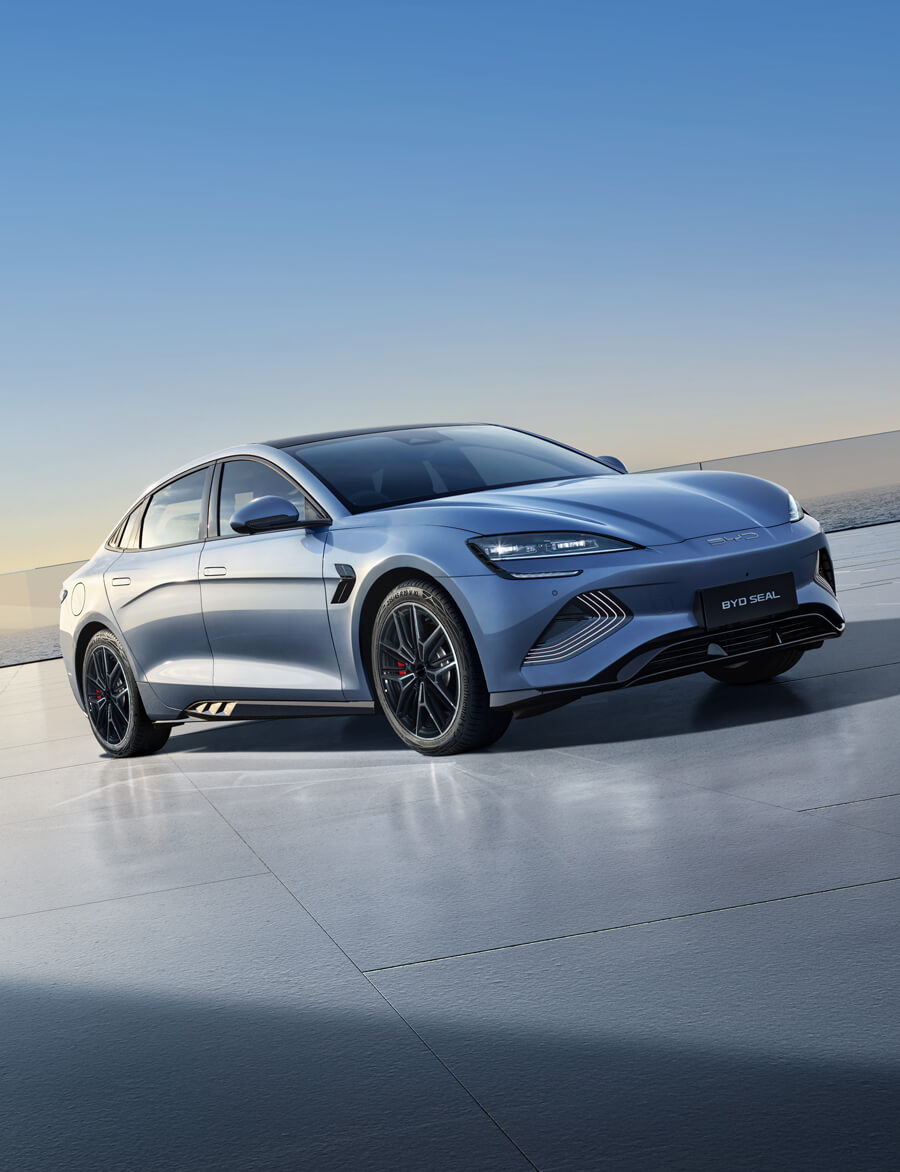 A key reason behind its popularity is its Aerodynamic EV Styling. The low-slung shape, flowing body lines, and modern lighting signature make it easier to position as a premium-feeling used EV, even when competing against older ICE sedans or first-generation electric cars in local markets. For dealers, that matters. Cars that look contemporary tend to generate stronger listing performance and better showroom attention.
The BYD Seal is usually a good fit for:
- Urban markets where EV buyers care about appearance and tech perception - Dealers who want one or two “headline” models in stock - Importers targeting customers upgrading from conventional compact or midsize sedans
That said, buyers should not treat every Seal as identical. Trim differences can affect battery specification, range expectations, wheel size, interior equipment, and software features. Before export, it is wise to check:
- Battery health and charging performance - Structural repair history - Actual trim level and feature list - Language options and infotainment usability in the destination market - Tire, suspension, and underbody condition
For importers building a stronger EV image in their local market, the BYD Seal is a very logical candidate. But the business case is strongest when the car’s history is transparent and the configuration is clearly documented.
2. BYD Qin Plus EV: A Practical Volume Model for Broader Markets
If the Seal is often seen as a showroom magnet, the BYD Qin Plus EV is closer to a volume mover. It sits in a more practical position, usually has a wider supply base in China’s used market, and is easier to explain to end customers who simply want an affordable electric sedan for daily use. 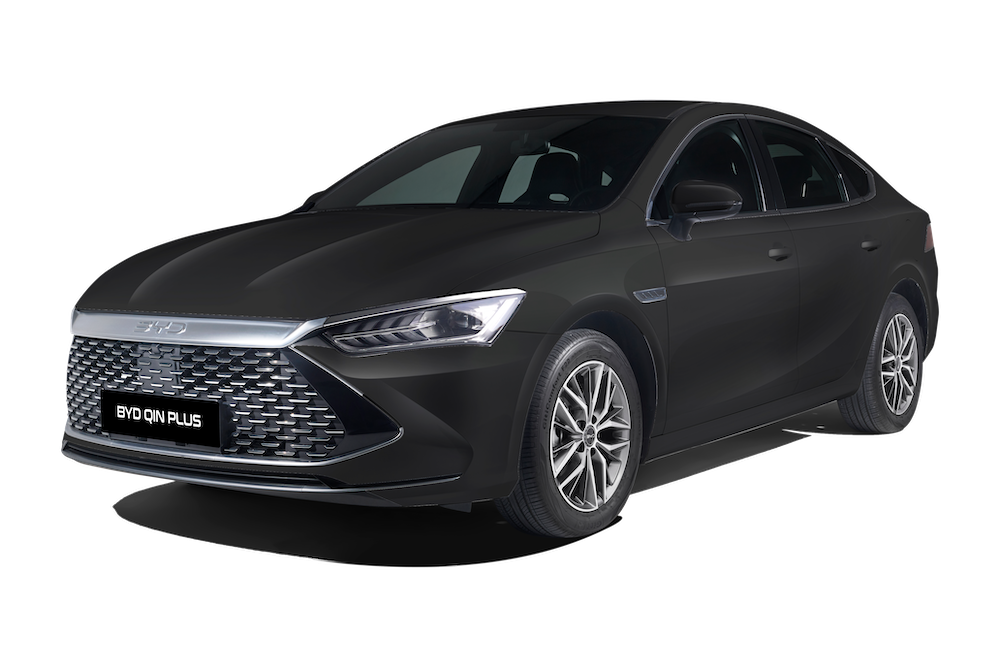 This matters for B2B buyers. A model does not always need to be exciting to be commercially useful. In many markets, the right used EV is the one that balances price, familiarity, running cost, and ease of resale.
Why importers keep looking at the Qin Plus EV:
1. Broader sourcing flexibility: more vehicles across different years, mileage bands, and trims. 2. Simple retail story: practical sedan format, understandable use case, and straightforward ownership proposition. 3. Wider customer base: suitable for households, commuting users, and in some cases light commercial mobility operators.
This model can work especially well for: 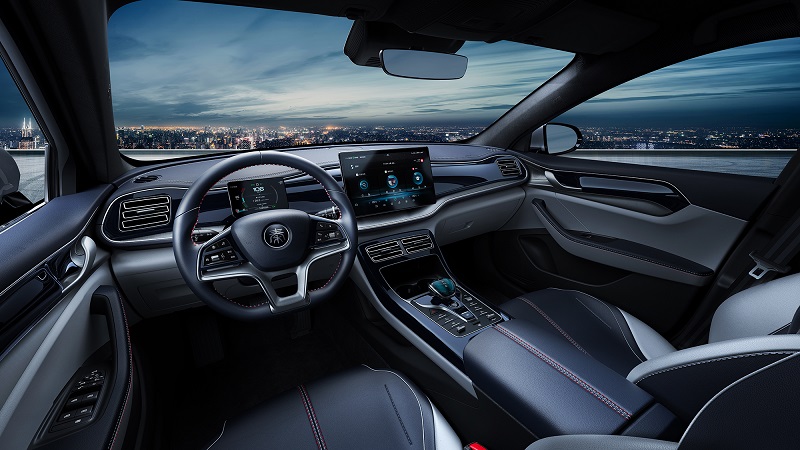 - Importers entering the Chinese used EV segment for the first time - Markets where EV adoption is growing but buyers remain price conscious - Dealers that serve both retail and small fleet customers
The main caution is prior usage intensity. Some Qin Plus EV units may have been used for ride-hailing or other high-frequency operations. Displayed mileage alone is not enough. Buyers should review:
- Signs of commercial use - Battery degradation pattern and charging habits - Brake, tire, and chassis wear consistency - Paintwork and accident repair indicators
When sourced carefully, the Qin Plus EV can be one of the most commercially stable Chinese used electric sedans for export.
3. GAC AION S: Reliable for Fleet-Oriented and Practical Demand
The GAC AION S may not always attract the most attention online, but in actual sourcing discussions it often makes sense for practical import programs. It has been used widely in China across commuting, business mobility, and fleet scenarios, which means buyers can often find relatively standardized units.
For B2B customers, standardization is valuable. It helps with: 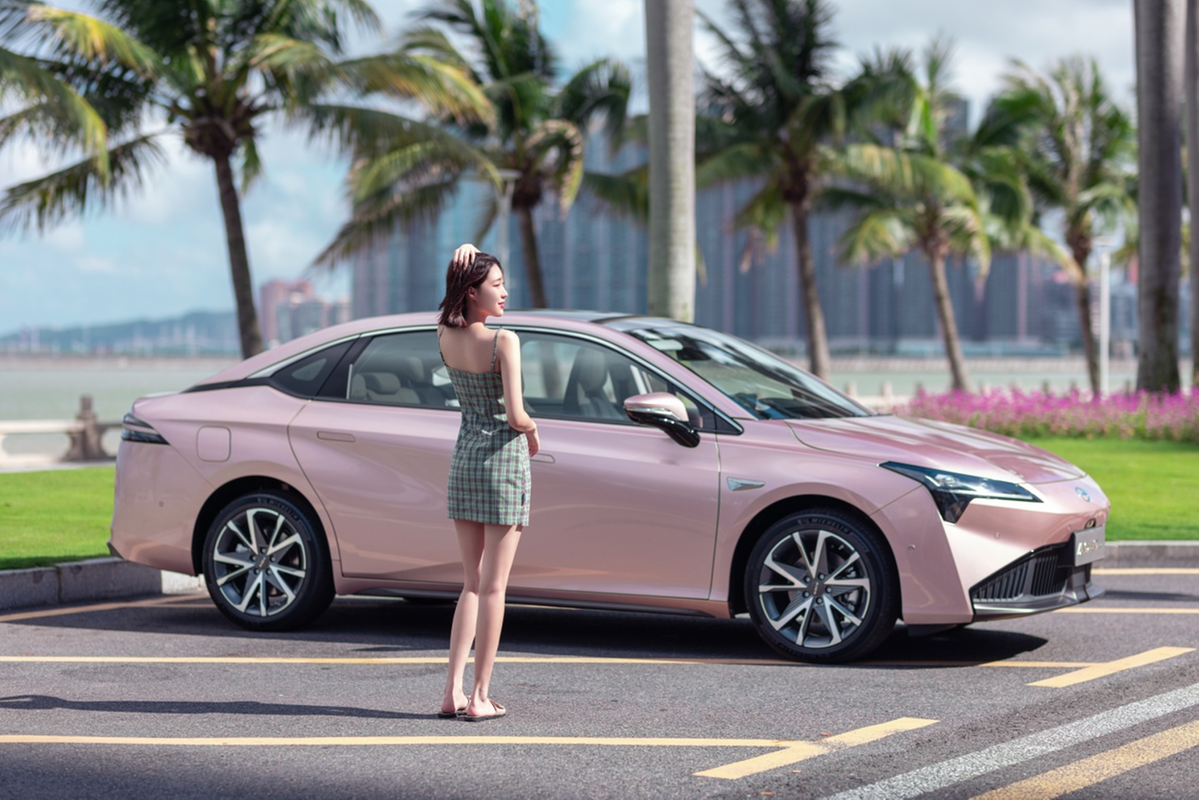 - Batch buying and repeat orders - More consistent stock planning - Easier resale to taxi, rental, or employee transport operators
The AION S generally appeals to markets that prioritize function over trend. It offers usable cabin space, a familiar sedan layout, and a relatively approachable learning curve for drivers moving into EV ownership.
Its strengths typically include:
- Good practicality for daily urban use - Supply depth in the Chinese market - Neutral styling that does not polarize buyers
However, the same fleet-friendly nature creates the main sourcing risk: some units may have experienced intensive commercial use. That makes pre-shipment inspection especially important. Check for:
- Seat wear, steering wheel wear, and signs of heavy daily occupancy - Suspension fatigue and underbody impacts - High-voltage system fault records if available - Replaced body panels, lamps, or glass
For importers who prefer predictable demand and repeatable sourcing standards, the AION S is a model worth monitoring closely.
4. XPeng P7: Better for Differentiation Than Pure Volume
The XPeng P7 is not always the most conservative export choice, but it is one of the easiest cars to remember. Its coupe-like silhouette, technology-focused branding, and stronger visual identity can help a dealer stand out in a market crowded with conventional sedans. 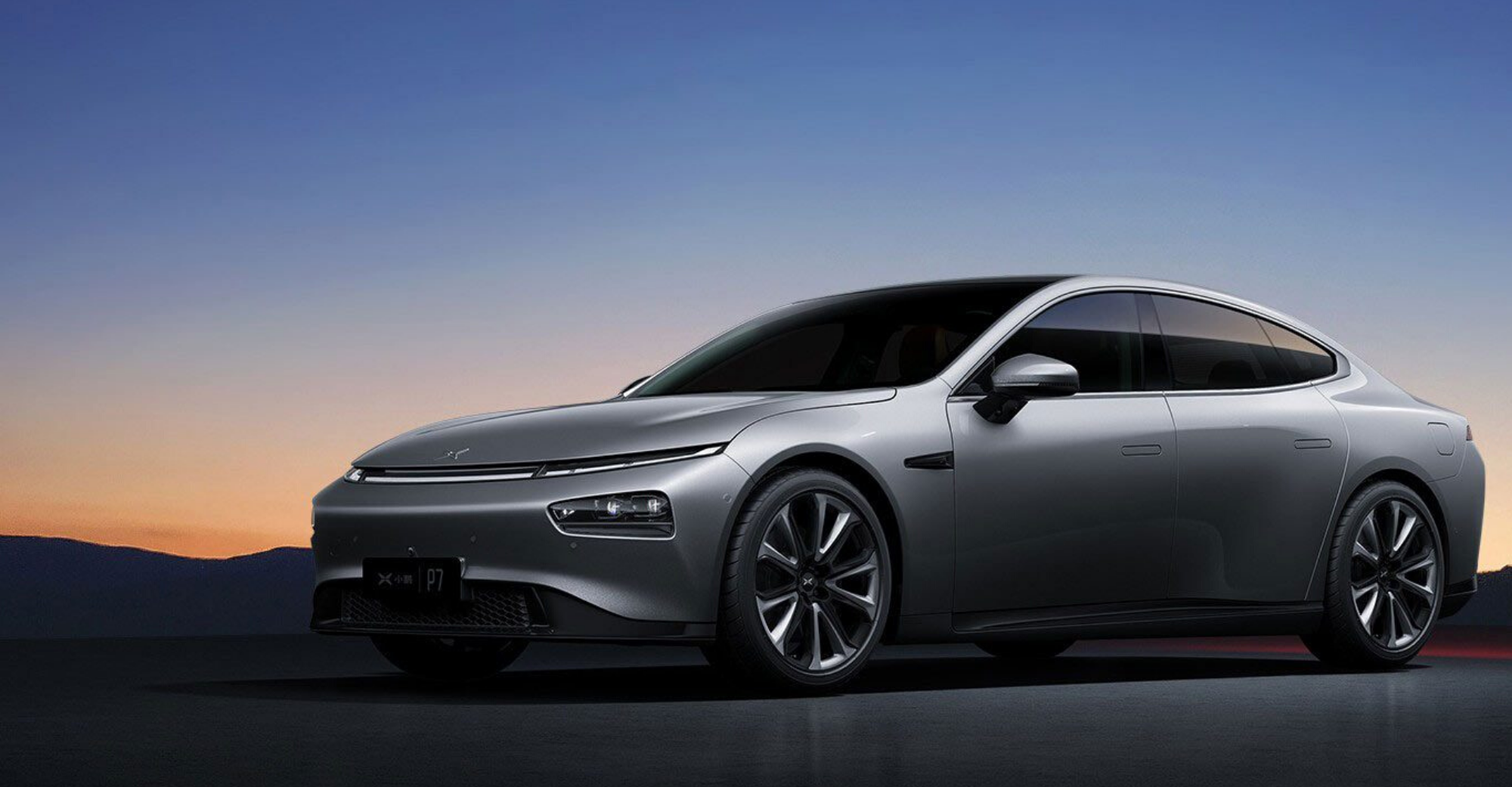 That makes it attractive for:
- Dealers who want visually distinctive used EV inventory - Retailers targeting younger or tech-oriented buyers - Importers building a premium-used or specialty EV selection
The P7’s export case is less about mass-market simplicity and more about product character. In the right market, that can be an advantage. A car that feels different often creates stronger showroom conversations.
Still, the P7 requires more careful version control than some practical fleet-style sedans. Depending on year and trim, there may be differences in:
- Driver-assistance hardware - Sensor setup and calibration status - Software functions - Cabin equipment
Before purchase, buyers should verify:
- Camera, radar, and sensor functionality - Condition of electronic components and powered features - Fit and finish after any repair work - Whether the exact trim matches the destination market’s buyer expectations
For dealers seeking margin through differentiation rather than only turnover speed, the XPeng P7 can be a smart addition. But it is best sourced with tighter technical screening.
5. Geely Geometry A / G6: Sensible Choices for Cost-Conscious Markets
Not every import program is built around brand prestige or headline styling. In many emerging or price-sensitive markets, the winning used EV is simply the one that offers acceptable range, practical dimensions, and manageable acquisition cost.
That is where the Geely Geometry A or G6 can make sense. 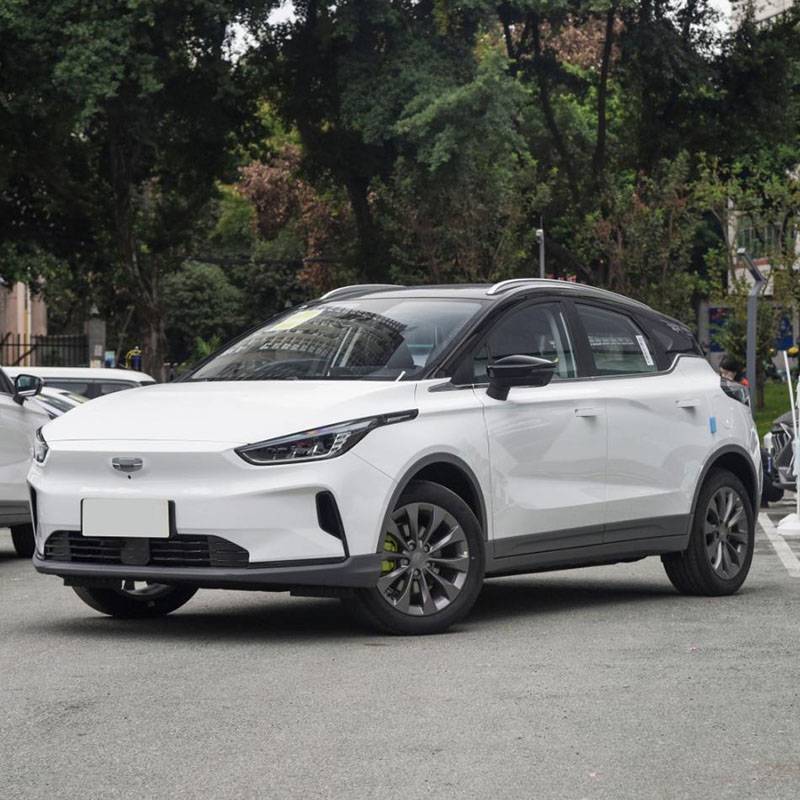 These models are often attractive because they are balanced rather than extreme. They may not dominate on image, but they can support practical business planning through:
- More accessible purchase budgets - Suitable size for family or urban use - Straightforward specifications - Feasibility for small trial batches
They may fit well for:
- Importers testing used EV demand without overcommitting to higher-priced stock - Dealers serving value-driven buyers - Markets where simple ownership logic matters more than premium branding
As always, there are details to confirm. Buyers should pay attention to:
- Exact variant and battery specification - Charging interface compatibility in the destination country - Availability of service parts and technical support channels - Whether the trim level is competitive enough for local resale
For cautious market entry or lower-risk experimentation, Geometry A and G6 remain relevant sourcing candidates.
What Matters More Than the Ranking
A “top 5” list is useful, but export success depends less on rankings and more on fit. The best Chinese used electric sedan for one country may not be the best for another. Before purchasing, buyers should review four practical filters.
Market access and compliance
Confirm import eligibility first. Check rules for vehicle age, left-hand or right-hand drive, battery documentation, inspection files, and any EV-specific customs or registration requirements.
Battery and vehicle condition transparency
A cheaper car with weak documentation can become expensive later. Prioritize suppliers that can provide inspection reports, detailed photos or videos, mileage verification, service history review where available, and pre-shipment checks.
Local resale logic
Ask how the vehicle will actually be sold. Is the target customer a private household, a fleet operator, a taxi company, or a dealer network? That answer changes which model makes sense.
Styling and buyer preference
Aerodynamic EV Styling can be a real selling point in some urban retail markets, especially for cars like the BYD Seal or XPeng P7. In other places, buyers may care far more about practicality, familiarity, and ease of maintenance.
If you want to review current exportable inventory, you can Browse Cars. If you prefer a more targeted recommendation by market, quantity, and budget, feel free to Contact Us.
FAQ
Which Chinese used electric sedan is the safest choice for first-time importers?
There is no single answer, but practical volume models such as the BYD Qin Plus EV are often easier for first-time buyers because supply is broader and the resale story is simpler. The final choice should still depend on local import policy, charging environment, and after-sales capacity.
Is a Used BYD Seal suitable for every export market?
Not necessarily. The Used BYD Seal has strong design appeal and good market visibility, but importers should still verify software usability, charging compatibility, battery documentation, and local service readiness. It tends to work best where Chinese EV brands are already gaining acceptance.
How can buyers reduce risk when sourcing used electric sedans from China?
Start with compliance, then move to inspection. Verify the vehicle history, battery health, trim level, and pre-shipment condition. It also helps to understand the overall export workflow in advance through this guide: How to Import Used Cars from China.
Final Thoughts
The opportunity in Chinese used EV export is real, but it is not created by hype alone. It comes from selecting cars that match the destination market and managing condition, paperwork, and logistics carefully.
In 2026, the BYD Seal stands out for image and retail appeal, the BYD Qin Plus EV for practical turnover, the GAC AION S for repeatable fleet-style demand, the XPeng P7 for differentiation, and the Geely Geometry A / G6 for cost-sensitive market entry.
For overseas buyers, the better strategy is not to chase one “perfect” model. It is to build a sourcing mix that fits your customers, your compliance environment, and your resale channel.
If you are exploring export-ready Chinese used electric sedans, you can start by Browse Cars or Contact Us for model suggestions based on your target market and purchasing plan.