
RHD vs LHD Used Cars from China: Which Markets Need What?
For overseas car dealers, importers, and distributors, one of the first sourcing decisions is not brand, mileage, or trim level. It is steering configuration: RHD or LHD.
That choice affects much more than driving comfort. It can influence import eligibility, registration procedures, resale speed, parts support, driver acceptance, and even how efficiently your inventory moves after arrival. When sourcing a Chinese used vehicle for export, matching the steering layout to the target market is often more important than chasing the lowest unit price.
China’s used vehicle export supply has become more diverse in recent years. Buyers can find a wide range of LHD Used Cars from China, and in some cases also source RHD units depending on model, availability, and export planning. But the right buying strategy depends on your destination market, local regulations, and end-customer demand.
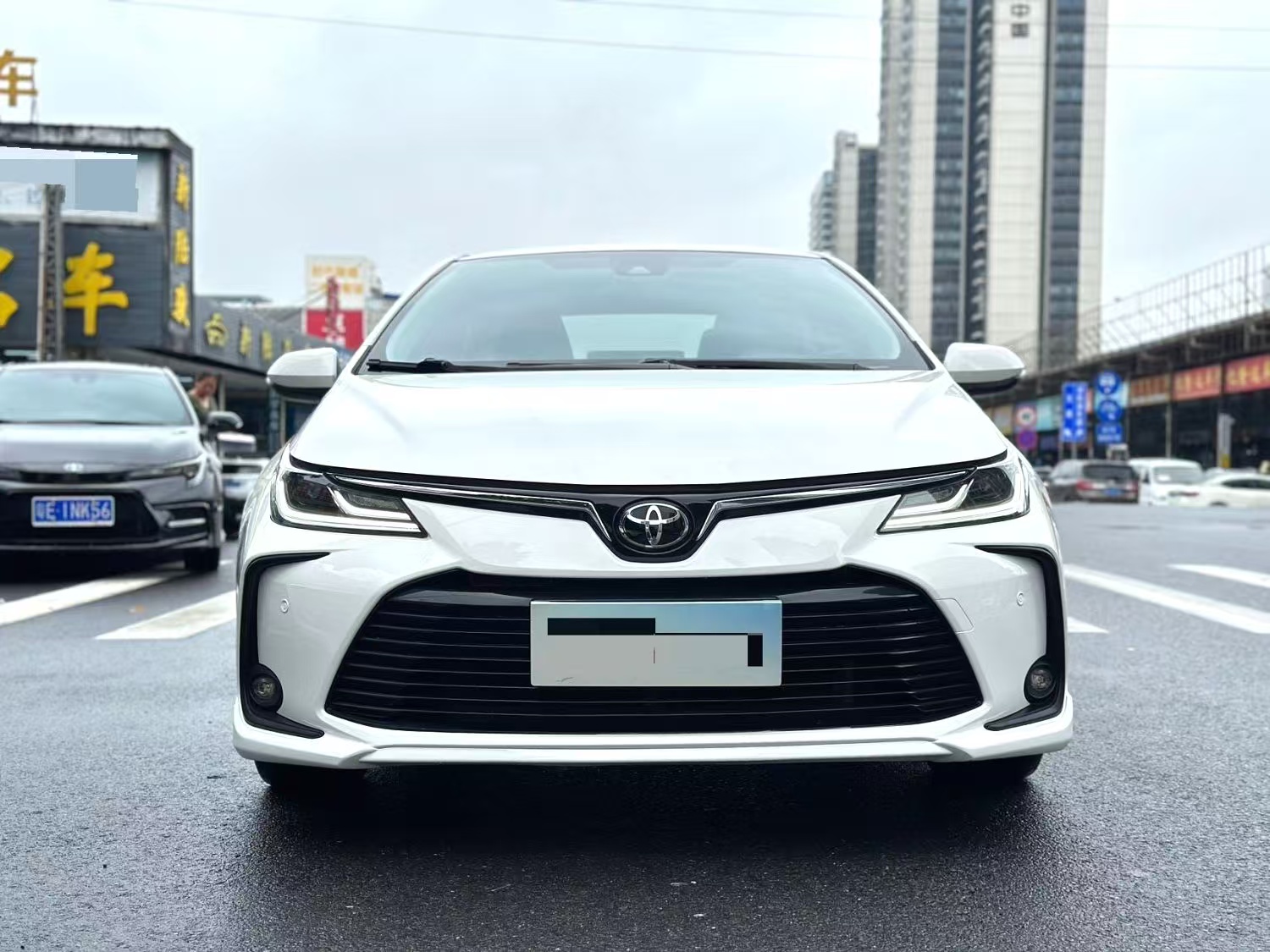
Start with the market, not the car
The most practical rule is simple: check regulations first, customer habits second, and vehicle use case third.
In broad terms, countries that drive on the left usually prefer RHD vehicles, while countries that drive on the right usually prefer LHD vehicles. However, import reality is not always that straightforward. Some countries allow both, but the market strongly favors one. Others allow special exceptions based on vehicle age, type, or end use. And in some markets, a legally importable vehicle may still be difficult to resell if the steering layout feels unfamiliar to local buyers.
Quick market view
| Region / market type | Typical steering demand | Main buyer concern | Notes |
|---|---|---|---|
| Parts of East Africa | Often RHD | Age limits, documents, suspension condition | Always verify country-specific rules |
| Parts of Southern Africa | Frequently RHD | Durability, serviceability, parts access | SUVs and utility vehicles remain popular |
| Middle East and much of Central Asia | Mostly LHD | Heat performance, compliance, resale fit | LHD is generally easier to retail |
| Most Latin American markets | Mostly LHD | Import approval, logistics, model acceptance | Pre-check homologation and eligibility |
| Some island markets | Can favor RHD | Shipping frequency, compact batches, parts | Smaller-volume orders are common |
If you are distributing across multiple countries, avoid mixing RHD and LHD in one trial shipment unless each unit already has a defined destination. A steering mismatch can turn an otherwise good vehicle into slow-moving stock.
What matters beyond RHD vs LHD Vehicle layout?
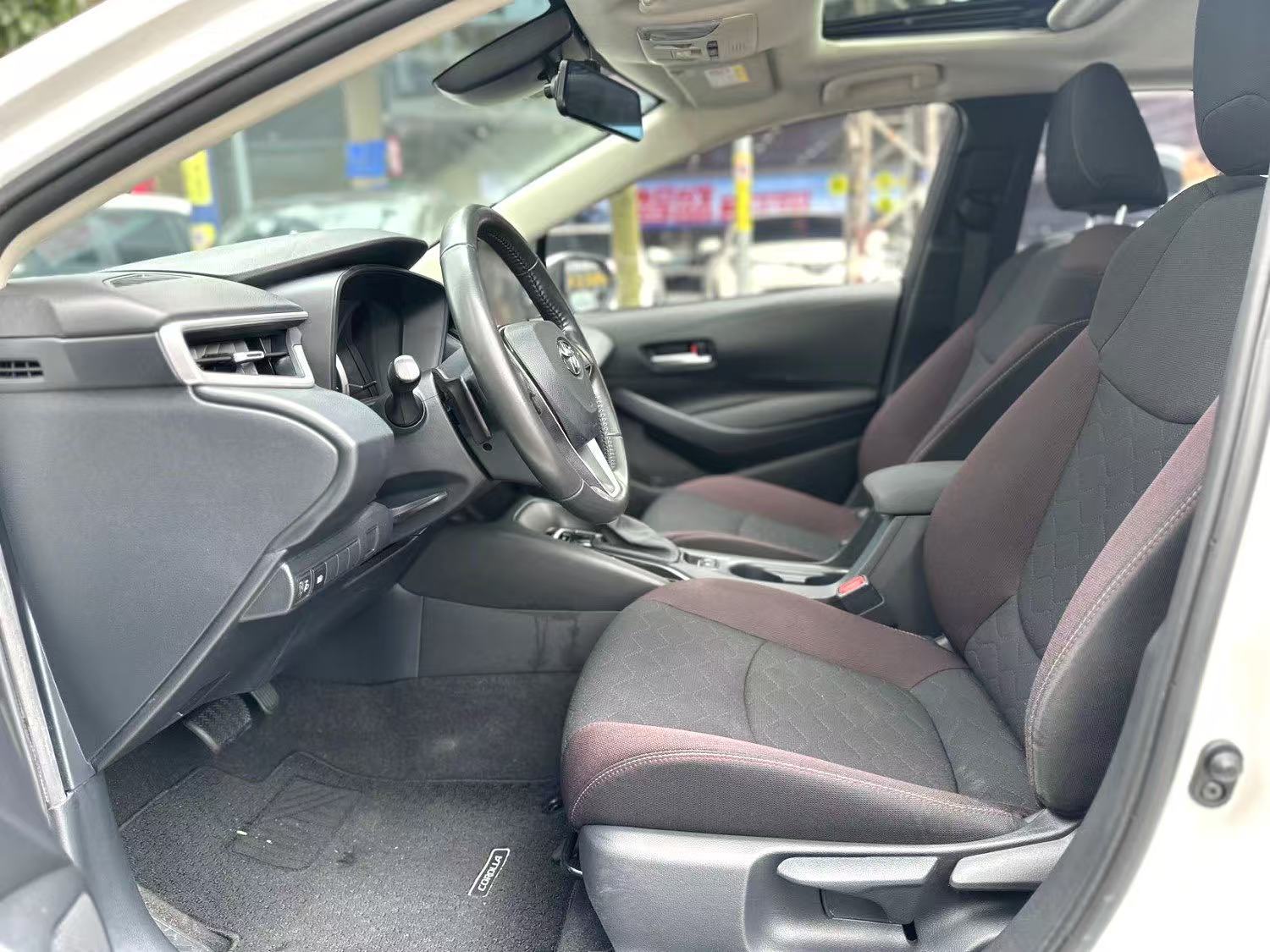
Many buyers compare an RHD vs LHD Vehicle only from a driving-position perspective. In practice, export buyers should compare at least four business factors.
1. Compliance risk
Steering layout must match the destination country’s import framework. Some countries regulate steering side, vehicle age, modifications, accident history, emissions, diesel eligibility, or pre-shipment inspection.
Before placing an order, confirm:
- Whether the country allows RHD, LHD, or both - Whether there is a vehicle age restriction - Whether steering conversion is prohibited - Whether third-party inspection is required - Whether EV, hybrid, or diesel imports face additional restrictions
If you are testing a new market with a smaller batch, this article on how MOQ 10-unit used car export programs work may help you plan a lower-risk first shipment.
2. Resale speed
Even when imports are legal, retail performance may differ sharply. In a primarily LHD market, RHD vehicles may face:
- Lower test-drive acceptance - Weaker resale confidence - More questions during registration or insurance - Reduced interest from fleet buyers
The reverse is also true. In stable RHD markets, the right batch of SUVs, pickups, and durable diesel vehicles may turn faster than passenger sedans. Buyers focused on African road conditions may also find useful context in this article about what buyers in Tanzania often look for in durable diesel SUVs.
3. Service and parts fit
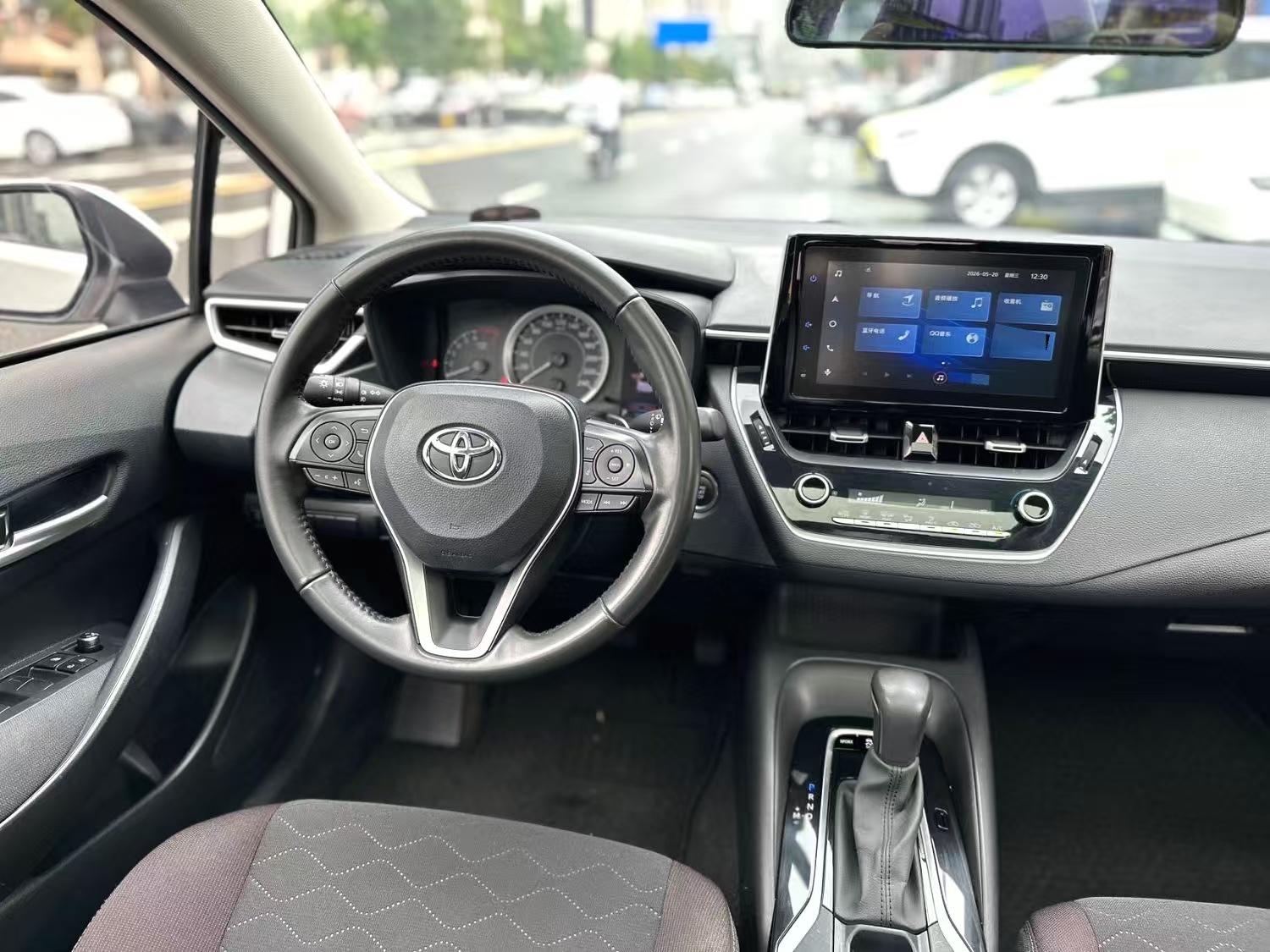
RHD and LHD versions can differ in dashboard structure, steering components, lighting logic, wiper orientation, interior trim, and some electrical details. For importers building a repeat business, these practical points matter:
- Do local workshops know that version well? - Are wear-and-tear parts easy to source? - Will body repair and accident repair be straightforward? - Will your sales team need to explain the version difference repeatedly?
4. Supply consistency from China
From a sourcing standpoint, LHD Used Cars from China are generally easier to find in broader volumes and across more product categories. That makes them a practical fit for the Middle East, Central Asia, and much of Latin America. RHD supply is possible, but buyers usually need tighter planning on source channels, model consistency, and replenishment potential.
If your business model depends on repeat orders rather than one-time spot buying, stable supply is often more valuable than a slightly cheaper first batch.
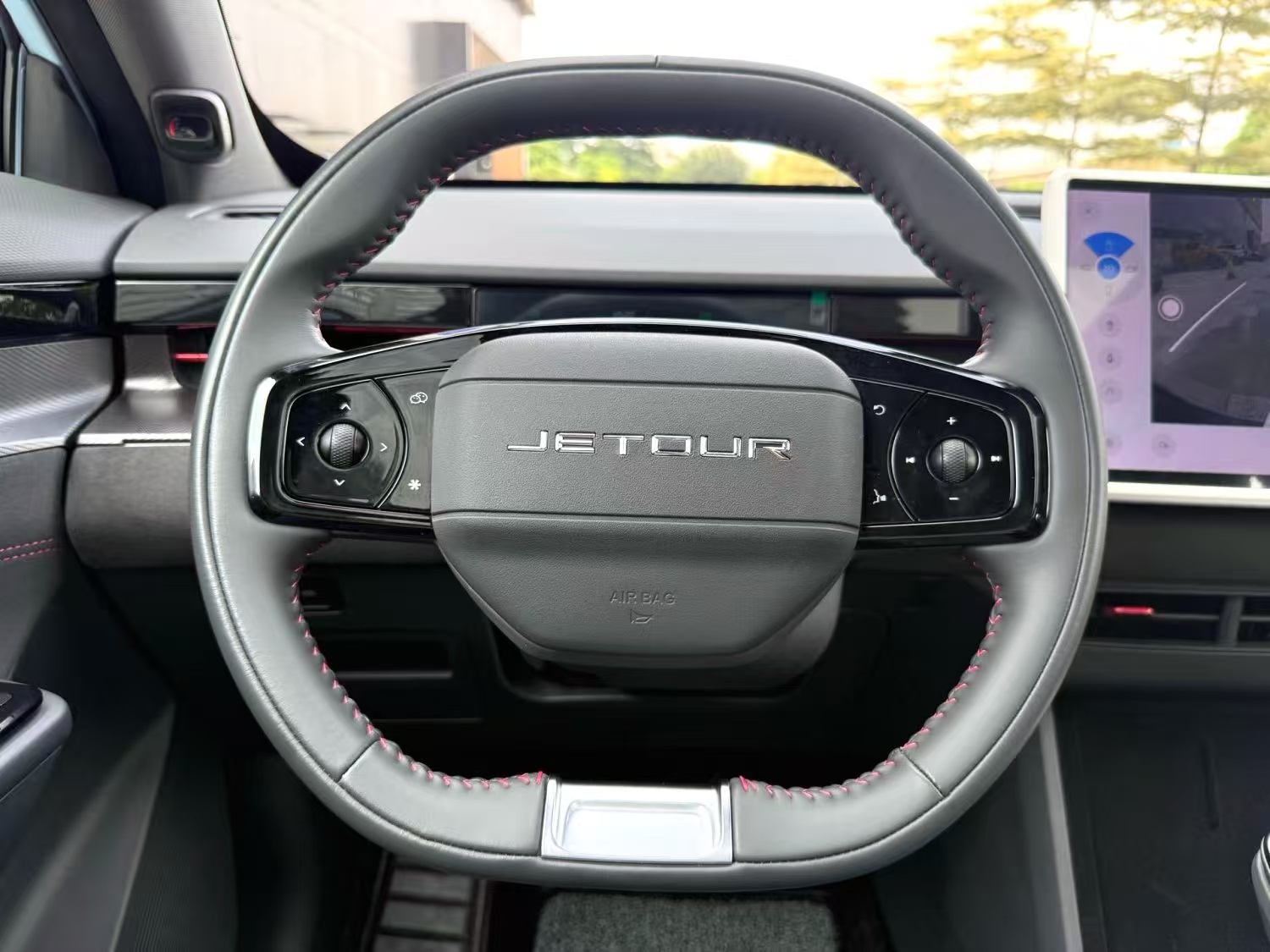
How to choose the right steering configuration when buying from China
A disciplined sourcing process helps reduce mistakes. Instead of starting with price lists, start with fit.
Step 1: Confirm destination-country rules
Build a market checklist that includes:
- Allowed steering side - Maximum vehicle age - Acceptance of EV, hybrid, gasoline, or diesel vehicles - Inspection or certification requirements - Core customs and registration documents
This defines what you can import—not just what is available.
Step 2: Choose by end use, not only by brand
Different use cases require different sourcing logic:
- Urban retail market: mileage, interior condition, fuel economy, clean exterior presentation - Fleet or taxi use: durability, maintenance simplicity, consistency across units - Harsh-road or utility market: suspension condition, underbody health, diesel capability, ground clearance - EV trial market: battery condition, charging support, local policy readiness
The steering layout should support the use case. A legally compliant vehicle can still be a poor buy if it does not match how your customers will actually use it.
Step 3: Check transparency of vehicle condition
When sourcing a Chinese used vehicle, buyers should verify:
- VIN consistency with registration records - Accident, flood, or fire history - Mileage continuity - Engine, transmission, and chassis condition - Interior wear and electronic function status - Tire, brake, and lighting basics
This is especially important when buying by batch, where one weak unit can affect customer trust in the whole shipment.
Step 4: Evaluate export execution capability
When buying multiple units, execution quality matters as much as the vehicles themselves. Ask whether the supplier can:
- Filter inventory by steering configuration for your target market - Apply a consistent inspection standard - Prepare export paperwork properly - Coordinate container or Ro-Ro shipment - Reduce trim and specification mismatch across the batch
Practical buying guidance by buyer type
| Buyer type | Better starting point | Practical recommendation |
|---|---|---|
| New importer entering a market | The locally dominant steering layout | Start with a small test batch to reduce inventory risk |
| Dealer with an existing retail network | Fast-turning mainstream layout | Focus on replenishment consistency |
| Fleet buyer | Driver-familiar, maintenance-standardized layout | Avoid mixing RHD and LHD in one operating fleet |
| Multi-country distributor | Separate sourcing plan by country | Classify by regulation first, then by vehicle type |
| Buyer targeting rough-road African demand | Durable SUVs, pickups, diesel models | Prioritize underbody, suspension, and long-term running cost |
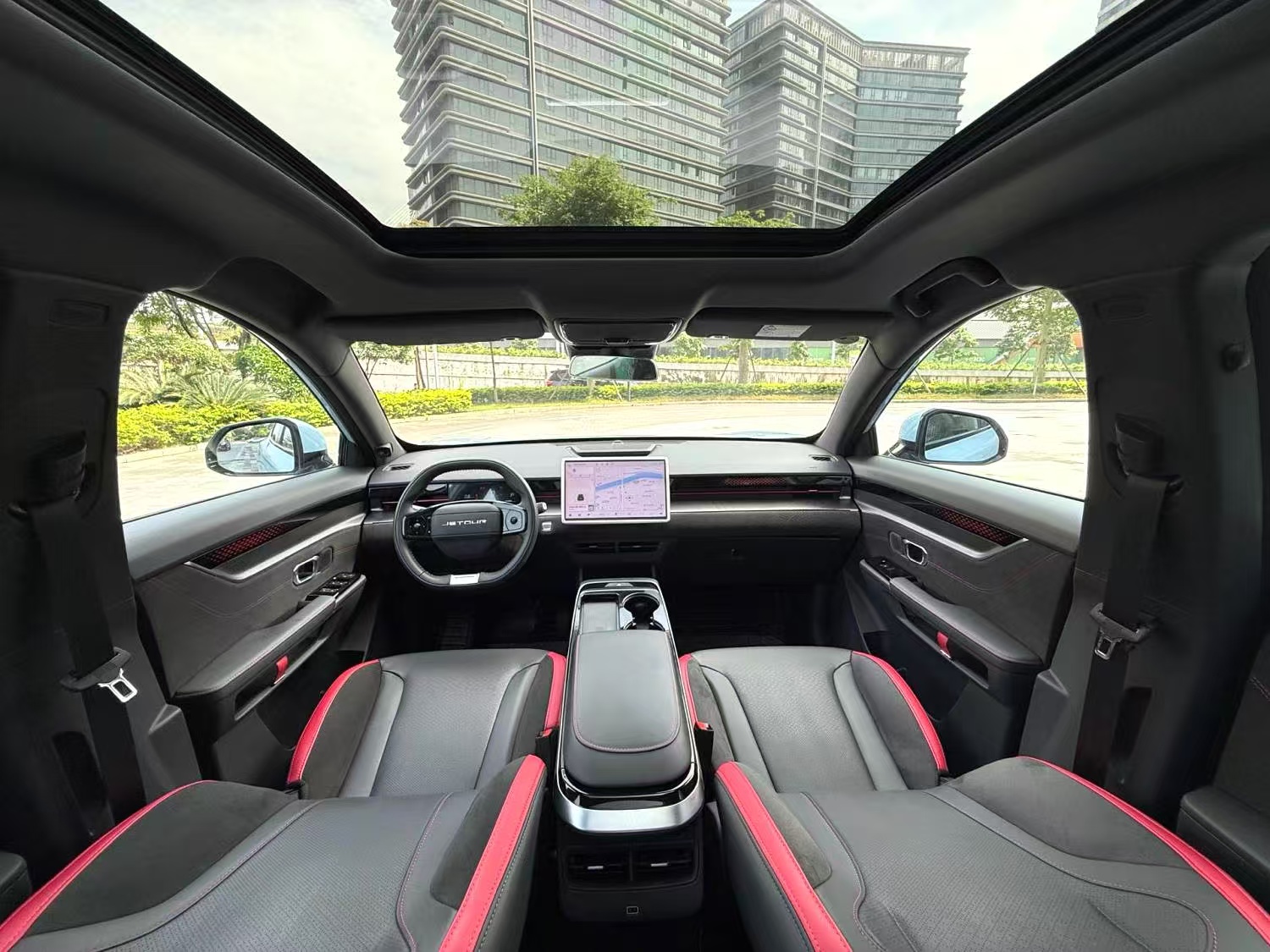
Three realities buyers often underestimate
Legal import does not guarantee easy resale
A market may permit a non-mainstream steering layout, but the retail customer may still reject it. Importability and marketability are not the same thing.
Steering conversion is rarely the safest route
Converting an RHD vehicle to LHD, or vice versa, can create compliance, insurance, quality, and residual-value concerns. In most cases, original factory configuration is the safer choice.
One country can still contain multiple demand profiles
Capital-city retail buyers, fleet operators, mining users, and rural customers may all value different features. Your steering decision should reflect your actual sales channel, not just the country name on the shipping documents.
FAQ
1. How can I quickly tell whether a market needs RHD or LHD?
Start with import law and registration rules, then confirm local traffic orientation, and finally verify what dealers and retail customers actually prefer. All three matter.
2. Are LHD or RHD vehicles easier to source from China?
In general, LHD supply is broader and more consistent. RHD vehicles can be sourced as well, but buyers usually need more careful planning on availability, model mix, and replacement supply.
3. If a country allows both RHD and LHD, which should I choose?
Choose the version that is easier to resell, easier to service, and more familiar to local drivers. Purchase cost alone should not decide the batch.
4. What should I review besides steering side before buying?
Review compliance, age restrictions, condition transparency, parts support, fuel type suitability, shipping method, and how well the vehicles fit your actual customer segment.
Final thought
Choosing between RHD and LHD is not just a technical detail. It is a market-fit decision that affects import success, resale efficiency, and after-sales workload. For buyers sourcing used cars from China, the earlier you define steering requirements alongside compliance and end use, the smoother the export process tends to be.
If you are evaluating inventory for your destination market, you can Browse inventory or Contact us to discuss your country, use case, and sourcing plan.