
How to Safely Buy a Used Car from China in 2026
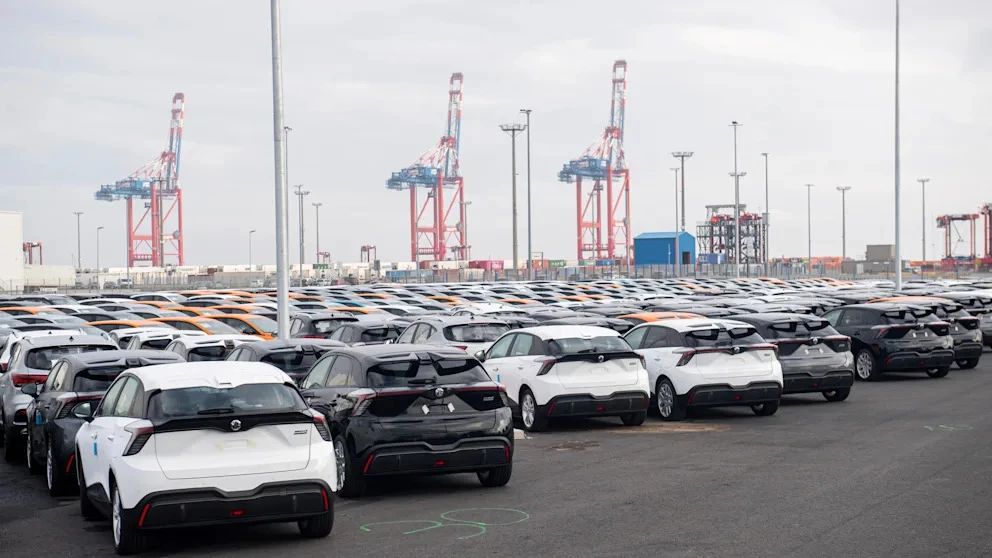
Buying a used car from China can unlock access to competitively priced vehicles—including a growing number of electric and plug-in hybrid models—but it comes with regulatory, logistical, and fraud risks. This guide walks you through how to do it safely in 2026.
---
Why Consider a Used Car from China?
- Price: Chinese used-car exports have grown sharply (from around 3,000 units in 2019 to hundreds of thousands), often at lower prices than local markets. - EV and PHEV options: Many exported “used” vehicles are low-mileage or near-new EVs and plug-in hybrids. - Variety: You can access models and brands that may not be widely available in your country.
Caveat: Some exports are “zero-mileage” cars registered as used to get around rules or tariffs. Import rules in many countries are tightening on this practice, so always confirm your destination’s current regulations.
---
1. Know Your Destination’s Import Rules (Critical)
Before paying anything, confirm that your country allows the vehicle and that you can meet all requirements.
United States
- Safety: Must meet Federal Motor Vehicle Safety Standards (FMVSS). NHTSA oversees this; many non-US market vehicles do not comply. - Emissions: Must meet EPA standards. EPA Form 3520-1 is required. - Customs: DOT HS-7 Declaration Form, commercial invoice, bill of lading, certificate of origin. - Used vehicles: Original title, vehicle history report, odometer disclosure. - Timing: AMS filing 24 hours before vessel departure; ISF-10 (Importer Security Filing) 48 hours before arrival. Non-compliance can mean $5,000+ penalties.
Reality check: Most used cars from China are not built to FMVSS/EPA specs. Unless the model is explicitly approved for the U.S. market, assume it is not legal to import for road use.
European Union
- Emissions: Typically Euro 6 (or current standard). Stricter in some cities (e.g., low-emission zones). - Safety: EU type approval; ESP and other features often mandatory. - Tariffs: EU has imposed tariffs on Chinese EVs; used EVs may still be subject to duties and rules. - Age: Some countries restrict vehicles over a certain age (e.g., 5 years).
Other Markets
- Russia, Central Asia, Middle East: Major destinations for Chinese used-car exports; rules vary by country (age limits, emissions, “zero-mileage” bans). - Your country: Always check with customs and the transport/safety authority. Rules and tariffs change (especially for Chinese EVs in 2025–2026).
---
2. Verify the Vehicle and Seller (Avoid Scams)
Cross-border used-car sales are a common setting for fraud. Protect yourself with checks and safe payment.
Red Flags
- Non-delivery: Payment requested upfront with no verifiable shipping or title process. - Fake or missing documents: No clear title, no export license, or papers that don’t match the vehicle. - Condition hiding: Accident, flood, or fire damage not disclosed. - Overpayment / fake checks: Buyer “overpays” and asks you to wire the difference (common scam; the check bounces). - Pressure: Urgency, requests for wire transfer or crypto only, or refusal of third-party inspection.
Safe Practices
1. Verify the seller - Check business registration and export licenses. - Look for reviews, references, and a real physical/online presence. - Prefer established platforms or agents with buyer protection over random contacts.
2. Inspect the vehicle - Pre-purchase: Confirm year, mileage, accident history, ownership chain, and basic mechanical condition (engine, transmission, chassis). - Use a third party: Hire an independent inspection company in China—don’t rely only on the seller’s report. - Post-refurbishment: If the car is reconditioned, get a second inspection before shipping.
3. Documentation - Request commercial invoice, bill of lading, certificate of origin. - For used: original title, vehicle history report, odometer statement. - Prefer documents in English or officially translated; ensure VIN and details match the car.
4. Payment - Avoid paying 100% upfront by untraceable methods (e.g., wire to an unknown party, crypto only). - Prefer escrow or a platform that holds funds until delivery/compliance. - Never “refund” an overpayment; treat it as a scam.
---
3. Four-Stage Quality and Compliance Check
Use a structured process so you don’t skip critical steps.
| Stage | What to do |
|---|---|
| **1. Pre-purchase** | Verify make, model, year, mileage, accident history, ownership, and that the vehicle is legally exportable. |
| **2. Inspection** | Third-party inspection of exterior, interior, brakes, lights, tires, emissions, and mechanicals. |
| **3. Compliance** | Confirm the vehicle meets your country’s safety and emissions rules; get all required forms (e.g., EPA, DOT, customs). |
| **4. Pre-shipping** | Final check: documents, VIN, and compliance paperwork aligned with the actual vehicle and shipment. |
If any stage fails, stop and fix the issue or walk away.
---
4. Documentation You’ll Need
Typical set (adjust to your country):
- Commercial invoice - Bill of lading - Certificate of origin - Original title and registration (for used) - Vehicle history and odometer disclosure - Export license / customs export clearance from China - Destination: EPA/DOT forms (USA), or equivalent safety/emissions paperwork for your country
Keep everything in one place and ensure VINs and details are consistent across all documents.
---
5. Logistics and Customs
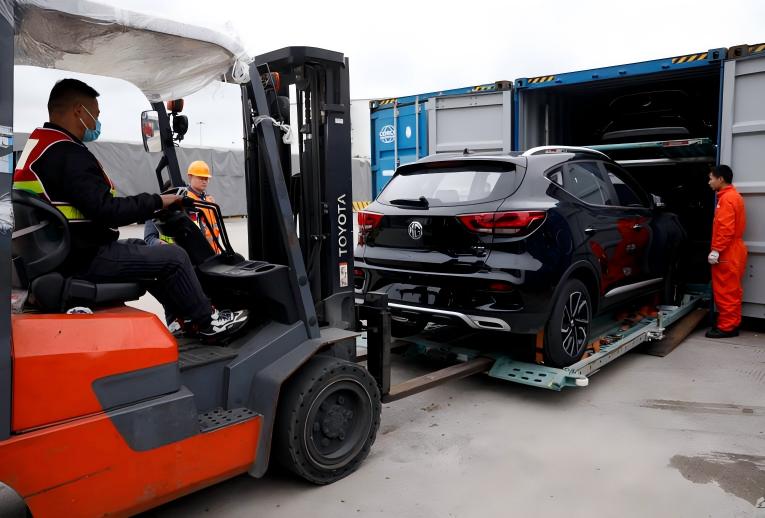
- Shipping: Use a known freight forwarder or agent experienced in vehicle exports from China. - Insurance: Insure the vehicle from pickup to delivery. - Customs clearance: In the destination country, use a licensed customs broker if required. Missing or late filings (e.g., ISF in the USA) can lead to heavy penalties. - Port clearance: Be prepared for possible physical inspection and for any modifications or testing required by your country.
---
6. Post-Delivery: Registration and Compliance
- Modifications: Your country may require changes (e.g., lights, mirrors, emissions equipment). Plan for time and cost. - Registration: Only after the vehicle is cleared and, if applicable, certified by the relevant authority (e.g., NHTSA/EPA in the USA). - Guarantees: Prefer sellers or agents who guarantee that the vehicle will meet import regulations or offer a clear remedy if it doesn’t.
---
Summary: Safe Buying Checklist for 2026
- [ ] Confirm your country allows the vehicle (safety, emissions, age, tariffs). - [ ] Verify seller (registration, reviews, references). - [ ] Get an independent third-party inspection in China. - [ ] Obtain and check all documents (title, history, invoice, B/L, export license). - [ ] Use escrow or a secure payment method; avoid full upfront wire/crypto to unknown parties. - [ ] Ensure compliance with destination rules (EPA, DOT, EU type approval, etc.) before shipping. - [ ] Use a reliable freight forwarder and customs broker. - [ ] Insure the vehicle and keep copies of all paperwork.
---
Bottom Line
Buying a used car from China in 2026 can be viable if you treat it as a regulated, cross-border transaction: research your country’s import rules first, verify the vehicle and seller, insist on third-party inspection and proper paperwork, and use safe payment and logistics. With tariffs and “zero-mileage” rules evolving, double-check the latest regulations and, when in doubt, consult a customs broker or import specialist in your country before you pay.
---
This guide is for general information only. Import rules and tariffs change. Always confirm current requirements with your country’s customs and transport/safety authorities before purchasing.