
Unveiling EV Resale Value: What Is a Chinese EV Worth After 100,000 Kilometers?
When considering an electric vehicle purchase, one of the most critical questions buyers ask is: "How much will my car be worth after 100,000 kilometers?" This comprehensive analysis examines the resale value of Chinese EVs, battery degradation patterns, and which models from BYD, NIO, XPeng, and other manufacturers offer the best value retention in the used car market.
Understanding EV Depreciation vs. Traditional Vehicles
The Depreciation Curve
Traditional internal combustion engine (ICE) vehicles typically lose 20-30% of their value in the first year and about 15-20% annually thereafter. Chinese electric vehicles, however, follow a different depreciation pattern:
Year 1: 15-25% depreciation Year 2: 10-15% depreciation Year 3: 8-12% depreciation After 100,000 km: Typically 40-55% of original value retained
This slower depreciation rate makes affordable Chinese used cars an increasingly attractive option for budget-conscious buyers in overseas markets.
Battery Health: The Key Factor
Battery Degradation Rates
The battery is the heart of any EV, and its condition significantly impacts resale value. Chinese EV manufacturers have made remarkable progress in battery longevity:
BYD Blade Battery: - After 100,000 km: 92-95% capacity retention - Warranty: 8 years or 150,000 km - Chemistry: LFP (Lithium Iron Phosphate)
NIO Battery Packs: - After 100,000 km: 88-92% capacity retention - Warranty: 8 years or 120,000 km - Chemistry: NCM (Nickel Cobalt Manganese)
XPeng Batteries: - After 100,000 km: 85-90% capacity retention - Warranty: 8 years or 150,000 km - Chemistry: NCM
Factors Affecting Battery Life
1. Charging Habits - Fast charging frequency - Depth of discharge cycles - Charging to 100% regularly
2. Climate Conditions - Extreme heat or cold - Humidity levels - Storage conditions
3. Driving Patterns - Highway vs. city driving - Aggressive acceleration - Regenerative braking usage
Top Value-Retention Chinese EV Models
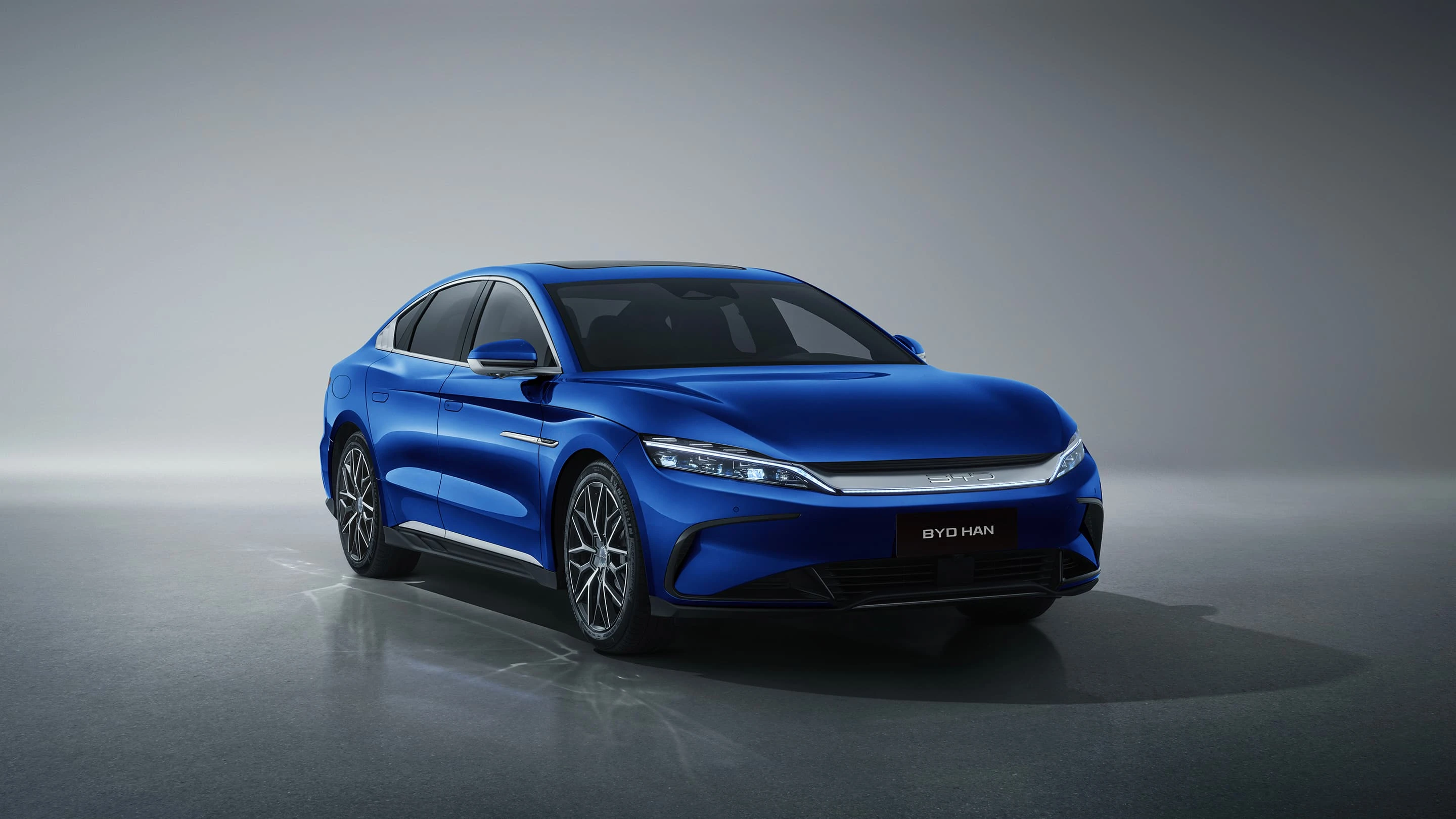
Best Overall: BYD Han (比亚迪汉)
Original Price: $35,000-$45,000 Value After 100,000 km: $20,000-$27,000 (57-60% retention)
Why It Holds Value: - Blade Battery technology with minimal degradation - Strong brand reputation - Luxury features at competitive prices - Growing global service network - High demand in used car markets
Runner-Up: NIO ES6 (蔚来ES6)
Original Price: $50,000-$60,000 Value After 100,000 km: $28,000-$36,000 (56-60% retention)
Why It Holds Value: - Battery-as-a-Service (BaaS) option - Premium build quality - Advanced technology features - Strong community support - Battery swap capability
Best Budget Option: BYD Dolphin (比亚迪海豚)
Original Price: $18,000-$22,000 Value After 100,000 km: $10,000-$13,000 (55-59% retention)
Why It Holds Value: - Affordable entry point - Reliable LFP battery - Low maintenance costs - Popular in urban markets - Excellent efficiency
Premium Segment: XPeng P7 (小鹏P7)
Original Price: $40,000-$50,000 Value After 100,000 km: $21,000-$28,000 (52-56% retention)
Why It Holds Value: - Advanced autonomous driving features - Sleek design - Strong performance - Regular OTA updates - Tech-savvy buyer appeal
Detailed Resale Value Analysis by Brand
BYD (比亚迪) - The Value Champion
Average Retention After 100,000 km: 55-60%
Top Models: 1. BYD Han - 57-60% retention 2. BYD Tang - 54-58% retention 3. BYD Seal - 55-59% retention 4. BYD Dolphin - 55-59% retention
Strengths: - Industry-leading Blade Battery - Vertical integration (controls entire supply chain) - Extensive global expansion - Competitive pricing - Strong after-sales support
Considerations: - Interior quality varies by model - Some markets have limited service centers - Brand perception still developing in premium segment
NIO (蔚来) - Premium Positioning
Average Retention After 100,000 km: 52-58%
Top Models: 1. NIO ES6 - 56-60% retention 2. NIO ET7 - 54-58% retention 3. NIO ES8 - 50-55% retention
Strengths: - BaaS model separates battery cost - Premium brand image - Excellent customer service - Battery swap network - Strong community ecosystem
Considerations: - Higher initial purchase price - Limited availability outside China - Battery subscription costs (BaaS)
XPeng (小鹏) - Tech-Forward Value
Average Retention After 100,000 km: 50-56%
Top Models: 1. XPeng P7 - 52-56% retention 2. XPeng G9 - 51-55% retention 3. XPeng P5 - 48-52% retention
Strengths: - Advanced driver assistance systems - Regular software updates - Competitive pricing - Strong performance - Modern design
Considerations: - Newer brand with less market history - Service network still expanding - Battery degradation slightly higher than BYD
Regional Market Variations
Europe
Chinese EVs in European markets show strong resale values due to: - Government EV incentives - Growing charging infrastructure - Environmental regulations favoring EVs - Increasing brand acceptance
Average Retention: 55-62% after 100,000 km
Southeast Asia
Emerging market with variable resale values: - High demand for affordable EVs - Limited charging infrastructure in some areas - Climate considerations (heat affects batteries)
Average Retention: 48-55% after 100,000 km
Middle East
Growing market with unique challenges: - Extreme heat conditions - Limited EV infrastructure - Strong preference for luxury brands
Average Retention: 45-52% after 100,000 km
Australia/New Zealand
Mature EV market with strong values: - Government incentives - Environmental consciousness - Good charging infrastructure
Average Retention: 52-58% after 100,000 km
Maximizing Your Chinese EV's Resale Value
Maintenance Best Practices
1. Battery Care - Avoid frequent fast charging (limit to 20% of charges) - Keep charge between 20-80% for daily use - Store at 50% charge for extended periods - Avoid extreme temperatures when possible
2. Regular Service - Follow manufacturer maintenance schedule - Keep all service records - Address recalls promptly - Use authorized service centers
3. Software Updates - Install OTA updates regularly - Maintain latest firmware - Document feature improvements
Documentation Matters
Maintain comprehensive records: - Original purchase documents - Service history - Battery health reports - Accident history (if any) - Charging patterns - Software update logs
Cosmetic Condition
- Regular washing and detailing - Paint protection film - Interior care - Tire maintenance - Wheel condition
Comparing to Competitors
Chinese EVs vs. Tesla
Tesla Model 3 (for comparison): - After 100,000 km: 50-55% retention - Higher initial cost - Strong brand recognition - Extensive Supercharger network
Chinese EVs Advantage: - Better value retention in some models (BYD Han) - Lower initial purchase price - Comparable technology - Growing service networks
Chinese EVs vs. Traditional Brands
Nissan Leaf: - After 100,000 km: 35-42% retention - Older battery technology - Slower charging
Hyundai Ioniq 5: - After 100,000 km: 52-58% retention - Comparable to Chinese EVs - Higher initial cost
Chinese EVs Advantage: - Competitive or better retention - More affordable entry point - Newer technology - Faster innovation cycle
Investment Perspective
Total Cost of Ownership (TCO)
When evaluating resale value, consider the complete financial picture:
Example: BYD Han - Purchase Price: $40,000 - Fuel Savings (vs. ICE): $8,000 over 100,000 km - Maintenance Savings: $3,000 over 100,000 km - Resale Value: $24,000 - Net Cost: $5,000 over 100,000 km
Comparable ICE Vehicle: - Purchase Price: $35,000 - Fuel Costs: $12,000 over 100,000 km - Maintenance: $5,000 over 100,000 km - Resale Value: $14,000 - Net Cost: $38,000 over 100,000 km
ROI Analysis
Chinese EVs offer compelling ROI: - Lower depreciation than expected - Significant operational savings - Potential for battery warranty coverage - Growing used EV market demand
Future Outlook
Market Trends
1. Increasing Demand - More buyers entering used EV market - Growing environmental awareness - Rising fuel costs
2. Infrastructure Expansion - More charging stations - Faster charging technology - Home charging solutions
3. Technology Improvements - Better battery longevity - Enhanced software features - Improved range
Predicted Value Trends
Experts forecast Chinese EV resale values will: - Stabilize at 55-65% retention after 100,000 km - Improve as brand recognition grows - Benefit from expanding service networks - Increase with battery technology advances
Buying Used Chinese EVs: What to Check
Essential Inspection Points
1. Battery Health Report - Request official battery capacity test - Check for warranty coverage - Review charging history
2. Service History - Verify all scheduled maintenance - Check for recalls and completions - Confirm authorized service center work
3. Physical Inspection - Tire wear patterns - Brake condition - Body and paint condition - Interior wear
4. Technology Check - Test all features - Verify software version - Check connectivity features - Test charging capability
Red Flags to Avoid
- No service history - Accident damage - Battery capacity below 80% - Salvage title - Odometer discrepancies - Missing charging cables - Non-functional features
Conclusion
Chinese electric vehicles, particularly models from BYD, NIO, and XPeng, demonstrate impressive value retention after 100,000 kilometers. With retention rates of 50-60%, they compare favorably to both traditional vehicles and some established EV brands.
The key factors driving strong resale values include: - Advanced battery technology (especially BYD's Blade Battery) - Competitive initial pricing - Growing brand recognition - Expanding service networks - Strong demand in used car markets
For buyers considering affordable Chinese used cars, the data clearly shows that Chinese EVs represent excellent value propositions. With proper maintenance and care, these vehicles can provide reliable, cost-effective transportation while maintaining significant resale value.
As the global EV market matures and Chinese brands continue to expand internationally, we can expect resale values to strengthen further, making now an excellent time to invest in a Chinese electric vehicle.
---
Ready to explore the used Chinese EV market? Visit WinMinCar for the latest inventory and expert guidance on finding the perfect electric vehicle for your needs.