
China's 2026 Ban on Hidden Car Door Handles: A Major Safety-First Policy Shift
Introduction
The Chinese automotive industry is set to undergo a significant safety regulation transformation in 2026. The government has announced a comprehensive ban on hidden door handle designs in new vehicle models, marking a major advancement in China's automotive safety standards. This policy not only influences future automotive design trends but also provides consumers with new considerations when selecting vehicles.
Policy Background and Rationale
Fatal Accidents Trigger Regulatory Action
While hidden door handles offer streamlined aesthetic appeal, they have exposed deadly safety issues in practical use. China's Ministry of Industry and Information Technology explicitly stated when announcing this policy that it aims to "improve the level of automotive safety design."
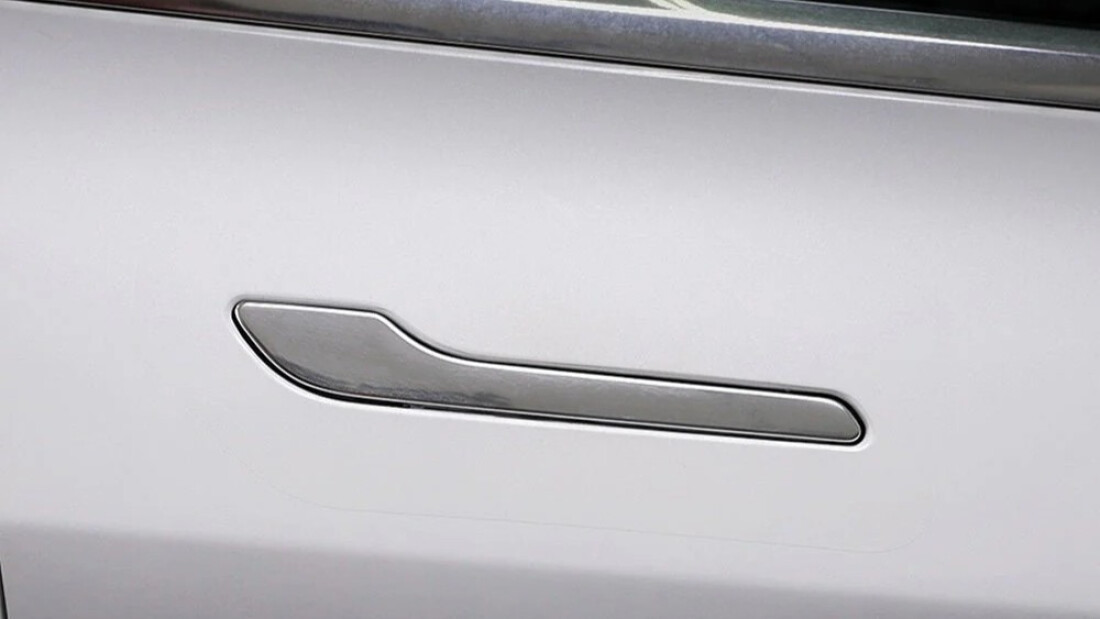
Specific Safety Hazards Include:
1. Emergency Escape Difficulties: During vehicle accidents or fires, passengers may be unable to escape promptly due to inability to locate door handles 2. Door Handle Failure After Power Loss: When collisions damage the low-voltage electrical system, both exterior door handles and interior electronic door release levers malfunction 3. Rescue Personnel Cannot Provide Aid: External rescue personnel cannot open doors from outside for emergency rescue 4. Inconvenience for Elderly and Children: Complex opening mechanisms create usage barriers for vulnerable groups 5. High Maintenance Costs: Repair and replacement costs for hidden door handles far exceed those of traditional handles
International Fatal Accident Cases
Tesla Model S Fire in Florida, USA
In February 2019,Dr. Omar Awan was driving a Tesla Model S in Florida when it hit a palm tree and the battery caught fire. Due to hidden door handles failing after the collision, a nearby police officer could not open the doors for rescue. Dr. Awan ultimately burned to death inside the vehicle, with his body burned beyond recognition. Court documents stated: "The fire engulfed the car and burned Dr. Awan beyond recognition - all because the Model S has inaccessible door handles, no other way to open the doors, and an unreasonably dangerous fire risk."
Tesla Model S Mass Fatality in Wisconsin
In November 2024, a Tesla Model S collision and fire in Wisconsin killed all five occupants. Lawsuit documents indicated that the vehicle's lithium-ion battery pack triggered an electronic door system failure, trapping passengers inside as the fire spread.
Xiaomi SU7 Accident in Chengdu, China
In October 2024, a fatal collision involving a Xiaomi SU7 electric sedan occurred in Chengdu. After the accident, bystanders were unable to open the vehicle to save the driver before it burst into flames. This incident became a direct catalyst for the Chinese government's new policy.
Tesla Cybertruck Accident
In 2024, a Tesla Cybertruck hit a tree and caught fire in the United States. When the fire cut power to the truck's electric doors, four passengers were locked inside with no way out, and three died. Victims' families are suing Tesla.
Global Regulatory Attention
These fatal accidents have triggered serious concern from global safety regulators. Statistics show that approximately 60% of China's top 100 bestselling new energy vehicles feature hidden door handle designs. Particularly under extreme weather conditions, the reliability of electronic door handles has been seriously questioned.
Specific Policy Content
Regulation Name and Number
China's Ministry of Industry and Information Technology has approved a new mandatory national standard, "Technical Requirements for Automobile Door Handle Safety" (GB 48001-2026), making it the world's first national standard to explicitly prohibit hidden door handles.
Implementation Timeline
- February 3, 2026: Policy officially announced - January 1, 2027: New policy officially takes effect - Second half of 2025 to 2026: Transition period for manufacturers to complete design adjustments - 2029: Vehicles that have completed type approval and are close to market launch may extend compliance to this date
Scope of Application
The policy applies to: - All new vehicle models sold within China - Imported vehicles must comply with relevant standards - Including pure electric vehicles, hybrid vehicles, and traditional fuel vehicles - Covering Chinese brands such as BYD, NIO, Li Auto, Xiaomi, Geely, SAIC, Great Wall Motor - As well as international brands selling EVs in China, including Tesla, BMW, Mercedes-Benz, etc.
Detailed Technical Requirements
New regulations require all vehicles to be equipped with:
Mechanical Door Handle Standards
- External Mechanical Release Device: Each door exterior must have an independently operable mechanical door-opening mechanism - Internal Mechanical Release Device: Each door inside the vehicle must be equipped with a mechanical door-opening device - Manual Operation Space: Must provide at least 6cm × 2cm × 2.5cm of hand-operable space for manual door release - Clear Identification: Vehicle interior must have signs showing occupants how to open doors
Safety Assurance Requirements
- Doors must remain operable through purely mechanical mechanisms during power outages, collisions, or system failures - Ensure passenger evacuation and external rescue access - Prohibit designs that rely entirely on electronic systems or concealed handles
Exemption Conditions
- Trunk doors may be exempted and are not required to have mandatory mechanical release devices
Profound Impact on the Automotive Industry
Fundamental Shift in Design Philosophy
This policy marks a major shift in automotive industry design priorities: in the era of smart electric vehicles, eye-catching design and technological appeal can no longer outweigh safety, which is now firmly positioned as the primary requirement.
Automotive manufacturers need to rethink vehicle exterior design, ensuring functionality and safety while maintaining aesthetics. This will drive designers to explore new innovative directions, seeking solutions that comply with safety standards while maintaining modern aesthetics.
Supply Chain Restructuring Impact
From a supply chain standpoint, the regulation affects not only automakers but also requires coordinated design across door handle modules, mechanical linkage systems, wiring harness configurations, and door structural components. The impact goes beyond isolated design adjustments, particularly for vehicles built around smart functions, low aerodynamic drag, and high-tech styling.
Cost Structure Adjustments
While eliminating hidden door handles may reduce certain manufacturing costs, redesign and tooling adjustments still require substantial investment:
- R&D Costs: Redesigning door handle systems and related safety mechanisms - Production Line Modifications: Adjusting existing production equipment and processes - Supplier Coordination: Renegotiating and adjusting supply chains with door handle suppliers - Certification Expenses: New designs require safety certification and testing
Competitive Landscape Reshuffling
Beneficiaries
- Traditional automakers: Rich experience in mechanical door handle design - Specialized door handle suppliers: Increased demand for mechanical door handles - Safety technology companies: Opportunities to develop new safety mechanisms
Challengers
- Emerging EV brands overly dependent on hidden designs - Premium brands with minimalist design as selling points - Manufacturers requiring significant design language adjustments
Technological Innovation Drivers
This policy actually creates new opportunities for technological innovation: - Development of smart mechanical door handles - Application of new materials in door handle manufacturing - Innovative design solutions integrating safety features
Consumer Reactions and Impact
New Considerations in Vehicle Purchase Decisions
Consumers will increasingly focus on safety and practicality when selecting vehicles, rather than just fashionable appearance. For those seeking affordable China used car models for city driving, this policy change provides additional safety assurance.
Changes in the Used Car Market
Existing vehicle models equipped with hidden door handles may face value reassessment in the used car market, with consumers potentially preferring vehicles that comply with new safety standards.
Response Strategies of Major Automotive Brands
Tesla's Challenges and Response
As the pioneer of hidden door handle design, Tesla faces the greatest challenges. Since the Model S first adopted this design in 2012, virtually all Tesla models have used hidden door handles. Facing China's new policy, Tesla must:
- Redesign all models sold in China: Including Model S, Model 3, Model Y, and Cybertruck - Develop mechanical door handle systems compliant with Chinese standards - Maintain brand design language consistency while meeting safety requirements - Address multiple lawsuit cases, including the US teenager death case and Florida doctor death case
BYD's Rapid Response
BYD, as China's leading electric vehicle company, has begun adjusting its new vehicle model designs:
- Seal Series: Developing new versions with more prominent mechanical door handles - Han Series: Planning complete compliance with new regulations in 2026 facelift - Yuan PLUS Series: As an affordable choice for city driving, will be among the first to adopt new safety standards
NIO's Design Innovation
NIO is developing new door handle designs that are both aesthetically pleasing and safe:
- ET7/ET5 Series: Developing retractable but always-visible door handle designs - ES8/ES6 Series: Planning to adopt smart mechanical door handles combining traditional reliability with modern technology - Battery Swap Compatibility: Ensuring new designs don't affect NIO's unique battery swap service
XPeng's Technical Solutions
XPeng Motors focuses on developing intelligent mechanical door handles:
- P7i Improved Version: Integrating dual functionality of touch sensing and mechanical operation - G9 Upgraded Version: Adopting visual mechanical door handles while maintaining tech-forward appearance - P5 Economy Version: As an entry-level model, pioneering practical applications of new safety standards
Li Auto's Pragmatic Approach
Li Auto chooses a more pragmatic response strategy:
- L Series Models: Fully adopting traditional mechanical door handle designs - Safety-First Philosophy: Viewing the new policy as an opportunity to enhance brand safety image - Family Vehicle Positioning: Emphasizing the importance of safety for family users
Xiaomi's Emergency Adjustments
Following the Chengdu SU7 accident, Xiaomi faces enormous pressure:
- SU7 Improved Version: Emergency development of versions compliant with new standards - Safety System Upgrades: Comprehensive inspection and improvement of vehicle safety systems - Brand Image Restoration: Rebuilding consumer confidence through safety improvements
Global Chain Reactions in Automotive Safety Standards
International Influence of Chinese Standards
As the world's largest electric vehicle market, China's policy decision has profound international implications:
EU Follow-up Actions
European automotive safety regulators have begun paying attention to hidden door handle safety issues. The EU is expected to introduce similar safety standards by 2027, requiring all vehicles sold in the EU to be equipped with mechanical door handles.
US Regulatory Review
The US National Highway Traffic Safety Administration (NHTSA) is reviewing multiple fatal accidents involving hidden door handles. The US is expected to introduce relevant safety regulations before 2028.
Other Market Responses
- Japan: Considering revisions to automotive safety standards - South Korea: Planning to implement similar regulations in 2027 - Australia: Has begun assessing safety risks of hidden door handles
Global Unification Trend of Technical Standards
China's policy may drive the unification of global automotive safety standards:
International Standards Organization Participation
- ISO (International Organization for Standardization): Developing globally unified door handle safety standards - UN Economic Commission for Europe: Considering incorporating mechanical door handle requirements into global technical regulations
Manufacturers' Global Strategy Adjustments
To reduce costs and complexity, many manufacturers choose to adopt unified safety standards globally rather than developing different versions for different markets.
Changes in Consumer Behavior and Market Trends
Awakening of Safety Awareness
This policy has triggered consumer rethinking about automotive safety:
Changes in Car Purchase Priorities
- Safety Ranking Rise: From third to first consideration factor - Decreased Importance of Design Aesthetics: Consumers focus more on practicality and reliability - Brand Trust Impact: Brands with safety incident records face trust crises
Used Car Market Differentiation
- Hidden Door Handle Vehicle Depreciation: Vehicles with hidden door handles decline in used car market value - Traditional Door Handle Vehicle Appreciation: Vehicles compliant with new safety standards are more popular - Modification Market Emergence: Some owners choose to retrofit traditional door handles
New Consumer Trends
Safety Features as Selling Points
Automakers begin marketing mechanical door handles as safety selling points, emphasizing the concept that "life safety is greater than design aesthetics."
Increased Transparency Requirements
Consumers demand more detailed safety information from manufacturers, including emergency escape guides and door handle operation instructions.
New Directions for Technological Innovation
Development of Smart Mechanical Door Handles
Integrated Design
- Touch Sensing Function: Maintaining convenience while ensuring mechanical reliability - LED Indicators: Providing visual guidance in emergency situations - Anti-freeze and Waterproof Technology: Ensuring reliable operation in extreme weather
Materials Science Breakthroughs
- New Alloy Materials: Lighter, stronger, more durable door handle materials - Self-cleaning Coatings: Reducing maintenance requirements - Antibacterial Surface Treatment: Improving hygiene safety
Overall Safety System Upgrades
Multiple Safety Assurances
- Dual Door Opening Mechanisms: Electronic and mechanical systems in parallel - Emergency Escape Systems: Integrated window breakers and escape guides - Smart Safety Reminders: Vehicle systems proactively remind passengers of safety exit locations
Artificial Intelligence Assistance
- Accident Prediction Systems: Activating safety mode in advance - Voice-guided Escape: Providing voice guidance in emergency situations - Automatic Unlock Function: Automatically unlocking all doors when collision is detected
New Opportunities for Technological Innovation
Smart Mechanical Door Handles
New door handle designs combining traditional mechanical reliability with modern intelligent functions will become a development focus.
Application of Materials Science
The new policy will drive research and development of more durable and safer door handle materials.
Implementation Challenges and Solutions
Manufacturer Adaptation Period
The government will provide necessary technical guidance and transition period support to help manufacturers successfully complete the transformation.
Consumer Education
Strengthening safety education for consumers to help the public understand the importance and necessity of the new policy.
Long-term Impact and Outlook
Establishment of Safety Culture
This policy will help establish a stronger safety culture in China's automotive industry, prioritizing user safety over pure design aesthetics.
Innovation-Driven Development
Innovation under safety constraints will drive China's automotive industry toward higher quality development.
Conclusion: A New Era of Safety First
Profound Impact of Policy Significance
China's 2026 policy banning hidden car door handles is not merely a technical regulation, but represents a fundamental shift in automotive industry development philosophy. This policy clearly communicates an important message: while pursuing technological innovation and design aesthetics, human life safety always comes first.
Catalyst for Industry Transformation
This policy will serve as a catalyst for global automotive industry transformation:
- Reshaping Design Philosophy: From "aesthetics first" to "safety first" - Redirecting Technological Innovation: Driving safer, more reliable technology development - Deepening Consumer Education: Enhancing public awareness and emphasis on automotive safety - Unifying International Standards: Promoting coordinated development of global automotive safety standards
Positive Impact on Consumers
For consumers, this policy change brings tangible benefits:
1. Life Safety Assurance: More reliable escape routes in emergency situations 2. Ease of Use: Users of all ages can easily operate door handles 3. Reduced Maintenance Costs: Mechanical door handles have lower repair and replacement costs 4. Increased Car Purchase Options: More vehicle models compliant with safety standards available
Whether purchasing new cars or choosing affordable used car models for city driving, safety will become a more important consideration factor.
New Opportunities for Technological Development
While this policy brings challenges to some manufacturers, it also creates new development opportunities for the entire industry:
- Smart Mechanical Door Handle Technology: Combining traditional reliability with modern intelligent functions - New Material Applications: Developing lighter, stronger, more durable door handle materials - Integrated Safety Systems: Developing more comprehensive vehicle safety protection systems - Artificial Intelligence Assistance: Using AI technology to enhance safety response in emergency situations
Global Impact and Future Outlook
As the world's largest automotive market, China's policy decisions will inevitably influence the development direction of the global automotive industry. It is expected that more countries will follow similar safety regulations in the coming years, promoting the enhancement of global automotive safety standards.
The implementation of this policy not only reflects China's forward-thinking approach in automotive safety but also provides valuable reference for enhancing safety standards in the global automotive industry. It demonstrates to the world the attitude a responsible automotive power should have: technological progress must serve human safety and welfare.
Looking to the Future
As the implementation date of January 1, 2027 approaches, we look forward to seeing:
- More innovative automotive design solutions that are both safe and aesthetically pleasing - Further enhancement of consumer safety awareness - Coordinated unification of global automotive safety standards - Perfect combination of technological innovation and safety assurance
This policy marks the automotive industry's entry into a new development stage—an era truly centered on people and prioritizing safety. In this era, every technological advancement will take protecting human life safety as the highest principle.
---
Disclaimer: This article is written based on public information and industry analysis. For specific policy implementation details, please refer to official documents released by the Chinese government.