
How to Import Used Cars from China: Process, Compliance and Tips
For overseas car dealers, importers, and distributors, China is becoming an increasingly important sourcing market for used vehicles. The country has a large vehicle population, a broad mix of fuel cars and new energy vehicles, and strong availability in popular segments such as sedans, SUVs, MPVs, and commercial models. Buyers can often find steady demand products from brands like Toyota, Honda, Nissan, Volkswagen, as well as growing interest in Chinese EV brands such as BYD.
However, importing used cars from China is not only about finding attractive stock. A successful transaction depends on a clear export process, reliable vehicle inspection, proper documentation, and alignment with your destination market's import rules. If any of these steps are overlooked, buyers may face delays, unexpected costs, or compliance issues after the vehicles arrive.
This guide explains the core China used car export process for B2B buyers and highlights the practical points you should review before placing an order.
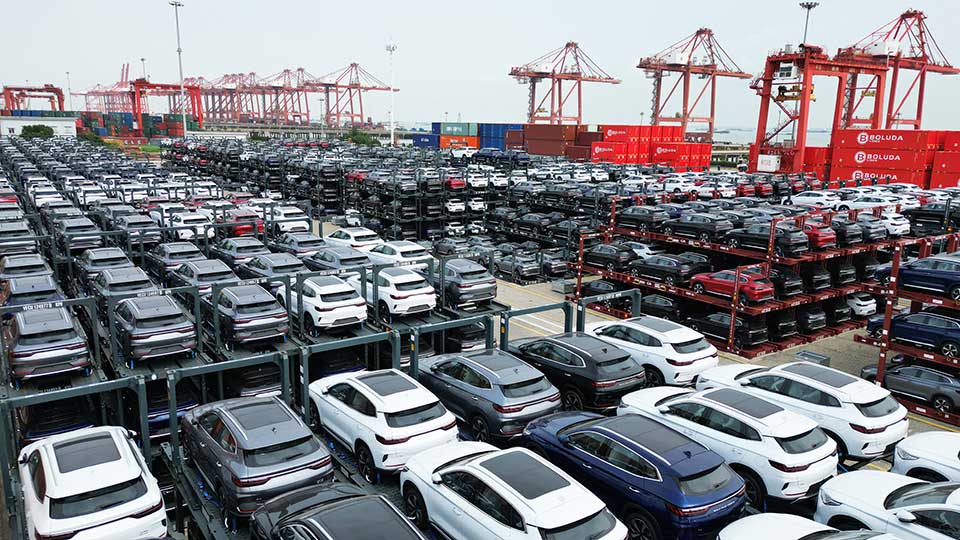
1. Define Your Market Needs and Vehicle Sourcing Criteria
Before you start sourcing, the first step is to understand your target market in detail. Import regulations vary significantly from one country to another. Some markets restrict vehicle age, some focus heavily on emissions standards, and others require specific inspection or registration documents before customs clearance. For EVs and hybrid models, local charging standards and battery-related rules also matter.
It is useful to begin with a sourcing checklist that covers:
- Import eligibility in your country: vehicle age limits, emissions requirements, left-hand drive or right-hand drive rules, and EV import policies. - Preferred brands and models: many markets favor durable, high-volume models such as Toyota Corolla, Camry, RAV4, Prado, Honda CR-V, or Nissan X-Trail. In some regions, BYD and other Chinese EV brands are gaining attention. - Target price range and turnover speed: your ideal inventory mix should reflect local retail demand and financing conditions. - Parts and after-sales support: vehicles with stronger service networks are often easier to resell.
When reviewing available stock in China, buyers should verify basic vehicle information as early as possible. This usually includes:
- Brand, model year, trim level, and drivetrain - Mileage and previous usage type - Service and maintenance history - Accident, flood, or fire history - Registration and title status - Battery condition and charging compatibility for EVs
A structured sourcing process helps reduce risk. Instead of selecting vehicles only by photos or price, compare units against a fixed set of criteria. This is especially important when purchasing multiple cars for export.
If you are exploring available inventory, you can start by checking Browse Inventory to compare brands, body types, and vehicle conditions.
2. Conduct Inspection, Cost Evaluation, and Export Compliance Review
 Once you identify potential vehicles, the next stage is a more detailed assessment. For professional B2B buyers, inspection is one of the most important parts of the process. It helps confirm the actual vehicle condition and lowers the possibility of post-arrival disputes.
A proper used car inspection in China should usually cover the following areas:
- Exterior condition: paint consistency, panel repairs, dent marks, glass condition, tires, and lights - Interior condition: seat wear, dashboard functions, air conditioning, infotainment, airbags, and seat belts - Mechanical systems: engine, transmission, suspension, steering, braking system, and underbody condition - Electronic systems: warning lights, sensors, cameras, control modules, and diagnostic codes - Road test or dynamic test: acceleration, braking response, steering feel, unusual noises, and gearbox behavior - EV-specific checks: battery health, charging performance, range stability, and thermal management
For electric and hybrid vehicles, battery evaluation deserves extra attention. A visually clean vehicle is not enough if battery degradation is too high or if the charging system does not match destination requirements. Importers should request as much verifiable battery information as possible before shipment.
At the same time, buyers need to review export compliance. The China used car export process involves more than arranging transport to the port. The exporter must confirm that the vehicle can legally be exported and that the supporting documentation is complete and acceptable for both China and the destination country.
Key compliance points often include:
- Whether the vehicle is eligible for export - Whether the exporter has the required business scope and export capability - Whether vehicle ownership and registration documents are complete - Whether a third-party inspection or pre-shipment certificate is needed - Whether the destination country requires a specific import permit or conformity document
Cost evaluation is another area where buyers should look beyond the unit price. A low headline vehicle price may not reflect the true landed cost. In most cases, you should estimate the total cost based on:
- Vehicle purchase cost - Refurbishment or preparation cost - Inland transportation in China - Port handling charges - Ocean freight - Customs-related charges at destination - Local registration or compliance costs
This more complete approach helps importers compare vehicles more accurately and avoid margin surprises after arrival.
If you need support reviewing vehicle files, inspection details, or export paperwork, you can Contact Us to discuss your market requirements.
3. Arrange Shipping, Documentation, and Destination Clearance Preparation
After inspection and deal confirmation, logistics execution becomes the next priority. Timely shipment and accurate documents are essential to keep the transaction moving smoothly.
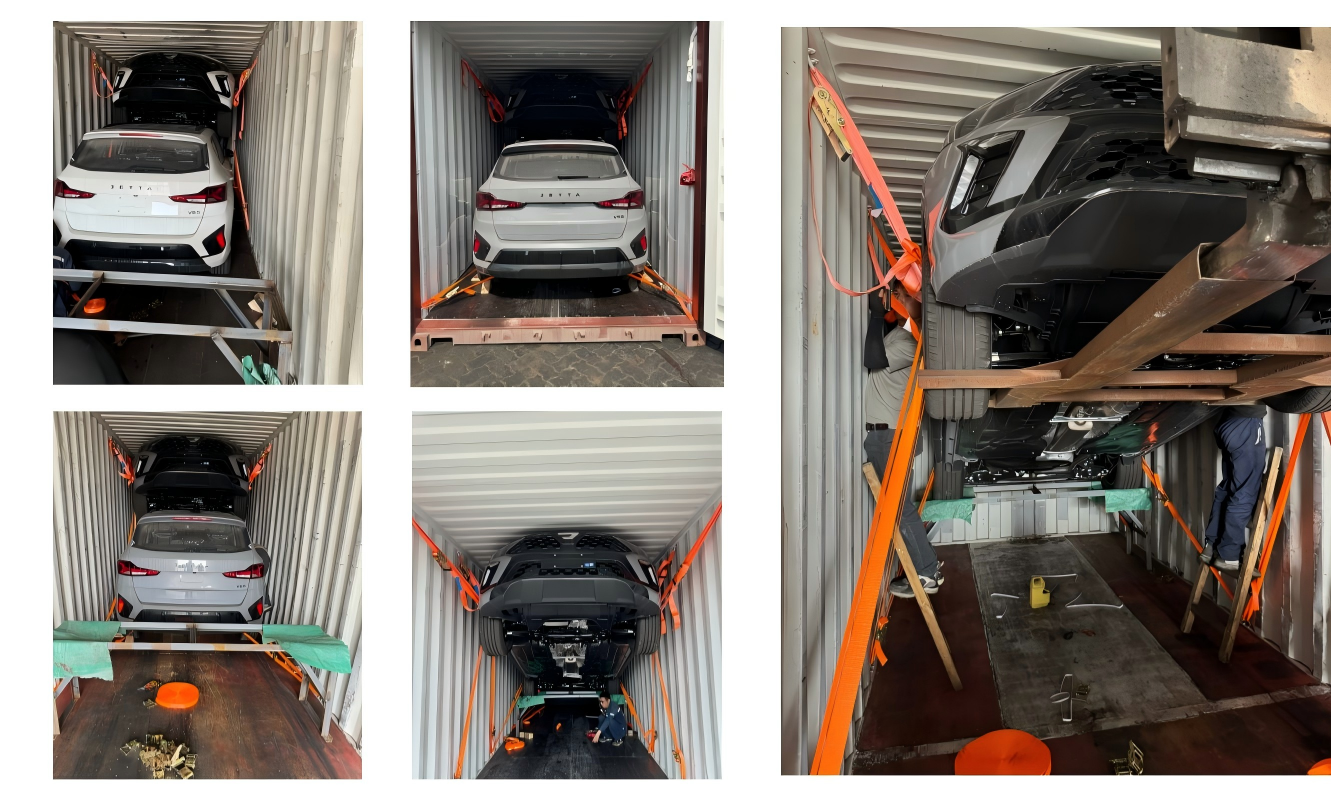
The two most common shipping methods for used car export from China are container shipping and Ro-Ro shipping.
Container shipping
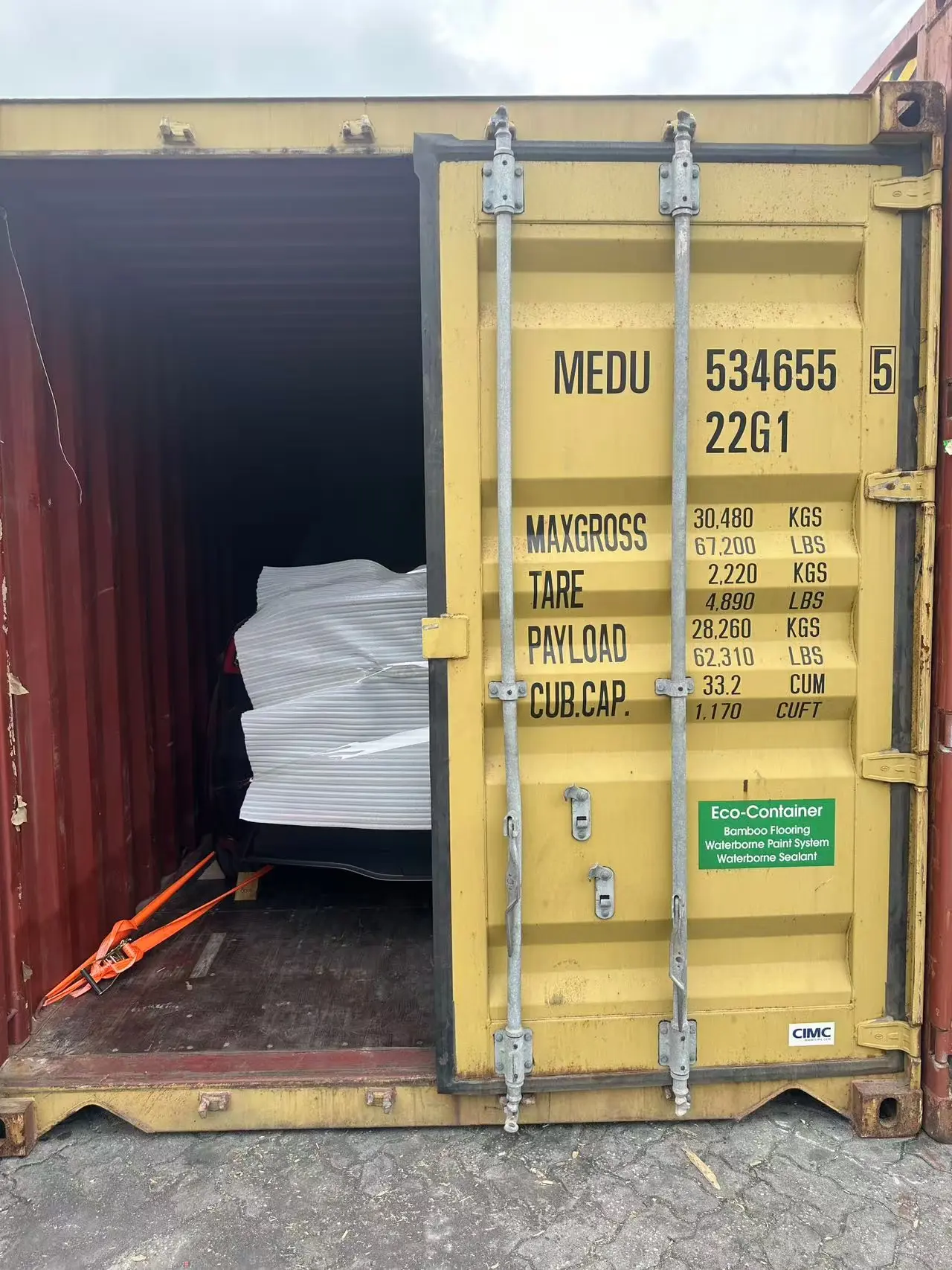
Container shipping is often suitable for higher-value vehicles, EVs, or mixed shipments where better protection is preferred. It can also work well when buyers are combining multiple vehicles or spare parts in one shipment. Containers may offer more control over loading and protection, depending on the route and destination.
Ro-Ro shipping
Roll-on/roll-off shipping can be efficient for larger volume shipments where port infrastructure supports it. It is commonly considered for operational vehicles moving in batches. However, route availability, port schedules, and cargo handling standards should all be reviewed in advance.
Typical export documents
Required documents can vary by country, but commonly include:
- Commercial invoice - Packing list - Bill of lading - Export customs declaration documents - Vehicle deregistration or ownership-related documents - Inspection report or certificate, if required - Certificate of origin or related trade documents, if applicable
Before shipment, importers should also coordinate with their customs broker or clearance agent in the destination country. This step is often underestimated, but it can save time and reduce costly delays at the port.
Items to confirm before the vessel departs include:
- Import license or quota requirements - Duty and tax calculation basis - Local homologation, inspection, or registration rules - EV battery handling rules and dangerous goods considerations, if relevant - Language or legalization requirements for documents
For repeat buyers, it is wise to create a standardized workflow for China sourcing. This may include a model approval list, a fixed inspection checklist, document verification before loading, and a post-arrival customs and registration checklist. Standardization helps improve consistency, especially when purchasing vehicles regularly for multiple markets.
FAQ
1. What are the main steps to import used cars from China?
The process usually includes confirming market requirements, sourcing vehicles, conducting inspections, reviewing export eligibility, signing the purchase agreement, preparing documents, arranging shipping, and completing customs clearance and local registration at destination.
2. Which used car brands are commonly sourced from China for export?
Popular choices often include Toyota, Honda, Nissan, Volkswagen, and increasingly Chinese EV brands such as BYD. The best selection depends on demand in your market, parts availability, and local regulations.
3. What should buyers pay special attention to when importing used EVs from China?
Battery health, charging compatibility, transport requirements, software or system condition, and destination-country registration rules are all important. Buyers should confirm local EV import policies before shipment.
Conclusion
To import used cars from China successfully, buyers need more than access to vehicle supply. A reliable process for sourcing, inspection, compliance review, documentation, and shipping is what supports consistent B2B purchasing.
If you are evaluating China as a used car sourcing market, start by exploring available models through Browse Inventory. If you would like to discuss your target market, preferred brands, or procurement plan, feel free to Contact Us.