
Common Mistakes When First Importing Used Cars from China
Most first-time buyers focus on the quoted price. That is understandable, but it is rarely where the real margin is won or lost.
The expensive mistakes usually sit somewhere else: weak inspection discipline, incomplete export paperwork, wrong trim-level assumptions, unrealistic battery expectations, and poor control over shipping and destination-side compliance. This is even more critical if you are sourcing a China EV car rather than a conventional used gasoline model.
Put bluntly: the matrix headlight is not what your end buyers care about. They care about battery SOH, LHD configuration, charging compatibility, registration feasibility, and whether the car still feels commercially trustworthy after 60 days on the road.
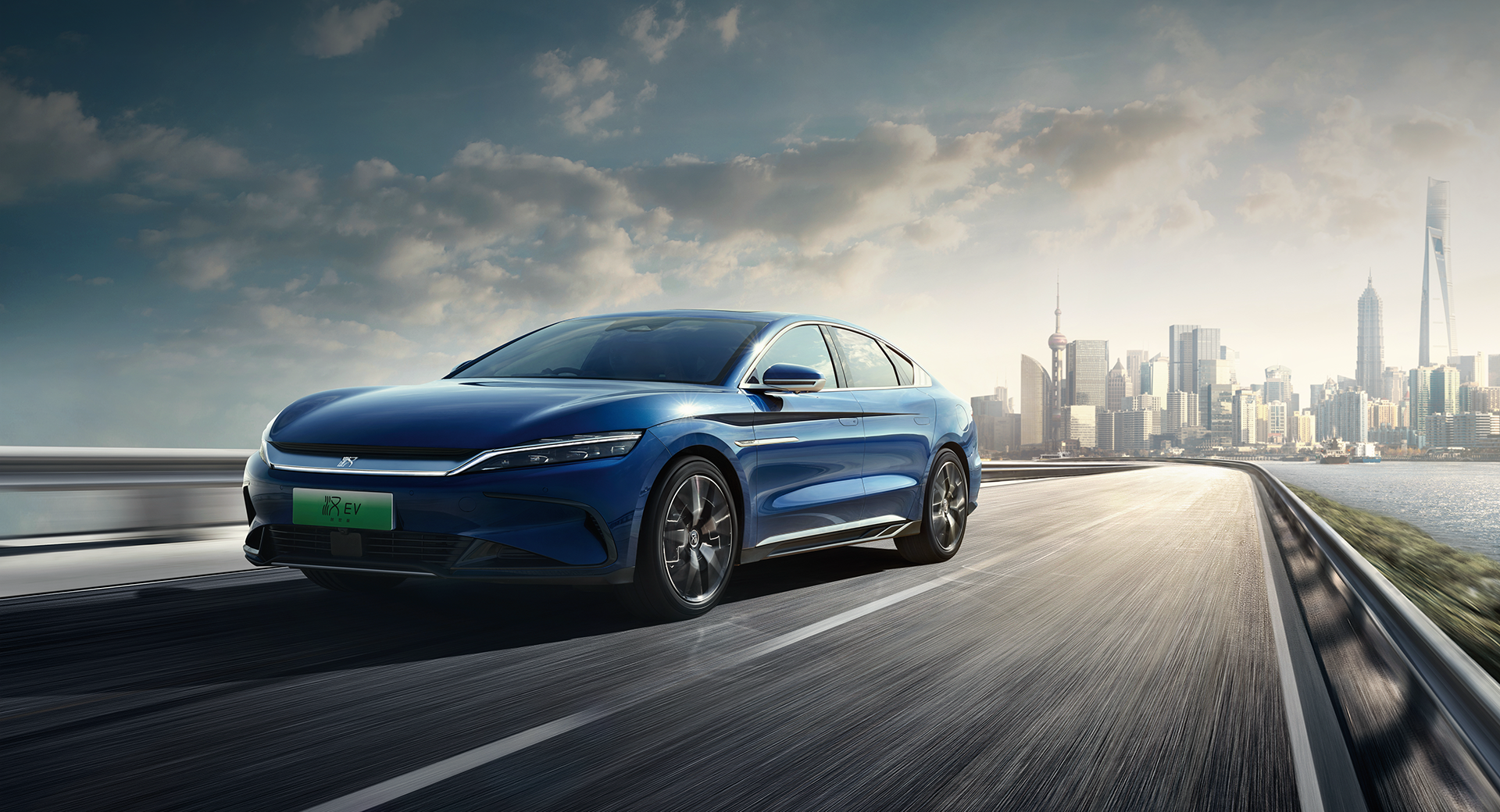
Mistake 1: Treating low price as the main buying signal
A low FOB number looks attractive on a spreadsheet. It can also be the fastest way to import the wrong unit.
When sourcing used cars from China, you need to separate at least four cost layers:
1. Vehicle purchase price 2. Reconditioning and inspection cost 3. Export execution and document cost 4. Freight, destination taxes, and arrival-side uncertainty
A unit that is USD 500-800 cheaper may still be the worse buy if it needs tires, paint correction, brake work, 12V battery replacement, or deeper electrical diagnosis. For EVs, the gap can be wider. Two cars can look nearly identical in photos and spec sheets, yet perform very differently because of battery history, charging habits, or previous use intensity.
This is where many first-time importers make a classic china used car mistake: they compare listings, not assets.
Request these items before you confirm any order:
- VIN-matched inspection photos - Battery SOH data or equivalent battery report - Service or maintenance records when available - Undercarriage, charging port, motor bay, and tire photos - Brake disc, interior wear, and paint condition details - Dashboard mileage cross-checked against platform or workshop records
If your first shipment is price-sensitive and you want safer trial-stock ideas, this guide on used SUVs from China under $15,000 for export is a practical benchmark for model selection.
Mistake 2: Underestimating export compliance and version differences
Many new buyers assume that if a car is available in China, it can be exported smoothly and registered overseas without much friction. That assumption causes delays.
Start with the exporter, not just the car. Can the supplier handle export license procedures, customs declaration, inspection coordination, pre-loading verification, and clean document consistency across invoice, packing list, and bill of lading? If not, the deal is cheaper only on paper.
Then check the version details. Chinese-market vehicles, especially NEVs, often have confusing trim logic. The same model name may cover standard-range, long-range, and performance variants, different battery suppliers, different ADAS hardware, and rolling changes within the same model year.
If you buy by model name alone, you are buying risk.
| Checkpoint | Why it matters | What happens if you ignore it |
|---|---|---|
| LHD or RHD | Determines market fit and registration eligibility | Arrival-side registration problems or forced discounting |
| Charging standard | Affects real-world charging convenience | Customer complaints after delivery |
| Battery type and capacity | Shapes range expectation and resale value | Mismatch between sales pitch and actual use |
| OTA updates and UI language | Impacts ownership experience | More after-sales support burden |
| ADAS hardware package | Determines which functions actually work | Buyers expect features that cannot be activated |
| Production batch | Same badge does not always mean same product | Harder downstream resale explanation |
A small industry truth: buyers in some markets still get distracted by the large screen and panoramic roof. Dealers who have actually retailed these cars care more about whether the car can charge properly on day one and whether the menus, updates, and online functions will create support tickets in week one.
Vehicles sourced from major trading hubs such as Shanghai or Guangdong often come with cleaner document trails, but that is not a rule. Unit-by-unit verification still wins.
If you are evaluating a newer EV SUV, this article on what to check when exporting a used XPENG G6 from China helps decode things like the 800V silicon carbide platform, XNGP, and OTA updates from an export buyer's point of view.
Mistake 3: Inspecting an EV like a normal used car
This is the mistake that costs the most.

A modern Chinese EV is not just a vehicle. It is a moving package of battery condition, software logic, charging ecosystem fit, hardware specification, and future usability. If your inspection checklist is still built for used gasoline cars, you will miss the expensive part.
Prioritize the following:
- Battery SOH and consistency data - DC fast-charging behavior and charge curve stability - Local charging compatibility in your destination market - OTA update status and language settings - Online-service or account limitations outside China - ADAS hardware presence versus actual feature availability - LHD configuration and export-market suitability - Included accessories such as portable charger, cables, and spare keys
A common scenario: the car looks clean, drives well, and passes a basic static inspection. But it has spent months in high-frequency fast-charging service, and battery consistency is only average. In cooler climates this may be less obvious at first. In hot markets, range fluctuation and charging performance will show up faster. When that happens, you do not just lose repair money. You lose trust with your dealer network.
Software matters too. Some China-market EVs are fully usable overseas, while some have partial limitations in connected services, mapping, voice functions, or account-based features. That does not automatically make them bad export products. It simply means you must sell them honestly.
Mistake 4: Using FOB or CIF as if the term explains execution quality
Many first-time importers ask one question: “FOB or CIF?” Fair question. Not enough.
The more useful question is: what exactly is controlled before loading, during document issuance, and before arrival?
The same CIF term can hide very different execution standards. The same FOB shipment can still fail if pre-port inspection is weak, loading records are incomplete, or document details are not checked carefully.
Before shipment, confirm these points:
- Final pre-loading inspection is completed - VIN plate, odometer, and body-condition photos are archived - Loading or Ro-Ro condition records are available - Keys, charging accessories, and spare items are counted - Invoice, packing list, and B/L data match exactly - Destination-side EV requirements are understood in advance
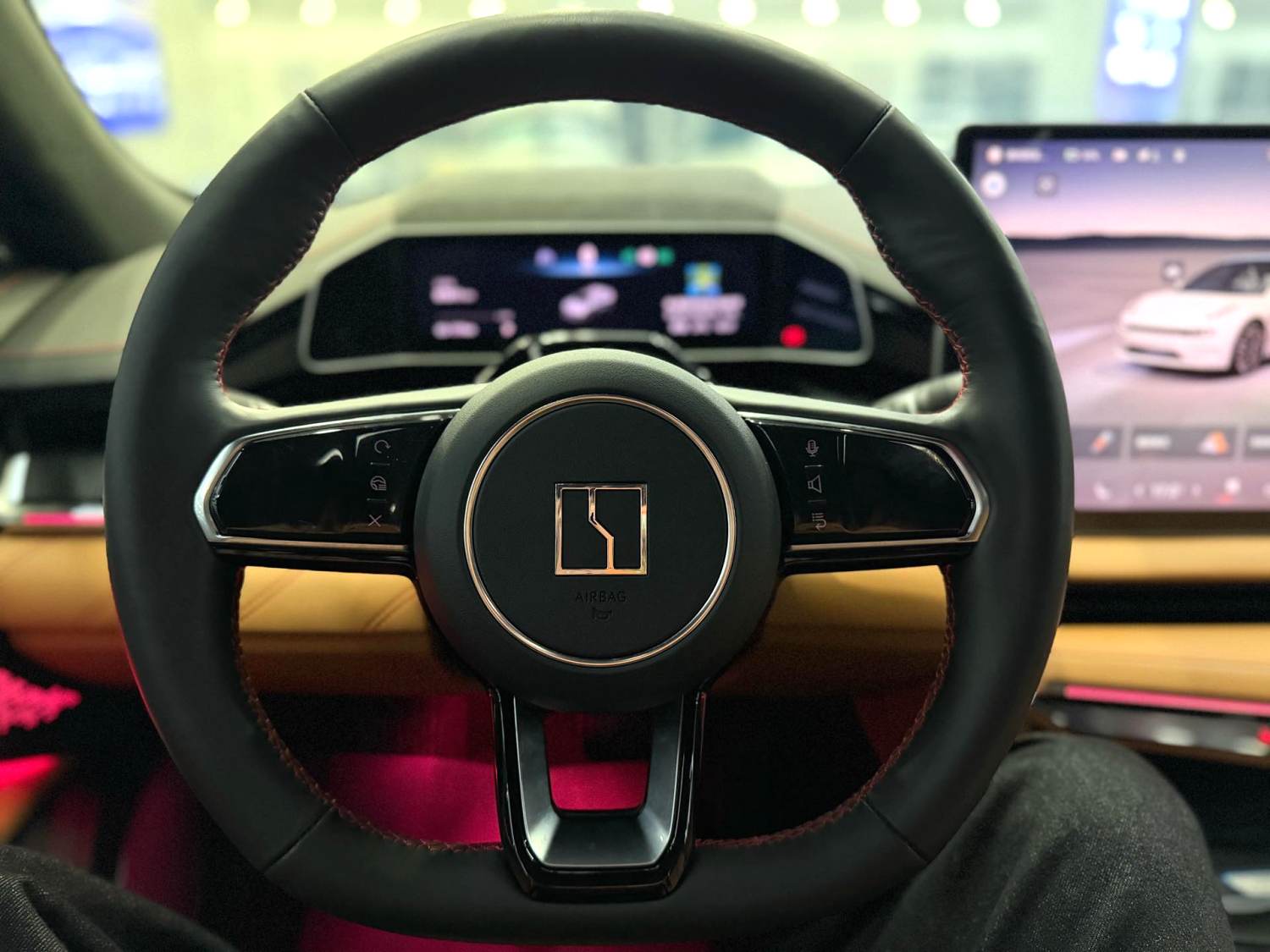
Experienced importers do not chase the cheapest freight first. They chase controllability: port timing, release timing, document accuracy, exception handling, and clear accountability when something goes wrong.
A smarter first order structure
If this is your first import from China, your first shipment should validate the process, not just test the lowest price.
A more commercially sane approach is:
- Start with a small batch - Choose units with clear records and easy-to-verify configurations - For EVs, begin with models that have fewer charging-compatibility questions - Inspect each vehicle individually, not just the stock list - Confirm destination registration and tax rules before payment - Ask the supplier to state what is excluded, not only what is included
That last point matters more than most buyers think. In this trade, disputes usually come from assumptions, not from the headline quotation.
FAQ
1. Should a first-time importer start with gasoline cars or China EV cars?
That depends on your local market readiness. If your charging network, technician capability, and customer education are still limited, a first trial shipment of gasoline or simpler hybrid models may be easier. If your market already understands EV ownership, used Chinese EVs can offer stronger value density.
2. What should I check first on a used EV from China?
Start with battery condition, then version accuracy, then export paperwork. Battery SOH, fast-charging behavior, LHD specification, OTA status, ADAS hardware, and charging-port compatibility matter more than cosmetic options.
3. Why do two units of the same model have very different prices?
Because they are often not truly the same commercial asset. City of use, prior duty cycle, battery condition, trim batch, reconditioning standard, and exporter execution quality all affect the real value. A car from one region may look tidy in photos, while buyers in the trade already know it had much tougher daily use.
4. How can I reduce risk on the first order?
Use a checklist-based buying method. Verify vehicle condition, trim version, export documents, shipping records, and destination compliance one by one. A smaller first batch with tighter control usually performs better than a large order built around the cheapest offer.
Next step
If you are currently evaluating stock for your market, you can Browse inventory to compare available units and categories. If you want a sourcing plan based on your target country, budget range, LHD requirement, or EV charging conditions, Contact us.