
Used Xpeng G6 Export from China 2026
If you are sourcing a used EV SUV from China, the matrix headlight is not the issue. Battery SOH is. Software status is. Export paperwork is. And with the Xpeng G6, trim selection matters more than many first-time buyers expect.
The G6 sits in a useful position for export buyers: mid-size coupe SUV, strong domestic recognition, 800V silicon carbide platform, fast-charging appeal, and growing used-car circulation in China. That makes it interesting for B2B importers looking for scalable stock, not just one-off retail units.
But let’s be clear. A used Xpeng G6 is not a model you buy by exterior color and dashboard photos. In the Chinese market, the most common circulating versions are the 580 range trim and the 755 long-range trim. On paper, that sounds like a simple range difference. In real export business, it affects customer satisfaction, winter complaints, resale speed, and how much pressure lands on your after-sales team.
If you want a broader view of value-oriented sourcing, this related guide on used SUVs from China under USD 15,000 for export helps frame where the G6 sits in the market.
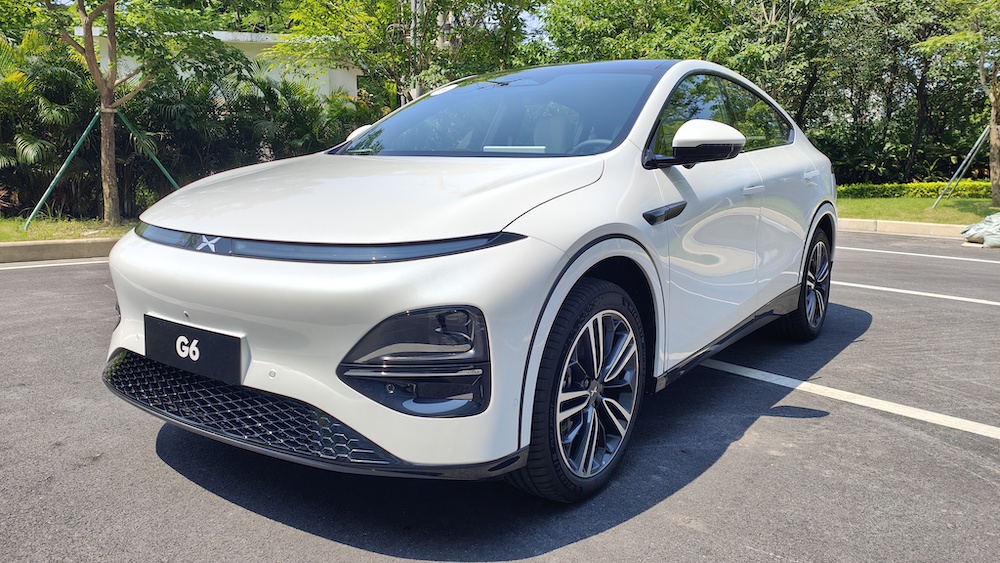
Start with the right trim, not the showroom-style options
In China’s used NEV market, the G6 units you will see most often are not evenly distributed across all trims. The 580 and 755 versions appear more frequently in trade circulation, and the difference is not cosmetic.
For warm-climate markets with price-sensitive end buyers, a 580 unit may still be workable if the battery condition is clean and the usage history is transparent. For colder regions, that logic breaks down fast. If your customers face real winter temperatures, don’t get seduced by the cheaper buy-in and rush into the lower-range option without checking battery chemistry, thermal performance, and customer expectations. A few thousand saved at sourcing stage can turn into months of complaints after landing.
My practical advice is simple: if the target market includes cold-weather driving, highway use, or buyers who compare real-world range closely, the 755 trim deserves priority attention. In many cases, importers sleep better with the longer-range setup, even if the initial sourcing cost is higher.

What to verify before placing a deposit
| Checkpoint | Why it matters | Practical note |
|---|---|---|
| Range version | Shapes resale positioning and user expectation | Confirm whether the unit is 580 or 755 from VIN-linked records, not only seller wording |
| Battery condition | Directly affects claim risk after delivery | Ask for battery SOH and charging pattern evidence |
| Drive layout | Impacts energy use, tire wear, and buyer profile | Match trim to your local demand instead of chasing the highest spec |
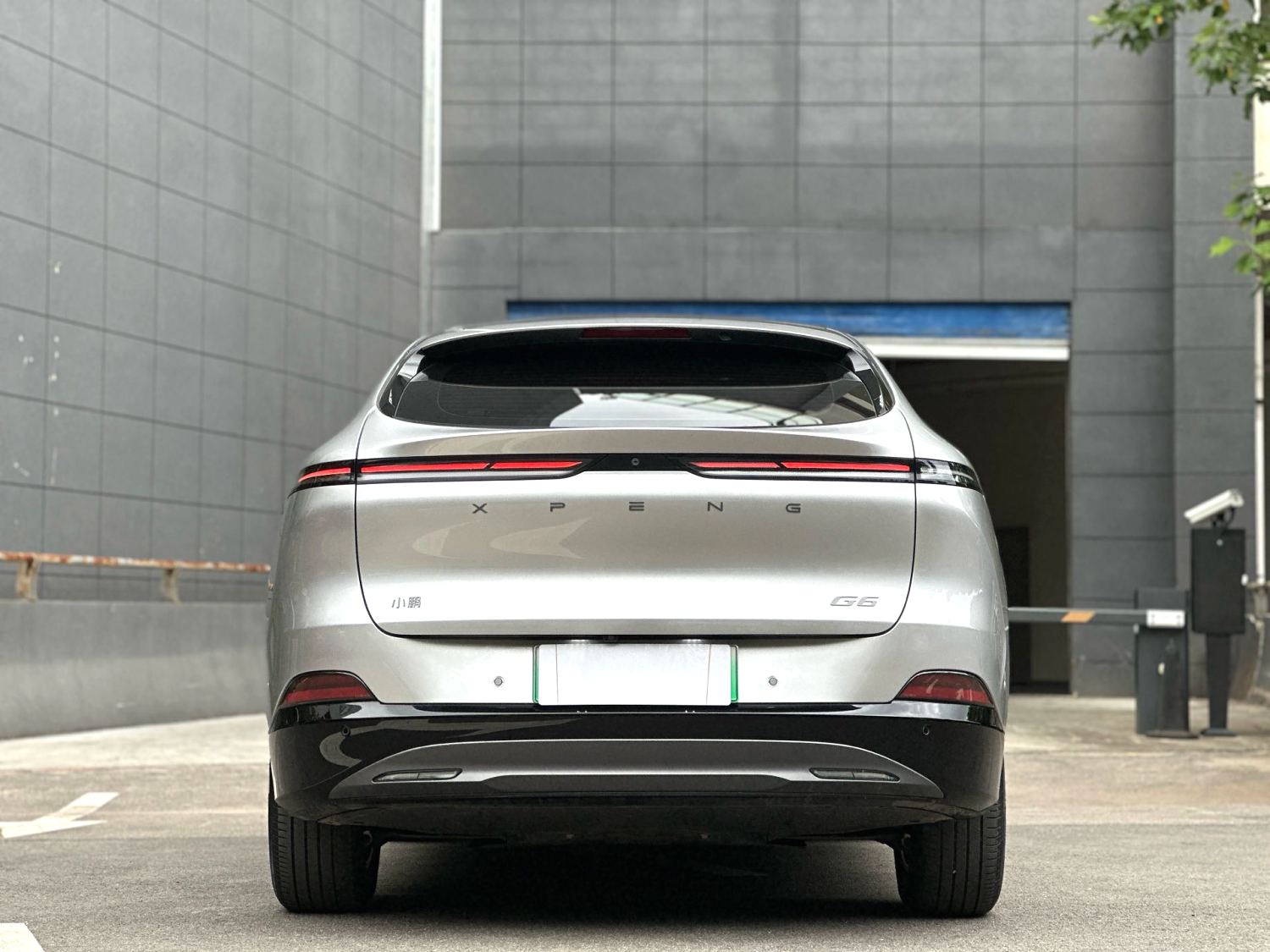
| LHD status | Required by many destination markets | Most China-source G6 units are LHD, but paperwork still needs cross-checking |
| OTA and account status | Smart functions can become a delivery problem | Confirm account解绑/remote access clearance before shipment |
A small industry truth: in South China, especially Guangdong channels, you can find more units and faster turnover. That helps sourcing. It also means photo presentation is often polished. Never confuse polished listing photos with a clean underbody inspection.
What serious buyers inspect on a used Xpeng G6
A used EV should not be inspected like an old gasoline SUV. The G6 is a software-heavy, high-voltage product. If your inspection checklist is still built around paint thickness and seat wear only, you are missing the expensive part.
1. Battery SOH and charging history
This is where the real risk sits. Ask for battery SOH, high-frequency DC fast-charge usage pattern, any abnormal energy loss records, and signs of underbody impact near the battery pack area. End customers overseas may not know Chinese trim logic, but they absolutely notice when winter range drops harder than expected.
2. Structural condition and high-voltage system
Check front and rear structural members, suspension towers, floor area, charging port assembly, thermal management system, and any repair traces around the high-voltage wiring. On EV exports, minor cosmetic marks are manageable. Hidden accident repairs around the battery cooling system or harness are not.
3. XNGP, infotainment, and OTA updates
Xpeng’s ecosystem is more than hardware. Account binding, remote features, OTA updates, and smart-driving function availability all affect user experience. Before export, verify whether the original owner account has been released properly, whether the infotainment system works normally, and whether software status will create a handover issue at destination.
If you want a stronger framework for assessing Chinese used stock, this guide to used car grading systems in China for buyers is worth reading before you finalize any batch order.
Export workflow: where deals usually slow down
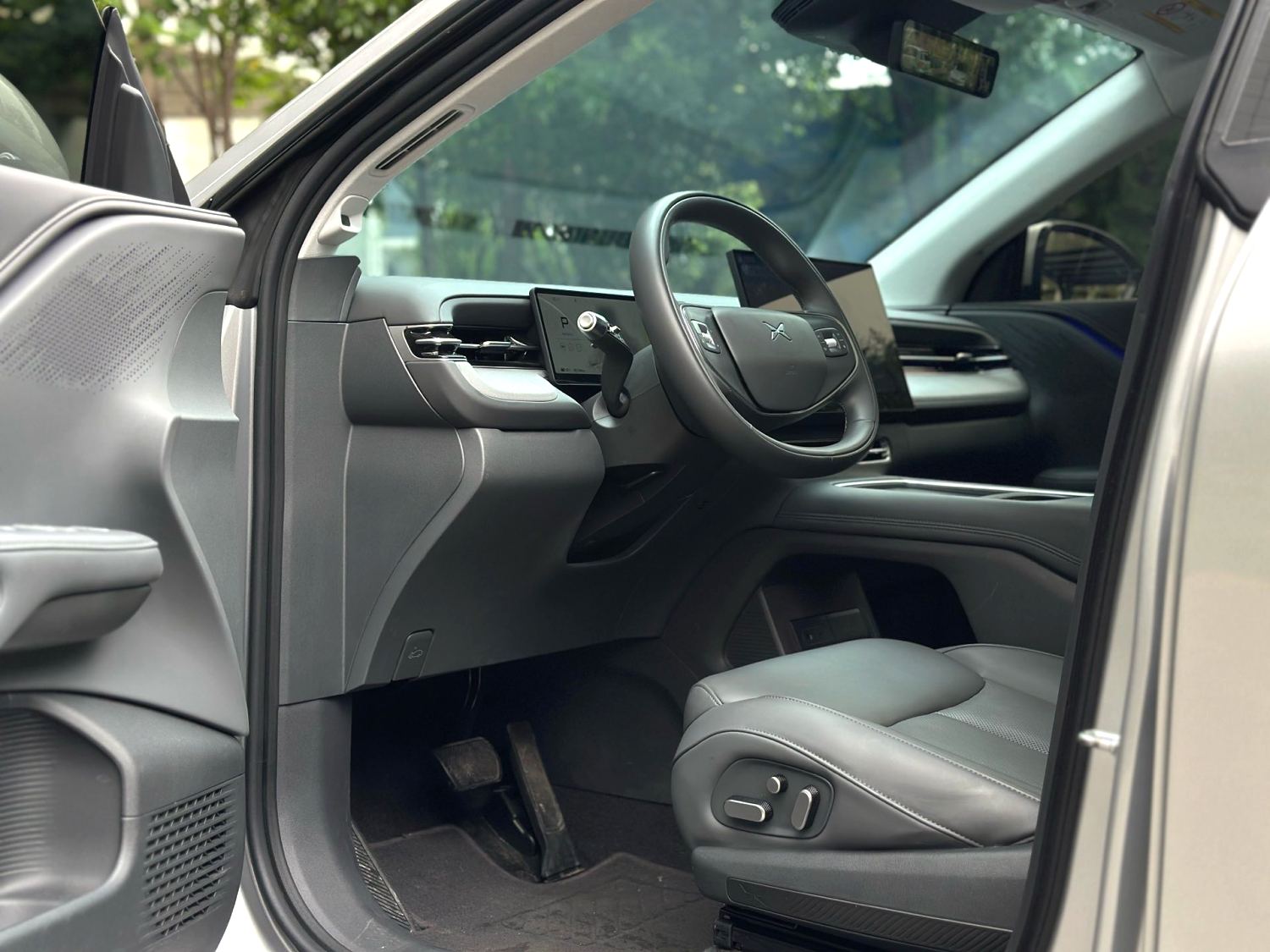
Finding the car is only the first step. The repeatable part of the business is document control, compliance, and shipment execution.
Typical used Xpeng G6 export flow from China
| Stage | Key action | What the buyer should confirm |
|---|---|---|
| Vehicle selection | Verify VIN, mileage, trim, inspection report | Ask for video inspection and underbody confirmation |
| Export compliance | Process through an entity with export license | Confirm the seller can legally handle used vehicle export |
| Documentation | Prepare invoice, registration-related papers, customs files | Make sure model year, VIN, and trim details match exactly |
| Preparation and shipping | Basic reconditioning, battery level control, container or Ro-Ro arrangement | Confirm shipping method and destination-port handling requirements |
| Arrival-side delivery | Customs clearance, duty, local registration or dealer distribution | Check your market’s acceptance for this EV category in advance |
One more reality from the trade: not every destination market wants the “fullest” Chinese smart EV. Some buyers care far more about stable HVAC, charging compatibility, and predictable range than about advanced driver-assistance features being fully active. So no, higher trim does not automatically mean better export fit.
Which used G6 units are easier to move overseas
A used Xpeng G6 tends to fit better in these cases:
- Importers looking for a China EV used car with stronger product identity than generic compact EVs - Dealers serving urban customers who already understand public charging and app-based car functions - Markets where mid-size electric SUVs move faster than entry-level hatchbacks - Buyers who want 800V platform appeal and faster charging narrative without paying for a brand-new unit
It is less straightforward when your market has weak charging infrastructure, severe winter conditions, or end users who are highly sensitive to software localization limits. In those cases, the trim choice, battery condition, and buyer education matter as much as the purchase price.
Quick comparison for sourcing logic
| Buyer scenario | Better fit | Why |
|---|---|---|
| Price-sensitive urban resale | 580 trim with clean battery record | Lower entry cost if climate and daily use are friendly |
| Cold-weather customer base | 755 trim priority | Better buffer against winter range complaints |
| Dealer batch buying | Uniform trim mix | Easier pricing, marketing, and after-sales management |
| First-time EV importer | Units with clear inspection and simpler history | Less operational risk than chasing the cheapest listing |
Industry insiders know this, even if they do not say it loudly: the fastest-selling unit is often not the flashiest one. It is the one that creates the fewest arguments after the customer takes delivery.
FAQ
1. Is the Xpeng G6 suitable for used vehicle export in volume?
Yes, if you buy with discipline. The model has enough market recognition and growing circulation in China, but volume buying only works when you standardize trim targets, inspection rules, and documentation checks.
2. Should I choose the 580 or 755 version for export?
That depends on your destination market. For warmer regions and tighter budgets, 580 can be acceptable. For colder climates or customers who drive longer distances, the 755 version is usually the safer commercial decision.
3. What are the most important inspection items on a used G6?
Battery SOH, charging history, structural condition, underbody battery-pack area, high-voltage system, charging-port assembly, and OTA/account status. A cosmetic report alone is not enough for this model.
4. Do I need a China supplier with an export license?
Absolutely. Used vehicle export is not only about finding stock. The exporter must be able to handle compliance, customs paperwork, VIN consistency, and shipment execution properly. That is where many low-price offers fall apart.
Buy with standards first, quantity second
For the used Xpeng G6, the right workflow is not “find a cheap car, then see if it works.” It is the reverse: define your target market, lock your acceptable trim range, set your inspection standard, confirm export compliance, and only then discuss volume.
If you are actively sourcing used EV stock from China, you can Browse inventory. If you want trim-based recommendations, battery-focused screening, or destination-market matching, Contact us.