
Ferrari Unveils Luce: The Prancing Horse's First Pure Electric Vehicle and 2026 Lineup
In a historic moment for automotive enthusiasts worldwide, Ferrari has officially announced Luce, its first-ever pure electric vehicle, marking a pivotal shift in the legendary Italian marque's 77-year history. Alongside this groundbreaking EV, Ferrari has revealed ambitious plans to launch five all-new models throughout 2026, signaling the brand's commitment to electrification while maintaining its performance DNA.
The Dawn of Electric Ferrari: Introducing Luce
A Name Steeped in Meaning
The name "Luce" (Italian for "light") carries profound symbolism for Ferrari's electric future. It represents not just illumination, but enlightenment—a new dawn for the Maranello-based manufacturer as it ventures into uncharted territory. The name evokes Ferrari's racing heritage while pointing toward a sustainable, electrified future.
Breaking with Tradition, Honoring Legacy
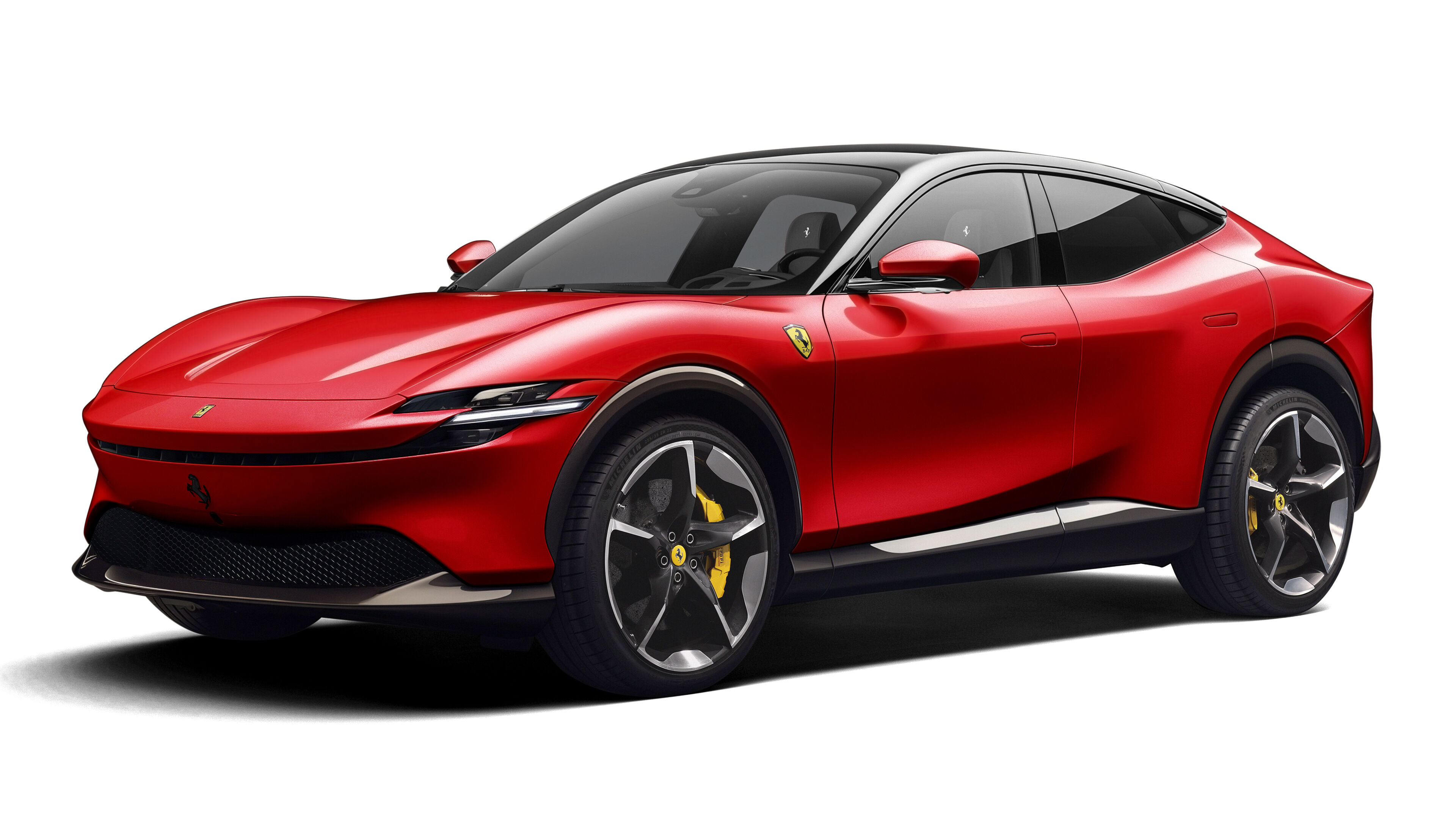 For decades, Ferrari has been synonymous with the visceral roar of naturally aspirated V12 engines and the mechanical symphony of high-revving powertrains. The Luce represents Ferrari's boldest departure from tradition, yet the company insists it will deliver the same emotional connection and driving pleasure that has defined the brand since Enzo Ferrari founded the company in 1947.
Technical Specifications: What We Know So Far
While Ferrari has been characteristically secretive about detailed specifications, several key details have emerged:
Powertrain and Performance - Quad-motor configuration with individual wheel control - Estimated combined output: 1,000+ horsepower - 0-100 km/h (0-62 mph): Under 2.5 seconds (projected) - Top speed: Over 320 km/h (200 mph) - Advanced torque vectoring system for enhanced dynamics
Battery and Range - Battery capacity: Approximately 100-120 kWh - Estimated range: 450-500 km (280-310 miles) WLTP - 800V architecture for ultra-fast charging - 350 kW charging capability (10-80% in under 20 minutes) - Battery thermal management system derived from Formula 1 technology
Design Philosophy - Aerodynamic efficiency prioritized without compromising Ferrari aesthetics - Active aerodynamics with adjustable elements - Lightweight carbon fiber monocoque construction - Drag coefficient estimated at 0.22-0.24 - Distinctive LED lighting signature
Technology Integration - Advanced driver assistance systems (while maintaining driver engagement) - Customizable driving modes including "Emozione" (Emotion) mode - Haptic feedback steering wheel - Augmented reality head-up display - Over-the-air software updates
Pricing and Availability
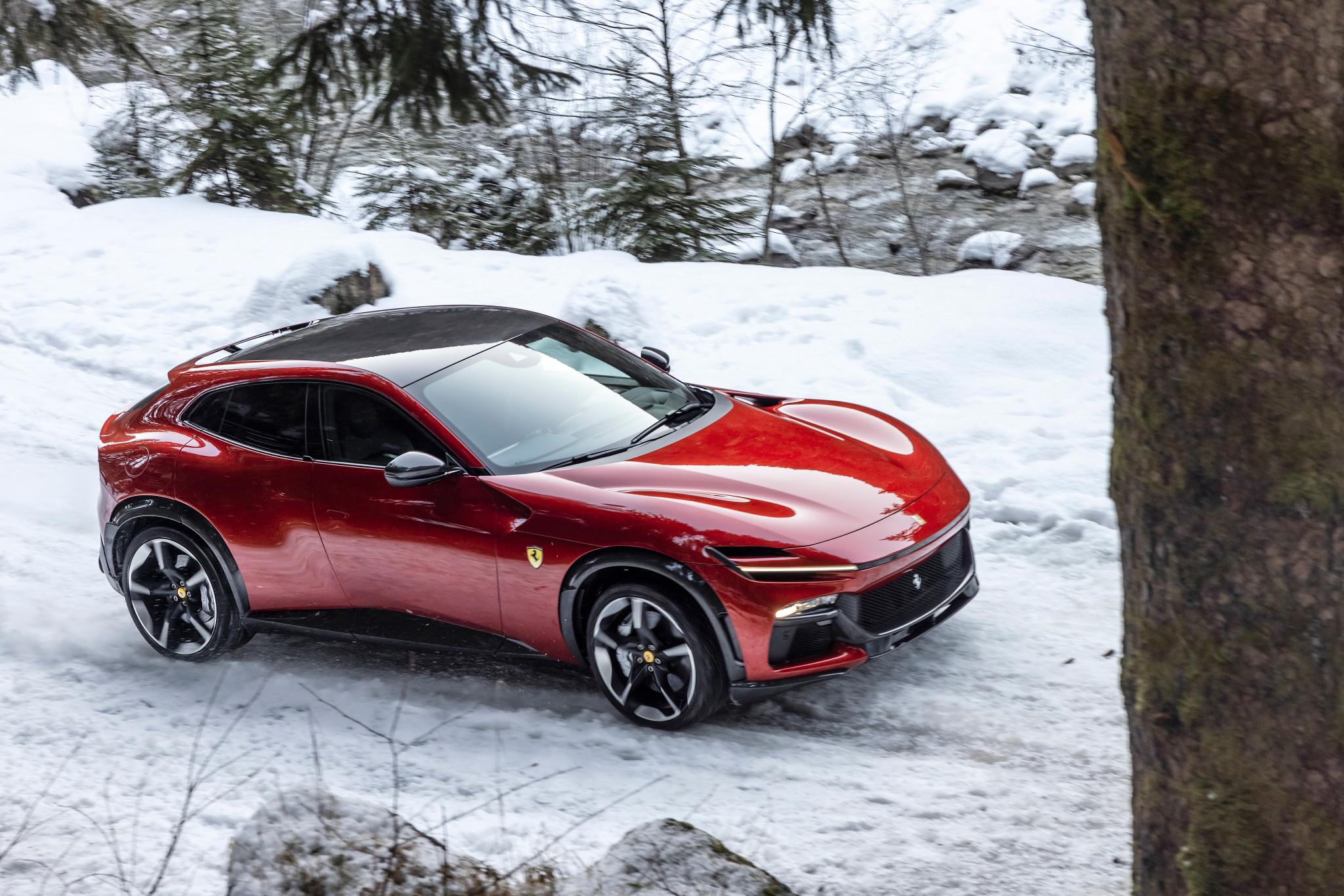
Ferrari has positioned the Luce as a flagship model with pricing expected to start around €500,000-€600,000 ($540,000-$650,000 USD). Production will be limited to maintain exclusivity, with deliveries beginning in late 2026. The waiting list is already substantial, with Ferrari prioritizing existing customers and collectors.
Ferrari's 2026 Model Offensive: Five New Vehicles
The Luce is just the beginning. Ferrari's 2026 lineup represents the most aggressive product rollout in the company's history, with five distinct models planned across various segments.
1. Ferrari Luce (Pure Electric Supercar)
Launch Timeline: Q4 2026 Segment: Electric supercar Target Market: Early adopters, technology enthusiasts, existing Ferrari collectors
The flagship electric model designed to prove that Ferrari can deliver emotional driving experiences without combustion engines. Expected to compete with the Rimac Nevera and upcoming electric supercars from Lamborghini and McLaren.
2. Ferrari Purosangue Hybrid (Electrified SUV)
Launch Timeline: Q1 2026 Segment: Luxury performance SUV Powertrain: V12 hybrid with electric front axle
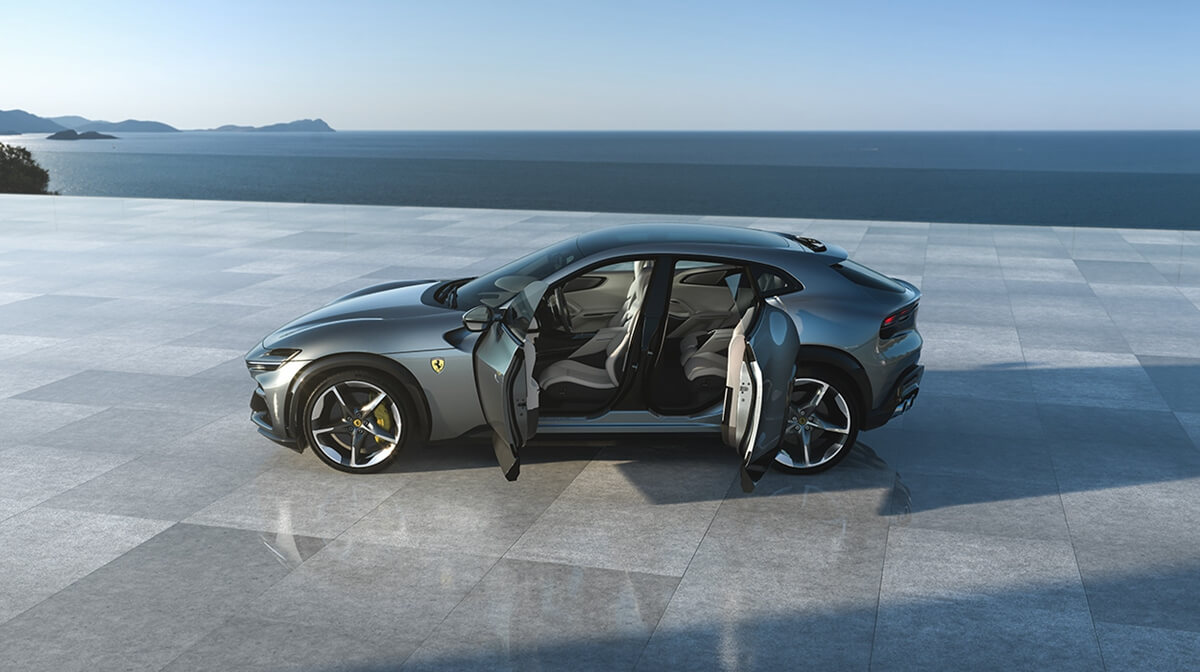
Building on the success of the original Purosangue, the hybrid variant will offer improved efficiency and all-wheel-drive capability through electric motors on the front axle. This model addresses growing demand for practical, everyday-usable Ferraris while maintaining performance credentials.
Expected Specifications: - Combined output: 800+ hp - Pure electric range: 50-60 km - 0-100 km/h: Under 3.5 seconds - Improved fuel efficiency: 30% better than pure ICE version
3. Ferrari 296 GTB Spider (Open-Top Hybrid)
Launch Timeline: Q2 2026 Segment: Hybrid sports car convertible Powertrain: V6 hybrid (existing 296 GTB platform)
The open-top version of Ferrari's acclaimed 296 GTB brings the joy of al fresco driving to the hybrid platform. The retractable hardtop maintains the coupe's sleek lines while offering the visceral experience of open-air motoring.
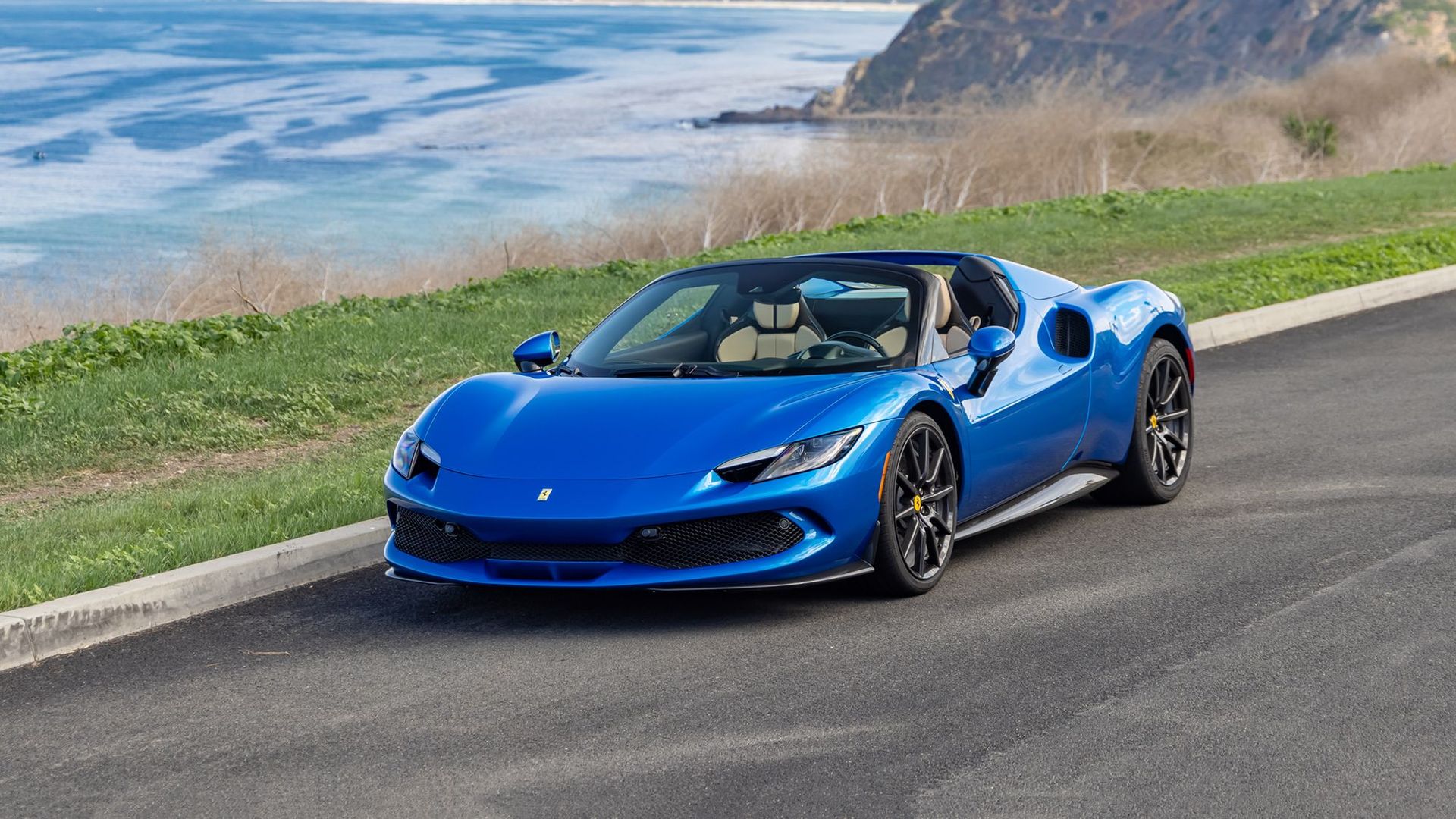
Key Features: - 830 hp combined output (V6 + electric motor) - Retractable hardtop (14 seconds operation) - Minimal weight penalty vs. coupe - Enhanced exhaust note engineering for open-top experience
4. Ferrari SF90 XX Stradale (Track-Focused Hybrid)
Launch Timeline: Q2 2026 Segment: Limited-edition track hypercar Production: 799 units worldwide
An extreme, track-focused version of the SF90 Stradale, the XX Stradale represents Ferrari's most powerful road-legal car to date. Drawing inspiration from Ferrari's XX Programme track-only cars, this model bridges the gap between road and race.
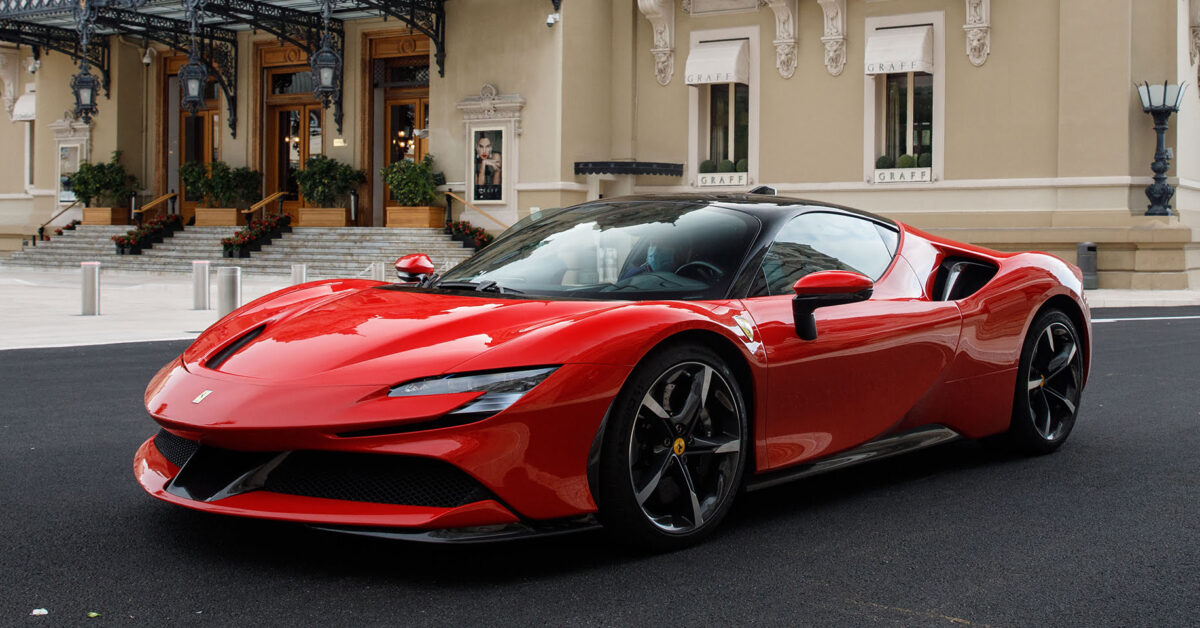
Performance Targets: - Combined output: 1,100+ hp - Extensive use of carbon fiber and titanium - Active aerodynamics with DRS system - Lap time target: Sub-7 minutes at Nürburgring - Weight reduction: 100+ kg vs. standard SF90
5. Ferrari 12Cilindri Aperta (V12 Convertible Grand Tourer)
Launch Timeline: Q3 2026 Segment: V12 convertible GT Powertrain: Naturally aspirated V12
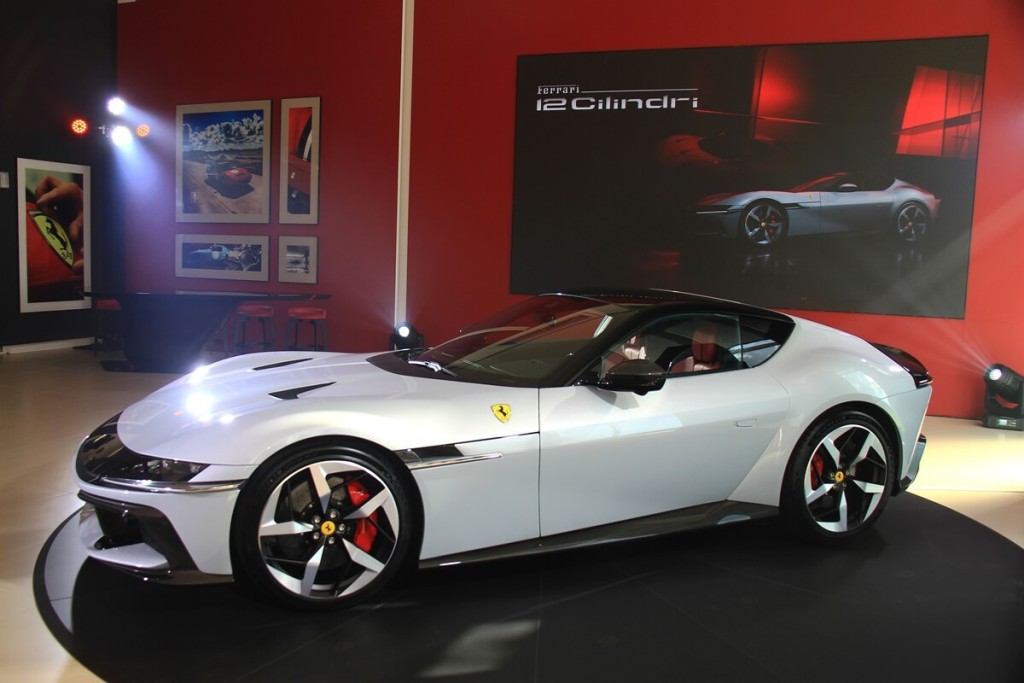
For purists who demand the traditional Ferrari experience, the 12Cilindri Aperta (Italian for "12 Cylinders Open") celebrates the naturally aspirated V12 engine in convertible form. This may be one of the last opportunities to own a new, naturally aspirated V12 Ferrari convertible.
Specifications: - 6.5L naturally aspirated V12 - 830 hp at 9,250 rpm - Soft-top convertible mechanism - 2+2 seating configuration - Grand touring focus with daily usability 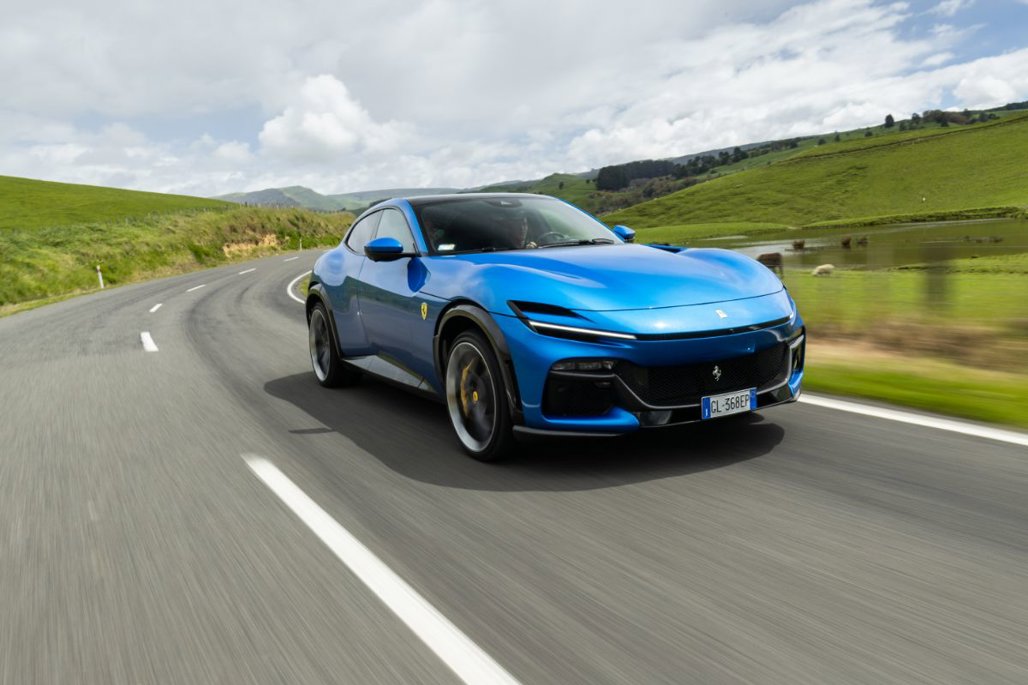
The Electric Transition: Ferrari's Strategic Vision
Balancing Heritage and Innovation
Ferrari CEO Benedetto Vigna has been clear about the company's approach to electrification: "We are not abandoning our heritage; we are expanding our capabilities." The strategy involves:
Three-Pronged Powertrain Approach: 1. Pure ICE: Continuing naturally aspirated and turbocharged engines for purists 2. Hybrid: Combining combustion engines with electric motors for performance and efficiency 3. Pure Electric: Developing EVs that deliver authentic Ferrari driving emotions
Investment in Technology
Ferrari has committed over €4.4 billion ($4.8 billion) in research and development through 2026, focusing on:
- Battery technology and thermal management - Electric motor development - Lightweight materials and construction techniques - Advanced aerodynamics - Software and connectivity - Sustainable manufacturing processes
Manufacturing Evolution
The Maranello facility is undergoing significant expansion and modernization:
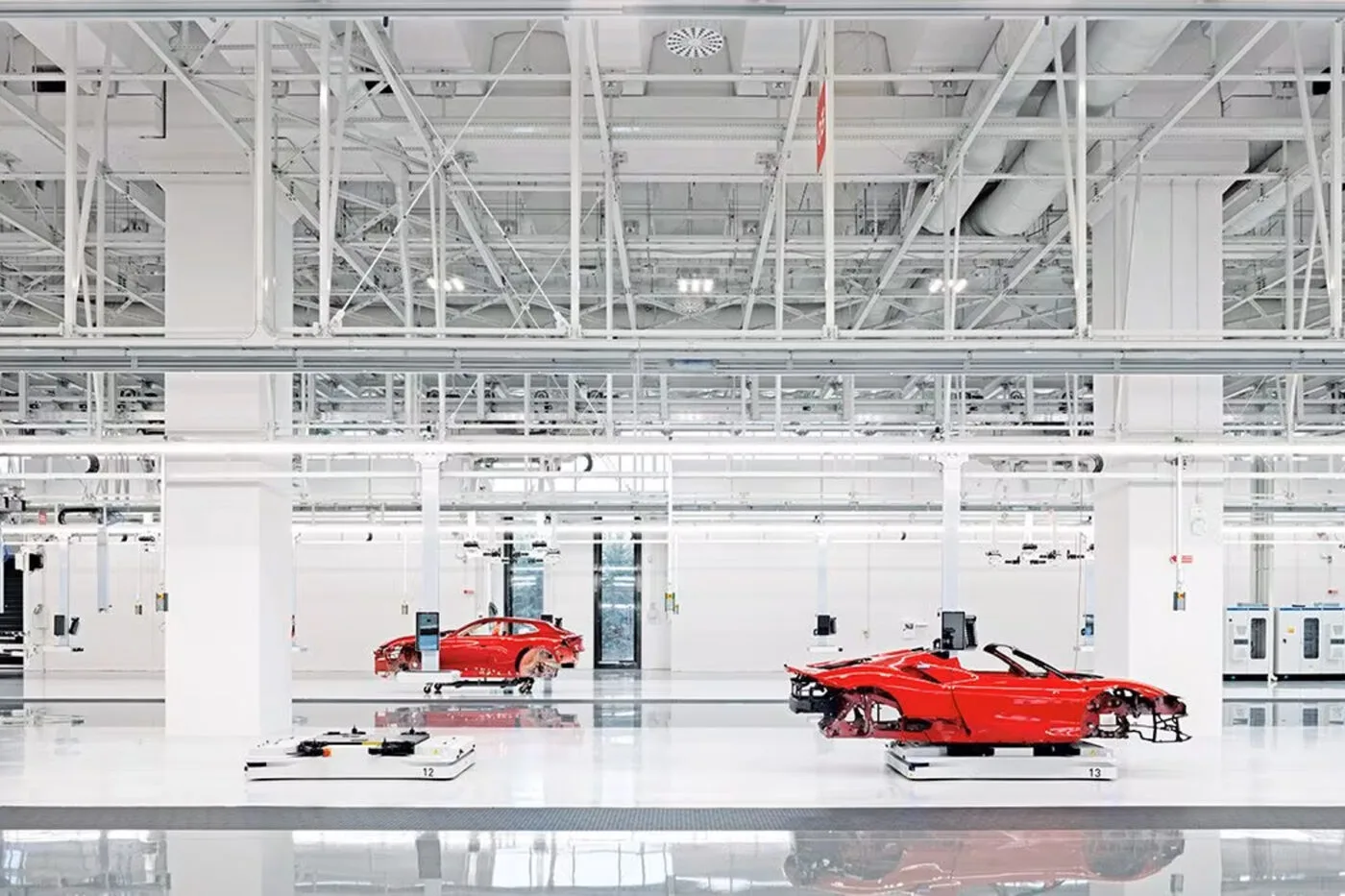
- New e-building dedicated to electric vehicle production - Advanced battery assembly facility - Expanded carbon fiber production capacity - Renewable energy integration (solar panels, energy storage) - Zero-emission manufacturing target by 2030
Market Context: Ferrari vs. The Competition
The Luxury EV Landscape
Ferrari enters the electric supercar market at a critical juncture. Competitors are already established or preparing their own electric offerings:
Existing Competition: - Rimac Nevera: 1,914 hp, €2 million - Lotus Evija: 2,000 hp, £2 million - Pininfarina Battista: 1,900 hp, €2.2 million - Aspark Owl: 1,985 hp, €2.9 million
Upcoming Rivals: - Lamborghini Lanzador (2028) - McLaren electric supercar (2027) - Porsche Mission X (2027) - Aston Martin electric sports car (2026)
Ferrari's Competitive Advantages
Despite entering the electric market later than some rivals, Ferrari brings unique strengths:
1. Brand Heritage: 77 years of racing and road car excellence 2. Customer Loyalty: Dedicated collector base willing to embrace change 3. F1 Technology Transfer: Direct application of hybrid and energy recovery systems 4. Exclusivity: Limited production maintains desirability and value 5. Driving Dynamics Expertise: Decades of chassis and handling development
The Broader Implications: What This Means for the Auto Industry
Luxury Brands Must Electrify
Ferrari's move into pure electric vehicles sends a clear message: even the most traditional, heritage-focused brands must embrace electrification. If Ferrari—synonymous with combustion engine excellence—can successfully transition to EVs, it validates the technology for the entire luxury segment.
Performance Without Compromise
The Luce aims to prove that electric vehicles can deliver the emotional engagement and driving pleasure traditionally associated with high-performance combustion engines. Success here could accelerate acceptance among enthusiasts who have resisted EVs.
Sustainability Meets Exclusivity
Ferrari's approach demonstrates that sustainability and exclusivity are not mutually exclusive. Limited production, high prices, and exceptional quality can coexist with environmental responsibility.
Comparing Philosophies: Ferrari vs. Mass-Market EVs
While Ferrari develops ultra-exclusive electric supercars, the broader automotive market has seen explosive growth in affordable electric vehicles, particularly from Chinese manufacturers. The contrast is striking:
Ferrari Luce: - Price: €500,000+ - Production: Limited to thousands annually - Focus: Performance, emotion, exclusivity - Target: Ultra-wealthy collectors
Mass-Market EVs: - Price: €15,000-€40,000 - Production: Millions annually - Focus: Practicality, efficiency, affordability - Target: General consumers
For those seeking practical, affordable city driving solutions, the used car market offers compelling alternatives to new luxury EVs. While Ferrari pushes the boundaries of electric performance at the highest level, mainstream manufacturers focus on making electric mobility accessible to everyone.
Technical Deep Dive: How Ferrari Achieves Electric Performance
Quad-Motor Architecture
The Luce's quad-motor setup represents a significant departure from traditional Ferrari engineering:
Advantages: - Individual wheel torque control for unprecedented handling precision - Redundancy for safety and reliability - Ability to create "virtual" limited-slip differentials - Enhanced traction in all conditions - Regenerative braking at each wheel
Challenges: - Complex software integration - Thermal management of four separate motors - Weight distribution optimization - Increased unsprung mass (partially mitigated by in-board motor placement)
Battery Technology
Ferrari has partnered with leading battery suppliers while developing proprietary thermal management systems:
Cell Chemistry: High-nickel NMC (Nickel Manganese Cobalt) for energy density Pack Design: Structural battery integration for chassis rigidity Cooling: Liquid cooling with F1-derived heat exchanger technology Safety: Multi-layer protection with automatic disconnect systems Longevity: Warranty covering 70% capacity retention after 8 years
Aerodynamic Innovation
Electric vehicles present unique aerodynamic challenges and opportunities:
Challenges: - Battery weight requires more downforce - Lack of engine cooling needs changes traditional air intake design - Smooth underbody possible without exhaust systems
Solutions: - Active front splitter and rear wing - Underbody venturi tunnels for ground effect - Adaptive cooling shutters - Rear diffuser optimized for electric powertrain packaging
The Sound of Silence: Addressing the Emotional Challenge
The Exhaust Note Dilemma
One of Ferrari's biggest challenges with the Luce is replacing the emotional impact of engine sound. Ferrari's approach includes:
External Sound Design: - Synthesized sound that reflects vehicle dynamics - Frequency modulation based on speed and acceleration - Compliance with pedestrian safety regulations - Optional "silent" mode for residential areas
Internal Experience: - Enhanced mechanical sounds (motor whine, inverter frequencies) - Haptic feedback through steering wheel and seat - Visual feedback through instrument cluster - Focus on other sensory inputs (acceleration forces, handling precision)
Creating New Emotional Connections
Ferrari argues that electric vehicles offer different, but equally valid, emotional experiences:
- Instant torque delivery creates visceral acceleration - Precise torque vectoring enables new handling characteristics - Reduced mechanical complexity allows focus on pure driving dynamics - Technology integration creates new forms of driver engagement
Environmental Considerations and Sustainability
Ferrari's Carbon Neutrality Goals
The company has committed to ambitious environmental targets:
Manufacturing: - Carbon-neutral Maranello facility by 2030 - 100% renewable energy for production - Water recycling and waste reduction programs - Sustainable materials in vehicle construction
Product Lifecycle: - Increased use of recycled and bio-based materials - Battery recycling and second-life programs - Extended vehicle longevity through quality construction - Offset programs for customer vehicle use
The Paradox of Luxury EVs
Critics point out the environmental paradox of ultra-expensive, limited-production electric vehicles:
Arguments Against: - High embodied energy in exotic materials - Limited environmental impact due to low production volumes - Wealthy customers likely own multiple vehicles - Resources could benefit mass-market EV development
Ferrari's Counter-Arguments: - Technology development trickles down to mass market - Halo effect drives broader EV acceptance - Limited production means lower total environmental impact - Customers increasingly demand sustainable options
Investment Perspective: Ferrari as a Company
Stock Performance and Outlook
Ferrari's electrification strategy has implications for investors:
Positive Factors: - Expanding addressable market with new segments - Maintaining exclusivity and pricing power - Technology leadership in luxury segment - Strong order books and customer loyalty
Risk Factors: - High R&D costs impacting short-term margins - Execution risk on new technology - Potential brand dilution with expanded lineup - Regulatory uncertainties in key markets
Production Volume Strategy
Unlike mass-market manufacturers, Ferrari deliberately limits production to maintain exclusivity:
- 2025 production: ~14,000 vehicles - 2026 target: ~15,000 vehicles (including Luce) - Long-term cap: Under 20,000 vehicles annually - Average transaction price increasing with electrification
Customer Perspective: Who Buys a Ferrari EV?
The Target Demographic
Ferrari Luce buyers represent a specific subset of the ultra-wealthy:
Characteristics: - Net worth: $50 million+ - Age: 40-65 (younger than traditional Ferrari buyers) - Tech-savvy and environmentally conscious - Existing Ferrari owners (70%+ of buyers) - Multiple vehicle garage (Luce as addition, not replacement)
Motivations: - Early adopter status in exclusive community - Belief in electric performance potential - Environmental considerations (secondary to performance) - Investment/collection value - Unique ownership experience
The Ownership Experience
Ferrari promises a differentiated ownership experience for Luce customers:
- Dedicated EV customer support team - Home charging installation service - Access to Ferrari-branded fast charging network - Exclusive Luce owner events and track days - Priority access to future electric models - Enhanced connectivity and remote services
Looking Ahead: Ferrari's Electric Future Beyond 2026
Long-Term Electrification Roadmap
Ferrari has outlined its vision through 2030 and beyond:
2027-2028: - Second-generation Luce with improved range and performance - Additional electric model in different segment - Expanded hybrid lineup across all models
2029-2030: - 60% of lineup electrified (hybrid or pure EV) - Third electric model introduction - Potential electric SUV/crossover
Post-2030: - Majority of sales from electrified vehicles - Continued ICE production for collectors and purists - Advanced battery technology (solid-state potential) - Autonomous driving features (limited, driver-focused)
Technology Partnerships
Ferrari is collaborating with technology leaders:
- Battery suppliers: Partnerships with leading cell manufacturers - Software: In-house development with external expertise - Charging infrastructure: Collaboration with premium charging networks - Autonomous systems: Limited partnerships maintaining driver focus - Connectivity: Integration with luxury lifestyle services
Conclusion: A New Chapter for the Prancing Horse
Ferrari's unveiling of the Luce and announcement of five new models in 2026 represents more than just product launches—it's a declaration that the legendary Italian brand is ready to lead the luxury automotive industry into the electric age.
The Luce faces enormous expectations. It must deliver the performance, emotion, and exclusivity that define Ferrari while proving that electric powertrains can match or exceed the visceral appeal of combustion engines. Early indications suggest Ferrari is approaching this challenge with the same engineering excellence and attention to detail that has defined the brand for over seven decades.
For Ferrari enthusiasts, 2026 promises to be a landmark year. Whether you're drawn to the groundbreaking Luce, the practical Purosangue Hybrid, the track-focused SF90 XX, or the traditional V12 experience of the 12Cilindri Aperta, Ferrari is offering something for every taste within its exclusive ecosystem.
The automotive world will be watching closely. If Ferrari succeeds in making electric vehicles emotionally compelling for driving enthusiasts, it could accelerate the entire industry's transition to electrification. If it stumbles, it may validate skeptics who believe some experiences can never be replicated without combustion engines.
One thing is certain: the Prancing Horse is charging into the future, and the journey promises to be electrifying.
---